





 Portuguese
  English
  Spanish
  6 min of reading
  0 comments


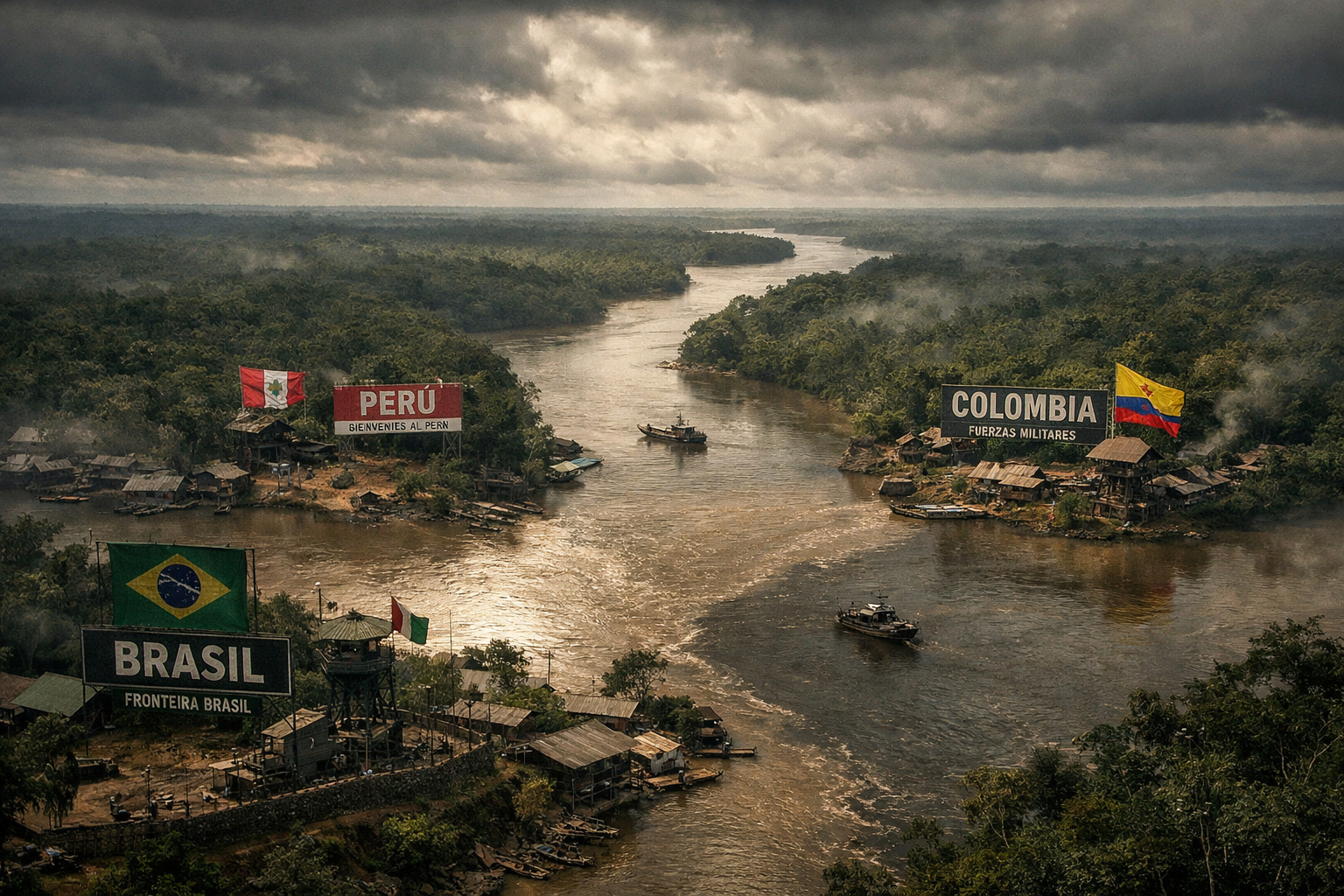
Isolated Communities in the Peruvian Amazon, Economically Dependent on Brazil, Issue Ultimatums to the Government of Lima and Raise Dangerous Comparisons with International Precedents That Redrew Borders By Force
The discussion about territorial sovereignty in the Amazon has returned to the center of the South American geopolitical debate after isolated Peruvian communities began to publicly advocate for the annexation of their territories to Brazil. Although the topic may seem unlikely at first glance, the movement reignites sensitive alerts involving borders, regional security, transnational crime, and recent international precedents. The information was disclosed by the channel Let’s Talk About History, which analyzed documents, local statements, and the geopolitical context of the Peruvian Amazon region, especially in border areas with Brazil and Colombia.
Although state abandonment is often pointed out as the main motivation, these regions are not devoid of strategic relevance. On the contrary, one of them is situated in the heart of the Amazon, while the other occupies a sensitive position at the triple border between Brazil, Peru, and Colombia. Therefore, the discussion goes beyond social demands and directly touches on national security interests, territorial control, and regional stability.
Isolated Peruvian Communities and the Ultimatum to the Government of Lima
The first focus of the crisis is in Bela Vista do Calaru, an indigenous settlement located in the northernmost part of Peru, in the Loreto region, precisely at the triple border between Peru, Brazil, and Colombia. The community is predominantly made up of indigenous Ticuna people and has about 1,118 inhabitants, according to local data. Geographically, Bela Vista occupies a strategic convergence point among three countries in the Amazon, which naturally enhances its geopolitical relevance.
-
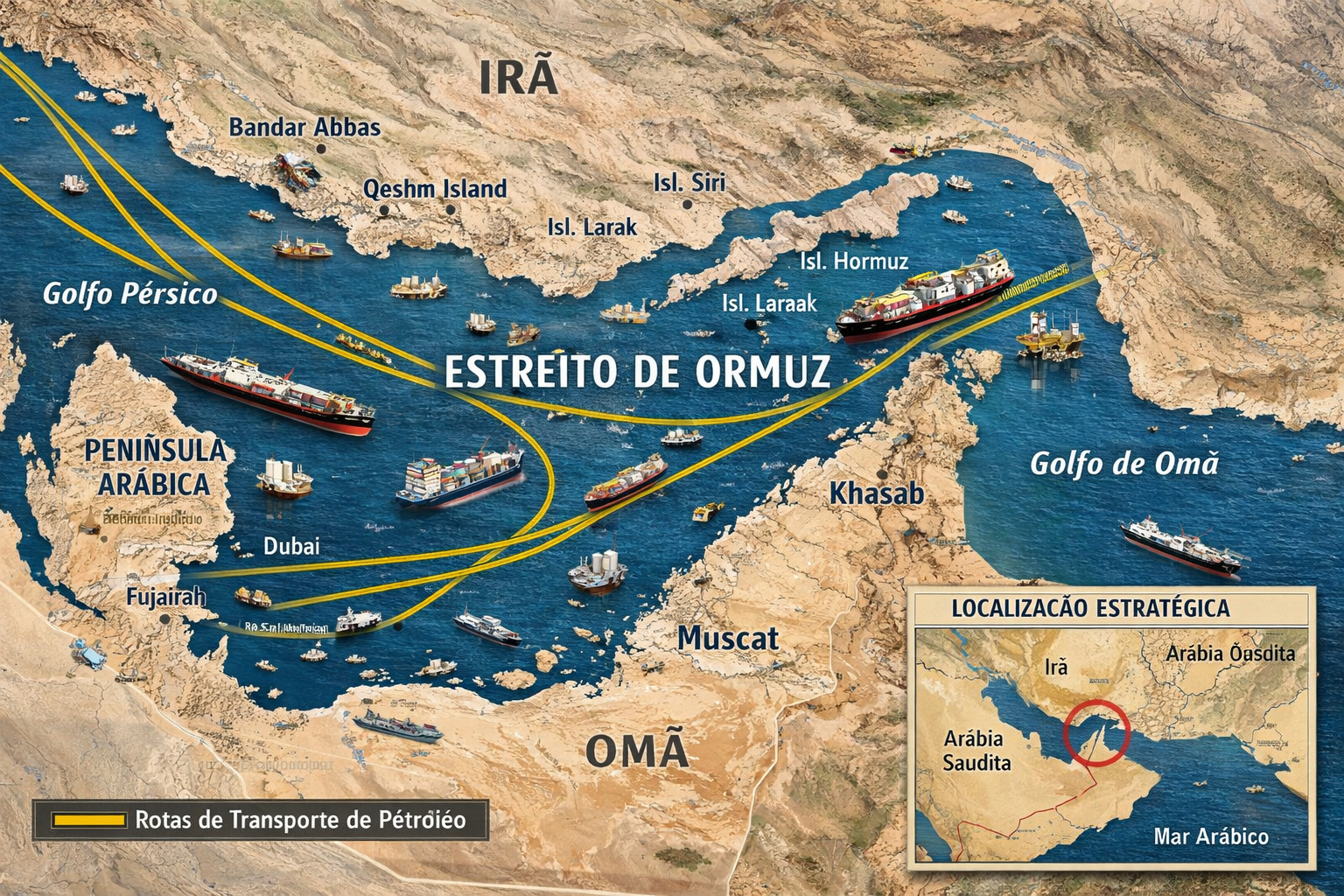
Global summit with over 40 countries pressures Iran for a blockade in the Strait of Hormuz and warns of direct impact on oil, food, and the global economy.
-
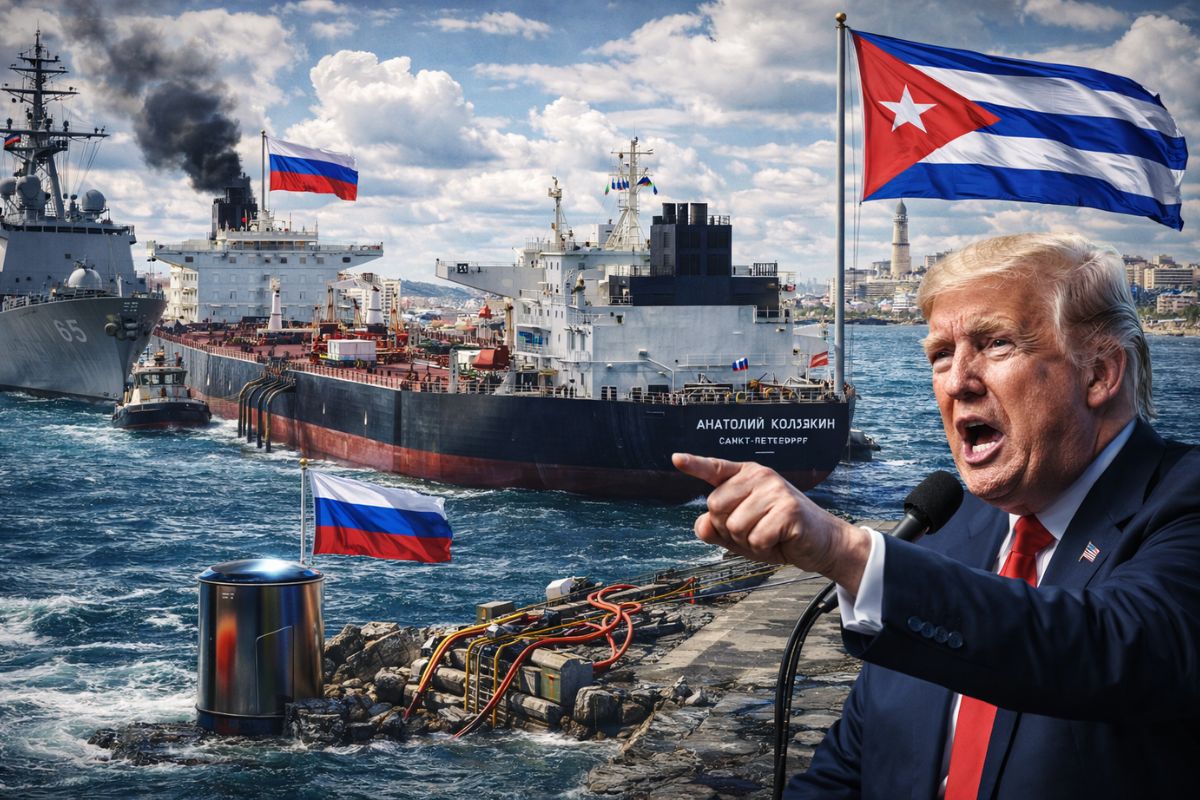
Russia has broken the U.S. maritime blockade to send oil to Cuba and is now loading a second ship while Trump says that “Cuba is next” in a possible military action against the island.
-
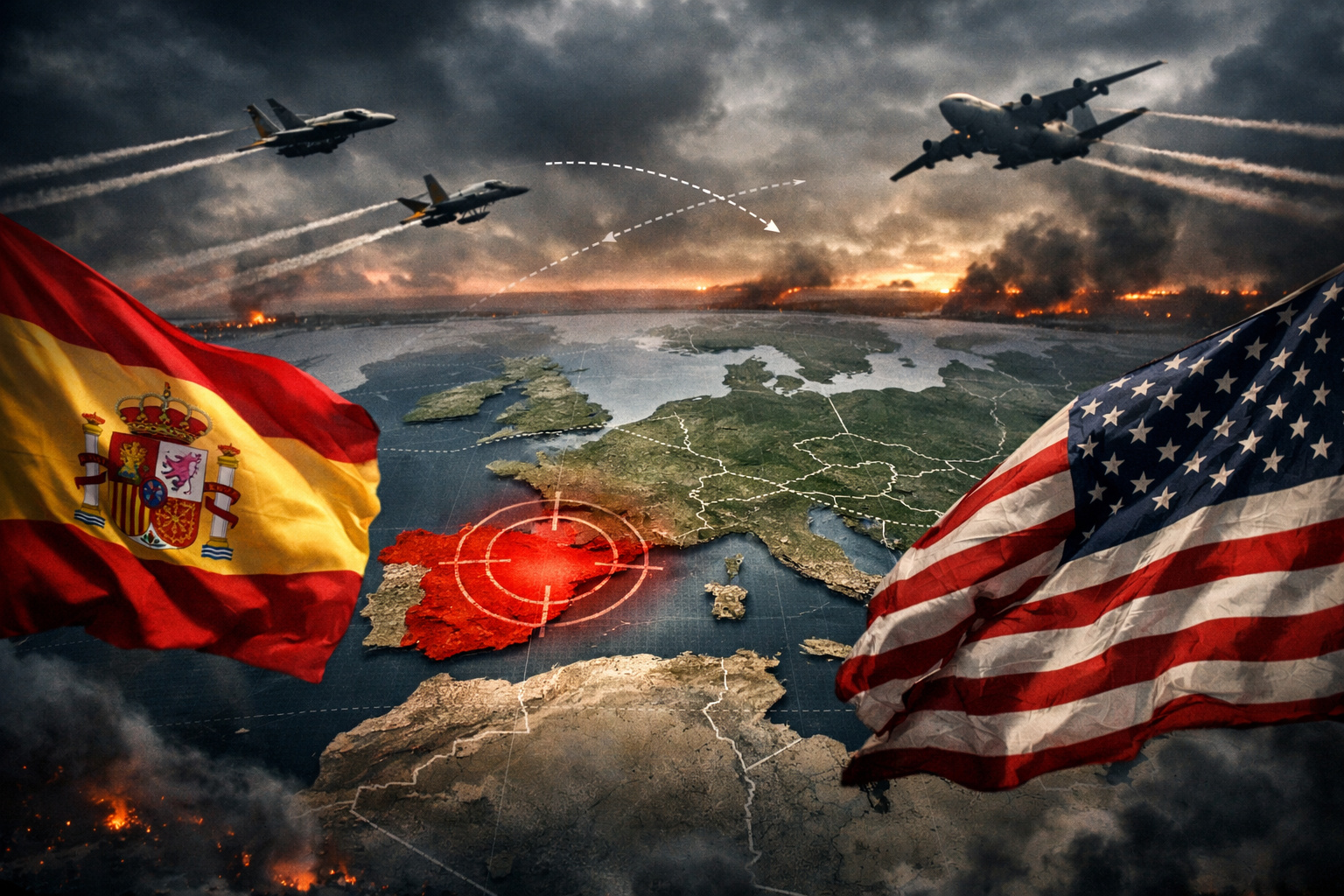
Spain challenges the USA and closes its airspace for operations against Iran, raising global tension and provoking the threat of a trade rupture.
-
While no other country manufactures tanks in Latin America, Argentina activates the TAM 2C-A2 and raises a curiosity about the technological lag in the region.

Although its direct economy is limited, without significant production or infrastructure, the region plays a fundamental role as a cross-border corridor. However, this corridor has been exploited by transnational criminal organizations, particularly those linked to drug trafficking. Therefore, control and stability of the area have a direct impact on regional security, especially concerning drug trafficking and crimes that use the Amazon River and its headwaters as logistical routes.
Currently, Bela Vista do Calaru lives practically on the margins of the Peruvian economy. Due to the abandonment of the state, the community has become economically integrated with neighboring countries. “Here we don’t use Peruvian currency. It’s all Brazilian and Colombian,” reported the local mayor. The Brazilian real and the Colombian peso circulate more frequently than the Peruvian currency itself, highlighting stronger economic, social, and cultural ties with Brazil and Colombia than with Lima.
This context led the community to issue an ultimatum of 30 days to the Peruvian government. If there were no response, local leaders stated they would seek international mechanisms to try to formalize the annexation to Brazilian territory. The document was led by Mayor Desiderrio Flores Aambo and delivered in January. So far, there has been no record of a specific public statement from Peruvian President José Jeré regarding the secession threat.
Purus: Isolation, Dependence on Brazil, and a History of Annexation Requests


In addition to Bela Vista, another Peruvian region faces an even older and structural abandonment: the province of Purus, in the southeast of Peru. The territory houses about 4,000 inhabitants, spread over an area nearly the size of the Brazilian state of Sergipe, without any land connection to the rest of the country. There are no roads or highways connecting Purus to other Peruvian regions.
Its capital, Puerto Esperanza, can only be accessed via waterways, through the Purus River, or by small airplanes. This lack of physical integration has turned the province into a region heavily dependent on Brazil. The Acrean town of Santa Rosa do Purus, located less than 100 km from the provincial capital, has become the main source of supplies, fuel, medicine, and services.
Over time, Brazilian influence has come to dominate local daily life. Radios receive broadcasts from Acre, many residents speak Portuguese, and the economic flow depends almost entirely on the Brazilian side of the border. In practice, Purus lives a Brazilian reality, despite being formally in Peruvian territory.
This scenario has fueled, for nearly two decades, formal requests for annexation. Back in 2005, local leaders from Puerto Esperanza, including indigenous and political authorities, formalized requests for the province to be annexed to Brazil. The movement gained momentum again in 2014 and 2016, as dependence on Brazilian services, especially in healthcare, increased.
Despite this, the official response from the Peruvian government has always been a reaffirmation of national sovereignty. Diplomatic notes have been issued reiterating that Purus is an inseparable part of Peruvian territory. However, these statements have not come accompanied by concrete development plans. As a result, the province has continued to present alarming indicators of poverty, illiteracy, and insecurity.
Can Brazil Intervene? Legal Limits, Military Risks, and Comparison with Ukraine
In light of this scenario, the central question arises: could Brazil mobilize troops to “secure” these regions, as Russia did to justify its actions in Ukraine? The answer, from a legal and diplomatic standpoint, is clear: no. Any unilateral military intervention in Peruvian territory would violate Peru’s national sovereignty and international law, including regional treaties such as the Charter of the Organization of American States.
Unlike peacekeeping operations or authorized humanitarian missions, an incursion without consent would be considered international aggression. The most Brazil can do, and this is plausible, is to strengthen its military presence on its own side of the border, intensifying patrols to contain the advance of drug trafficking and prevent the spillover of violence into Brazilian territory.
This defensive posture fits within the constitutional duties of the Armed Forces and the Federal Police, without constituting interference in foreign soil. Any deployment of troops into Bela Vista or Purus, without Lima’s authorization, would create a serious diplomatic incident and could trigger hemispheric mechanisms for collective response.
Comparisons to the war in Ukraine naturally arise. In 2022, Russian President Vladimir Putin used plebiscites and claims of protection for pro-Russian local populations in regions such as Donetsk, Luhansk, and Donbas to justify the invasion of Ukraine. Subsequently, Moscow attempted to formally annex these territories, in an action widely condemned by the international community.
While there is a rhetorical similarity — local populations asking for integration into a neighboring country — the differences are profound. In the Peruvian case, there is no internal armed conflict, ethnic persecution, or direct involvement of Brazil fostering separatist movements. On the contrary, Brasília maintains a cautious and silent stance, avoiding any gesture that could be interpreted as encouragement for secession.
A Warning About Abandonment, Not a Viable Project of Annexation
The cases of Bela Vista do Calaru and Purus serve primarily as a warning about the challenges of national integration and regional development in remote areas of the Amazon. These are regions of low immediate economic value but of enormous human, environmental, and strategic importance. The desire for annexation to Brazil reflects more the despair at abandonment than a viable or legally sustainable political project.
From the Brazilian perspective, welcoming these territories would mean assuming more responsibilities than clear benefits, in addition to breaking historical principles of national diplomacy, which values regional stability and the territorial integrity of neighboring states since the early 20th century. Therefore, the trend remains discreet cooperation, bilateral agreements, and humanitarian assistance, not altering borders.
Thus, while the issue sparks international comparisons and fuels speculation, a Brazilian military intervention or territorial annexation remains highly unlikely in the current scenario. The real challenge lies in promoting development, security, and state presence on the Peruvian side, reducing the power vacuum that currently favors organized crime and threatens the entire Amazon region.
Do you think Brazil should limit itself to cooperation and border reinforcement, or should it do more in light of the abandonment of these regions in Peru and the advance of organized crime in the Amazon?







Seja o primeiro a reagir!