





 English
  Francês
  Alemão
  Italiano
  Japonês
  Norueguês
  Portuguese
  Spanish
  5 min of reading


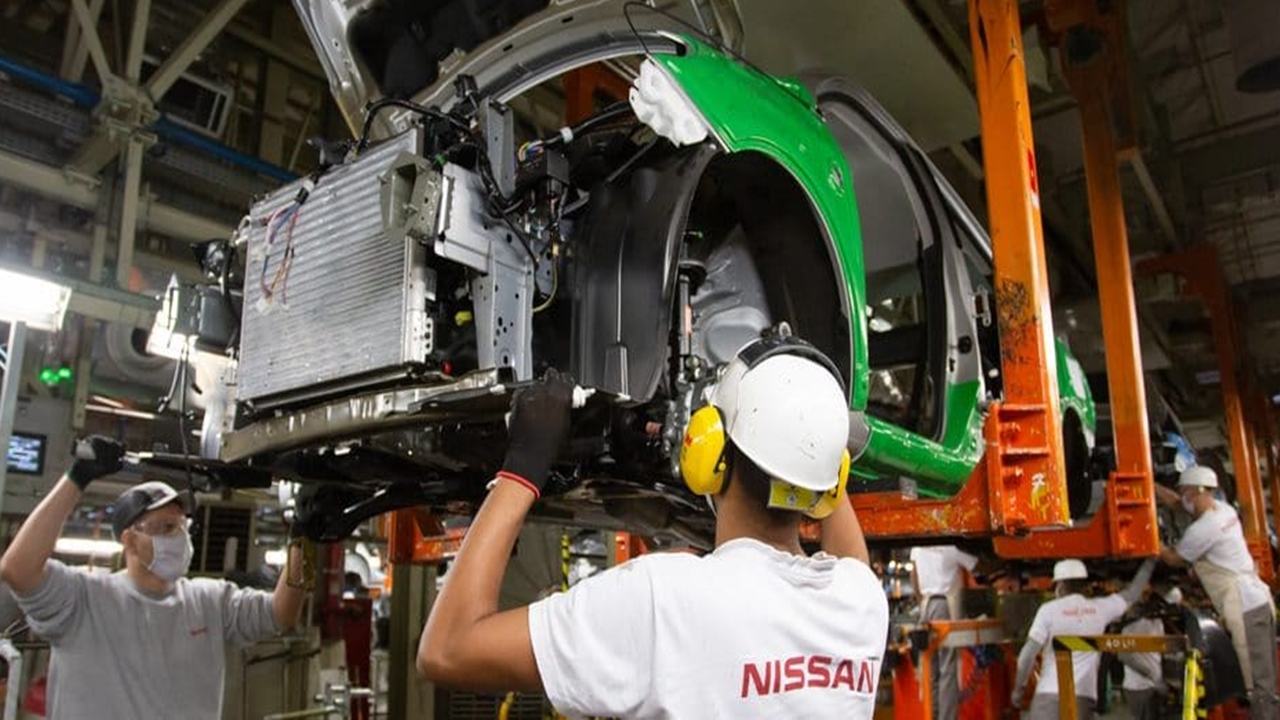
Technology for Charging Electric Cars with Ethanol, Coveted by Bosch, Volkswagen, and Nissan, Originates from Renewable Sources and Promises to Discard the Use of Batteries
Have you ever imagined having a fully electric car that, to charge the battery, doesn’t need outlets, allowing you to fuel it at any gas station? The multinational Nissan, in partnership with the Institute of Energy and Nuclear Research, linked to USP, bets on the use of ethanol to generate hydrogen and, from this chemical element, produce electricity! The feat is still under study, but it may be the path for Brazil to compensate for delays in the evolution of vehicles and participate in the global electrification process.
Read Also
- Multinational Yazaki Calls for Many Positions for 2,000 Job Openings at Its New Factory Producing Wiring Harnesses for Jeep and Fiat Cars in PE
- Gasoline Prices Surge Again, Ethanol Confirms Significant Rise at the Plant, GNV Hits Record R$ 5 at Gas Stations, and Consumers Have No Alternatives
- After Halting Vehicle Production and Leaving the Country, Ford Motor Sells Troller Factory This Month, Leaving 470 Employees Unemployed in Ceará
- After Volkswagen, Ford, and Fiat, Multinational Chevrolet Suspends Production at SP Factory; Chevrolet Onix, Onix Plus, and Spin Will Not Be Manufactured Until August 3
- Ford Motor, One of the Most Important Car Manufacturers in the World, Will Stop Developing and Producing Gasoline and Diesel Combustion Engines for a Fully Electric Future
The studies began in 2016, by Nissan Brazil, and tests have already been conducted with a prototype. The research is expected to be completed in 2025. “We can launch a little earlier or a little later. It will depend on how the studies progress,” said Ricardo Abe, engineering manager at Nissan. Just like 100% electric cars, those powered by ethanol cells will have zero emissions, since sugarcane crops capture CO2. “This technology has the potential to elevate the Brazilian market to a new level,” said Airton Cousseau, CEO of Nissan for Mercosur, to DINHEIRO. “Nissan is the automaker closest to this, the most advanced in studying this innovation,” he stated.
To continue the research and make the new fuel viable, the executive dismisses any tax or fiscal incentives. Cousseau is openly against government incentives like the old Inovar-Auto and Rota 2030. “I am against tax incentives because this business doesn’t work. We just need to have conditions to compete and a coherent tax burden,” said Cousseau, who has worked in China, Mexico, and the United States for the last 30 years. A more efficient fuel, and consequently lighter on the consumer’s pocket, arrives at a good time. According to the Ticket Log Price Index (IPTL), the average prices of gasoline and ethanol rose again in May compared to the previous month. In comparison with the same period last year, ethanol increased by 50.40% in the last 12 months and was found at R$ 4.822. Gasoline has risen by 44.77%, being sold at R$ 5.798 at gas stations.
-
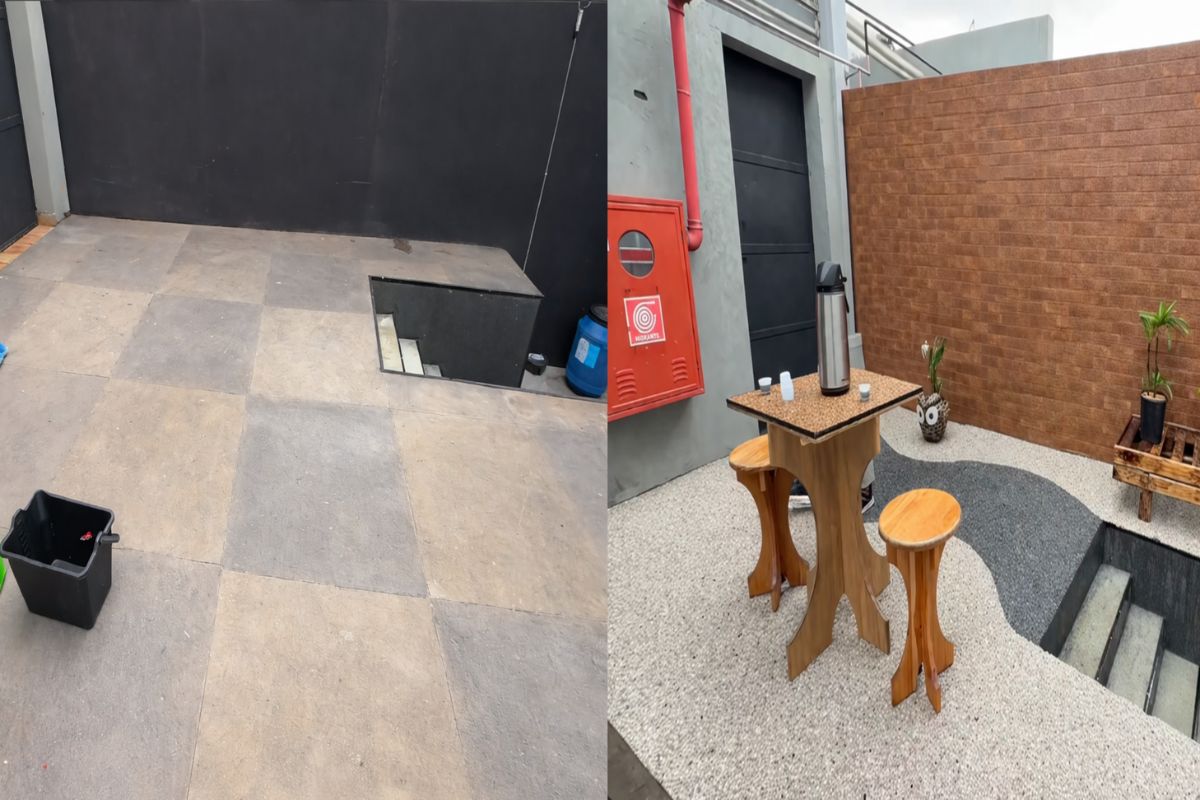
In just three hours, a natural stone floor transforms the entrance of the house with an organic effect, immediate drainage, and a sophisticated non-slip finish that doesn’t puddle water, dries quickly, and impresses with the final result.
-
‘Interlocking brick’ made of earth arrives in the construction industry with cost reductions of up to 40% on the project.

-
Espírito Santo will receive the largest engineering project in its history with the duplication of BR 262, which will have 50 viaducts, 28 bridges, and 2-kilometer tunnels cutting through the most challenging mountainous region of the entire state.

-
A project of nearly 9 million reais already has the first kilometer paved in Santa Catarina and promises to completely transform the access between Jaraguá do Sul and Rio dos Cedros in an area where tourism is growing at a rapid pace.


Bosch, Nissan, and Volkswagen Bet on Technology That Obtains Hydrogen from Ethanol; the Fuel Comes to Revolutionize the Automotive Industry Worldwide
The major multinationals Bosch, Nissan, and Volkswagen believe in the electrification of cars using ethanol. The Alcohol Production Industry Union of the State of Paraíba (Sindalcool-PB) participated in a virtual meeting on June 2, aimed at deepening the connections between ethanol producers and the automotive industry.
The meeting was attended by the president of Bosch in Latin America, Besaliel Botelho, and the advisor of the Brazilian Association of Automotive Engineering and Bright Consulting, Ricardo Simões Abreu, along with representatives from all ethanol-producing states in Brazil and leaders such as Evandro Gussi, president of the Sugarcane Industry Union (UNICA), and André Rocha, president of the National Sugar-Energy Forum.
Ethanol producers expressed optimism regarding the new turn that the biofuel could achieve in the coming years. “The hydrogen fuel cell is a long-term partnership we want to build with Bosch, which today is a company that generates seven billion in Latin America. It is certainly a brand with significant contributions globally. We hope that the ethanol-powered fuel cell technology developed here will reach countries like India, which has 9 of the 10 most polluted cities in the world,” said Edmundo Barbosa, president of Sindalcool-PB, who hosted the event and also led the discussions.
Bosch Believes in Brazilian Potential and Announced a R$ 170 Million Plan to Nationalize a Line of Diesel Engine Injector Production in Curitiba
The German multinational auto parts manufacturer Bosch opposed the movement of automakers Ford, Chevrolet, Honda, and Audi, which decided to withdraw or reduce production in Brazil, and brought production of injectors and injector nozzles for trucks to the country, which were produced in their factories in the United States, thus expanding the diesel injection systems division in its Curitiba factory.
This is an opportunity for Brazil to sell products to other countries that are starting to cease production in other regions. “This line will supply Europe and the United States,” he emphasizes. “Brazil needs to seek manufacturing as the axis for exports.”
Despite a challenging year, Bosch boosted its revenue in 2020. Operations in Latin America reached R$ 6.9 billion in revenue, an increase of almost 6% compared to the previous year. With 8,200 employees, the Brazilian subsidiary accounted for 74% of sales volume in the region. Of the R$ 5.1 billion in revenue in the country, 26% came from exports to Latin America, North America, and Europe.
Ex-CEO of Renault – Nissan Demanded His Team to Copy Volkswagen’s Diesel Engine Fraud, the Largest Vehicle Manufacturer in the World, to Bypass Emissions Results
Carlos Ghosn, the then all-powerful head of the Renault-Nissan Alliance, was summoned to testify last month in France’s Justice System in two cases. The first, related to the emissions fraud. The second, concerning tax evasion. But not only the French automaker evaded the system: the multinational Volkswagen and other giants, including Audi, Renault, Opel, BMW, and Mercedes, were also caught up in the emissions fraud scandal.
Fraud in emissions control also occurred in Brazil. In 1995, Fiat was fined by Cetesb (Environmental Company of the State of São Paulo) for emissions from the Uno Mille Electronic, as the car exceeded legal limits, despite having been approved in homologation tests.







Seja o primeiro a reagir!