Portuguese
  Spanish



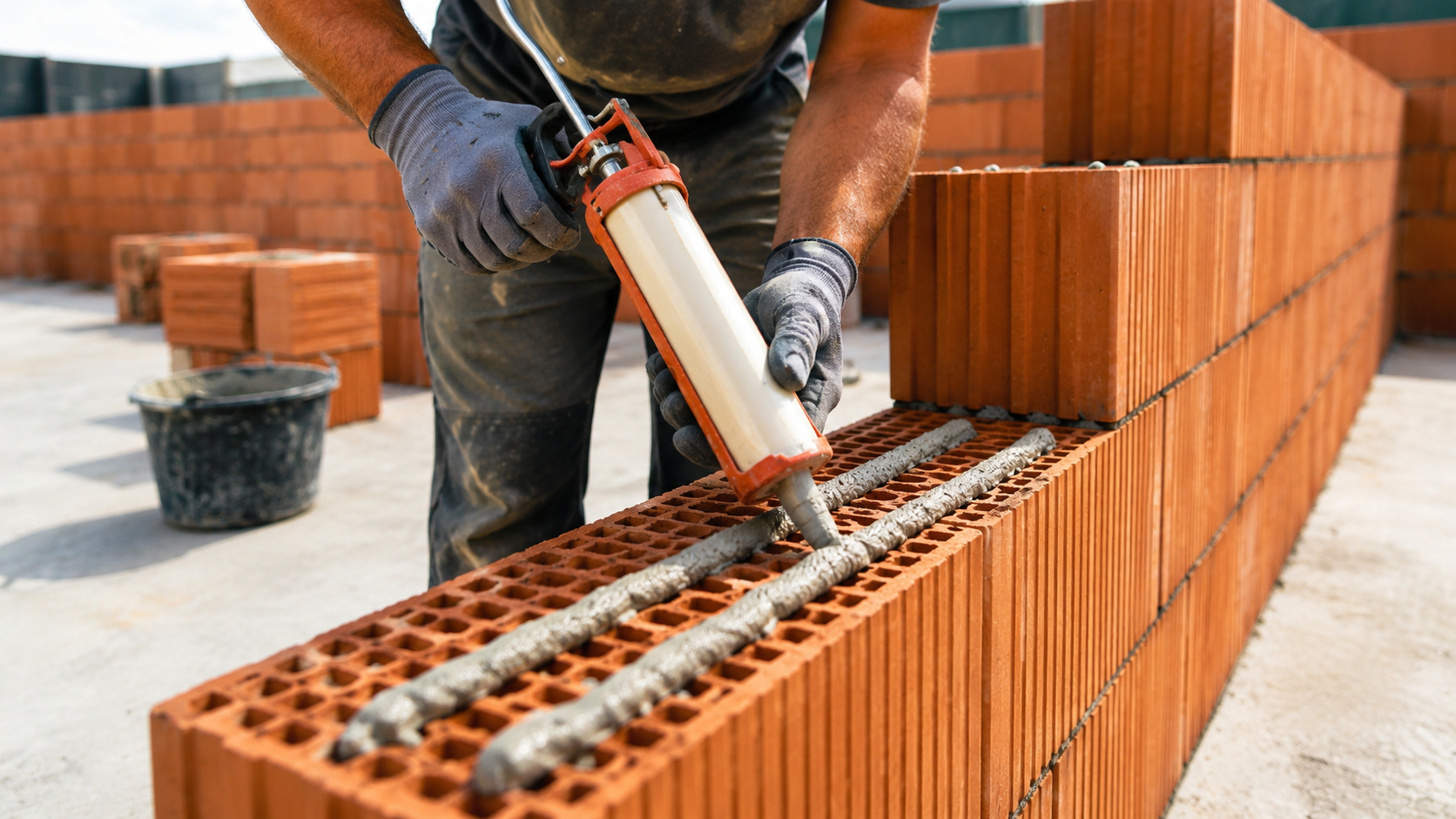
Thinking About Reducing CO2 Emissions, Researchers in Japan Develop Innovative Solution for Civil Construction, Creating Concrete Without Using Cement
Researchers at the Institute of Industrial Science at the University of Tokyo, Japan, directly linked sand particles through a simple reaction in alcohol, in the presence of a catalyst, thus creating a new innovative method of producing concrete without using cement. Undoubtedly, if this project from Japan goes from the lab to the industrial sector, it will revolutionize not only the civil construction sector but also significantly reduce CO2 emissions released during cement production.
Read Also
The Effects on Cement Production and the New Shift in the Japanese Market
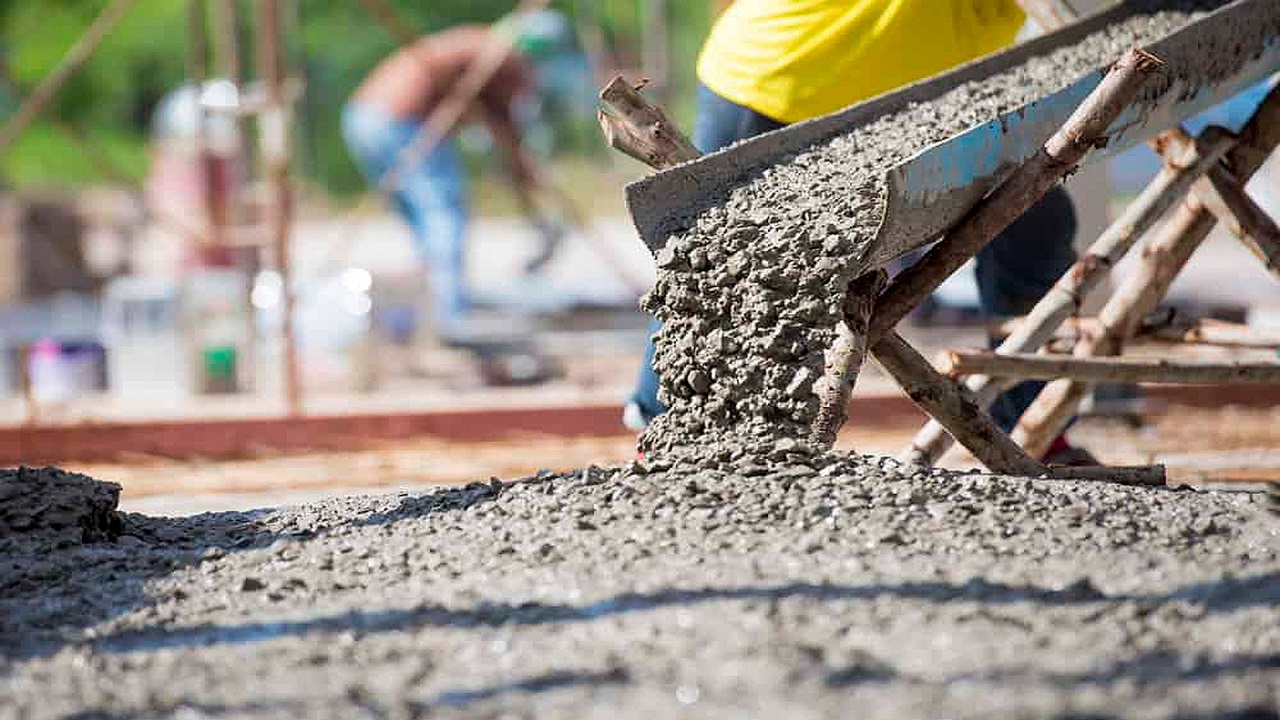
The most commonly used material in civil construction worldwide is concrete, which is a mixture of aggregates (gravel and sand), water, and cement.
Cement is produced by burning clay and limestone in a high-capacity kiln. After that, they are crushed and mixed, going through a baking process, turning into a powder. This powder, after cooling, is called clinker. In this baking process, for each kilogram produced, 0.7 kg of CO2 is emitted, polluting the atmosphere.
-
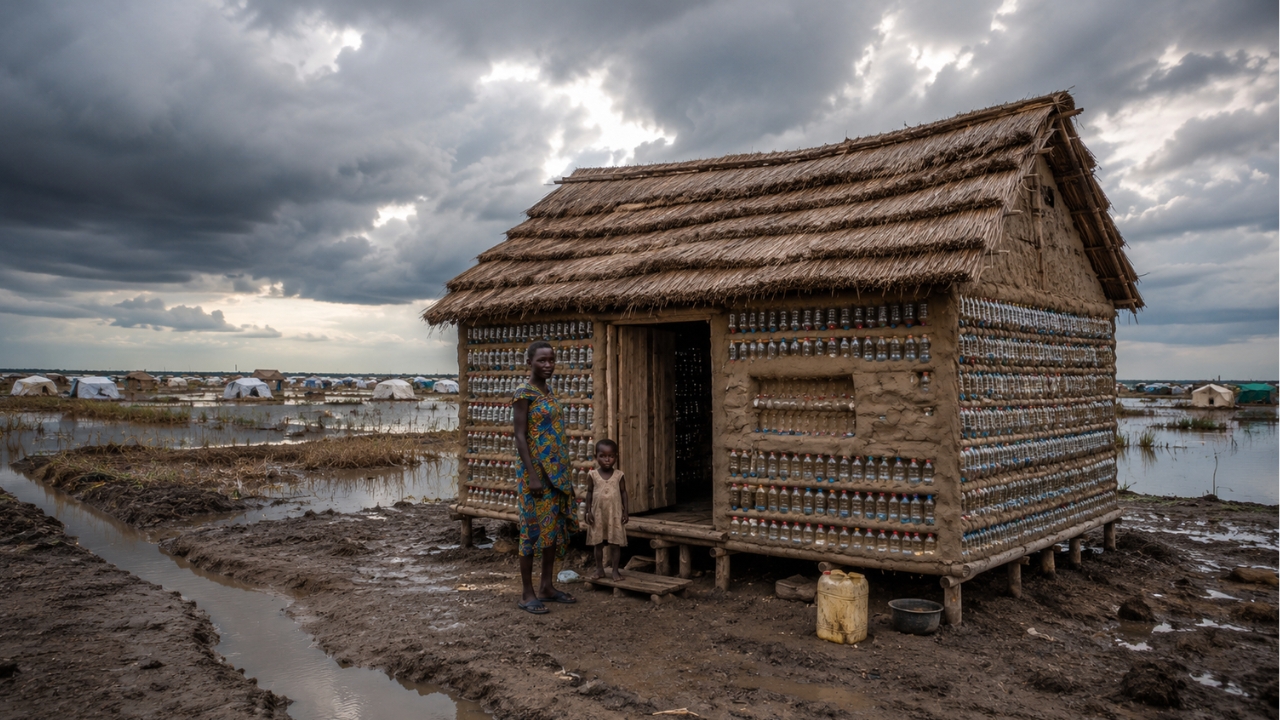
In Flood-Stricken South Sudan, Displaced Families Use Sand-Filled Plastic Bottles to Build Cooler, More Durable Homes

-
Mother Who Called Herself a ‘Pinterest Failure’ Learned Wood Furniture Restoration from Videos, Now Earns Around $15,900 Monthly

-
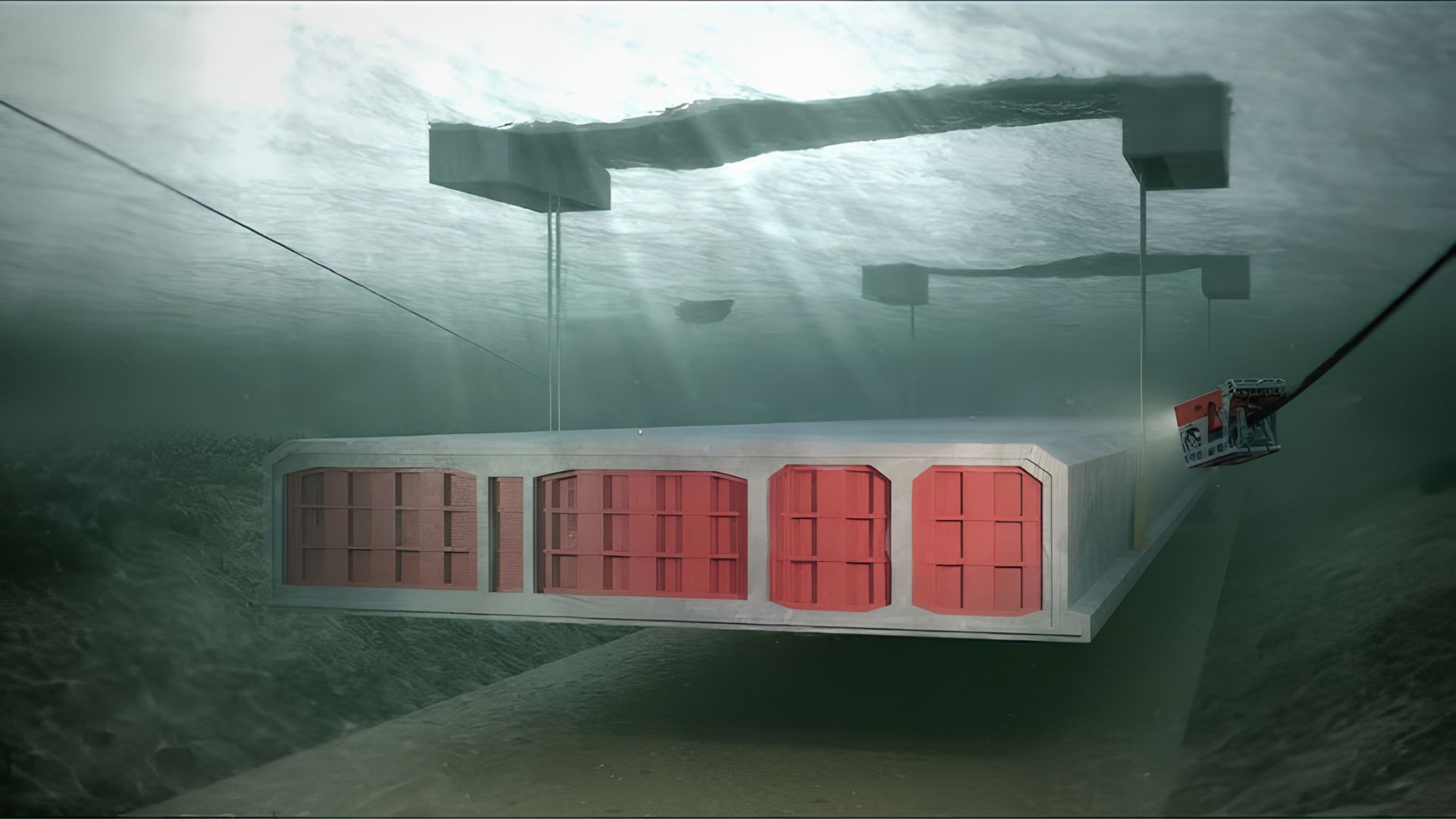
Denmark Constructs World’s Largest Immersed Tunnel to Connect with Germany, Sinking 217-Meter Concrete Sections in the Baltic Sea
-
Low-Cost Concrete Panel House Goes Viral: Investor Reveals Prefabricated Kit Structure for Around $1,500, Assembled in 30 Days, with Plans for Rental and Resale Income


Understand How Japan’s Cement-Free Concrete Works
To find the compound that binds the sand grains in concrete without cement, Yuya Sakai and Ahmad Farahani, scientists in Japan, had to go through a long and patient alchemical process. The ideal substitute used by the scientists was tetraalkoxysilane, which can induce a process called sol-gel transition.
According to Sakai, researchers can produce tetraalkoxysilane from sand through an alcohol reaction and a catalyst by removing water. As a test, the researchers placed a cup made of copper foil inside a reactor with alcohol, sand, and tetraalkoxysilane.
According to the researchers, obtaining a product with adequate strength to function as concrete mainly involved finding the correct ratio of components.
Civil Construction in a Sustainable Industry
A trend that has been noteworthy is the famous green buildings, which aim to bring sustainability to civil construction by preserving environmental resources and reducing operational costs.
In this context, civil construction projects that use wood, for example, should focus on reforestation processes. Green buildings are increasingly gaining ground and ensure a faster return on investment than conventional civil construction, and over time, they are expected to be in higher demand.