





 Portuguese
  English
  Spanish
 4 min of reading
  0 comments


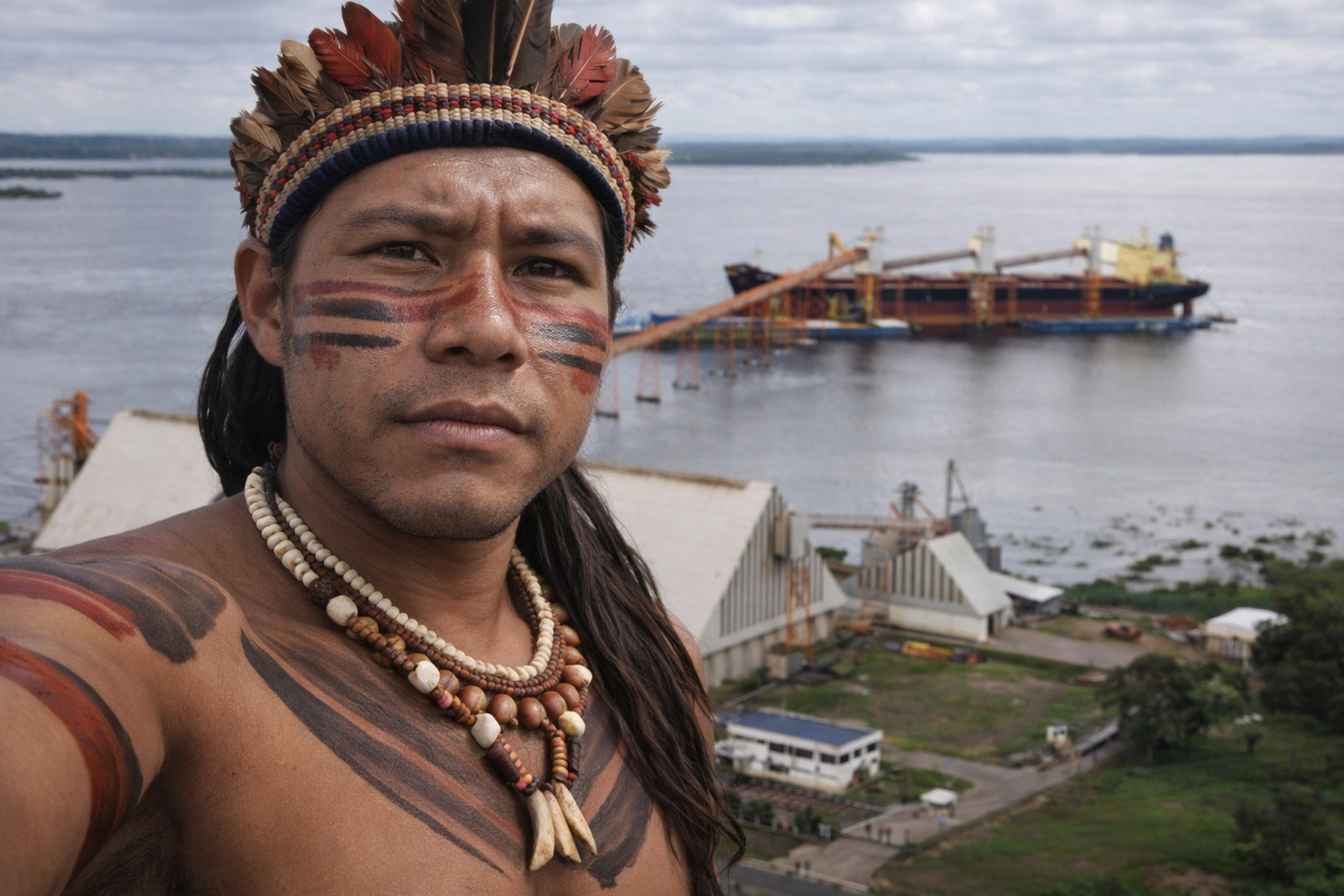
Mobilization Occurs Amid Criticism of Dredging, Granting of Strategic Rivers, and Possible Environmental Impact in the Amazon; Government Suspends Auction and Justice Intervenes in the Conflict
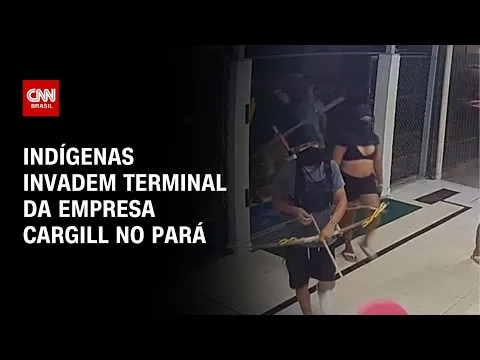
After the publication of Decree 12,600, which included Amazonian waterways in the National Privatization Program (PND), a group of indigenous people invaded the offices of the agricultural multinational Cargill at the port of Santarém (PA) in the early hours of February 21. The episode marked one of the tensest moments in the conflict involving the dredging of the Madeira, Tocantins, and Tapajós rivers and the expansion of grain transport in the Amazon region.
The information was reported by EFE Agency, based on official statements from the parties involved and institutional records from the period. According to reports, protests also occurred in front of the company’s headquarters in São Paulo (SP), expanding the reach of the mobilization beyond the North region.
According to Cargill, the actions began on the night of February 20, when the company’s assets were targeted. In the central office in São Paulo, a group vandalized the building’s facade. Hours later, the Santarém port terminal—which had already been blocked for 30 days by indigenous groups—was invaded.
-
“No one will make us change the Pix,” says Lula after the US report.

-
Lula responds directly to Trump and says that Pix is from Brazil and will not change under pressure from anyone, after a report from the United States pointed out the Brazilian payment system as an American trade barrier.

-
Amazon has just announced a new fee on all deliveries, and your online purchases will become more expensive starting April 17, including for those buying from the United States here in Brazil.

-
He sold his share for R$ 4 thousand, saw the company become a giant worth R$ 19 trillion, and missed the opportunity of a lifetime.


The multinational classified the two actions as “violent” and reported that, in light of the imminent invasion, employees sought refuge in a closed location, remaining there until safely evacuated. The company further stated that it had been in contact with the authorities to ensure that the eviction occurred in an orderly and safe manner.

Decree 12,600 and Inclusion of Waterways in PND Intensified Socio-Environmental Dispute
Decree 12,600, signed in August 2025 by President Luiz Inácio Lula da Silva (PT), included the waterways of the Madeira, Tocantins, and Tapajós rivers in the National Privatization Program. The proposal aimed to facilitate the river transport of grains through dredging works in Amazonian rivers considered strategic for the flow of agricultural production.
On that occasion, the federal government declared that the interventions constituted a “routine action” aimed at ensuring river traffic in the Tapajós Waterway during low water periods. Additionally, the Executive stated that the works were not directly related to the concession studies outlined in the decree.
However, indigenous organizations contested the official justification. The Tapajós and Arapiuns Indigenous Council (Cita), representing 14 peoples of the Lower Tapajós, claimed that the decree would authorize the use of explosives to remove rocks from the bed of the Tapajós River and other Amazonian waterways. Ecologists also expressed concern over potential impacts on the region’s fauna.
According to Cita, the invasion occurred after “a full month of institutional silence and absence of concrete responses” to demands presented by the communities. In an open letter published on February 21, the organization stated that the decision was collectively made, based on the listening of the elders and legal and political analyses.
The group declared that it was open to dialogue but would remain mobilized until there was a “concrete commitment” to revoke Decree No. 12,600. Additionally, the indigenous people considered that Cargill would be one of the major beneficiaries of the dredging works, although the company has repeatedly denied any direct responsibility for the waterways project.
Justice Set Deadlines, MPF Appealed, and Government Opened Negotiation
The deadlock also gained legal dimensions. On February 13, a federal judge ordered the end of the dock blockade within 48 hours. The Federal Public Ministry (MPF) appealed and managed to overturn the decision. However, on February 15, the appeal was annulled, reinstating the initial order.
Subsequently, on February 19, the Justice again ordered the eviction within 48 hours. On February 21, the Federal Court denied Cargill’s request to forcibly evict the office, understanding that police action without a structured operational plan and prior dialogue could exacerbate the conflict.
Meanwhile, the Brazilian Association of Port Terminals (ABTP) vehemently condemned “the acts that occurred in the 24 hours prior to the statement released at the time.” The entity classified the episodes as unacceptable actions and emphasized that the indigenous demands were the exclusive competence of the Public Power.
In the political sphere, the Agribusiness Parliamentary Front (FPA) also took a stand. In a statement released on the morning of February 22, the president of the FPA, Congressman Pedro Lupion (Republicanos-PR), classified the invasion as “an illegal act incompatible with the Democratic Rule of Law.”
Meanwhile, the federal government sent representatives to Pará, suspended the electronic auction for hiring the company responsible for the dredging, and established an inter-ministerial working group, with participation from civil society entities, to discuss the issue.
Despite the measures, the Tapajós and Arapiuns Indigenous Council demanded “consistency” from President Lula, questioning the signing of the decree and its possible impacts on indigenous territories. In a public statement, the entity claimed that the Amazonian rivers represent an essential part of their identity and existence.
With information from: Gazeta do Povo









Seja o primeiro a reagir!