





 Portuguese
  English
  Spanish
  5 min of reading
  0 comments


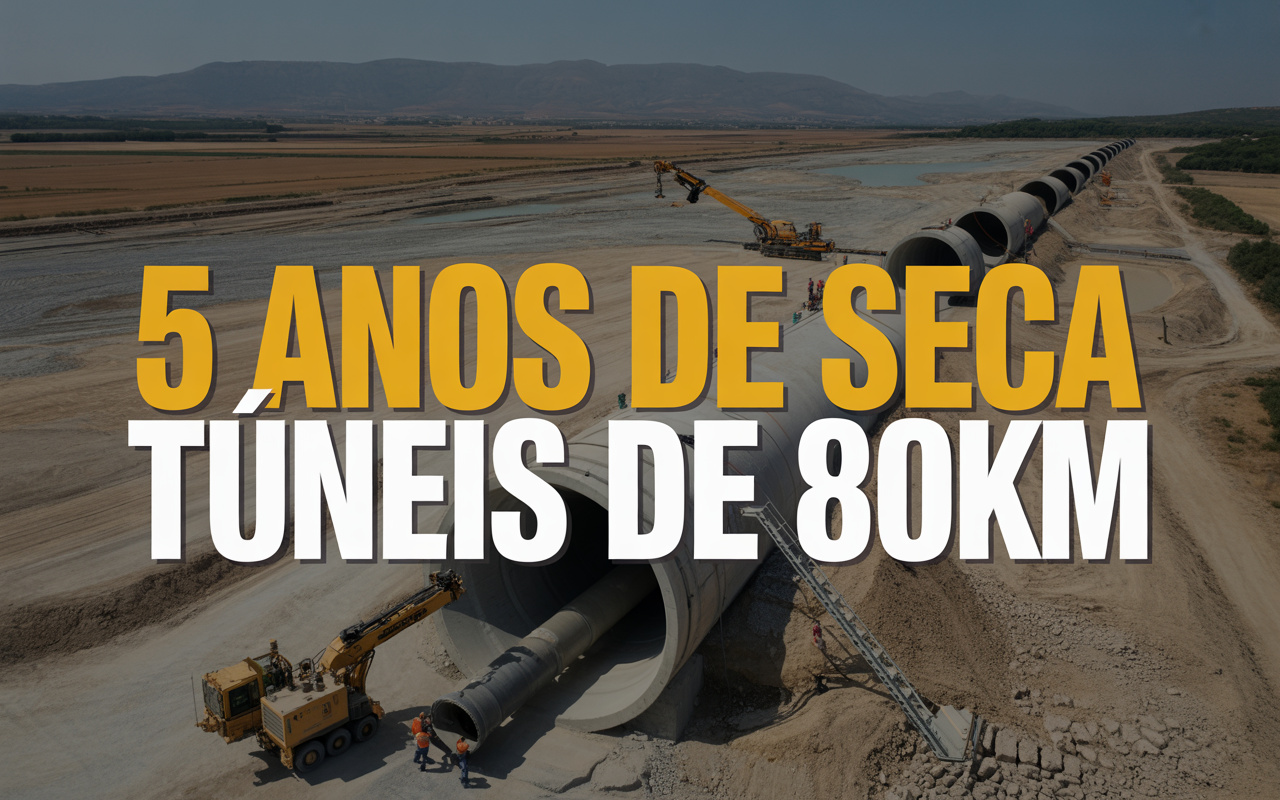
After Years of Extreme Drought, Billion-Dollar Projects in Southern Europe Divert Hundreds of Millions of m³ of Water Through Tunnels and Channels to Prevent Water and Agricultural Collapse.
Southern Europe has entered an unprecedented phase in its recent climatic history. What was once treated as drought cycles is now recognized by governments, scientists, and infrastructure operators as prolonged structural drought. In Mediterranean regions, especially on the Iberian Peninsula, the sequence of years with below-average rainfall has already surpassed five consecutive years in some basins, putting pressure on reservoirs, aquifers, agricultural production, hydroelectric generation, and even urban supply.
In this scenario, the response has ceased to be piecemeal. Instead of merely rationing water or waiting for rainier years, engineers have begun to execute large-scale works, comparable to energy megaprojects, to move water from where it still exists to where it has become critical.
The Heart of the Plan: Water Transfers Between Basins
The main focus of this strategy lies in inter-basin transfer, an old concept that has gained new dimensions with the climate crisis. In practice, entire river systems are interconnected by underground tunnels, open-air channels, pumping stations, and intermediate reservoirs.
-
Created by George Lucas with over $1 billion, a futuristic museum in the shape of a spaceship with 1,500 curved panels is about to open in Los Angeles and will house one of the largest private collections of narrative art in the world.

-
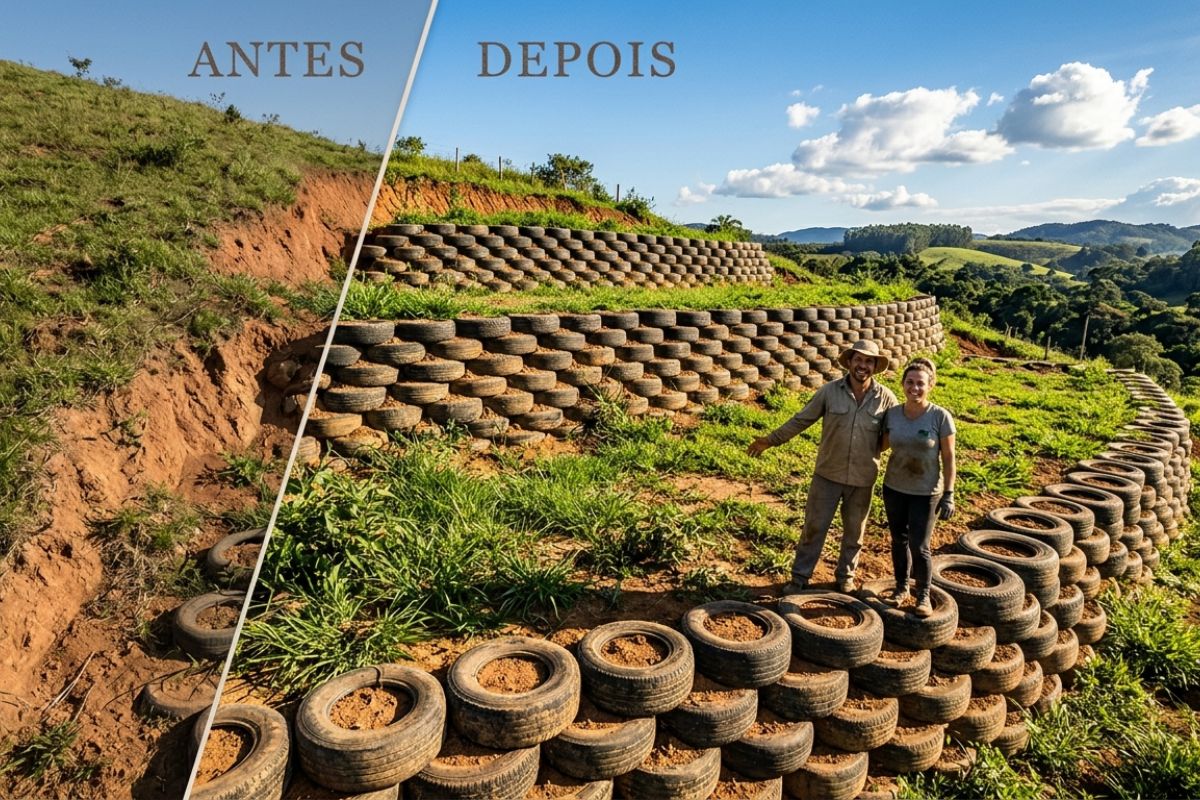
Couple shows how they built a retaining wall on their property using 400 old tires: sloped land turned into plateaus, tires are aligned, filled, and compacted with layers of soil, with grass helping in support and at almost zero cost.
-
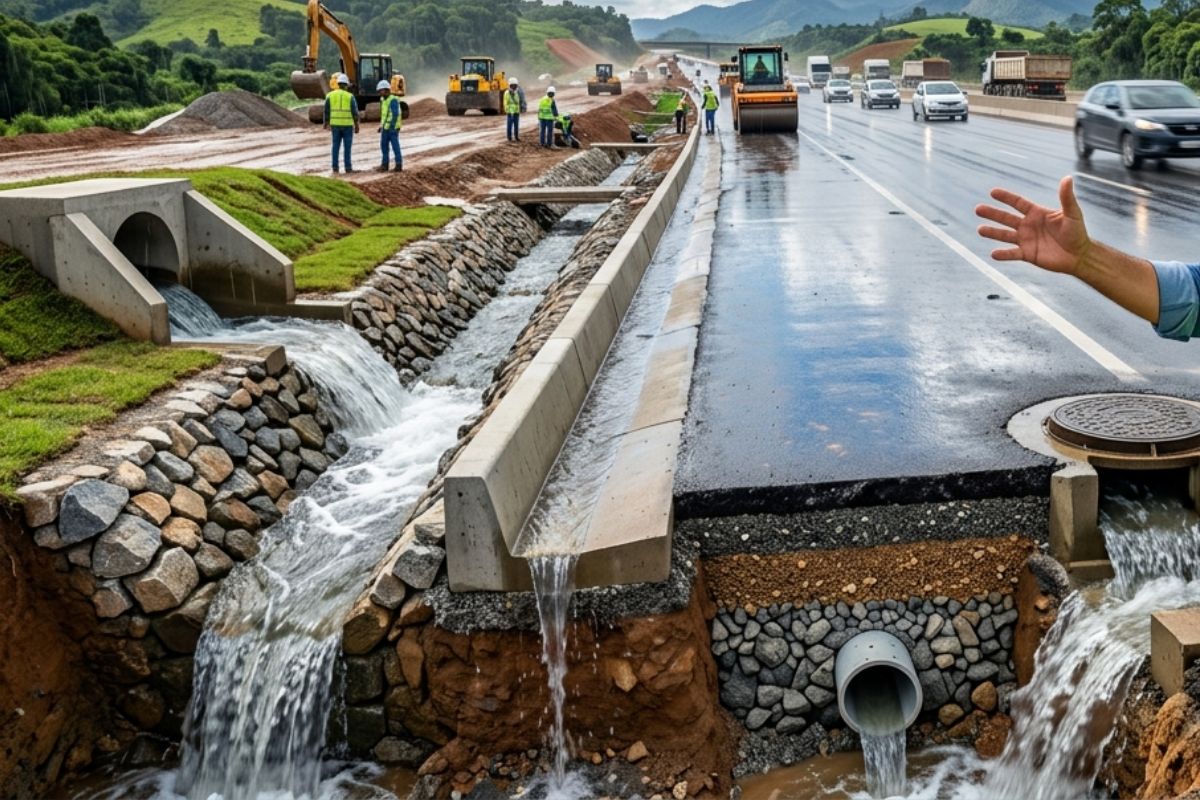
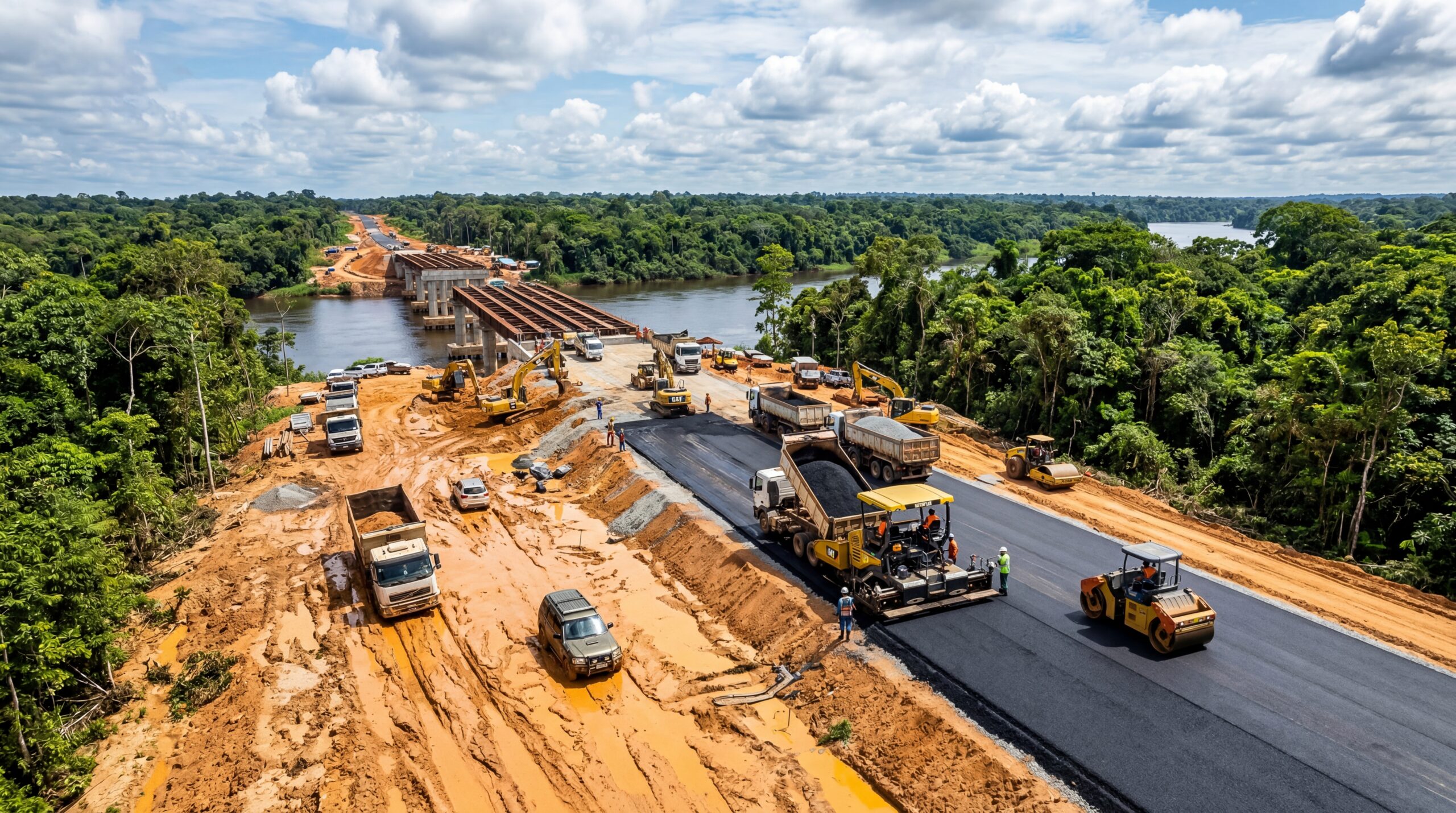
Engineer explains drainage during the rainy season: the difference between surface water and deep water, ditches, gutters, and water outlets on the road, as well as drains and drainage mattresses, to prevent erosion, aquaplaning, and flooding at the construction site today.
-
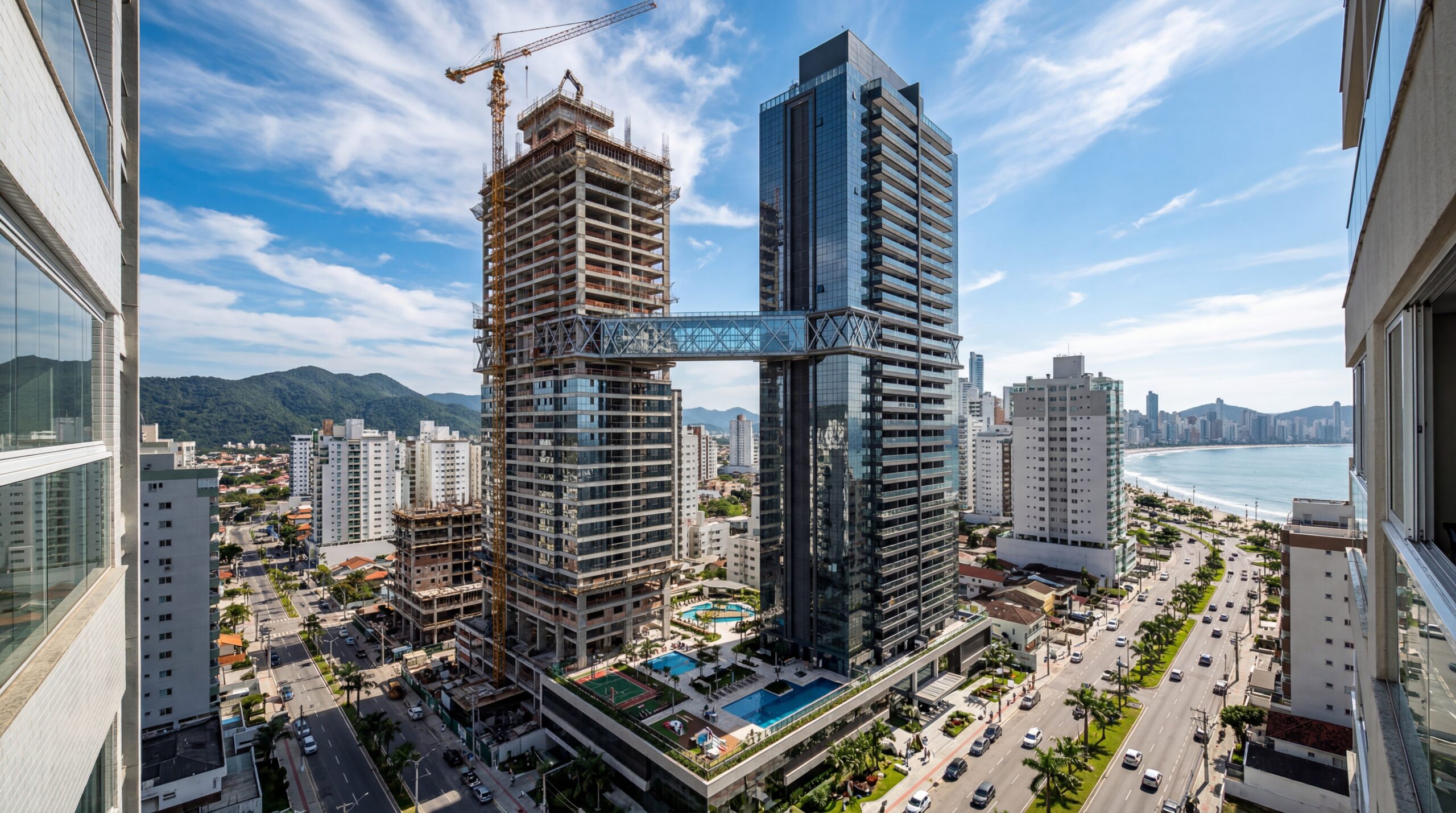
With 55 floors, 177 meters in height, a 15-meter walkway between the twin towers, ventilated facade, and 6,300 m² of leisure space, Ápice Towers already has one tower completed and another nearly at the top.

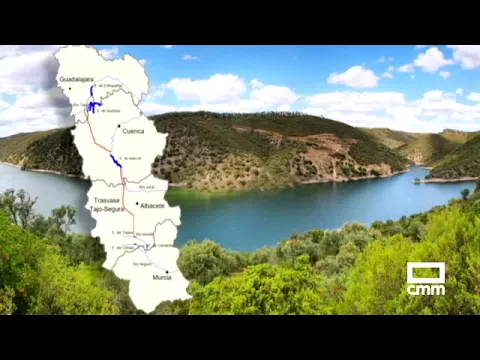

One of the most emblematic examples is in Spain, where projects like Tajo–Segura and its complementary systems allow for the annual diversion of hundreds of millions of cubic meters of water from northern-central basins to arid regions in the southeast of the country.
In years of full operation, the volumes transferred can exceed 500 million m³ per year, supporting intensive agriculture, coastal cities, and industrial hubs.
To enable this displacement, tunnels exceeding 70 to 80 km in length have been excavated, crossing entire mountain ranges, with pressure control systems, safety valves, and real-time structural monitoring.
Underground Engineering to Move Water on a Continental Scale
Excavating tunnels of this scale for water is not trivial. Unlike road or rail tunnels, water systems require precise control of gradient, internal erosion resistance, special coatings, and solutions to prevent losses from infiltration.

The projects utilize high-durability concrete, polymer coatings, and sensors distributed along the trajectory to detect micro-leaks, pressure variations, and geological instabilities. In some sections, water travels tens of kilometers without pumping, using only gravity; in others, enormous lifting stations consume energy comparable to that of small cities.
The accumulated cost of these infrastructures has already reached billion euros, encompassing excavation, maintenance, electricity, and environmental compensations.
Intensive Agriculture Depends Directly on These Tunnels
The magnitude of the problem becomes clear when observing the impact in the field. Agricultural regions in southern Europe — responsible for a large part of the production of fruits, vegetables, olive oil, and vegetables exported to the continent — would simply not exist in the current model without transferred water.
In areas of southeastern Spain, for example, over 70% of agricultural irrigation directly or indirectly depends on these works. It is estimated that millions of tons of food each year are linked to the continuity of these transfers. A collapse in the system would not only mean local loss but also a direct impact on prices and food security for several European countries.
Desalination Enters as a Strategic Complement
Even with tunnels and channels, transferred water is no longer sufficient in extreme years. Therefore, projects have begun to integrate mega desalination plants, especially along the Mediterranean coast.
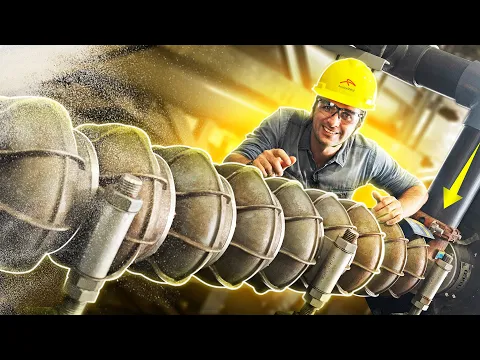
These plants produce water from the sea but at a high energy cost. In some complexes, desalination accounts for 20% to 40% of the available water for certain regions during critical years. The desalinated water is then mixed with the transferred freshwater, reducing costs and environmental impacts.
The hybrid model — transfer + desalination + treated water reuse — has become the backbone of the water strategy in southern Europe.
Direct Impact on Energy Generation
The water crisis affects not just taps and crops. Emptier reservoirs reduce the capacity for hydroelectric generation, forcing greater use of thermal plants or energy imports. In recent years, some Mediterranean countries have recorded declines of more than 30% in hydropower generation, raising costs and emissions.
The water transfers help stabilize minimum levels in strategic reservoirs, safeguarding not only supply but also energy security.
Political Tensions and Regional Disputes
Moving water is never just a technical decision. Donor regions often contest the diversions, claiming environmental risk and local harm. In southern Europe, conflicts among communities, regional governments, and economic sectors have intensified.
There are debates about maximum transfer limits, climatic criteria, financial compensations, and usage priorities. In times of severe drought, decisions to open or close sluices become national political issues, with electoral impact.
Despite the controversies, these projects have become a global reference. Countries in the Middle East, North Africa, Australia, and even regions of the United States closely follow the European experience, especially the integration of heavy engineering, water management, and climate adaptation.
The technical consensus is clear: there is no one-size-fits-all solution. Water survival involves combining transfer, desalination, reuse, agricultural efficiency, and changes in urban habits.
When Water Becomes Treated as Critical Infrastructure
What is happening in southern Europe reveals a profound paradigm shift. Water has ceased to be just a natural resource and has begun to be treated as strategic infrastructure, comparable to highways, pipelines, and electrical networks.
Excavating tunnels of dozens of kilometers to move hundreds of millions of cubic meters per year is not a trivial choice; it is a sign that the climate has changed faster than traditional models predicted. And, to avoid economic, social, and energy collapse, countries have begun to literally rebuild the geography of water under their own territories.







-

-

-

-

-

37 pessoas reagiram a isso.