





 Portuguese
  English
  Spanish
  4 min of reading
  0 comments



Mark Zuckerberg Is Betting Big Again on the Future of Smart Glasses. According to Meta’s CEO, these devices could replace smartphones, bringing a new form of digital interaction. The next generation is already in development and will feature advanced augmented reality and gesture control, indicating the direction of the next technological revolution.
Mark Zuckerberg is convinced that smart glasses will replace smartphones. For him, it will soon be possible to access messages, maps and even interact with artificial intelligence without taking the phone out of your pocket — because it will no longer be necessary.
This vision of the future could start to materialize later this year, with the launch of the next generation of smart glasses from Meta.
Internally known as Hypernova, the new model from the partnership with Ray-Ban promises advanced features, such as an augmented reality display visible only to the user and gesture control.
-
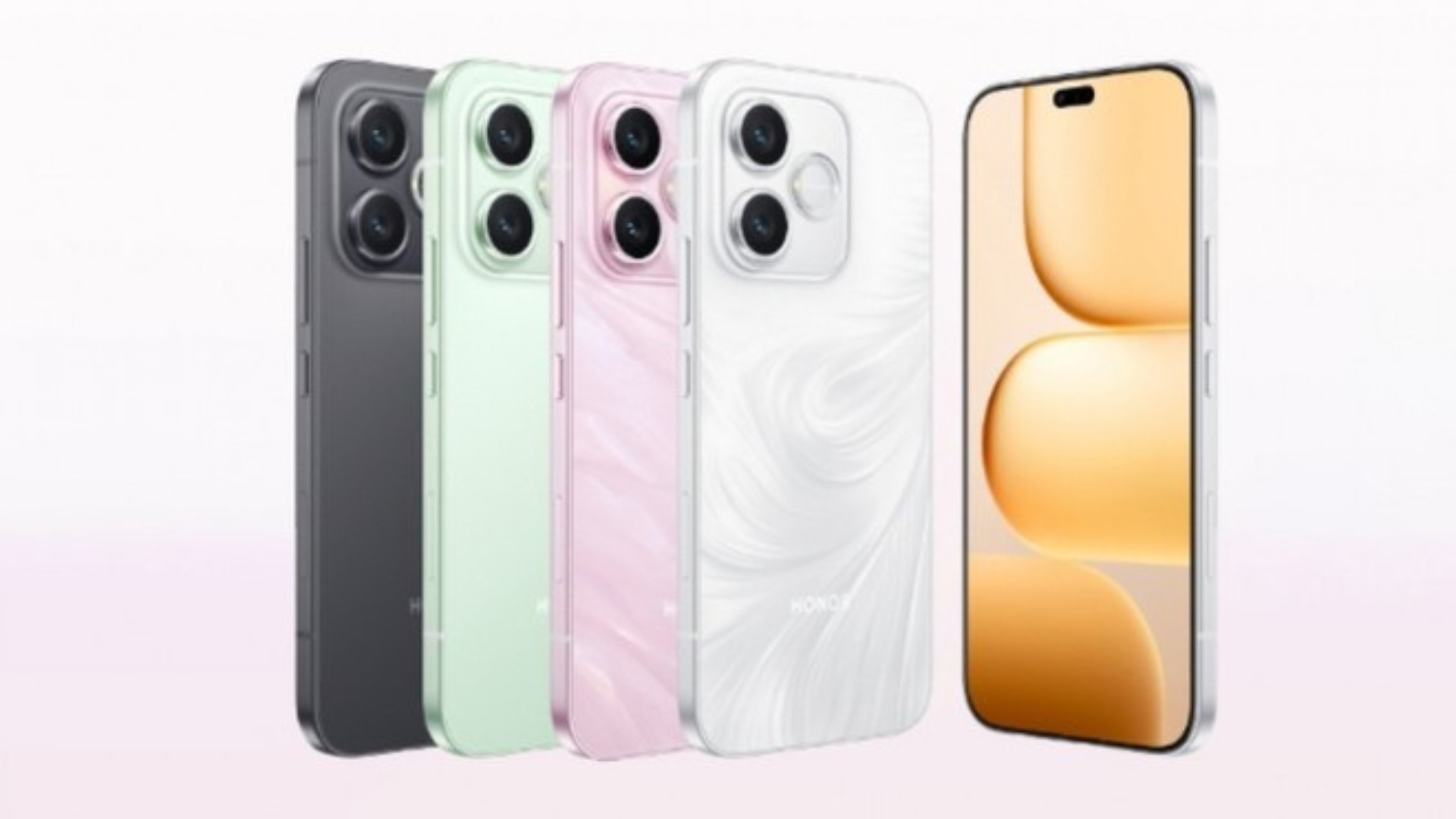
HONOR X80i arrives with a massive 7,000 mAh battery, a 120 Hz AMOLED display with a brightness of 6,500 nits, and the new Dimensity 6500 Elite chip, promising up to 22 hours of video playback and impressive performance in casual gaming.
-
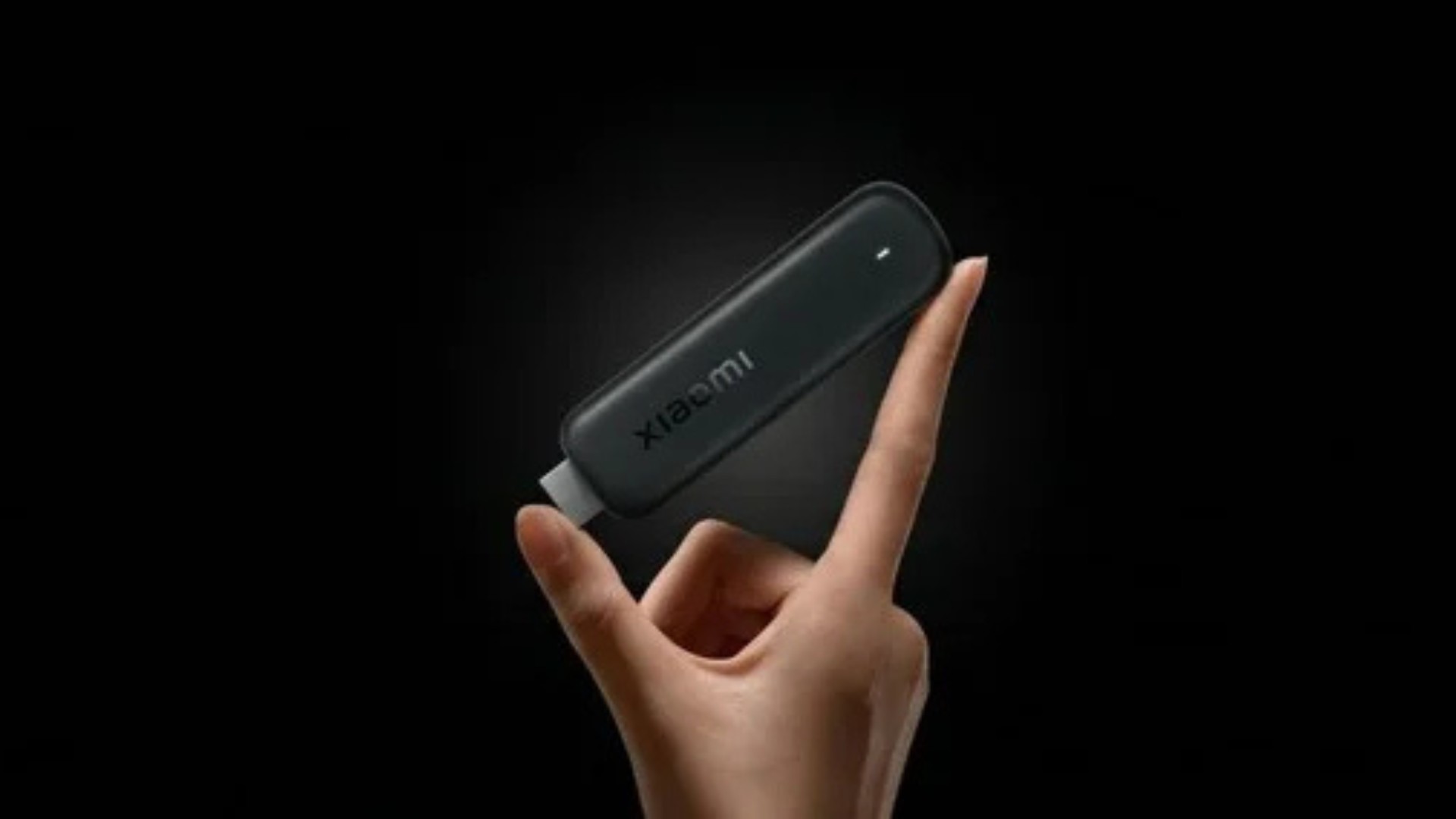
Xiaomi TV Stick HD 2 is announced with Google TV and dual-band Wi-Fi, offering 38% superior performance, HDR10+, Dolby Atmos, a quad-core chip, Mali-G31 GPU, 1 GB RAM, and support for 1080p at 60 Hz.
-
Brazil joins the select group of countries by producing a supersonic fighter that reaches 2,400 km/h with advanced electronic warfare technology, US$ 4 billion in investments, 36 units planned, 350 trained engineers, and unprecedented national production by 2032.

-
At the bottom of the sea, scientists have found a true underwater cathedral measuring 62 meters at the base, 31 meters at the top, and 1,347 square meters of giant coral in the Maug Islands, estimated to be 2,050 years old.


The goal is ambitious: to transform the accessory into a real alternative to the smartphone.
Meta is expected to launch a new premium version of its Ray-Ban smart glasses later this year. The model, internally called Hypernova, promises significant changes. The main one: an integrated augmented reality display, visible only to the user.
Display, Gesture Control, and Higher Price
According to information published by Bloomberg, the display will be placed in the right lens. It will allow users to see notifications, open photos, and even use apps like Google Maps. All of this can be controlled by gestures or by tapping the sides of the frame.
The glasses are expected to have an initial price of around US$ 1,000. In some models, this value could reach US$ 1,400. Today, the simplest Ray-Ban Meta glasses cost between US$ 300 and US$ 380.
In addition to the display, the premium model is expected to include hardware improvements. A larger sensor will be added, which could enhance image quality.
Even so, physical button controls will remain in place. The built-in camera and speakers will also be present in the new models. To adjust the volume, the user can swipe their finger along the side of the right earpiece.

New Interface and Qualcomm Chip
The Hypernova will feature a different interface from the current version. A new home screen will bring a bar with horizontal icons. Among the planned apps are camera, gallery, maps, and artificial intelligence.
Another important point is the chip. The new model will use a Qualcomm processor and will run a modified version of the Android system. This will make it possible to receive notifications from apps like Messenger and WhatsApp directly on the glasses.
Despite the updates, the new Ray-Bans are expected to maintain integration with the Meta View app. It is through this app that users transfer photos, for example. However, the app has been criticized for being impractical, which could be an obstacle.
Software Issues Persist
Meta is still facing difficulties with the software for its glasses. The Meta View app relies heavily on mobile operating systems, especially Apple’s iOS. This limits the functionality of the glasses in some cases.
Mark Zuckerberg himself has complained about these restrictions. He stated that they hinder the development of features and directly affect the performance of the devices. If these issues are not resolved, the Hypernova could end up repeating the failures of previous models.
Despite the challenges, Meta continues to invest in smart glasses. The company is expected to launch new models in 2025. Among them, a line with Oakley brand lenses targeted at athletes. These special glasses are also expected to hit the market later this year.
In addition, the successor to the Hypernova is already in development. Codenamed Hypernova 2, the new model may feature two displays and is set to be unveiled in 2027, according to leaks.
There is an expectation that the current Hypernova will be announced during Meta Connect, the company’s annual conference.
Mark Zuckerberg Claims Smart Glasses Could Replace Smartphones
Mark Zuckerberg, CEO of Meta, stated last year that smart glasses could replace smartphones in the future. During events and interviews, he explained that Meta is heavily investing in this technology, believing it could become the primary form of digital interaction by 2030.
According to him, the glasses will allow users to access information, communicate, and even interact with the virtual world without needing to look at a traditional screen.
Zuckerberg believes this new form of technology will be more social and natural, bringing people closer together instead of isolating them as smartphones do.
However, he acknowledges that there are challenges ahead: the glasses need to be lightweight, affordable, and ensure privacy. Even so, he bets that, in a few years, many of the functions currently performed on smartphones could be transferred to these wearable devices.








Seja o primeiro a reagir!