





 Portuguese
  English
  Spanish
  4 min of reading
  0 comments


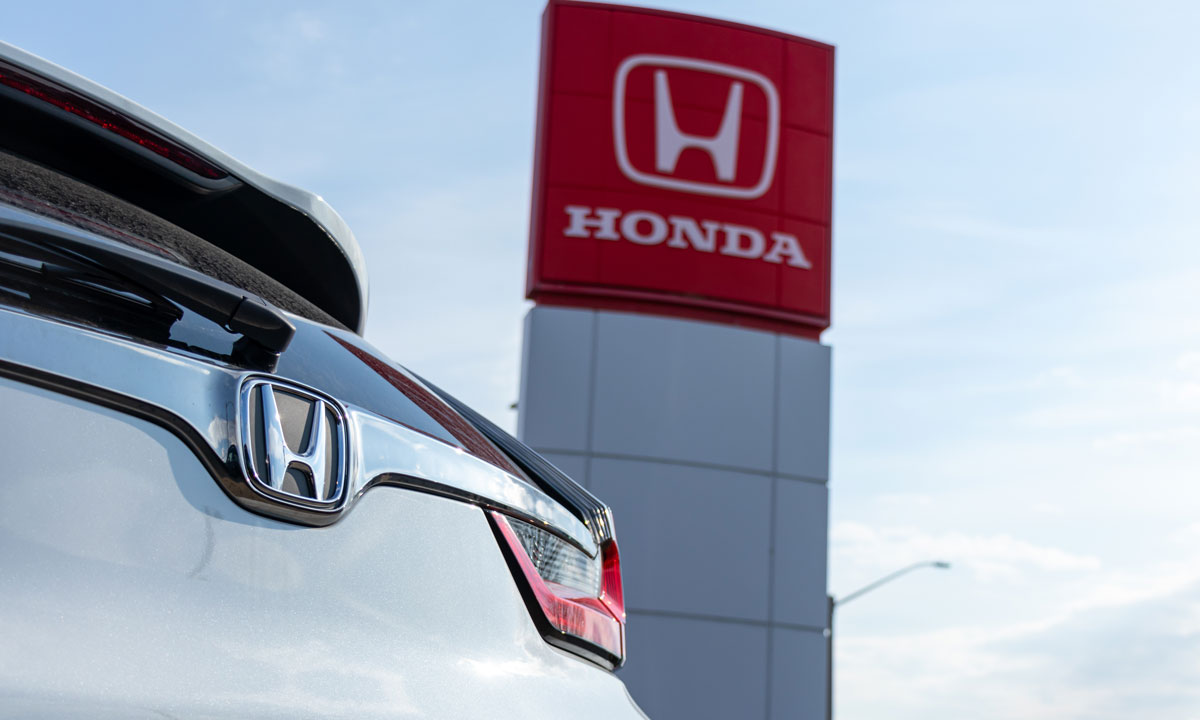
Billion-Dollar Loss with Electric Vehicles Leads Japanese Automaker to Revise Goals, Cut Investments, and Prioritize Hybrids Amid Decline in Global Sales and Regulatory Changes in Key Markets.
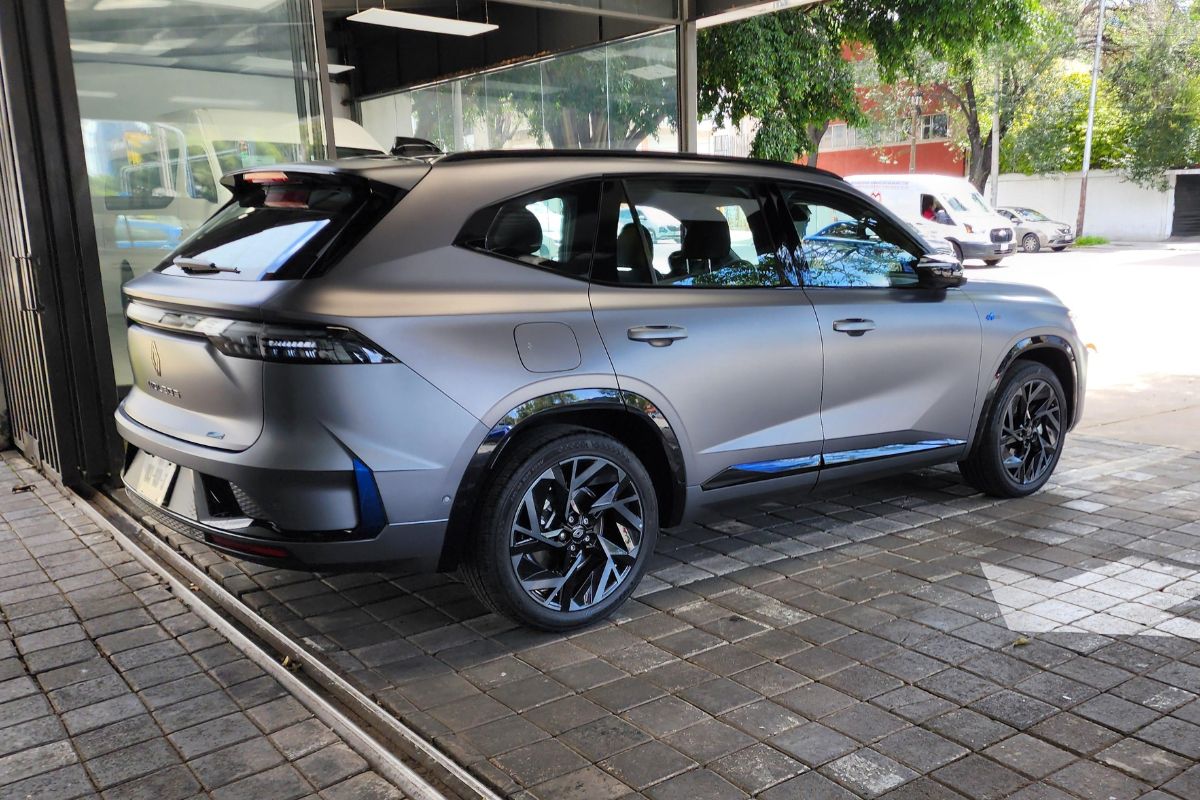
Honda reported billion-dollar losses in its electric vehicle division and announced a review of its goals and investments allocated to the segment.
In the first nine months of the fiscal year ending December 2025, the automaker accounted for 267.1 billion yen in accounting write-downs and extraordinary charges related to electrification, equivalent to about US$ 1.71 billion, roughly R$ 9.1 billion.
The impact intensified in the third quarter when new losses of 43.4 billion yen were recognized.
-
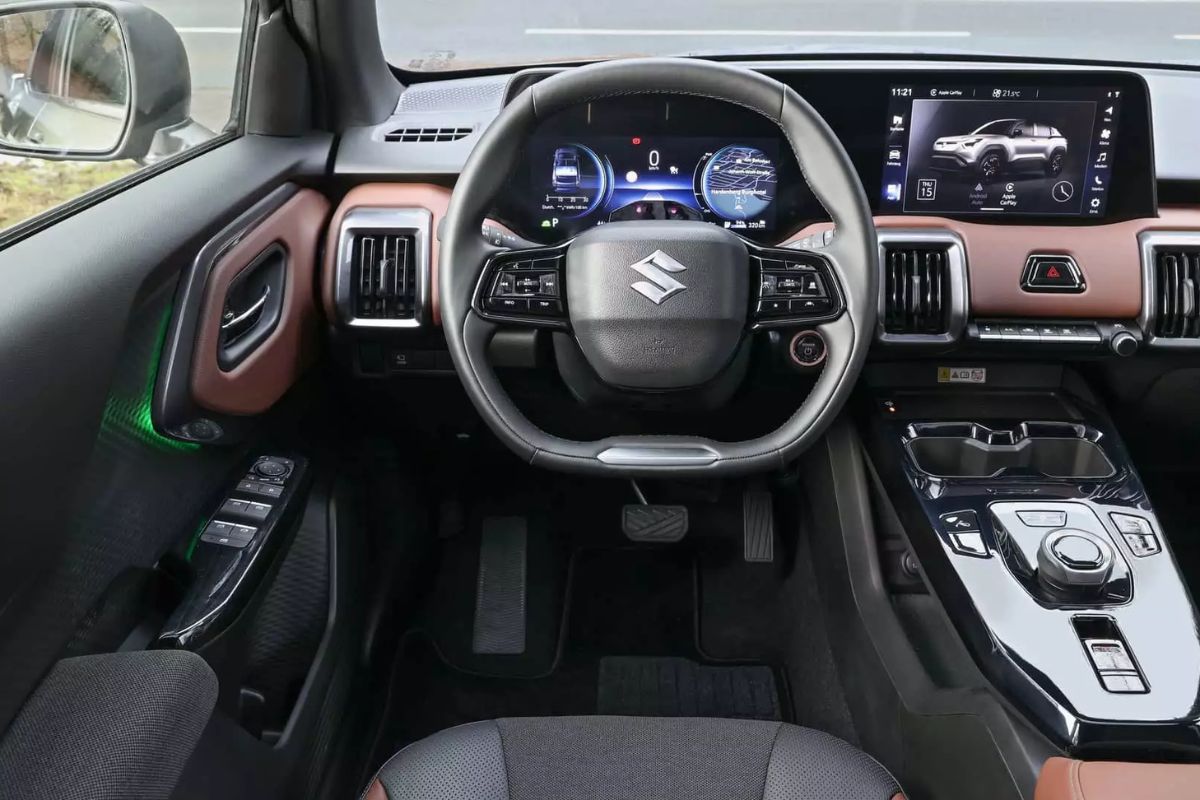
The 2026 electric Vitara arrives in Brazil and proves that Suzuki is not leaving: 4×4 traction, 184 hp, 61 kWh LFP battery, 293 km range, R$ 259,000, and a trunk capacity of 224 L.
-
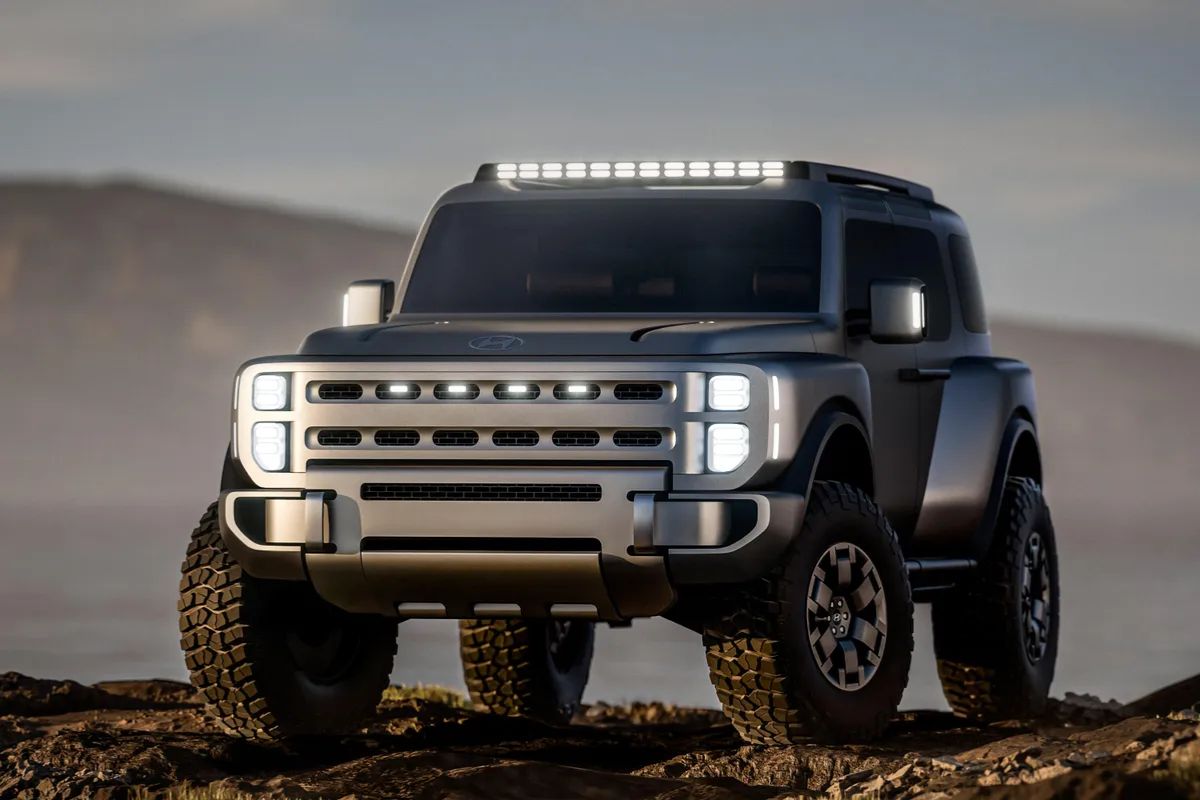
Hyundai has unveiled the Boulder, a square SUV with a body-on-frame design, 37-inch mud tires, and carriage-style doors that seems to be made to take on the Ford Bronco and the Scout Traveller in the United States.
-
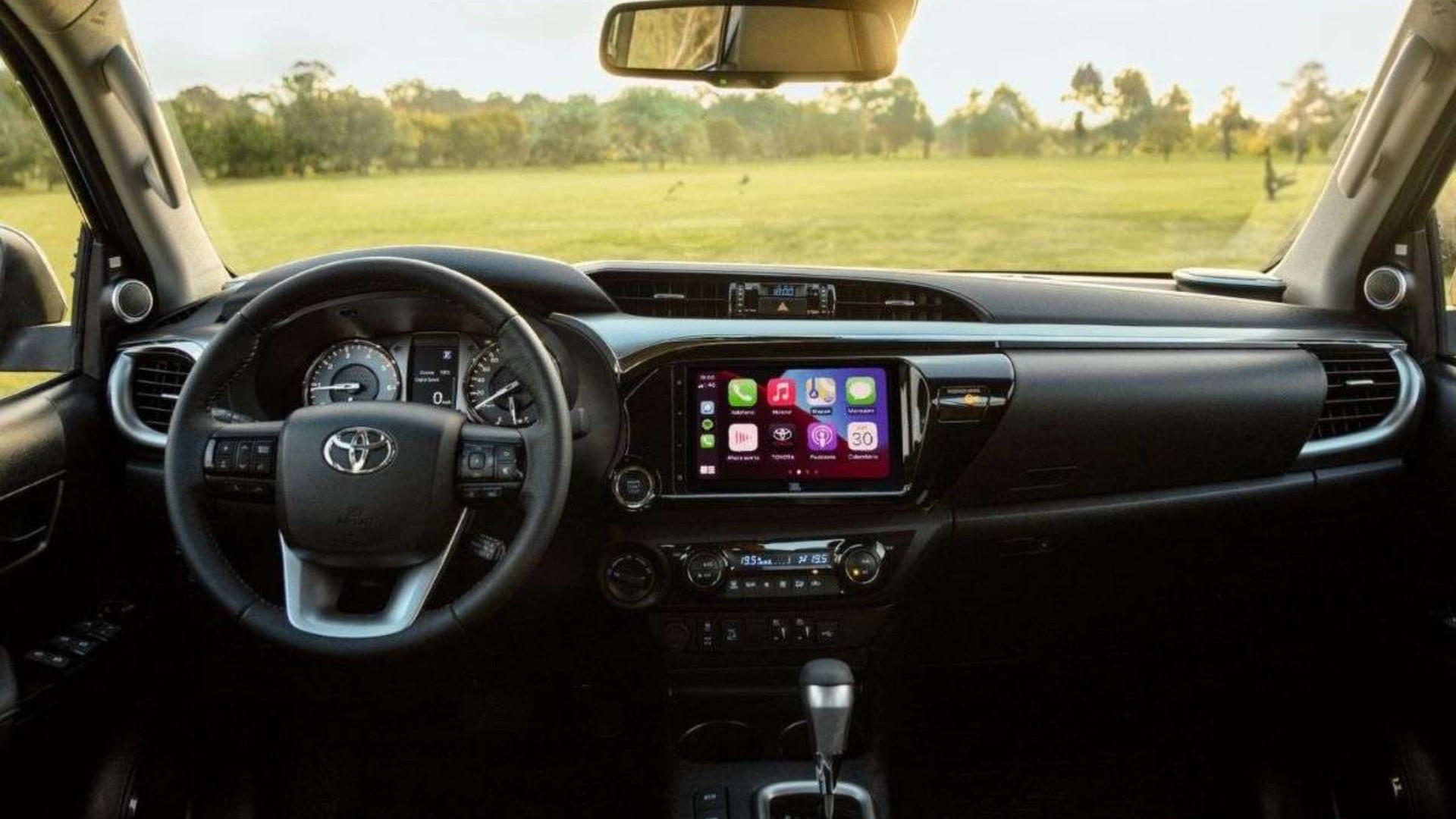
The Toyota Hilux is R$ 75.5 thousand cheaper and bets on the 2.8 turbodiesel engine with up to 204 hp and 50.9 kgfm to catch up with the VW Saveiro, which leads with 4,472 sales.
-
The new Renault Koleos has a screen exclusively for the passenger that is invisible to the driver, heated rear seats, and 29 assistance systems, but its Chinese competitors cost R$ 40,000 less and deliver more power.

In the six-month aggregate, the negative result was already approaching US$ 1.5 billion.
Considering only the operational losses related to electrics in the first three quarters, the total exceeds US$ 1 billion.
For the full fiscal year, set to end in March 2026, the projection is nearly US$ 4.48 billion, not including about US$ 2 billion related to tariffs in the United States.
In this scenario, the consolidated operating profit for the third quarter fell by 61%.
In a statement, Executive Vice President Noriya Kaihara stated that the company needs to undertake a “fundamental review” to rebuild its competitiveness.
In the market, the numbers reflect the slowdown.
Global electric vehicle sales fell from 30,000 to 15,000 units in the last quarter.
In the same period, Toyota reported having sold 63,000 electric vehicles, a volume higher than the previous period.
Partnership with GM and Impact in the United States
Part of the losses is linked to the strategy adopted in the North American market in partnership with General Motors.
The agreement provided for the development of the electric SUVs Honda Prologue and Acura ZDX based on the American automaker’s Ultium platform.

In the last quarter, Prologue sales totaled 2,641 units, an 86% decrease compared to the previous period.
The decline occurred in a context of changes in federal incentive policies in the United States, which affected the final price to the consumer.
The Acura ZDX, in turn, was discontinued after one fiscal year, with a total of 19,411 units sold.
The reduction in orders to GM led to contractual adjustments, and Honda reported that it would need to compensate the partner for unused production capacity.
To sustain the volume of the Prologue, the company increased commercial incentives.
In January, the average discounts exceeded US$ 17,000 per unit.
During the same period, the CR-V hybrid received average incentives of about US$ 2,500, according to data released by the company itself.
The automaker also acknowledged that its fleet sales channel has not progressed at the same pace as its competitors, a segment considered important for the expansion of electric vehicles.
Review of Goals and Reduction of EV Production
In light of the deteriorating results, Honda revised its production plan.
The previous goal of reaching 2 million electric vehicles per year by 2030 has been reduced to a range between 700,000 and 750,000 units.
Projects for new electric SUVs have been postponed or canceled.
The company attributes part of the revision to regulatory and tariff changes in the United States, including the elimination of federal tax credits for electric vehicles and the adoption of new tariffs.

Additionally, the growth rate of the global electric market fell below the company’s expectations, leading to a reassessment of the investment schedule.
Hybrids Gain Priority in the Global Strategy
With the strategic review, hybrid vehicles have become central to the automaker’s planning.
The established goal is to achieve 2.2 million hybrid units sold annually by 2030.
The introduction of a new generation of hybrid technology, featuring more advanced driver assistance systems, is planned for 2027.
In the last quarter, Honda sold 230,000 hybrids worldwide, a volume similar to that recorded in the same previous period.
In total, total car sales fell by 15%, totaling 881,000 units.
North America accounted for 355,000 vehicles, an 18% decrease.
In Japan, sales fell by 4.4% to 152,000 units.
Europe registered 18,000 vehicles sold, a number slightly higher than the previous year.
Although it has reduced its electric goals, Honda continues to develop its own “Series 0” platform.
The launch of an electric SUV and a sedan with this architecture is planned for 2026.
The fully electric Acura RSX crossover, planned for the end of 2025, also remains on the schedule.
The company reported that a new detailed plan for electrification will be presented after April 1, 2026.
Automotive Industry Also Adjusts Investments in EVs
The strategic review occurs amidst similar adjustments in the industry.
The Ford Motor Company announced restructuring in its electric vehicle division after reporting significant losses in the segment.
Meanwhile, Toyota has been expanding its hybrid offerings while maintaining gradual investments in fully electric models.
In China, where electric vehicles represent over 40% of new car sales, foreign manufacturers compete for space with local groups like BYD.
In the United States, changes in incentives and tariff policies have impacted pricing dynamics.
In Europe, the gradual reduction of subsidies also influences the profitability of the segment.
Honda had previously announced the goal of ending the production of internal combustion engines by 2040.
With the current revision, the company maintains its long-term commitment but adjusts the pace of electric expansion and reinforces its focus on hybrids.








-

-

-

-

-

20 pessoas reagiram a isso.