





 Portuguese
  English
  Spanish
  4 min of reading
  0 comments


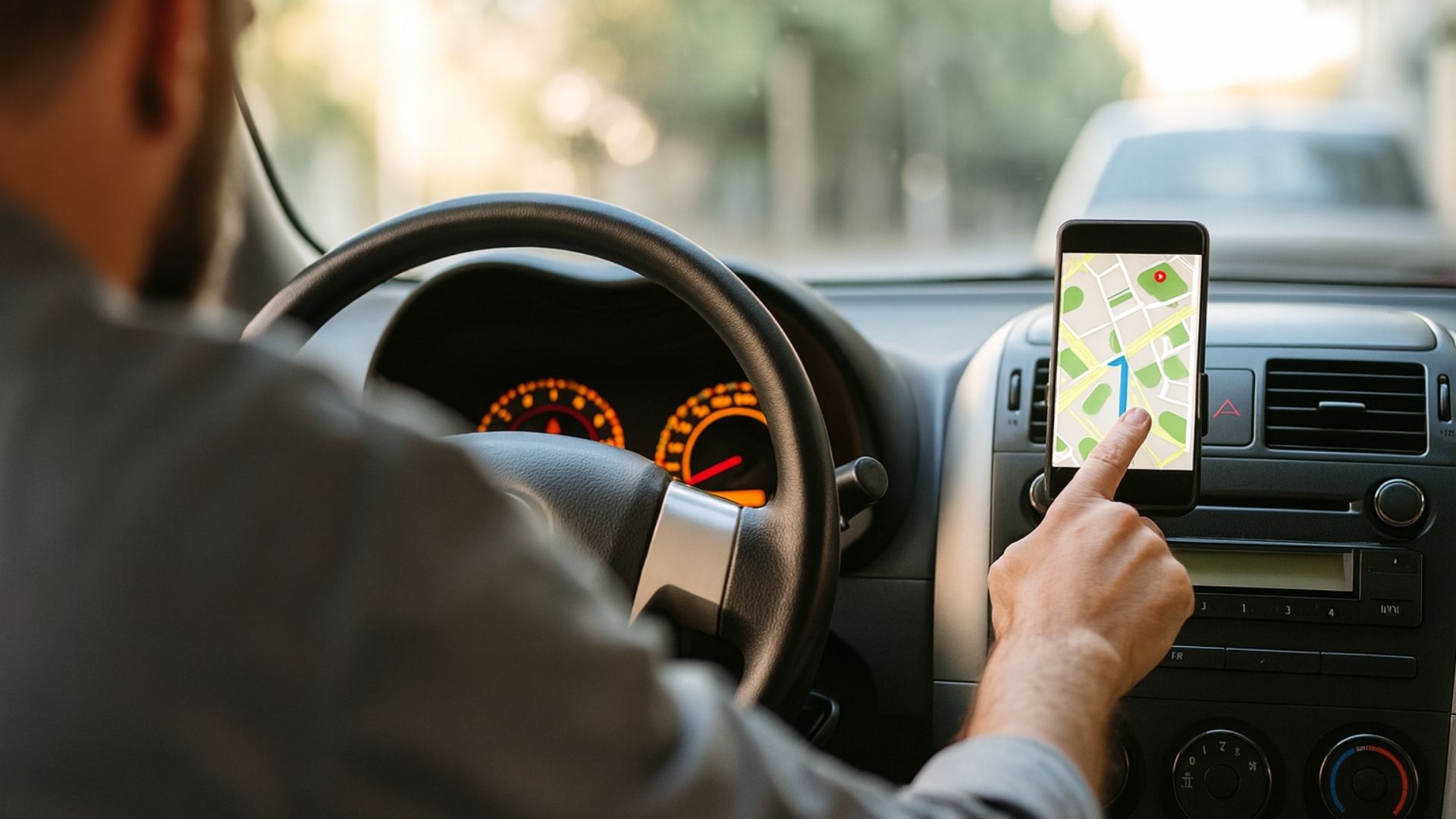
With the professionalization of app-based transportation, a new digital “toolbox” dominates the dashboard of cars. These are apps that organize finances, reduce fuel expenses, indicate parking spots in real-time, avoid fines, and increase safety.
The For Driver, created by the Pernambucan NERD, is one of these pillars. The app allows users to set daily goals, manage multiple vehicles, and record income and expenses, providing monthly and annual reports so that drivers can clearly see how much comes in, how much goes out, and where to adjust their earnings route.
To save on fueling, Completaí shows the nearest gas stations and allows sorting by price or distance, with filters for brand and type of fuel. On the map, the driver can chart the route on their favorite GPS and can favorite the best spots, a simple habit that, over weeks, results in real differences in cost per kilometer.
-
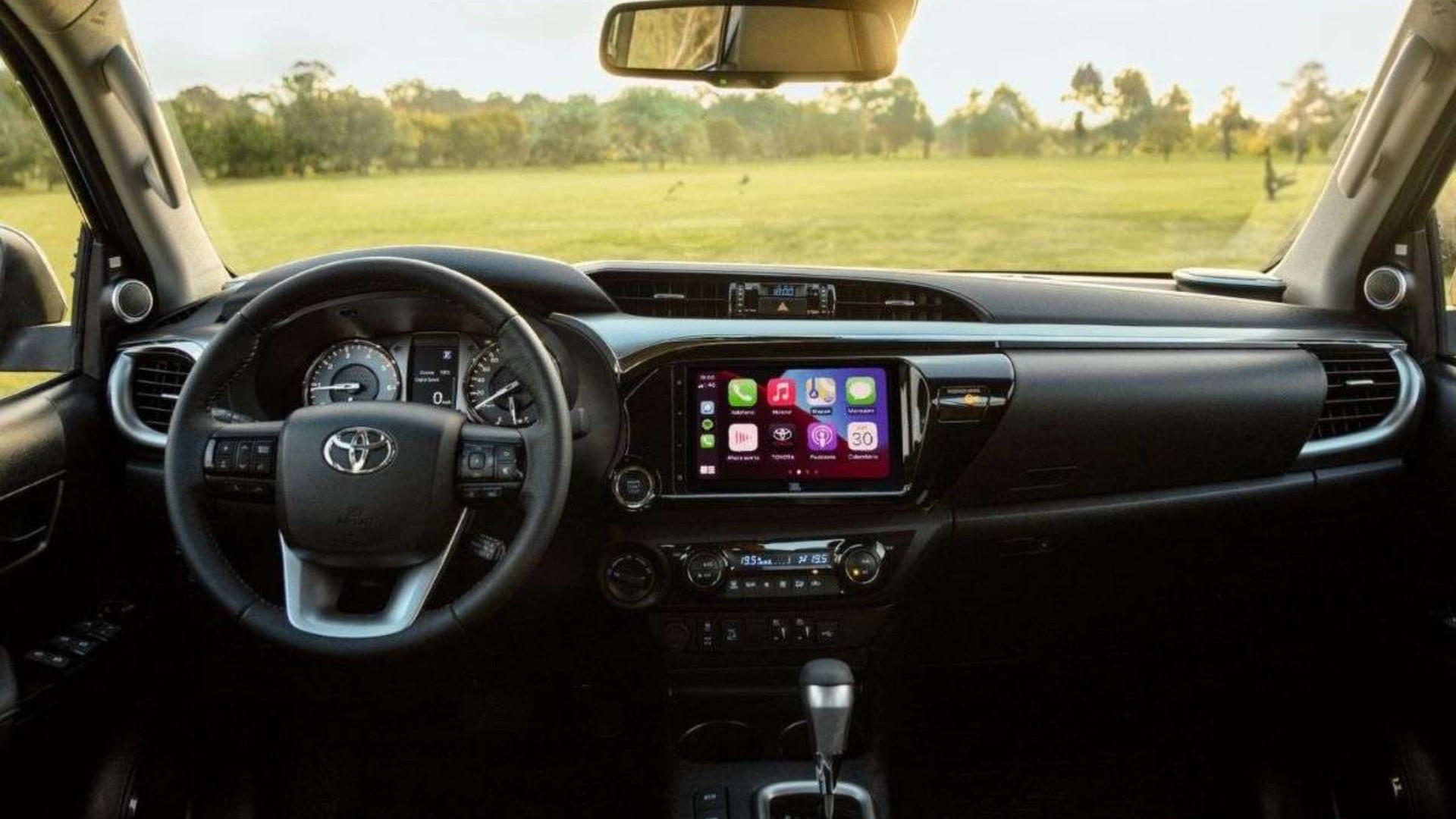
The Toyota Hilux is R$ 75.5 thousand cheaper and bets on the 2.8 turbodiesel engine with up to 204 hp and 50.9 kgfm to catch up with the VW Saveiro, which leads with 4,472 sales.
-
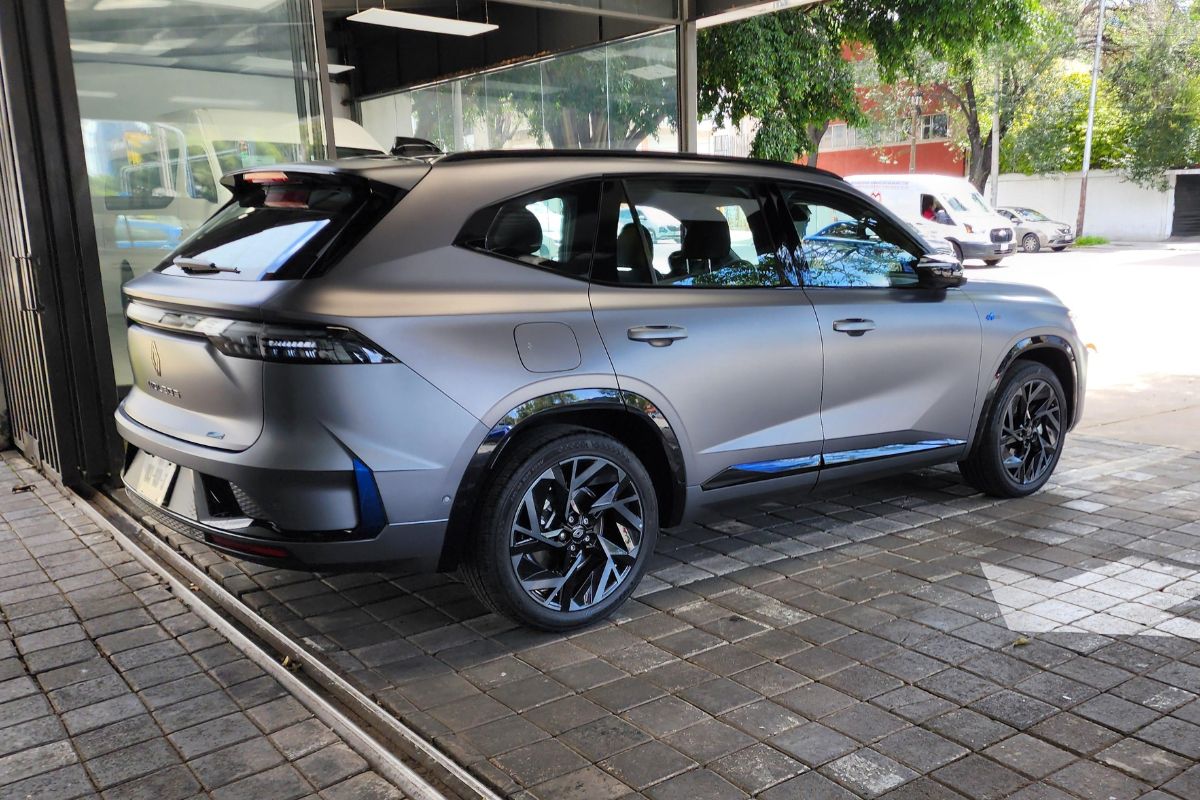
The new Renault Koleos has a screen exclusively for the passenger that is invisible to the driver, heated rear seats, and 29 assistance systems, but its Chinese competitors cost R$ 40,000 less and deliver more power.
-
The car stored for 38 years: when opening the barn door, what appears is breathtaking and looks like a scene from a movie!

-
Fiat works miracles in the Brazilian market, lowers the price of its 0 km hatch to R$ 69,990, reestablishes the model as the cheapest car in the country, and reignites the battle against Kwid and C3.

In car management, Drivvo (a project by Cristian Cardoso) records everything: fuel, maintenance, insurance, and service reminders (such as oil changes). Daily, monthly, and annual reports help compare prices among gas stations, identify consumption outliers, and anticipate expenses that used to “catch you off guard.”
Safety and ride screening received a boost with StopClub (launched in 2017). Among its features are daily and per-kilometer earnings calculations, ride recordings, location sharing, and connection with other drivers.
The highlight is seeing how much the ride pays before accepting and even setting up automatic refusal for offers below a defined minimum, a practical way to protect working hours.
Also focused on protection, rebU operates as a collaborative network with more than 130,000 drivers and 4,000 security groups.
The app issues Risk Alerts when approaching dangerous areas, shows direction, distance, and risk level based on community voting, and lists hot regions for rides, stations with CNG, free restrooms, and thefts in the last 24 hours.
The premium version (R$ 14.90) aims for a direct return on income: “PREMIUM users of rebU earn an average of R$ 6,987 more per year,” claims the platform.
Finding legal and cheap parking has also become data science. Parkopedia gathers information on more than 90 million spots in 20,000 cities, with real-time availability in 4,000 of them. In places where drivers need to wait for passengers, the app avoids fines and towing, informs prices, and even enables online payment via mobile or directly in the car.
At the wheel, real-time navigation continues with the most popular duo. Waze uses collective intelligence to recalculate routes based on accidents, roadworks, and traffic, alerts about speed cameras, and finds stations with the best prices.
Google Maps combines routes for cars, motorcycles, bicycles, walking, and public transport, in addition to Street View, offline maps, and integration with Android Auto and Apple CarPlay, a combination that helps plan shifts, anticipate delays, and choose alternatives accurately.
For those wanting a GPS with features for professional drivers, TomTom GO adds 3D buildings (useful in areas like Pinheiros or Vila Olímpia), lane guidance, speed alerts and cameras, real-time traffic statistics, and downloadable maps for offline use, valuable in areas with poor coverage.
Wrapping up the prevention package against fines, Radarbot detects fixed and mobile speed cameras and traffic lights with cameras based on an always-updated collaborative database, giving time to adjust speed and protect your wallet.
The ecosystem of apps also connects with travel platforms beyond the giants. Wappa (corporate focus, operates with licensed taxi drivers), inDrive (“Real-Time Offers,” where the passenger proposes the price, marks 33 million downloads and 1 million drivers in Brazil), Maxim (rides at lower prices and reduced fees for partners), and Lady Driver (rides made by and for women, with 1.5 million downloads, operating in 110+ cities and 80,000 registered drivers) demonstrate that there are expanding niches and alternative models.
In the end, the logic is simple: combining financial planning (For Driver/Drivvo), street safety (rebU/StopClub), legal parking (Parkopedia), and smart navigation (Waze/Google Maps/TomTom GO/Radarbot) creates a productivity “autopilot.”
In a market with tight margins, those who measure, compare, and automate small decisions—the cheapest station, the ride that’s worth it, the area to avoid, the right spot to wait—tend to arrive first at the same destination: more good rides, fewer risks, and recurring profit at the end of the month.







-

Uma pessoa reagiu a isso.