





 Portuguese
  English
  Spanish
  4 min of reading
  0 comments


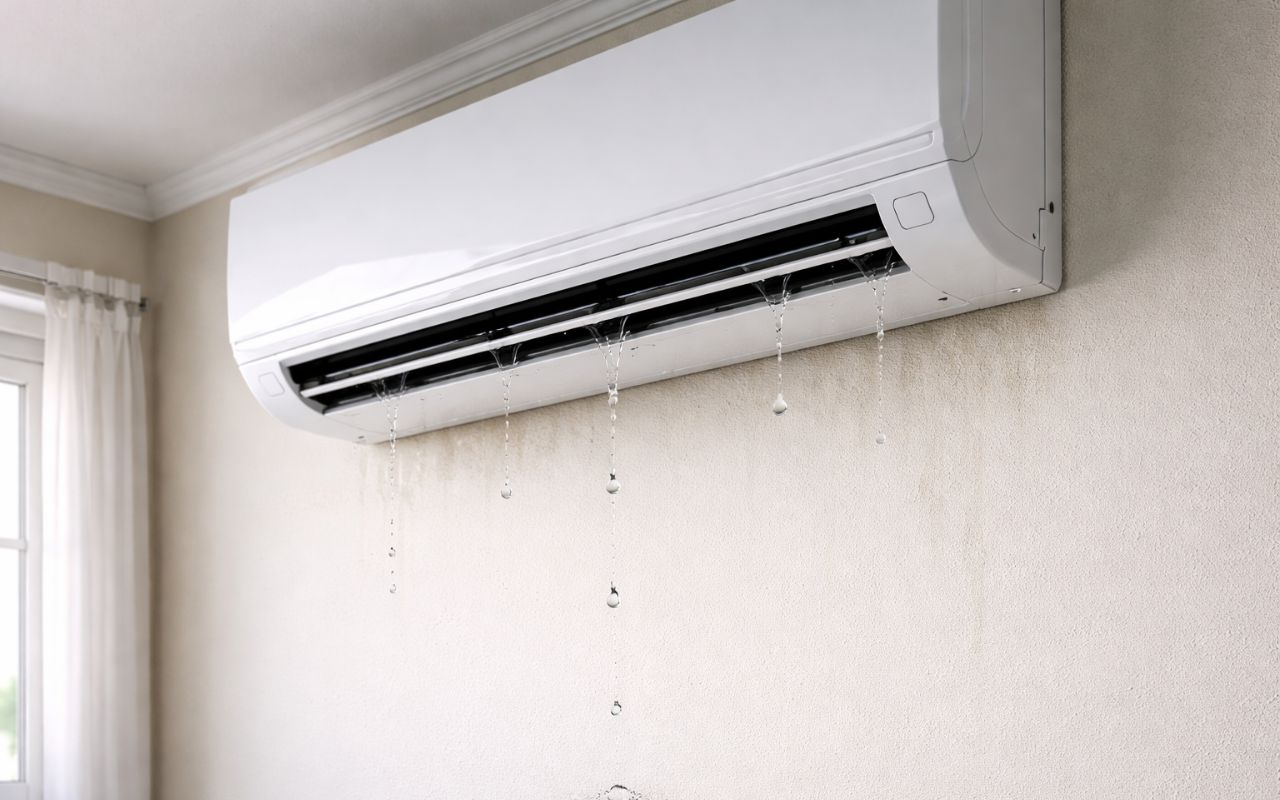
Discover Why Air Conditioners Dripping Water Can Be Normal or a Sign of Problem. See the Most Common Causes and When to Seek Solution.
The air conditioner dripping water is a relatively common situation in many homes and apartments, especially during periods of intense heat.
The phenomenon occurs when the appliance removes humidity from the air during operation.
However, when the dripping becomes frequent or excessive, it may indicate installation problems, inadequate equipment capacity, or even specific environmental conditions.
-
This climbing plant covers the walls of the house, blocks up to 80% of solar radiation, and reduces the internal temperature by up to 5 degrees in the summer without spending a dime on the electricity bill, and it also produces bunches of grapes in the backyard.

-
The first city in the world to reach 1 million inhabitants houses a museum with 139,000 ceramic bricks and advanced construction engineering with a steel structure inspired by a Chinese symbol that refers to the walls of the Ming dynasty.
-
A German man installs a nearly 10-meter “wind tree” with 36 microturbines in his garden, combining wind energy with solar panels, and aims to power his home, office, and electric car without paying anything on his electricity bill.

-
Brazilian fish that lives out of water and hides inside dry logs intrigues scientists and reveals one of the rarest adaptations of mangroves.

Industry experts explain that the phenomenon can occur in any environment where the air conditioner is operating.
According to Álvaro Ruoso, air conditioning product manager at TCL SEMP, in an interview with CanalTech, occasional small drops usually do not indicate equipment failure.
Still, when the air conditioner dripping water happens frequently, it is worth investigating the cause.
Why Is Air Conditioners Dripping Water Relatively Common?
To understand why the air conditioner dripping water happens, it is necessary to know how the appliance works. One of the roles of the equipment is to remove the humidity present in the air of the environment.
In simple terms, air acts like a kind of “sponge,” capable of storing water vapor.
When this vapor comes into contact with the cold surfaces inside the air conditioner, a process called condensation occurs.
Condensation happens when vapor returns to the liquid state upon touching a cold surface.
Thus, the water formed is conducted through a tube outside the environment. Therefore, small droplets may occasionally appear without indicating a defect.
When Can Air Conditioners Dripping Water Indicate a Problem
Although it is common, air conditioners dripping water can also indicate an installation problem.
In many cases, the equipment is functioning normally, but some detail in the assembly interferes with the correct drainage of water.
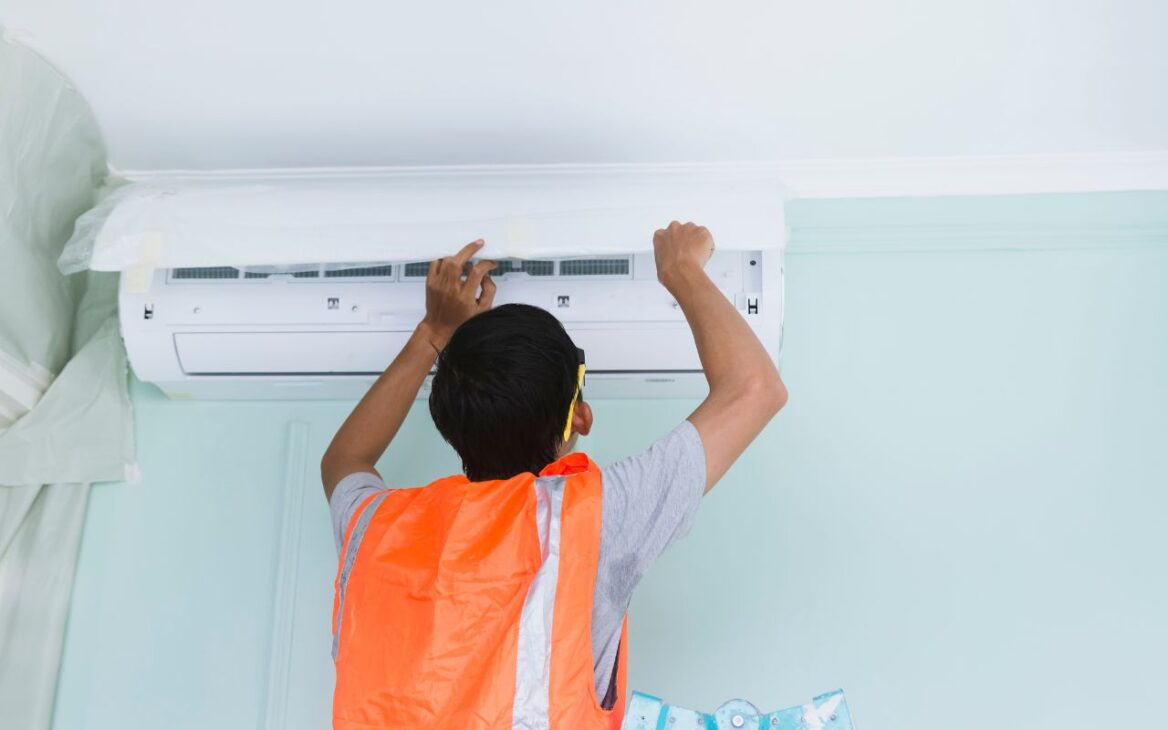
One of the most frequent reasons involves the drainage tube. This tube is responsible for carrying the condensed water outside the environment.
If it is not installed with the correct slope, part of the water may return and end up running down the inside of the appliance. As a result, drips appear inside the room.
Incorrect Installation Can Cause Air Conditioners Dripping Water
Another important factor is the leveling of the equipment. If the air conditioner is slightly tilted the wrong way, the natural flow of water may be impaired.
According to specialists, the drainage tube must always remain below the level of the appliance. In addition, an approximate slope of -1 degree per meter of tube is recommended.
This small detail makes all the difference. Without the proper slope, water can return and cause the problem of air conditioners dripping water inside the environment.
High Humidity Can Also Cause Air Conditioners Dripping Water
Not always is the problem with the appliance or the installation. In some cases, the air conditioner dripping water occurs due to high humidity in the environment.
When there is a lot of water vapor in the air, the appliance needs to work harder to remove this humidity. This causes a larger amount of water to be condensed during operation.
Consequently, the volume of liquid produced may increase. Thus, it is possible to observe more droplets coming from the unit.
Capacity of the Appliance Also Influences
Another important point is to choose the right model for each space. An air conditioner with insufficient power may struggle to properly cool the environment.
For example, a 12,000 BTUs unit may not be adequate for a larger or very hot space. When this happens, the system works more intensely and ends up producing more condensation.
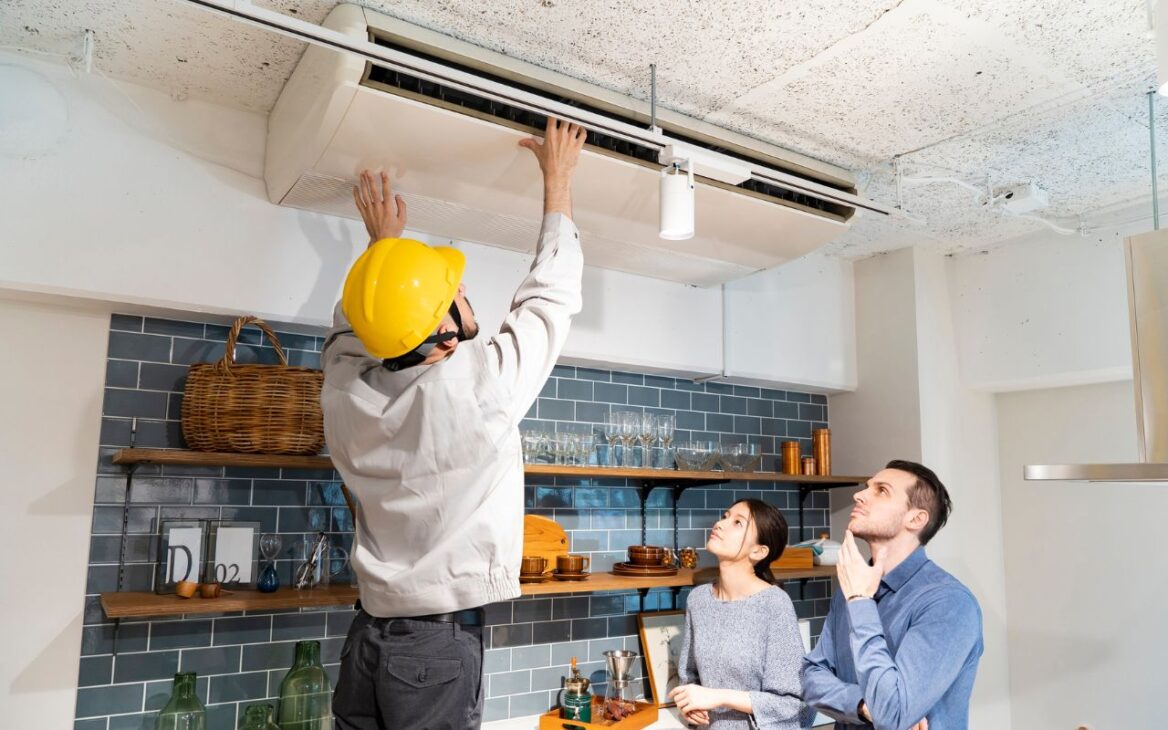
Therefore, choosing the right equipment for the size of the room helps to avoid situations of air conditioners dripping water excessively.
How to Avoid Problems with Air Conditioners Dripping Water?
The best way to avoid the air conditioners dripping water is to ensure a correct installation and to choose the appropriate model for each environment.
Furthermore, regular maintenance helps to keep the system functioning properly. Cleaning filters and checking the drainage system are simple but important care.
This way, the appliance functions efficiently, keeping the environment comfortable and avoiding unexpected drips inside the house.
With information from CanalTech.




-

-

-

-

11 pessoas reagiram a isso.