





 Portuguese
  English
  Spanish
  6 min of reading
  0 comments


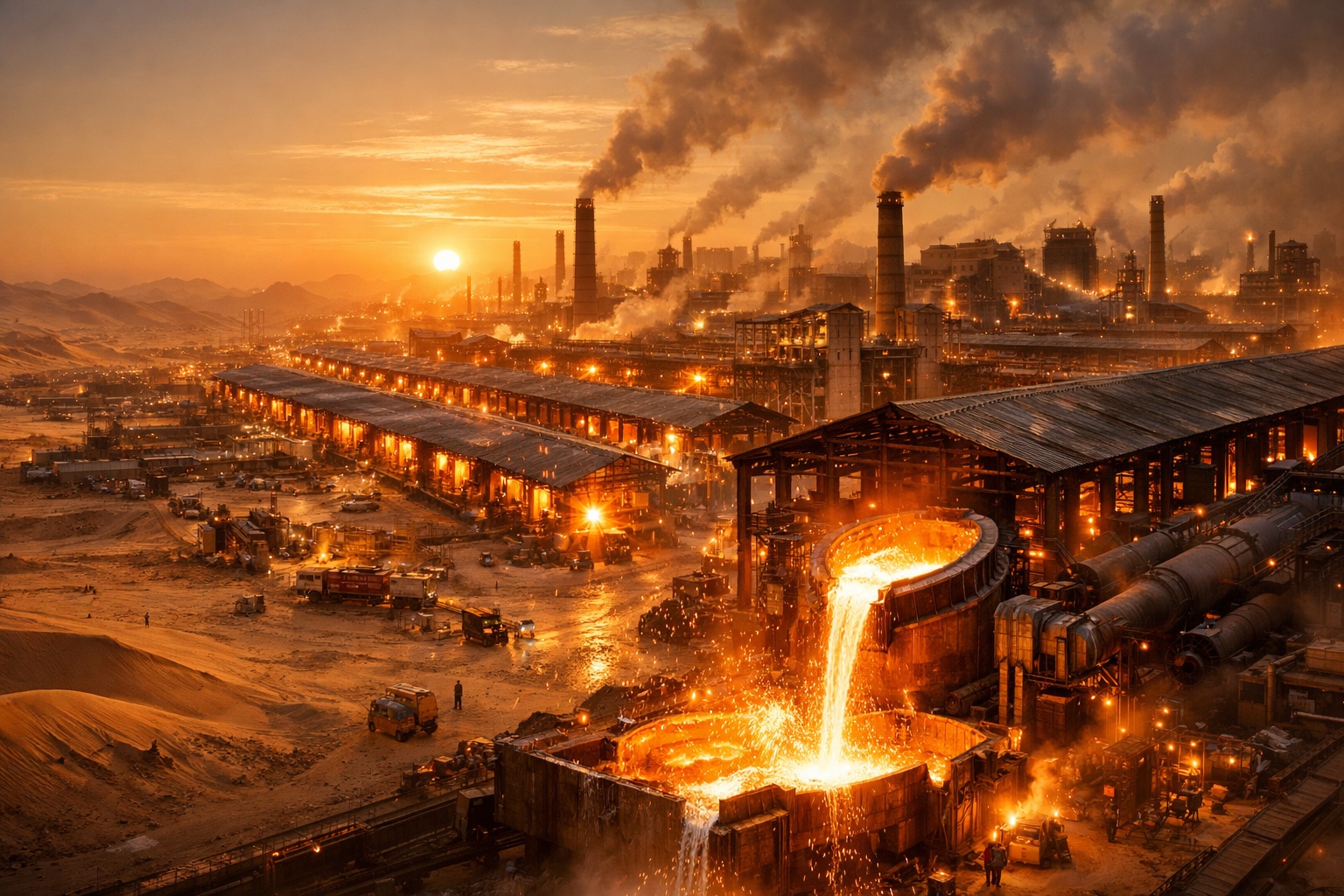
Ras Al Khair Industrial Complex Born From US$ 10.8 Billion Investment To Create The World’s Largest Integrated Aluminum Supply Chain
In December 2009, the Saudi state-owned company Ma’aden formed a strategic partnership with the American multinational Alcoa to develop one of the most ambitious industrial projects ever undertaken in the global metallurgical sector. The total investment was estimated at US$ 10.8 billion, aimed at constructing a fully integrated aluminum production complex in the industrial city of Ras Al Khair, on the eastern coast of Saudi Arabia.
The project was conceived with a groundbreaking goal: to build, in a single development phase, the entire aluminum value chain — from bauxite mining to the production of ready-to-use rolled metal sheets for industrial purposes. This complete integration includes a mine, alumina refinery, primary aluminum smelter, and rolling mill. The chosen location was the coast of the Persian Gulf, about 90 kilometers north of the industrial city of Jubail. The venture transformed a virtually uninhabited desert area into an industrial hub known as Ras Al Khair Industrial City, equipped with its own port, railway network, seawater desalination systems, and energy infrastructure.
The initiative is part of Saudi Arabia’s economic diversification strategy. The country seeks to consolidate mining as the third national economic pillar, alongside the oil and natural gas industries. This US$ 10.8 billion investment created one of the largest integrated aluminum operations ever built on the planet.
-
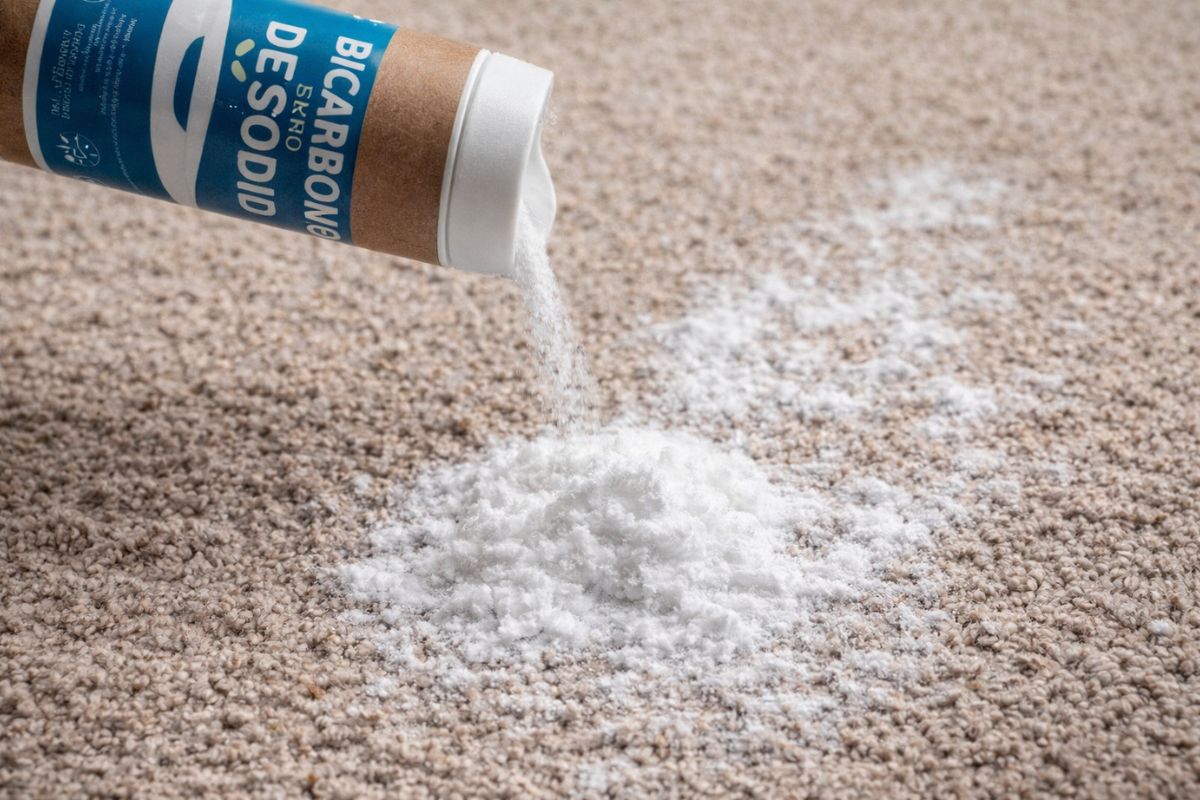
Sprinkling dry baking soda directly on the carpet neutralizes odors from sweat and food without wetting the fibers, allowing you to forget about the vacuum cleaner for weeks using a product that costs less than five reais.
-
A bottle thrown into the sea by two Australian soldiers in 1916 on their way to the trenches of World War I was buried in the sand for over 100 years, and the letters inside it were still legible when they were found.

-
China invests over R$ 4.2 trillion, builds the largest water network in the world with 95,000 reservoirs and 1 trillion m³, expands piped water access to 96% of rural areas, attracts R$ 565 billion in foreign investments, and advances with the “longevity gene” in rice.
-
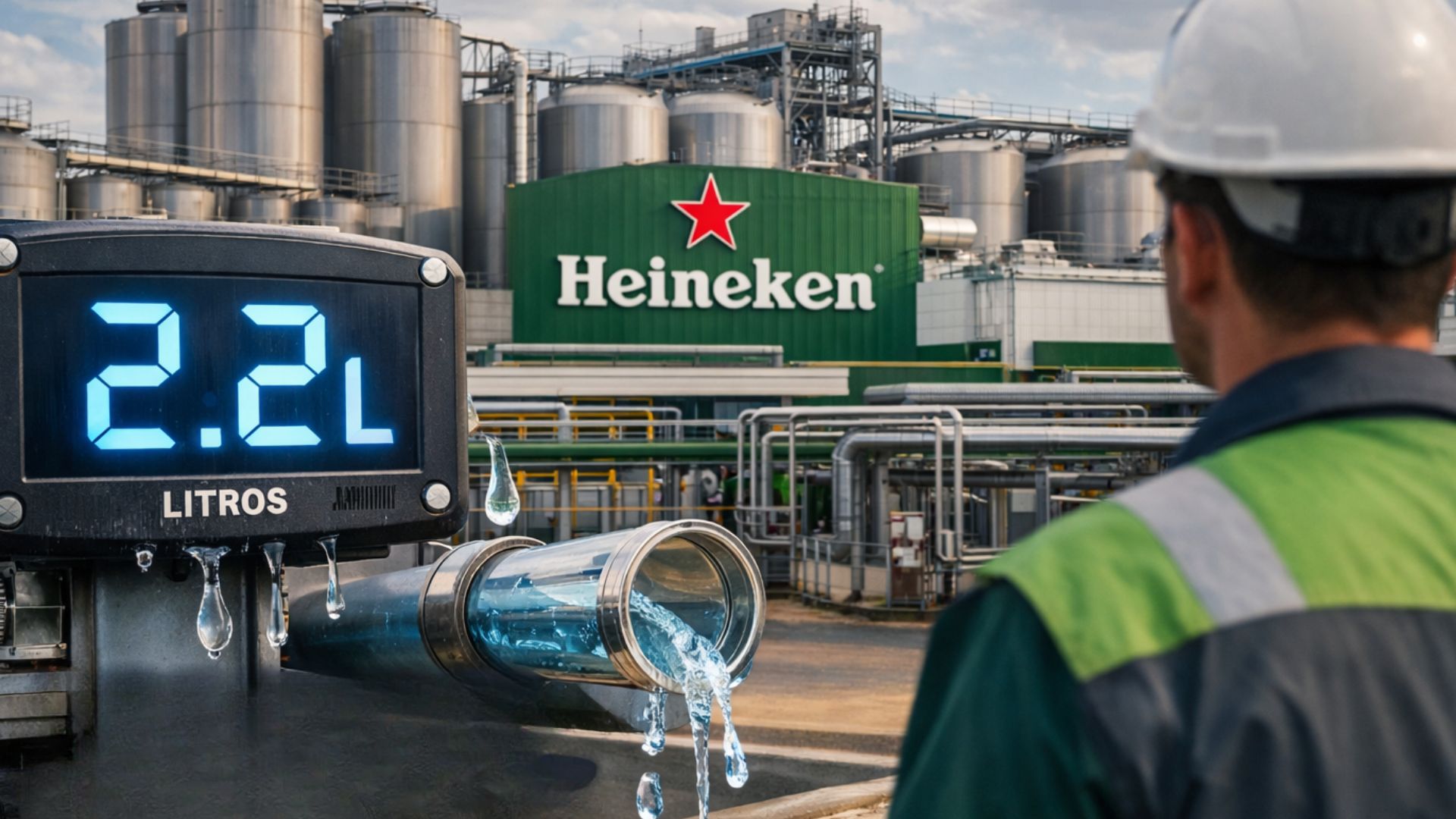
Heineken’s factory in Brazil surprises the world by reducing water consumption for beer production from nearly 10 liters to just 2.2 liters per liter produced, achieving a 23% decrease with real-time technology.

Aluminum Smelter Operates 740 Electrolytic Furnaces Distributed Across 1.2 km Potlines
The industrial heart of the Ras Al Khair complex is the primary aluminum smelter, designed to produce 740,000 tons of aluminum per year. The smelter operates with two high-amperage potlines based on French Pechiney technology, considered one of the most advanced in the world for aluminum production via electrolysis.
Each potline has approximately 1.2 kilometers in length, making it one of the longest industrial structures of its kind ever built. Each line contains 370 electrolytic furnaces — known in the industry as “pots.”
In total, the system has 740 electrolytic pots operating continuously, distributed across four industrial halls with about 180 units each.
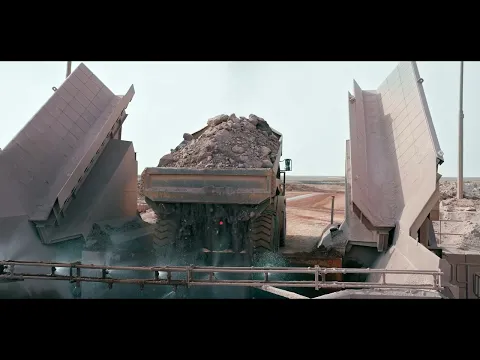

The operation runs continuously, 24 hours a day, 7 days a week, since the aluminum electrolysis process cannot be interrupted without damaging the equipment.
During the process, alumina (aluminum oxide) is dissolved in molten cryolite at temperatures exceeding 960 °C. High-amperage electrical currents pass through the electrolytic bath, separating metallic aluminum from oxygen. The result is high-purity liquid aluminum, which is later used in industries such as:
- aviation
- automotive
- construction
- electronics
- renewable energy
The two 1.2 km potlines are among the largest aluminum production lines ever built in the world.
Smelter With 15 Furnaces Is Considered The Largest Aluminum Casthouse On The Planet
After leaving the potlines, the liquid aluminum moves to the casthouse — the area where the metal is transformed into usable industrial products.
The casthouse of the Ras Al Khair complex integrates 15 refining and molding furnaces, creating one of the largest facilities of its kind on the planet. The project was developed by Samsung Engineering.
Liquid aluminum, at around 750 °C, is transported in large thermal crucibles to holding furnaces. In this stage, chemical treatments are performed to adjust the composition of the metal. Depending on the final application, automated systems add alloying elements such as:
- magnesium
- silicon
- manganese
After this process, the metal is shaped into various industrial forms, including:
- ingots
- plates
- billets
- coils
Solidification occurs in continuous casting systems with controlled cooling to ensure specific metallurgical properties. The Ras Al Khair casthouse integrates 15 furnaces under one roof, a world record for aluminum facilities.
Al Ba’itha Bauxite Mine Ensures Vertical Integration of Production
One of the greatest competitive advantages of the Ras Al Khair project is the integration with the Al Ba’itha bauxite mine, located approximately 220 kilometers inland from Saudi Arabia, in the Qassim province.
This mine has estimated reserves of about 4 billion tons of bauxite, with an annual extraction capacity of approximately 4 million tons. To transport the ore, a dedicated railway was built that crosses the Saudi desert, directly connecting the mine to the coastal industrial complex.
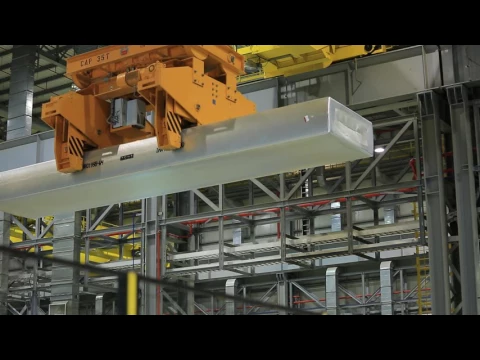
Trains loaded with bauxite operate continuously, ensuring a steady supply of raw material for the alumina refinery. This integration eliminates intermediate logistics costs and allows for greater operational efficiency.
The Al Ba’itha mine provides billions of tons of bauxite to feed the industrial complex for decades.
Refinery Produces 1.8 Million Tons of Alumina Per Year Using Bayer Process
Between the mine and the smelter operates the Ras Al Khair alumina refinery, the first of its kind built in the Middle East. The facility has an annual capacity of 1.8 million tons of alumina, using the Bayer process — the standard industrial method for producing aluminum oxide.
In this process, crushed bauxite is mixed with caustic soda under high pressure and temperature, dissolving the aluminum oxide present in the ore. The resulting solution goes through several steps:
- filtration
- precipitation
- crystallization
- calcination
The final stage occurs in rotary kilns at around 1,000 °C, producing extremely pure alumina powder.
Approximately two tons of alumina are required to produce one ton of metallic aluminum, which makes the refinery’s capacity perfectly sized to feed the smelter. The refinery began operation in 2014, completing the fully integrated production chain of the complex.
Construction Mobilized 14,000 Workers and Achieved First Liquid Aluminum in 2012
The project was executed by the engineering company Bechtel under an EPC (Engineering, Procurement and Construction) model.
During peak construction, over 14,000 workers from 25 nationalities were mobilized on site, working through 46 subcontractors.
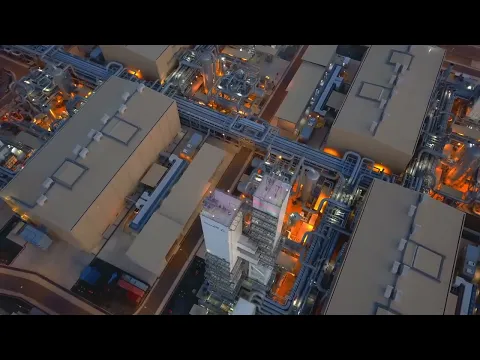
The milestone known as “First Hot Metal”, representing the first production of liquid aluminum, was achieved in December 2012, only 29 months after the official start of construction in July 2010.
The project amassed over 25 million work hours without lost-time accidents, an exceptional indicator of industrial safety. The total capacity of the smelter was reached in 2015.
Natural Water Treatment System Reduces Water Consumption In Desert Region
An important environmental innovation of the complex is the system called Natural Engineered Waste Water Treatment System. This system utilizes artificial wetlands — flooded areas with aquatic vegetation — to treat wastewater without using chemicals.
Microorganisms and aquatic plants naturally filter contaminants present in sanitary and industrial water. The system allows for savings of about 7.5 million liters of water per day, something crucial in a country where most drinking water comes from desalination plants.
Additionally, the artificially created wetlands have also become a habitat for migratory birds, forming an unexpected ecosystem amid the industrial desert landscape.
Aluminum Rolling Mill Produces Sheets For Global Automotive Industry
The industrial complex also includes an aluminum rolling mill designed to produce metal sheets primarily used in the automotive industry.
Initially, the capacity was 380,000 tons per year, later expanded to about 460,000 tons annually. These sheets are used in the manufacture of automotive bodies, leveraging aluminum properties such as:
- light weight
- corrosion resistance
- high impact absorption capacity
Global automotive manufacturers, including Jaguar Land Rover, utilize aluminum sourced from Ras Al Khair in their production lines.
Industrial Complex Employs About 7,000 Workers
The Ras Al Khair complex employs approximately 7,000 people, making it one of the largest private employers in the region.
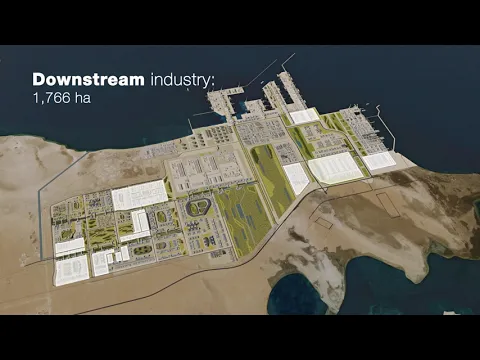
To accommodate workers and their families, Ma’aden built a residential village with about 500 housing units, in addition to camps that housed up to 7,500 workers during construction.
Technical training programs were implemented to develop local labor in areas such as metallurgy, industrial engineering, and smelter operation. Although the smelter produces around 740,000 tons of primary aluminum annually, the integrated complex exceeds 1 million tons of industrial production considering the entire chain.
The refinery produces 1.8 million tons of alumina, while the rolling mill adds hundreds of thousands of tons of finished products. This volume places Ras Al Khair among the largest aluminum industrial hubs on the planet.
Ras Al Khair Complex Symbolizes Saudi Economic Diversification Strategy
Saudi Arabia sees the mining sector as a central piece of the economic strategy known as Vision 2030, aimed at reducing oil dependence. The Saudi government has set a goal to raise the mining contribution to the national GDP from about US$ 17 billion to US$ 64 billion by 2030.
In addition to bauxite, the country has significant reserves of:
- gold
- copper
- phosphate
- zinc
- rare earths
The success of the Ras Al Khair complex demonstrated that mineral megaprojects can transform the Saudi industrial sector. Ras Al Khair remains today the only aluminum complex in the world built fully integrated in a single phase of development.






Seja o primeiro a reagir!