





 Portuguese
  English
  Spanish
  2 min of reading
  0 comments


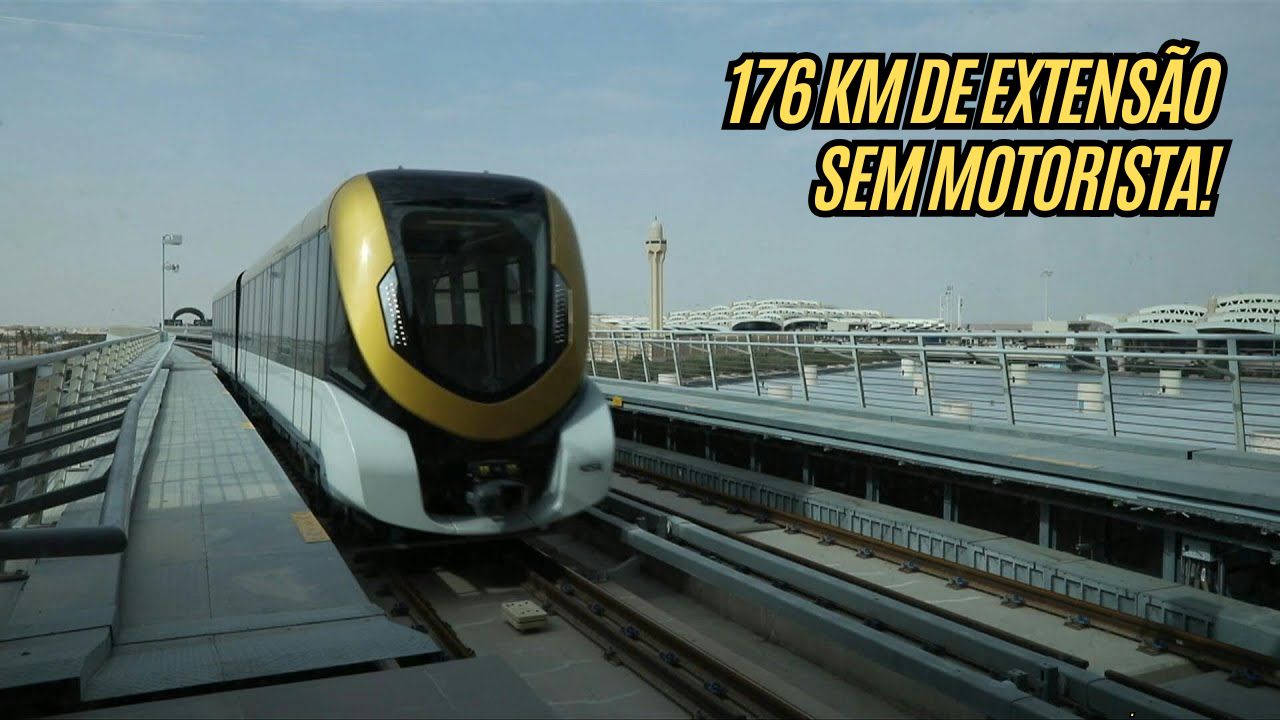
The Construction in Saudi Arabia of the World’s Largest Driverless Metro System Transforms Transportation in Riyadh with Futuristic Technology and Impresses with Its Size and Innovation.
Saudi Arabia has just marked another chapter in its famed monumental projects: it has inaugurated the world’s largest driverless metro system, located in the capital, Riyadh. The network, which began operations on December 1, spans an impressive 176 kilometers and promises to transform the city’s urban mobility.
With 85 stations distributed across six planned lines, the new metro is a true revolution in construction in Saudi Arabia, which is already known for monumental projects such as the futuristic megacity of Neom and the world’s largest airport. However, the metro system is not just a demonstration of power, but also a practical solution for a rapidly expanding city – currently with 6.5 million inhabitants and an expectation of reaching 8.3 million soon.
A High-Tech Metro
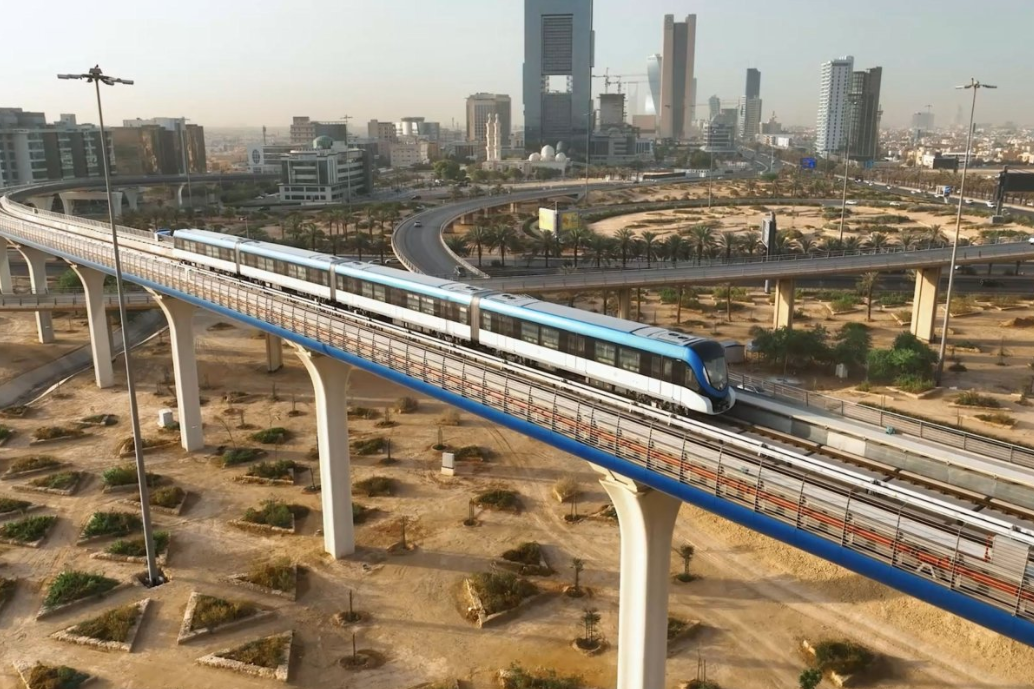
What makes the world’s largest driverless metro system so special is its fully automated operation. By combining advanced technologies, such as state-of-the-art signaling systems for speed control and automatic doors, the metro offers maximum safety and efficiency.
-
Scientists transform sawdust into fire-resistant panels, stabilize the compound with an enzyme extracted from watermelon seeds, and turn waste into promising material for construction.

-
Forget concrete: architects are replacing tons of concrete with giant blocks of expanded polystyrene to build the roofs of houses and reduce structural weight by up to 50%, cut costs, improve thermal insulation, and speed up construction.
-
The Brazilian state enters the center of the global race for critical minerals by starting the construction of the largest underground nickel mine in Latin America, a mineral essential for electric car batteries that the entire world is competing for at this moment.
-
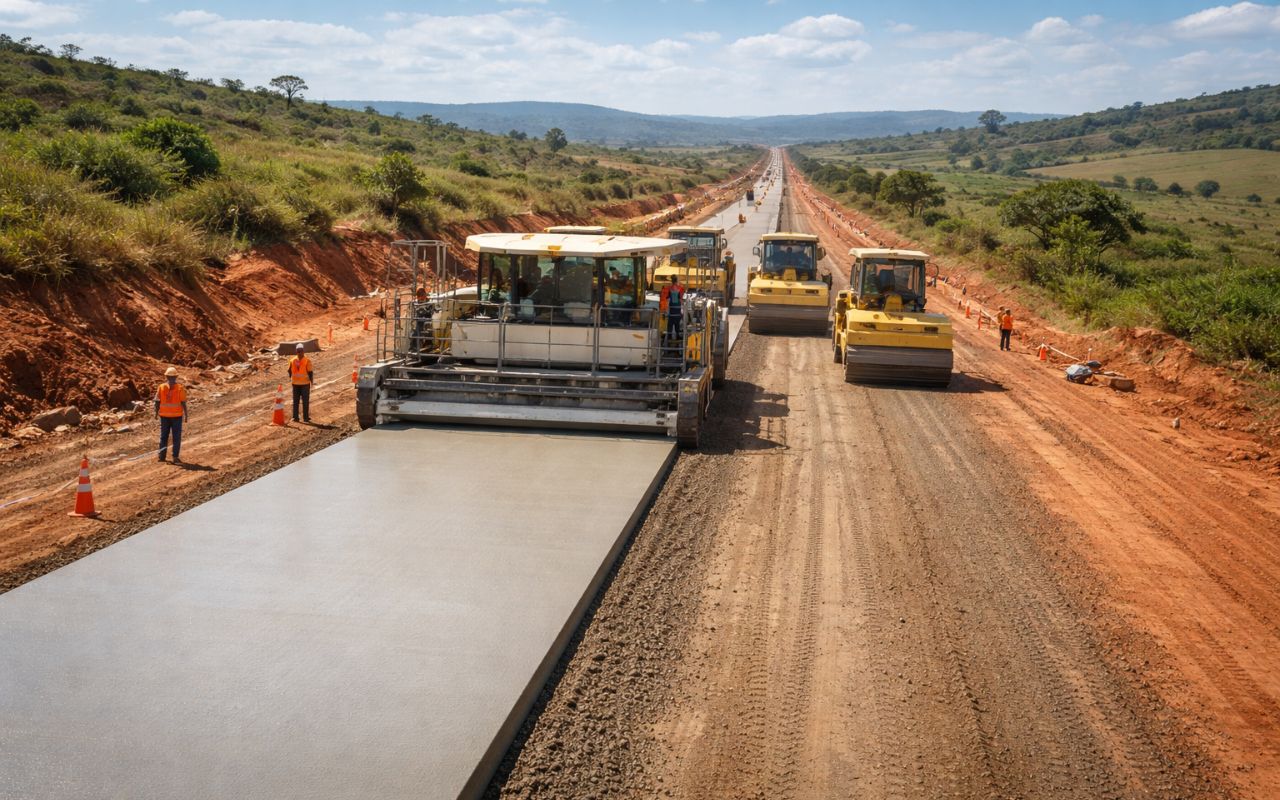
New CCR concrete paving technology promises roads up to 3x more durable, less maintenance, and cost reduction in Brazil.

The French multinational Alstom is responsible for supplying the trains, featuring diverse models equipped with LED lighting, air conditioning, ergonomic seats, and a modern passenger information system. For the start of operations, three lines are already functioning, and the other three are expected to become operational in the coming months.
Architecture That Impresses
In addition to functionality, the metro stations do not disappoint in terms of design. An example is the King Abdullah Financial District station, designed by the renowned firm Zaha Hadid Architects, which combines futuristic geometric lines and strategic use of natural and artificial light. The architecture reinforces Saudi Arabia’s commitment to making its projects not only functional but also visually impactful.
Mobility That Transforms
The inauguration of this metro symbolizes a decisive step in construction in Saudi Arabia towards a more connected and sustainable future. As the country prepares for international events such as the FIFA World Cup in 2034, public transport becomes a key component to serve both residents and tourists.
With such an extensive and fully automated network, the world’s largest driverless metro system reflects Saudi Arabia’s visionary spirit and its relentless pursuit of grand innovations that place the country in the global spotlight.






-

Uma pessoa reagiu a isso.