





 Portuguese
  English
  Spanish
  3 min of reading
  0 comments


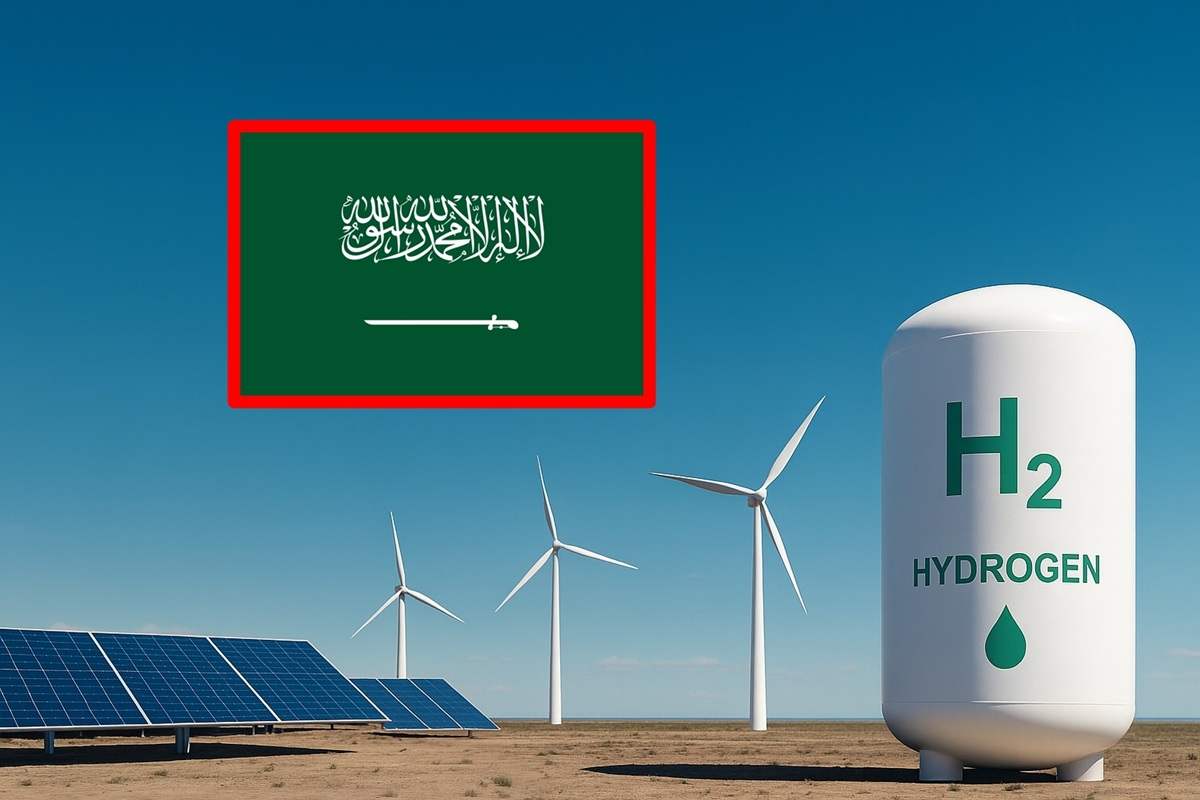
Saudi Arabia Announced A New Green Hydrogen Megaproject In Yanbu, With Twice The Capacity Of The Neom Plant. The Initiative Reinforces The Country’s Ambition To Lead Global Clean Energy Exports.
Saudi Arabia has taken another bold step in its energy transition by announcing a new large-scale green hydrogen project.
Called the Yanbu Green Hydrogen Hub, the venture will be constructed in the city of Yanbu and will be nearly double the size of the already ambitious Neom plant.
The project will be developed by ACWA Power in partnership with the German company EnBW.
-
A barrier made with hair strands is used to clean the Guanabara Bay and employs simple technology to contain oil and waste.

-
The oceans are darkening all over the planet – what is happening?
-
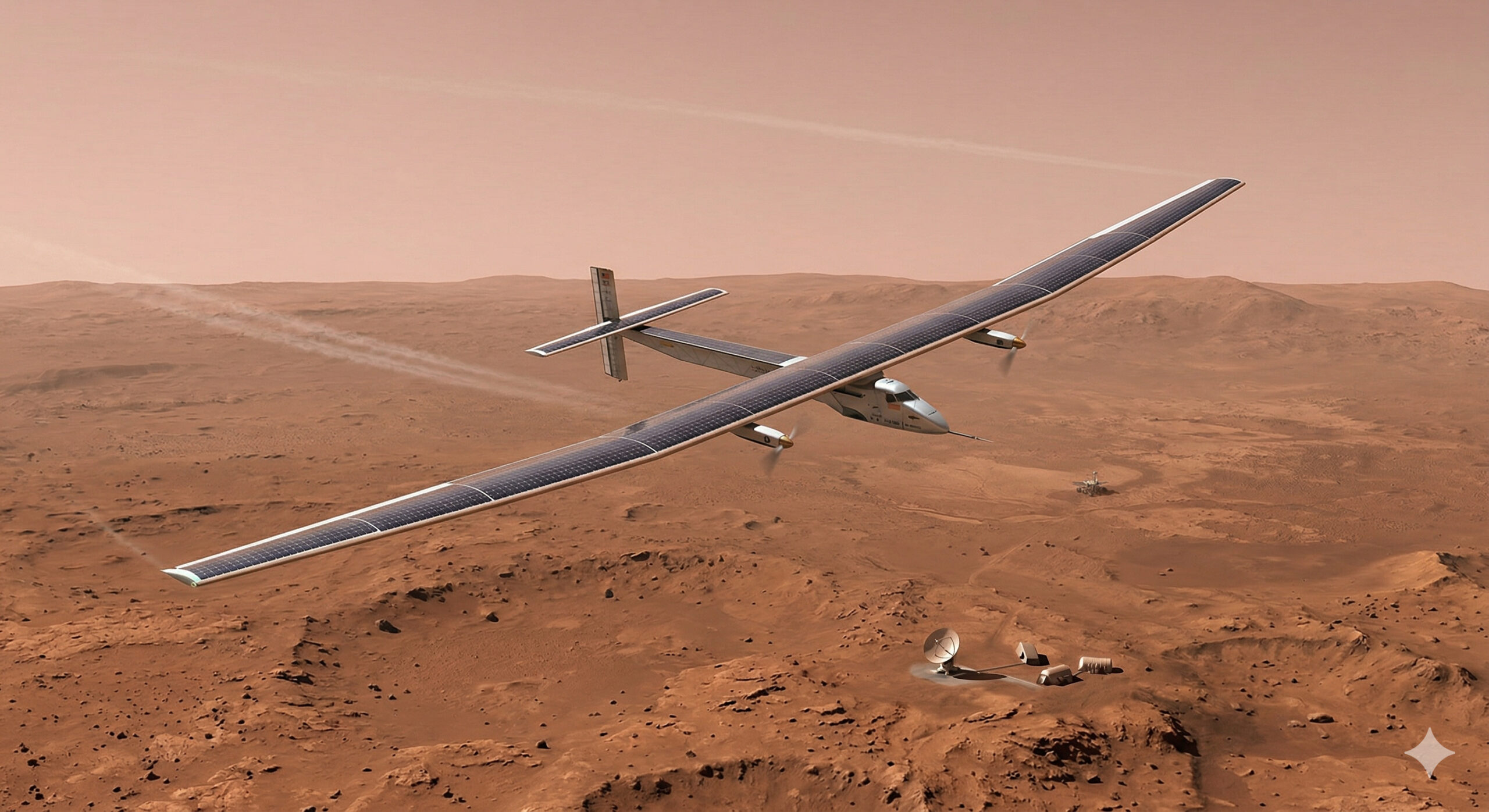
An engineer designs a solar plane to fly on Mars at an altitude of 1,000 meters and a speed of 300 km/h, covering 16,000 kilometers in a Martian year, 900 times the distance traveled by the Ingenuity helicopter in three years on the planet before experiencing a rotor failure, and NASA is already funding the feasibility study.
-
A new phenomenon of contactless magnetic friction intrigues scientists and questions a theory that has been valid since the 17th century.

The total electrolysis capacity of the facility will be 4 gigawatts, allowing for the production of up to 400,000 tons of green hydrogen per year.
Giant Electrolyzer And Focus On Export
The hydrogen produced will be converted into green ammonia, facilitating its export to international markets.
To this end, the project will also feature a dedicated export terminal, as well as desalination systems to supply water for the electrolysis process.
This support structure is essential because electrolysis requires large volumes of purified water.
ACWA Power commissioned the initial engineering study (FEED) to a consortium formed by the Spanish Técnicas Reunidas and the Chinese Sinopec.
The FEED contract marks the beginning of detailed project planning and is expected to last 10 months.
After this phase, the partners will present a proposal for engineering, procurement, and construction (EPC), estimated in several billion euros.
Renewable Energy Will Be Essential To Enable The Plan
Despite the size of the project, solar and wind energy generation is not yet part of the current contract.
However, these sources will be essential to ensure that the hydrogen is indeed green and carbon-free.
Therefore, it is expected that the electricity used in the plant will come from renewable parks that will be integrated in future phases.
This means that the project’s success is directly linked to the parallel advancement of clean energy infrastructure in the country.
Técnicas Reunidas Strengthens Presence In The Middle East
The Spanish company Técnicas Reunidas has been expanding its operations in Saudi Arabia’s clean energy projects. Only in 2024 and 2025, the company has already secured over $2 billion in contracts.
Among these contracts are projects that combine hydrogen technologies with carbon capture.
The company is also involved in the construction of one of the largest e-methanol plants in Europe, located in La Robla, Spain.
There, biogenic carbon capture is being integrated into the project, aligning with future decarbonization goals.
Competition For Global Leadership In Green Hydrogen
Most importantly, Saudi Arabia is not alone in this race.
The country has already declared its intention to invest up to $270 billion in energy by 2030 and aims to account for 10% of global hydrogen exports.
The new center in Yanbu becomes strategic in this goal, especially by facilitating the supply of green ammonia for industrial use and electricity generation abroad.
Other countries in the region are also investing heavily. The United Arab Emirates have already committed over €10 billion to their national hydrogen strategy.
Morocco, on the other hand, is betting on a $32 billion plan to become one of the leading suppliers to Europe.
According to Pierre-Etienne Franc, CEO of Hy24, “the region is the next big place for hydrogen.” This vision is supported by the pace of investment and the infrastructure being built in the Middle East and North Africa.
Market Risks And Uncertainties Still Persist
Even with these advancements, uncertainties remain. Many projects in the region are awaiting final investment decisions. This shows that while ambition is high, risks are also considerable.
Furthermore, the global market still faces challenges. Electrolyzer technology continues to develop, and supply chains are under pressure to keep up with growing demand.
Therefore, the success of the Yanbu center will depend on more than just building a large electrolyzer. It will be necessary to integrate renewable generation, reduce costs, maintain international competitiveness, and stay aligned with the national energy transition strategy.
Saudi Arabia’s bet is clear: invest on a large scale and get ahead in the global race for green hydrogen.
The Yanbu project could become a key piece in this competition. But, like any major plan, there are still many challenges ahead.





Seja o primeiro a reagir!