





 Portuguese
  English
  Spanish
  4 min of reading
  0 comments


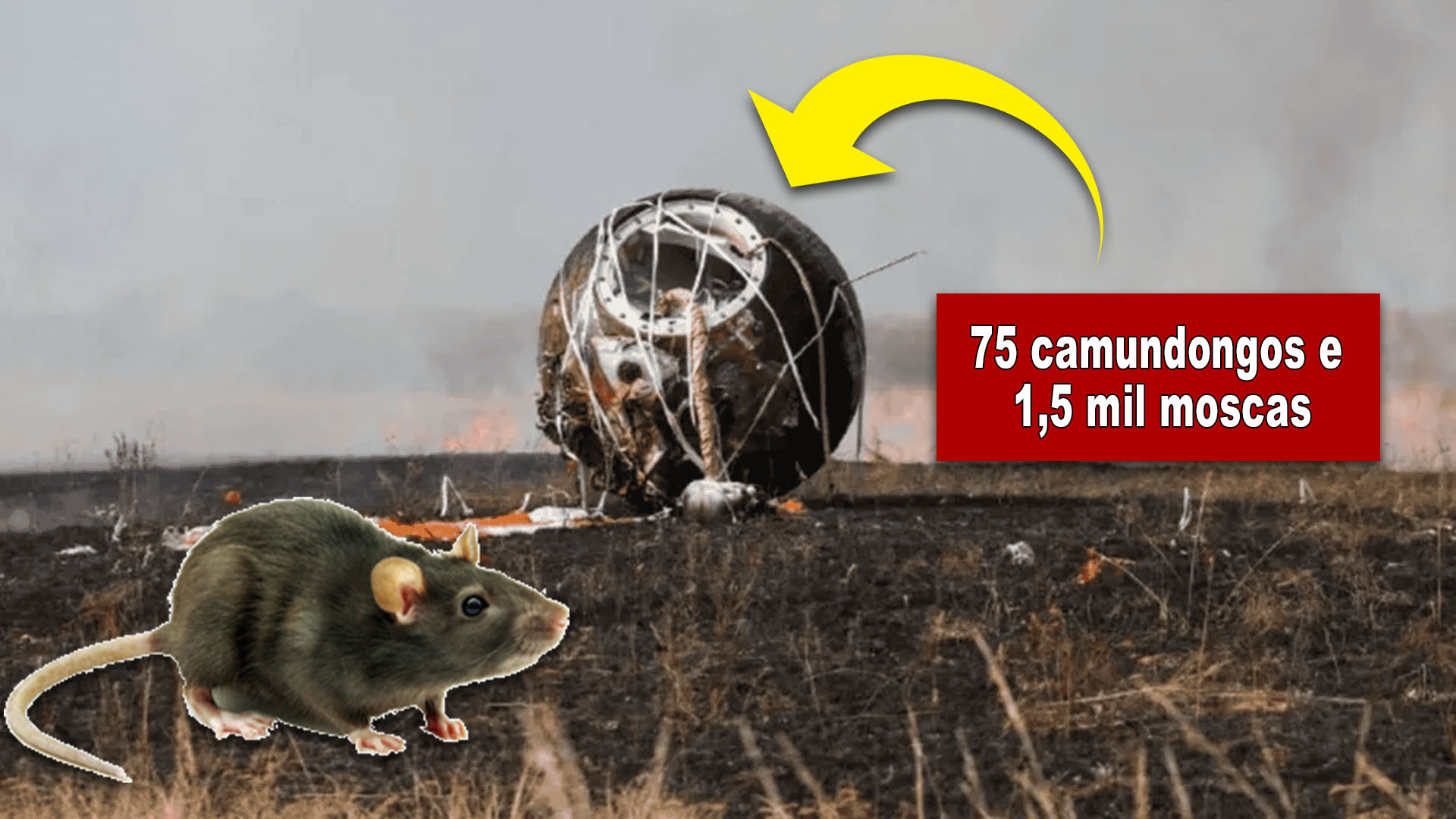
Bion-M Biosatellite No. 2 Lands in Orenburg After 30-Day Mission with Live Cargo Including 75 Mice and Over 1,500 Fruit Flies
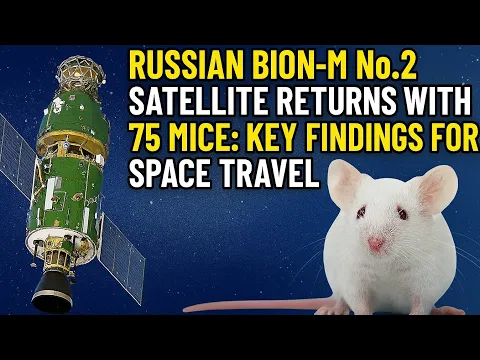
The Russian “Noah’s Ark” returned to Earth on September 19, 2025, concluding a 30-day mission dedicated to understanding how microgravity and cosmic radiation affect living organisms.
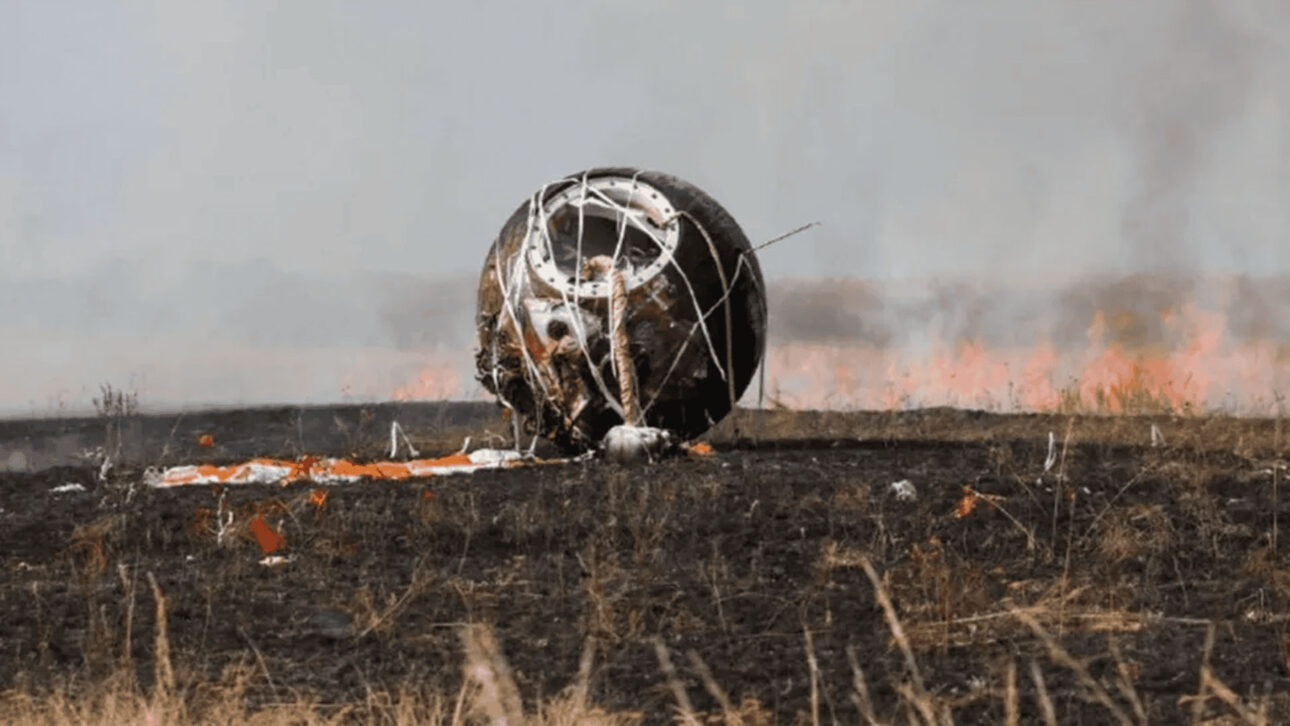
The descent module of Bion-M No. 2 landed in the steppes of the Orenburg region with 75 mice, over 1,500 flies, cell cultures, microorganisms, and seeds. According to Roscosmos and the Institute of Biomedical Problems (IBMP/RAS), the mission gathered over 30 experiments across 10 scientific axes.
Launched from the Baikonur Cosmodrome on August 20 aboard a Soyuz-2.1b, the satellite was placed in a polar orbit at an altitude between 370 and 380 km, with an inclination of ~97°, increasing radiation exposure to compare biological effects at different levels.
-
They seemed like common bones, but scientists were surprised to find a relic over 12,000 years old that dates back to before the Bronze Age.
-
With an almost perfect ring of 70 km visible from space, known as the “Eye of Quebec” and over 100 km in length, the Manicouagan Crater in Canada reveals the colossal mark left by a giant asteroid and has become one of the most impressive formations ever identified on the Earth’s surface.

-
Scientists have found in China dinosaur embryos dating back 190 million years in various stages of development, and the discovery still preserves traces of extremely rare proteins in the bones, something that could change what is known about life before hatching.
-
The CEO of Honor in Spain says that smartphones will change with AI, foldables, and even robot phones; the component crisis is making cheap models more expensive in 2026 and shifting the focus to premium.

What Came Back from Space and Why It Matters
The capsule brought back a mini-biological collection: rodents, fruit flies, plants, microorganisms, and cell lines. The central goal is to measure systemic, organ, cellular, and molecular impacts under microgravity combined with radiation. For the public, the highlights are the 75 mice and >1,500 Drosophila, classic models in genetics and neuroscience.
According to the IBMP, the scientific plan is divided into 10 “sections”. The first two focus on gravitational physiology in animals and life support in long missions; others investigate plants and microbiomes, while radiobiological and dosimetric modules map radiation loads at different points in the spacecraft. Roscosmos, RAS, and the IBMP coordinate the program.
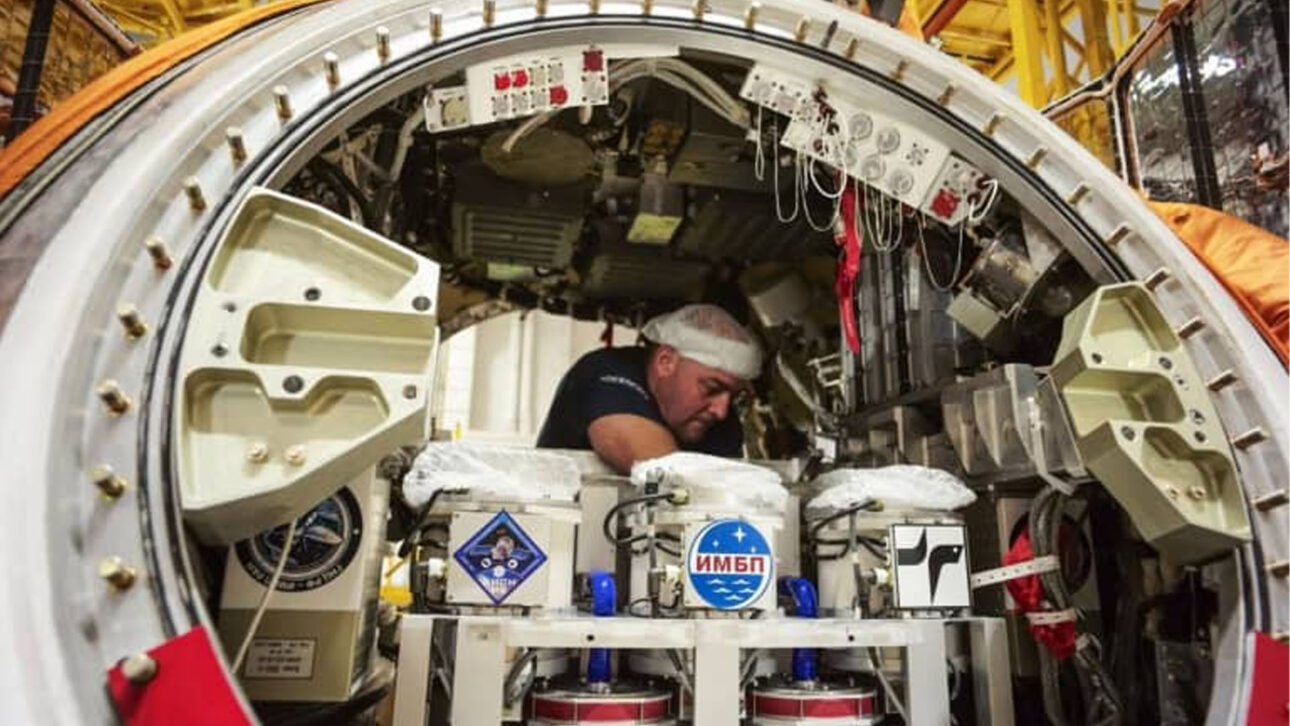
In practice, the data help design countermeasures for future manned flights, including in “harder” orbits, such as those proposed for the Russian orbital station. The comparison with previous missions aids in refining dosing limits, exposure schedules, and rehabilitation protocols.
Trajectory, Orbit, and the Role of Cosmic Radiation
Bion-M No. 2 flew in polar orbit (370–380 km; ~97°), different from the ISS profile, deliberately increasing radiation exposure. This allows biological responses to be tested in a more challenging environment, approaching lunar exploration scenarios and future polar orbits.
Planned for 30 days, the mission maintained a stable attitude and periodic checks of scientific systems, with IBMP reports of circularization close to 386×367 km after initial maneuvers. These parameters contextualize the doses of protons and electrons hitting living samples.
The orbital configuration aims to replicate part of the radiative environment of the planned Russian orbital station (ROS), where the radiation load tends to exceed that of lower inclination orbits. This choice is strategic for protection engineering and occupational health of astronauts.
Field Rescue, Medical Screening, and Recorded Losses
Images from the site show that the landing caused a small fire in the steppe, quickly contained to facilitate team approach. Three helicopters transported specialists who set up a medical tent for initial exams and recovery of the biological cargo.

The initial assessments prioritized motor parameters of the flies, sensitive indicators of neurotoxicity due to radiation and microgravity. The screening and stabilization routine precedes the sending of materials to the IBMP laboratories in Moscow, where analyses will continue.
The IBMP management reported that 10 of the 75 mice did not survive the flight, a number considered within the expected range by the organizers, given the experimental profile and the demands of the orbital environment. This data is relevant to the debate regarding ethical protocols and animal welfare in biological missions.
What Scientists Will Measure Now
The radiobiology and dosimetry package mapped the radiation load at various points in the spacecraft, correlating this data with biomarkers in the animals and with the performance of plants and microorganisms. The aim is to correlate dose and effect in sensitive tissues such as blood, liver, bone, and nervous system.
A highlight was the experiment “Meteorite”, conducted during re-entry: basalt rocks with bacterial strains were affixed to the hull to verify if bacteria can withstand extreme heating upon atmospheric entry. The RAS confirmed the test as part of the investigation into the panspermia hypothesis.
This study continues previous efforts by Russia in panspermia, which had already shown microbial survival under similar conditions in past missions, and now seek replication and new species. The final results depend on post-flight cultures and sequencing in the lab.
In your opinion, do you see sufficient scientific value to justify the use of animals in this type of mission, given the high radiation environment and the recorded losses, or do you believe there are already in vitro alternatives and simulations that should replace these flights? What should be the ethical limit?






Seja o primeiro a reagir!