





 Portuguese
  English
  Spanish
  3 min of reading
  0 comments


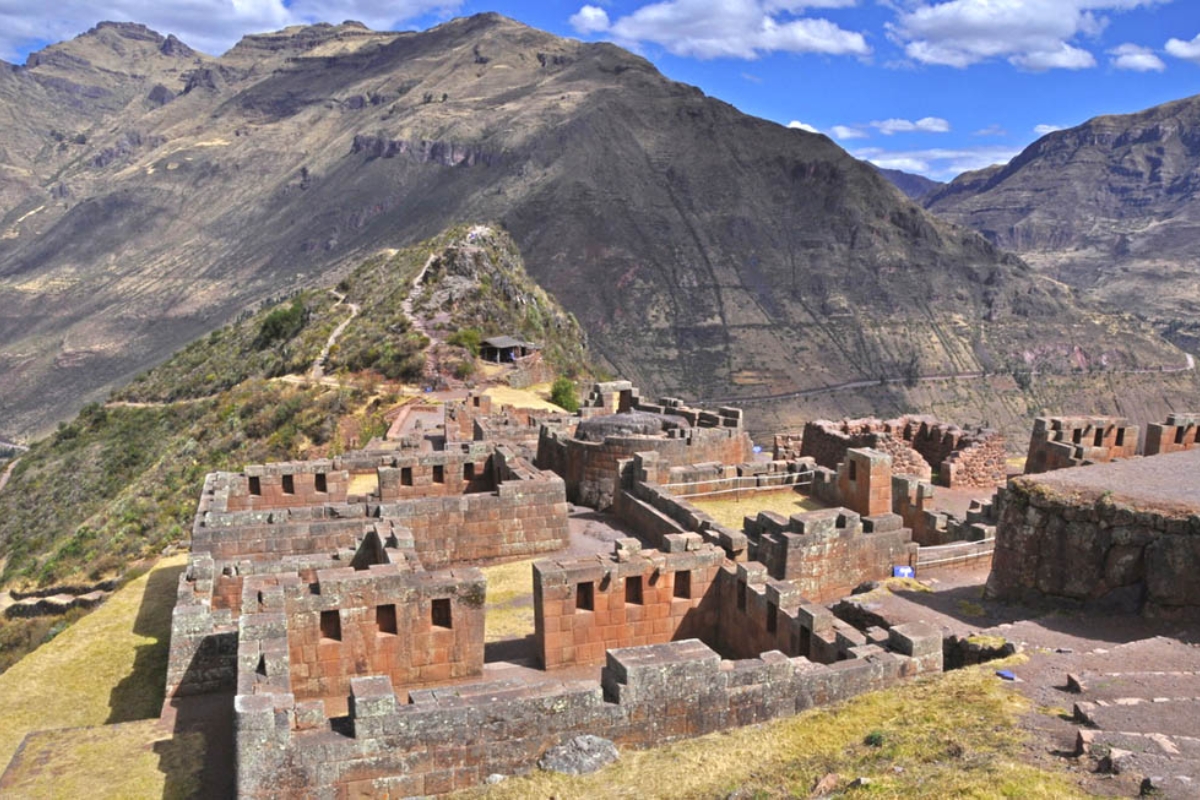
Discovery about the origin of square houses shows that architectural transformation began millennia ago, when ancient peoples realized that rectangular structures offered practical advantages such as better room distribution, greater resistance, and more efficient expansion of settlements.
A study conducted by the Hebrew University of Jerusalem provided new clues about the origin of rectangular houses in the Neolithic period, a phase marked by profound transformations in human lifestyle. The analysis of structures aged between 15,000 and 8,500 years helps to understand how architecture began to accompany the emergence of the first sedentary communities.
The results show that the shift from circular dwellings to buildings with straight lines did not happen abruptly. This process was gradual and reflected a practical adaptation of ancient populations to new needs for organization, coexistence, and permanence in the same territory.
From round house to rectangular shape
For a long time, circular floor plan dwellings were predominant among different human groups. In the ancient Mediterranean Levant, a region associated with Natufian culture, archaeologists identified a wide variety of construction forms, revealing a scenario of experimentation and architectural creativity even in the earliest settlements.
-
Sprinkling dry baking soda directly on the carpet neutralizes odors from sweat and food without wetting the fibers, allowing you to forget about the vacuum cleaner for weeks using a product that costs less than five reais.

-
A bottle thrown into the sea by two Australian soldiers in 1916 on their way to the trenches of World War I was buried in the sand for over 100 years, and the letters inside it were still legible when they were found.

-
China invests over R$ 4.2 trillion, builds the largest water network in the world with 95,000 reservoirs and 1 trillion m³, expands piped water access to 96% of rural areas, attracts R$ 565 billion in foreign investments, and advances with the “longevity gene” in rice.

-
Heineken’s factory in Brazil surprises the world by reducing water consumption for beer production from nearly 10 liters to just 2.2 liters per liter produced, achieving a 23% decrease with real-time technology.


As centuries passed, structures with right angles and more defined layouts began to emerge. This transition indicates that human groups not only improved their construction techniques but also started to think about domestic space in a more functional and strategic way.

The role of sedentarism in this transformation
As communities became more stable and less dependent on constant movement, housing ceased to be merely a temporary shelter. It began to occupy a central role in social, economic, and family life, accompanying the advancement of agriculture and the consolidation of more permanent forms of spatial occupation.
This new context favored the emergence of houses with rectangular designs, better able to meet the demands for storage, circulation, and internal division. Instead of simple and more limited structures, buildings adapted to a more complex and organized daily life emerged.
Why square houses became more advantageous
One of the main explanations for the adoption of rectangular forms lies in the better use of space. Houses with straight walls facilitate the creation of better-distributed environments, allow for more efficient use of available area, and favor the expansion of buildings over time.
Moreover, this type of architecture can offer greater structural stability. Aligned walls, defined corners, and more regular floors contribute to a more balanced weight distribution, which increases the building’s resistance to external factors and improves the safety of the dwellings.

Ancient architecture reveals a profound change in human history
Researchers also point out that the advancement of measuring and construction tools, such as instruments capable of guiding lines and angles, helped make this new model viable. With more precise resources, it became easier to erect straight structures and reproduce more efficient construction patterns.
More than a change in shape, the transition from circular to square houses represents a decisive transformation in human history. It symbolizes the moment when humans began to better organize the space they lived in, creating safer, more functional homes compatible with the birth of the first stable societies.








Seja o primeiro a reagir!