






 Portuguese


Ca’ Ballarin Structure, Dated Between the 1st and 2nd Centuries A.D., Measured Approximately Nine by Ten Meters and Combined Sand, Pebbles, Settling, and a Central Well to Store Water in a Brackish Environment in the Lagoon of Venice
A Roman cistern built in the Lagoon of Venice between the second half of the 1st century and the early 2nd century A.D. used sand, pebbles, and settling to filter and store water. The Ca’ Ballarin Roman cistern illustrates how simple techniques were combined to address the challenges of water supply in a brackish environment.
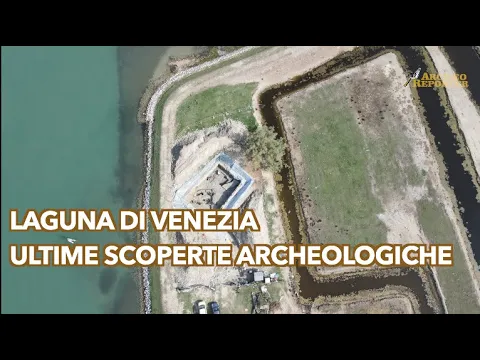

Ca’ Ballarin Roman Cistern Measured Approximately 9 by 10 Meters
Research cited by the University of Bologna indicates that the Ca’ Ballarin complex followed hydraulic engineering principles aimed at separating impurities and storing water.
-
Uzbekistan Works to Restore Aral Sea Landscape After 90% Loss, Reclaiming 1.7 Million Hectares

-
Farmers Install Over 500 Nest Boxes in Vineyards, Attract Owls That Hunt at Night, and Record Up to 52% Fewer Rodents without Increasing Pesticide Use
-
Archaeologists Find 1,600-Year-Old Skeleton Inside Large Jar at Roman Fortress in Bulgaria, With Two Knives and a Belt in Scene of Fire and Attack

-
Did Celtic Women Go to War? 2,500-Year-Old Tombs with Daggers and Spears, Skeletons Bearing Combat Marks, and Burials with Chariots Reinforce Evidence of Warrior Women in Ancient Europe


The structure measured approximately nine by ten meters and functioned underground. The system utilized natural settling, allowing heavier sediments to deposit before water reached the designated collection point.
The construction has been dated to the second half of the 1st century or the early 2nd century A.D., during the Roman Imperial period. Subsequent analyses also indicated the structure was in use until the 3rd century A.D.

Discovered Roman Cistern: Sand and Pebbles Formed a Natural Filtration System
The operation of the Ca’ Ballarin Roman cistern depended on various materials distributed throughout the reservoir. Sand and pebbles created physical barriers designed to retain materials present in the water.
In the upper layer, pebbles helped block larger debris. Fine sand acted in another stage, capturing smaller particles before the water moved through the system.
There was also a settling chamber, where denser sediments could accumulate. After this sequence, the water reached a central walled well designated for collection and storage.
The system thus combined three processes within the same structure: retention of larger impurities, filtration of smaller particles, and deposition of the heaviest sediments.

Water was a challenge in the Venetian Lagoon
The location helps explain the significance of the system. In a brackish environment like the Venetian Lagoon, obtaining suitable water for supply posed a challenge for the communities settled in the area.
The cisterns allowed for water storage and increased water autonomy. According to the analyzed material, such structures were also linked to the maintenance of agricultural activities and local trade networks.
The complex demonstrates how available materials, such as sand and pebbles, could be incorporated into a construction designed to control water flow and reduce sediment presence.
Discovery in 1998 was deepened five years later
The structural complex of Ca’ Ballarin was officially identified in 1998. Archaeological work continued in the following years until, in 2003, comprehensive analyses and detailed examinations of the well were completed.
These investigations enhanced understanding of the cistern’s internal organization and identified evidence related to the period during which it was in use.
The arrangement of components revealed a structure consisting of a settling tank, filtration areas with sand and pebbles, and a central collector well, providing researchers insights into the hydraulic solutions adopted in the region during the Roman Empire.
This article was based on information from the University of Bologna and material provided about the Ca’ Ballarin archaeological complex, with data, numbers, and information preserved as per the consulted material.


