





 Portuguese
  English
  Spanish
  7 min of reading
  1 comment


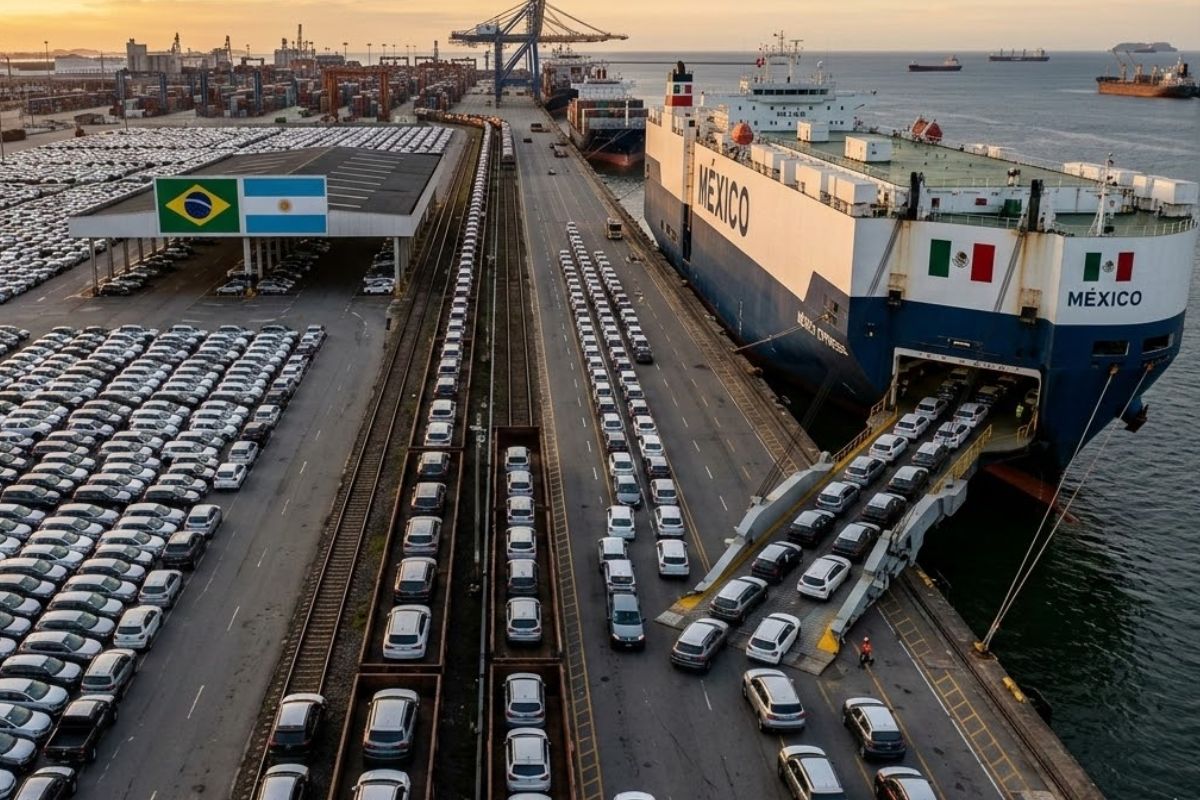


After a Challenging 2025 Driven by Argentina, the Brazilian Automotive Sector Started 2026 with a Decline in Car Exports, Saw the Neighboring Market Shrink, Found Unexpected Relief in Mexico, Sustained Part of Its Performance with Sales, and Began Monitoring Interest Rates, Production, and Effects of the War in the Middle East.
Car exports opened 2026 down and already indicate that the year has begun more challenging for Brazilian automakers. In the first two months, 59,400 units were shipped, compared to 82,400 in the same period last year, representing a decline of 28%. The main burden came from Argentina, which until recently helped sustain the positive external moment of the national industry and is now a source of concern.
This movement gains even more relevance because it occurs just after a 2025 in which the Argentine market played a central role in the increase of Brazilian sales abroad. At the same time, the sector found some breathing room in destinations such as Mexico and Chile, saw the domestic market avoid a stronger decline, and began to coexist with a delicate combination of factors, such as high interest rates, lower production, and international uncertainty.
Argentina Stops Driving the Sector and Becomes the Center of the Problem
The most important change in the export scenario at the beginning of 2026 is in Argentina. Between January and February, Brazilian shipments to the neighboring country fell from 15,600 to 14,400 units, a reduction of 7.5%.
-
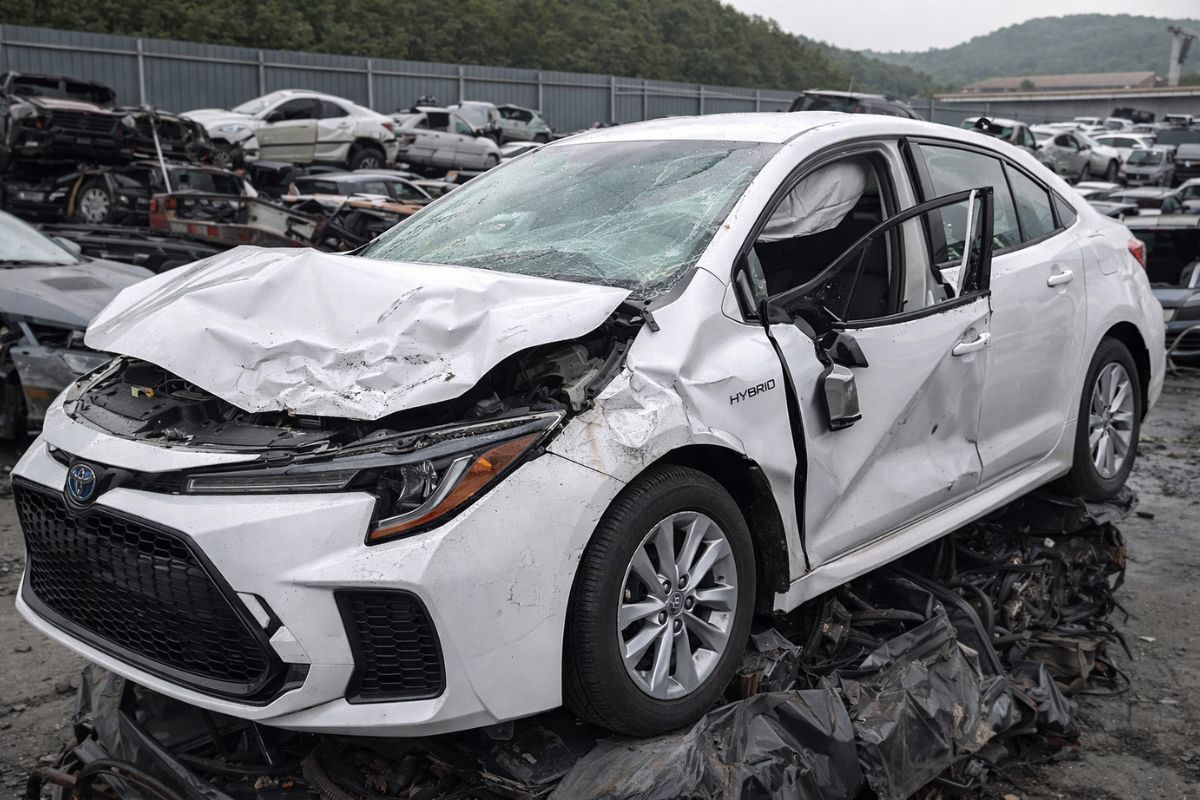
A 2024 Toyota Corolla hybrid with only 12,500 km ended up in the junkyard, and when the dismantling staff saw the car, they were shocked because they know that this model easily exceeds 300,000 km without serious mechanical issues.
-
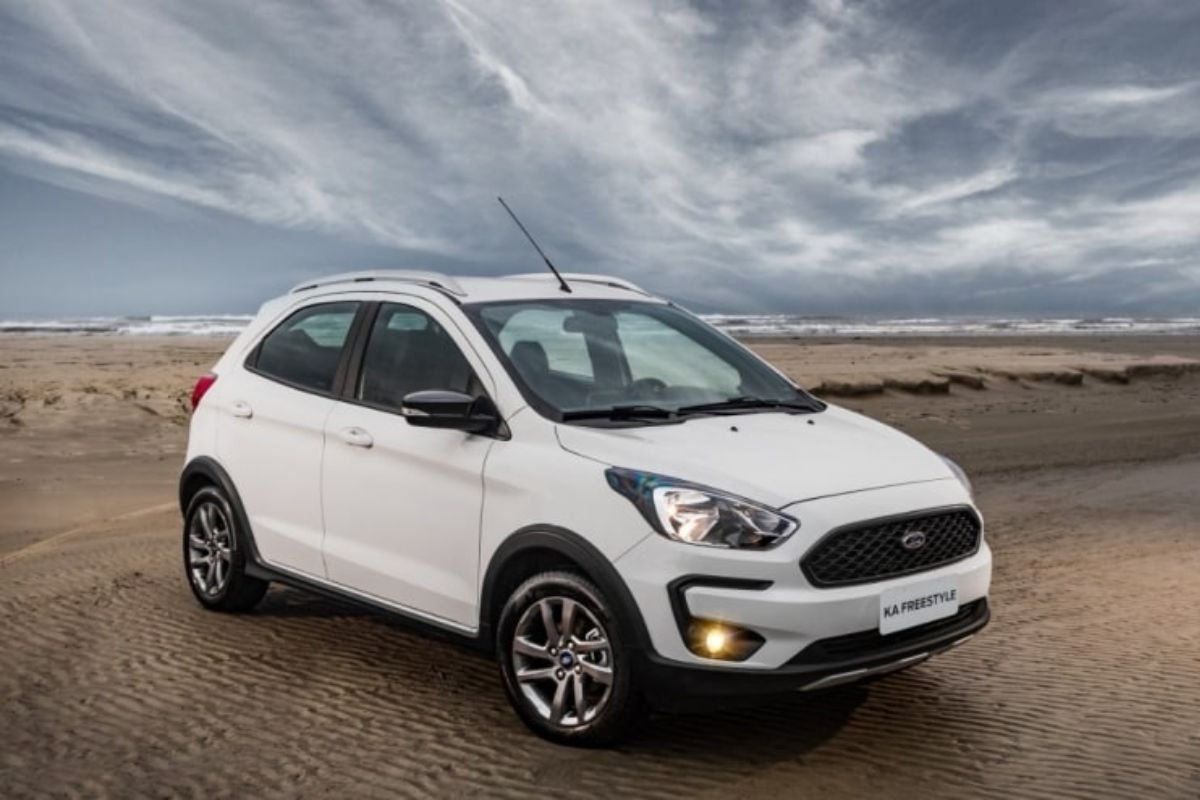
If you want a car with an SUV look but don’t have the money to buy a new one, there are 5 used models starting at R$ 17,900 with raised suspension and body protection that can handle dirt roads without fear.
-
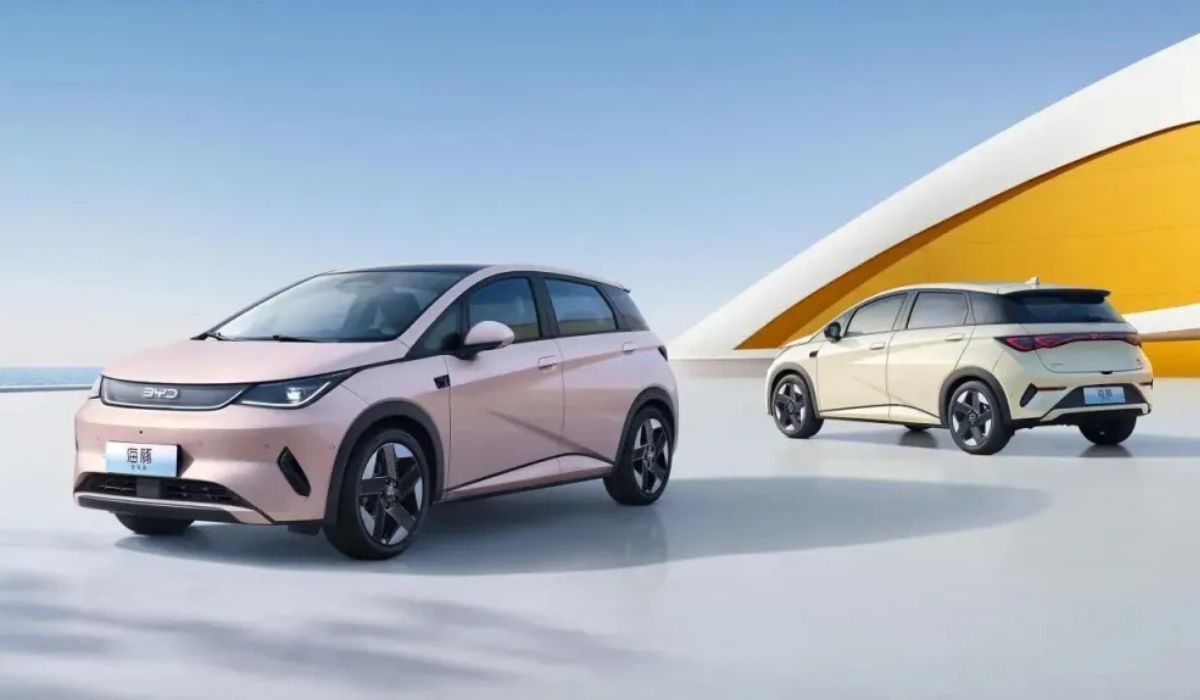
With a new look, more power, more technology, a larger size, and the farewell to a controversial item, the BYD Dolphin 2027 is getting ready to arrive in Brazil in 2026, stronger and more competitive than ever.
-
Is financing a car really worth it? Discover the impact of 25% annual interest and how you could end up paying up to R$ 39,000 more for your vehicle.


Isolated, the number already draws attention, but its importance is greater because Argentina had been the main external engine of the Brazilian automotive industry. In 2025, out of the 528,000 units exported by Brazil, 302,000 were destined for the Argentine market, showing the size of the dependence built over the years.
Now, the sector’s reading is much more cautious. Car registrations in Argentina fell 37% in February compared to January, reflecting uncertainties surrounding the reforms implemented by President Javier Milei.
When the main client loses momentum, the entire chain feels it, from automaker strategies to factory rhythms. That’s why the president of Anfavea, Igor Calvet, regarded the decline as a cause for concern, reminding that this market decisively helped the positive results achieved in 2025.
Mexico and Chile Alleviate Pressure, but Do Not Change the Overall Scenario
If the results of car exports were not worse, it is due to advances in other destinations, especially Mexico. In the last month, shipments to the Mexican market soared from 2,200 to 9,100 vehicles, a growth of 318%.
Chile also performed positively, with a rise of 34.1%, increasing from 1,600 to 2,200 units. These numbers show that there is demand outside the Argentine axis, which gives some maneuvering room for Brazilian automakers in a time of regional instability.
Still, this relief does not erase the overall magnitude of the decline. The sector lost volume where it was strongest, and isolated compensations do not have sufficient strength to immediately make up for a nearly 30% contraction in the accumulated bimonthly results.
Mexico emerges as an unexpected salvation because it helps to cushion part of the drop, but it does not automatically replace the historical relevance of Argentina for the Brazilian industry. In other words, there is diversification, but dependence on the neighboring market remains a decisive factor for the external performance of automakers.
Domestic Market Prevents a Worse Scenario, but the Reaction is Uneven
Within Brazil, the situation was more stable and prevented the start of the year from becoming even more negative for the sector. Vehicle sales totaled 355,700 units in the first two months, a slight decline of 0.1% compared to the same period in 2025.
At first glance, the result suggests stabilization, but the composition of the data reveals important differences between segments. Cars and light commercial vehicles grew by 1.8%, increasing from 334,100 to 340,100 units.
On the other hand, the performance of trucks and buses was much weaker. Sales of these vehicles decreased by 29.4%, falling from 22,100 to 15,600 units. This helps explain why the domestic market only partially held up under the pressure.
There is consumption in part of the base, but not uniformly, and this inequality weighs on the sector’s perception. Nevertheless, February had an average daily sales of 10,300 vehicles, the second-best result for the month in the last ten years, signaling that domestic demand still provides some support amid the loss of momentum in car exports.
Production Decreases, Electrified Vehicles Advance, and the Industry Reads Mixed Signals
While domestic sales avoid a more serious situation, production already shows a tighter environment. In the first two months, Brazil manufactured 338,000 vehicles, an 8.9% drop compared to the first two months of 2025.
This data helps to understand that the industry is not only reacting to the loss of external momentum but also adjusting its operation to a more cautious environment. Reduced production in a moment of weaker exports is a clear sign of defensive adjustment.
At the same time, electrified vehicles emerge as a point of contrast within the sector’s picture. There were 28,100 units sold in the accumulated bimonthly, with 43% being domestic. For Anfavea, this already reflects investments in technology and production announced by manufacturers in recent years.
The data does not resolve the immediate issue of car exports, but it reveals an area where the industry is trying to build competitiveness and portfolio renewal.
It is an important movement because it shows that, even under pressure, the sector is not paralyzed and continues seeking adaptation paths.
High Selic Continues to Weigh Down and Affects Primarily Heavy Vehicles
Another significant brake for the industry is the cost of money. According to Igor Calvet, the elevated Selic negatively affects both investments and purchasing power. This impact is even stronger on heavy vehicles, precisely the segment that has already shown a significant drop in domestic sales.
High interest rates compress credit, delay purchases, and freeze business decisions, limiting the sector’s ability to react even when there is some pent-up demand in the market.
The expectation of a Selic reduction in 2026 exists, but Anfavea itself operates on the idea that the positive effects will not be immediate. Calvet’s assessment is that the market takes an average of seven months to feel the adjustment, which pushes any eventual more noticeable response to the beginning of 2027.
This means that the Brazilian automotive industry is navigating 2026 while dealing with a well-known problem: even if the interest rate cycle begins to improve, the relief comes with a delay, while the pressure on registrations, investment, and industrial planning remains present.
War in the Middle East Increases Pressure on Costs and Logistics
In addition to regional and domestic factors, the sector monitors the effect of the conflict in the Middle East. According to Anfavea, the war is already affecting the price of crude oil and the logistics chain, two sensitive points for an industry that relies on predictable costs, efficient transport, and a regular supply of components and raw materials.
So far, there is no alert of supply shortages, but constant monitoring is in place with factories located in Brazil.
This type of uncertainty weighs heavily because it expands the risk zone at a time when car exports are already struggling with the Argentine crisis and the domestic market is facing the effects of high Selic. When oil, exchange rates, freight, and international confidence all enter the radar simultaneously, the sector loses predictability.
And predictability is precisely one of the most important elements for an industry that decides production, investment, and commercial strategy based on a medium-term horizon.
For now, the impact on national production is still unclear, but the simple necessity for continuous monitoring shows that the external environment has started to unsettle once again.
What 2026 Already Reveals for Brazilian Automakers
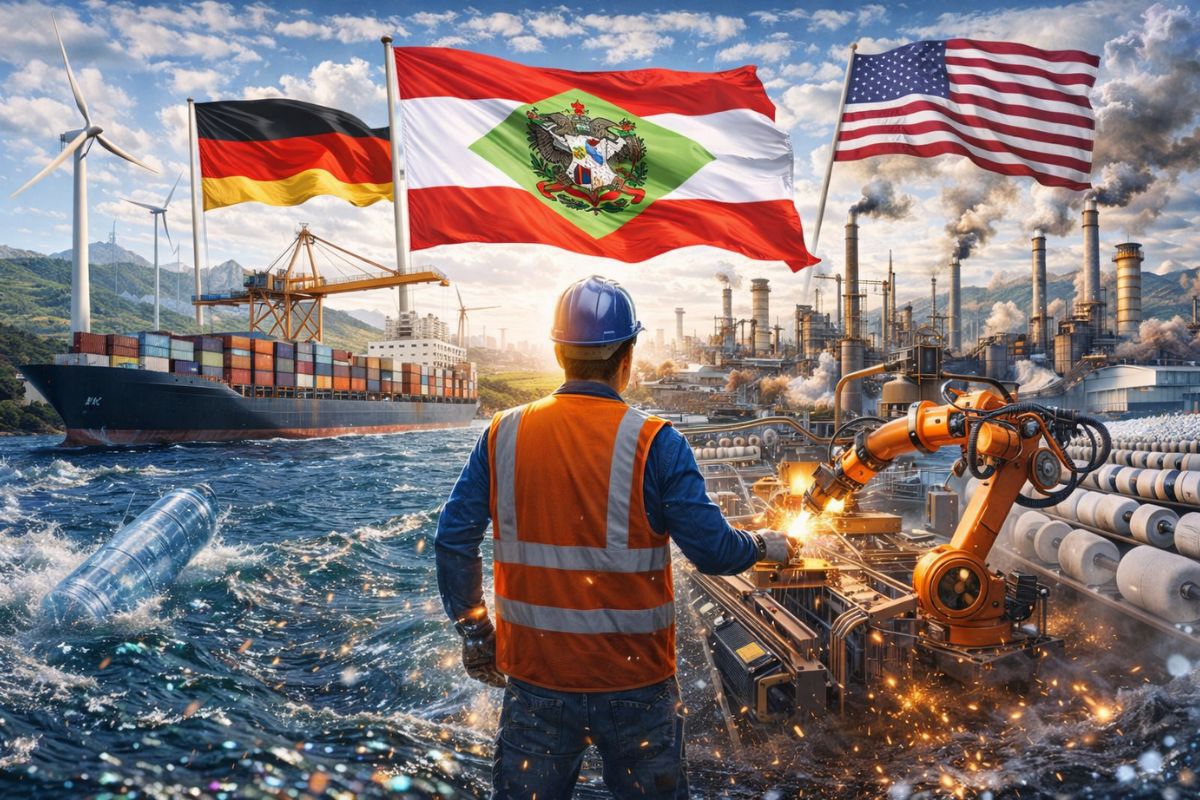
The beginning of 2026 leaves a direct message for the industry: depending too much on a single external market can generate quick vulnerability when the political and economic scenario changes. Argentina, which was crucial for the export leap of 2025, is now pulling results downward.
Mexico and Chile help, the domestic market supports part of the movement, and electrified vehicles indicate some technological advancement, but none of this eliminates the fact that the sector entered the year under combined pressure of weak demand, high credit, declining production, and global uncertainty.
For automakers, the challenge is not only to sell more but to reorganize priorities, reduce exposure to external shocks, and navigate a period where the market’s response may be slow. The sector still has points of support, but the alert has been raised too early to be ignored.
In your view, should Brazil reduce its dependence on Argentina for car exports or is the more urgent path to strengthen the domestic market and credit for the industry to react?






Investir no mercado interno reduzindo pela metade ou mais a carga tributária