





 Portuguese
  English
  Spanish
  2 min of reading



With the Inauguration of the President Néstor Kirchner Gas Pipeline, Argentina Takes an Important Step Towards Its Energy Independence and the Consolidation of Vaca Muerta as One of the Largest Unconventional Gas Reserves in the World.
On Argentina’s Independence Day, President Alberto Fernández inaugurated the first section of the President Néstor Kirchner Gas Pipeline (GPNK). Considered the most important project of the last few decades in the country, the government is now seeking financing from BNDES to continue construction. With a length of 573 kilometers, this initial phase will connect the shale oil and gas reserves of the Vaca Muerta field in the west of the country to the province of Buenos Aires in the north. With an investment of US$ 2.5 billion, the works were expedited due to the elections scheduled for October. Now, the plan is to bid soon for the second phase, which will extend 467 km to the province of Santa Fé.
Check Out How the Inauguration of the First Section of the President Néstor Kirchner Gas Pipeline (GPNK) Took Place

The Potential of the Gas Pipeline for the Economy of Argentina, Future Prospects in the Local Oil and Gas Market, and the Search for External Financing
The Argentine government sees the GPNK as an opportunity to boost the country’s economy and reduce dependence on gas imports.
With the operation of this gas pipeline, Argentina will save about US$ 2.2 billion annually on gas imports from Bolivia.
-
Petrobras evaluates suspension of sales to distributors and considers canceling the cooking gas auction following guidelines from the Federal Government.

-
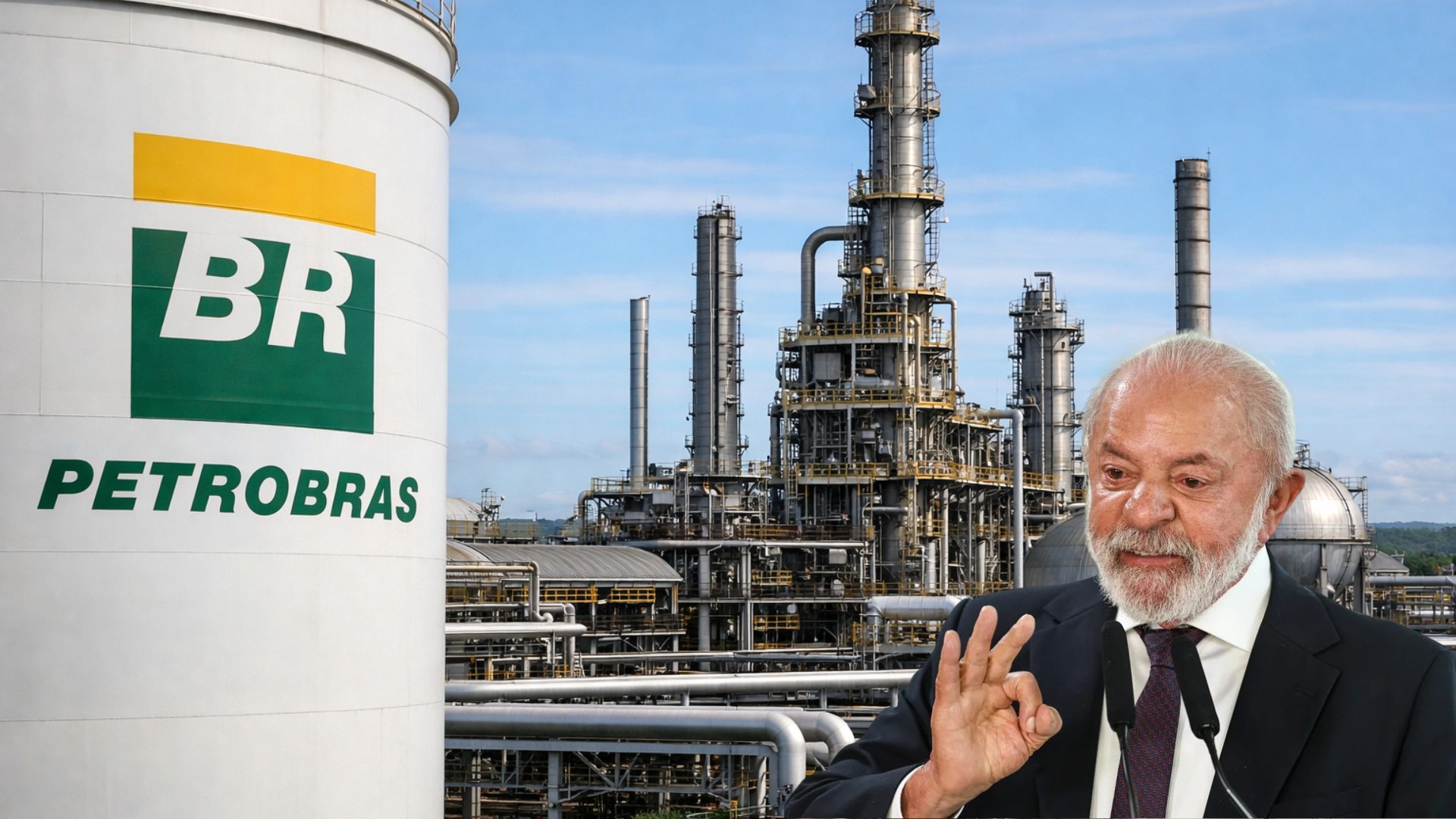
Lula reveals a masterstroke by Petrobras to undo a deal made by Bolsonaro, which involves the return of an important refinery that currently produces less than half of what was expected and makes Brazil dependent on international diesel.
-
A study confirms that the natural gas sector will reduce greenhouse gas emissions in Brazil by 0.5% and accelerate the energy transition by 2026.

-
Petrobras implements a severe adjustment and confirms a 55% increase in the price of aviation kerosene with a proposal for installment payments for the companies.

Moreover, the gas pipeline will allow Argentina to export the surplus gas from Vaca Muerta to neighboring countries, such as Brazil and Chile, increasing foreign currency revenues.
Argentina has ambitious plans for the GPNK, envisioning its expansion to southern Brazil and northern Chile.
This would allow the surplus gas from Vaca Muerta to be exported to these countries, consolidating Argentina as an important regional gas supplier.
However, for the next phase of construction of the gas pipeline, obtaining external financing will be necessary.
The main ongoing negotiation is with Brazil, with the possibility that the companies involved in the construction of the section can access credit from BNDES.
In addition, China has also expressed interest in financially supporting the venture.
These external investments are crucial to boost the Argentine economy and ensure the continuity of the project.








Seja o primeiro a reagir!