






 Portuguese
  Spanish
  2 min of reading



With the Inauguration of the President Néstor Kirchner Gas Pipeline, Argentina Takes an Important Step Towards Its Energy Independence and the Consolidation of Vaca Muerta as One of the Largest Unconventional Gas Reserves in the World.
On Argentina’s Independence Day, President Alberto Fernández inaugurated the first section of the President Néstor Kirchner Gas Pipeline (GPNK). Considered the most important project of the last few decades in the country, the government is now seeking financing from BNDES to continue construction. With a length of 573 kilometers, this initial phase will connect the shale oil and gas reserves of the Vaca Muerta field in the west of the country to the province of Buenos Aires in the north. With an investment of US$ 2.5 billion, the works were expedited due to the elections scheduled for October. Now, the plan is to bid soon for the second phase, which will extend 467 km to the province of Santa Fé.
Check Out How the Inauguration of the First Section of the President Néstor Kirchner Gas Pipeline (GPNK) Took Place

The Potential of the Gas Pipeline for the Economy of Argentina, Future Prospects in the Local Oil and Gas Market, and the Search for External Financing
The Argentine government sees the GPNK as an opportunity to boost the country’s economy and reduce dependence on gas imports.
With the operation of this gas pipeline, Argentina will save about US$ 2.2 billion annually on gas imports from Bolivia.
-
Petrobras is expected to complete the drilling of the Morpho well in the Foz do Amazonas in August 2026, the first well in the Equatorial Margin, an oil frontier that the ANP estimates at more than 30 billion barrels and could redraw the map of Brazil.

-
Oil returns to the center of concerns with tension between the US and Iran

-
IEA reduces forecast for global oil demand in 2026 after impacts of the Middle East crisis

-
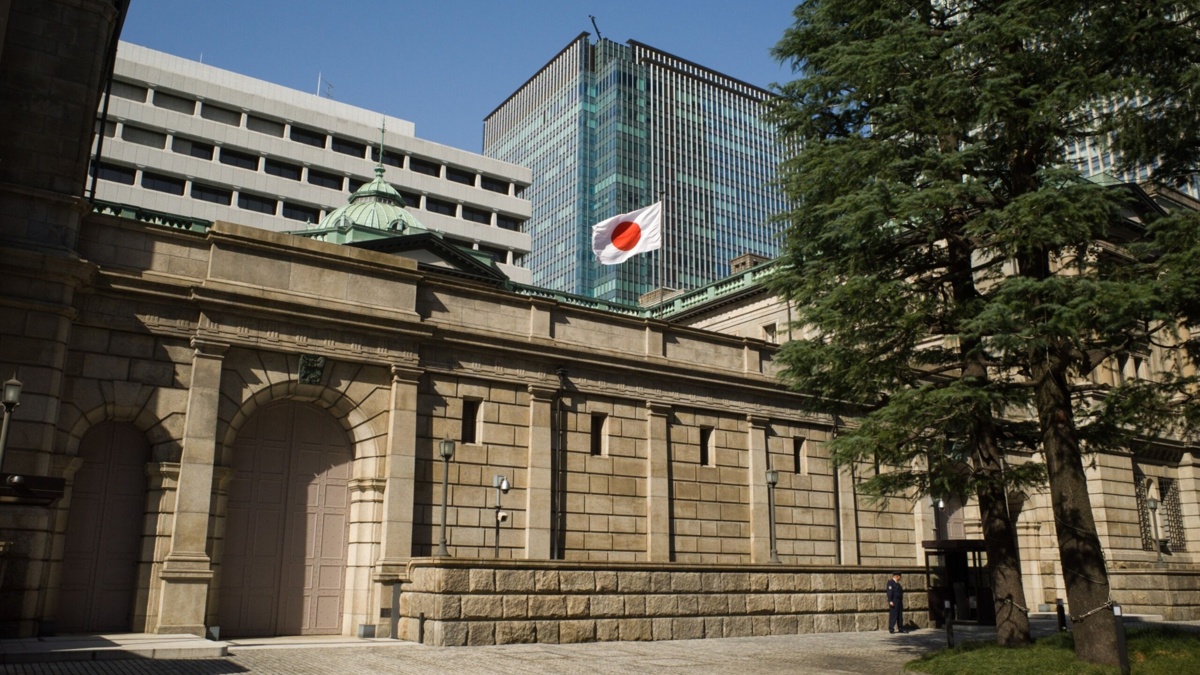
Bank of Japan raises interest rates to 1%, reaching the highest level in over three decades


Moreover, the gas pipeline will allow Argentina to export the surplus gas from Vaca Muerta to neighboring countries, such as Brazil and Chile, increasing foreign currency revenues.
Argentina has ambitious plans for the GPNK, envisioning its expansion to southern Brazil and northern Chile.
This would allow the surplus gas from Vaca Muerta to be exported to these countries, consolidating Argentina as an important regional gas supplier.
However, for the next phase of construction of the gas pipeline, obtaining external financing will be necessary.
The main ongoing negotiation is with Brazil, with the possibility that the companies involved in the construction of the section can access credit from BNDES.
In addition, China has also expressed interest in financially supporting the venture.
These external investments are crucial to boost the Argentine economy and ensure the continuity of the project.






Be the first to react!