





 Portuguese
  English
  Spanish
  5 min of reading
  0 comments


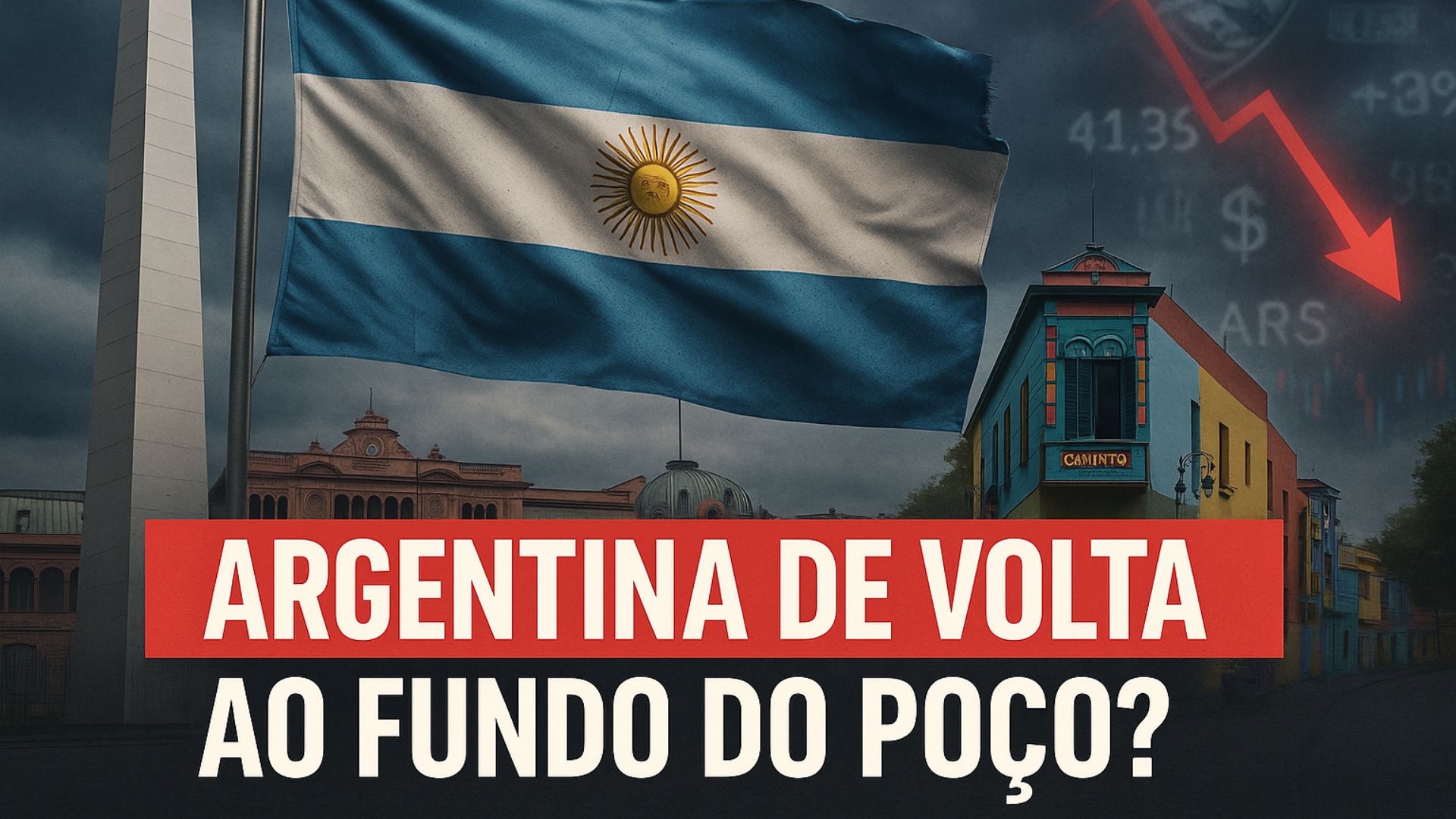
Javier Milei’s Government Intensifies Dollar Sales to Contain the Peso as Reserves Run Low and the IMF Imposes Limits. The Parallel Dollar Soars and Pressures Argentinian Bonds Amid Political and Economic Uncertainty.
For the sixth consecutive session, the government made offers in the market as the Treasury burns deposits in hard currency, and operators are now estimating that there are about US$ 700 million left in cash.
The Central Bank has more robust usable reserves, but faces constraints imposed by the agreement with the IMF, amid a surge in the parallel dollar and the deterioration of sovereign bond prices.
-
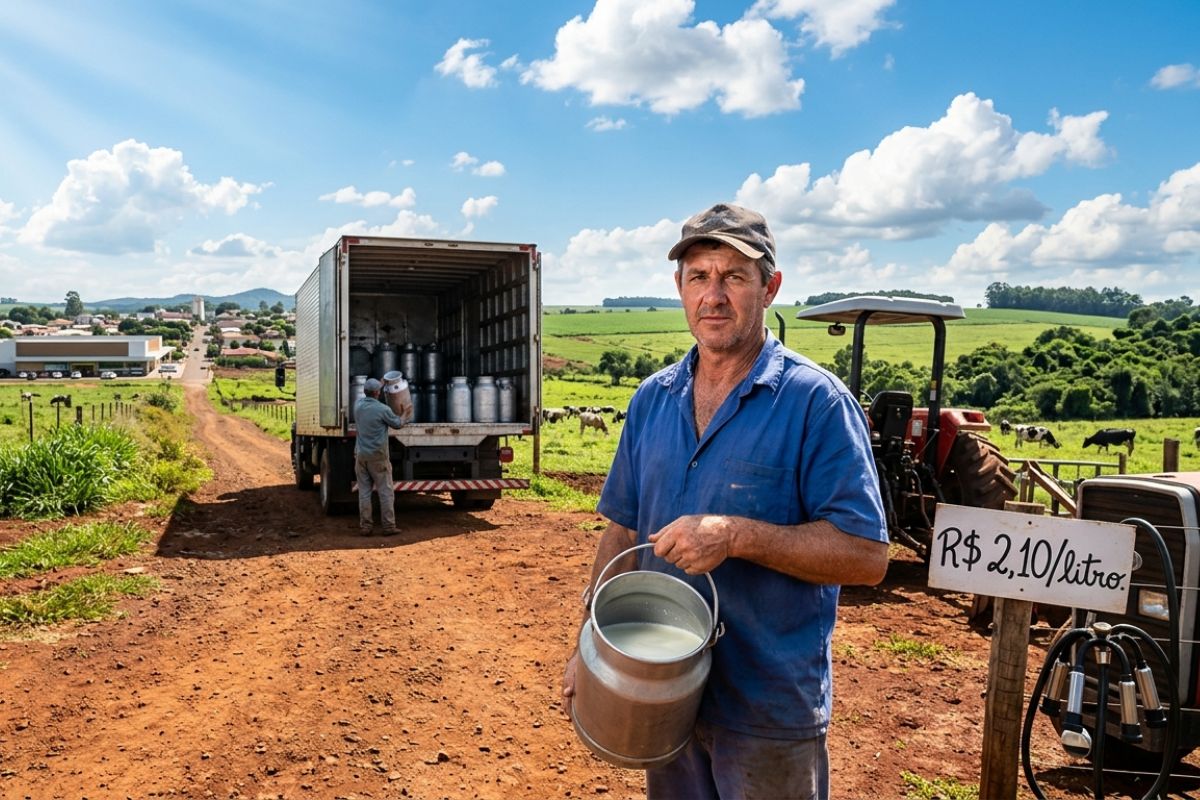
In Paraná, long-life milk prices rise by 17% and powdered milk by nearly 9%, but producers still receive R$ 2.10 while the market charges R$ 7; middlemen keep the difference and are awaiting a price adjustment.
-
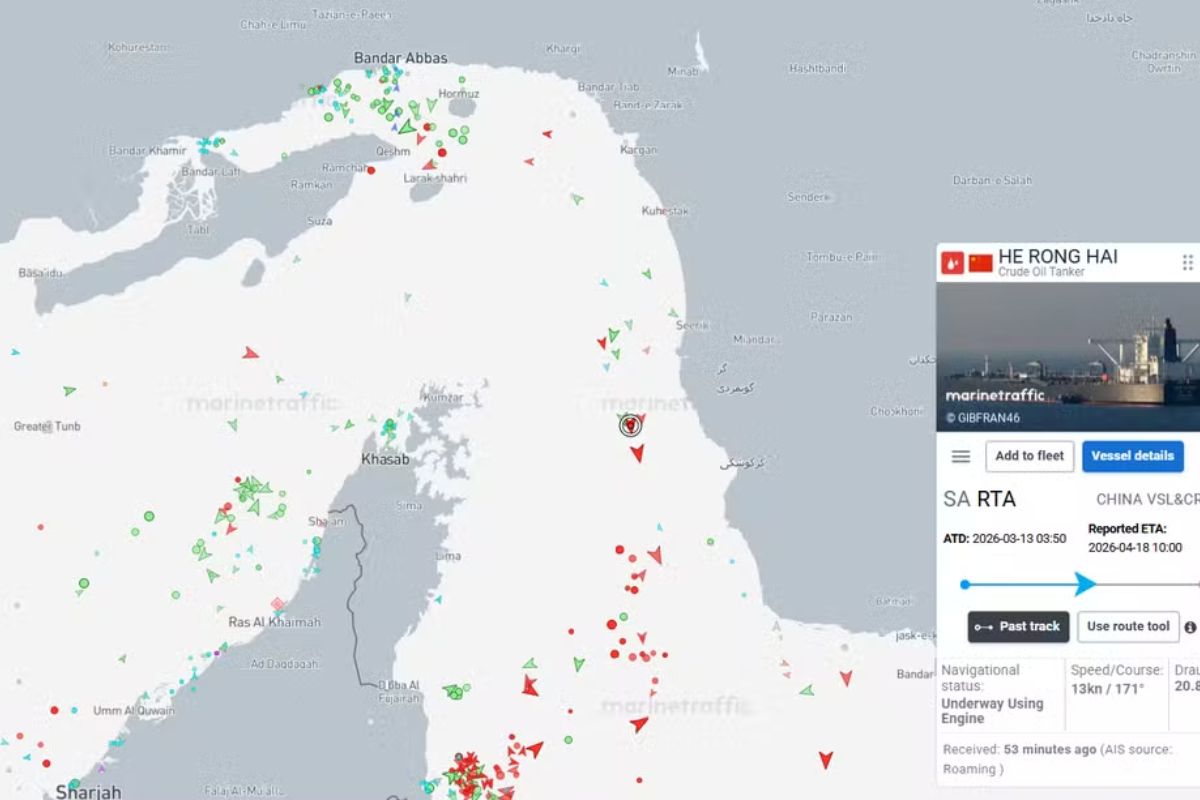
Two Chinese supertankers chartered by Asia’s largest refiner have just crossed the Strait of Hormuz and may be the first to leave the Persian Gulf since the ceasefire between the United States and Iran on a route that still has mines and uncertainties.
-
While Havan earns R$ 50 million per day throughout the year, Cacau Show managed six times more in just 24 hours, totaling half a billion reais in two days of Easter.

-
Weak dollar or strong real? The American currency plummets for the third day, approaching R$ 5 and surprising the market with global inflation and tensions in the Middle East that continue to create global uncertainty.

Dollar Sales Have Become Routine
According to market estimates, the government disbursed between US$ 250 million and US$ 330 million on Tuesday to keep the exchange rate practically stable for the day.
Adding the last six sessions, the interventions total at least US$ 1.5 billion.
Even though the numbers are not officially disclosed by the Treasury, market participants report a constant presence of public currency offers in an effort to flatten volatility and avoid a new round of reallocating to the dollar.
Meanwhile, the Ministry of Economy continues to use its own deposits — and not the Central Bank’s gross reserves — to sustain the exchange rate.
The current assessment among managers is that the Treasury’s room for maneuver has shrunk, which is why the daily operation in the foreign exchange market has taken on a defensive character.
Central Bank and IMF Agreement Limits
The Central Bank of the Argentine Republic (BCRA) has dollars estimated by private firms at about US$ 10 billion that are usable.
However, there are contractual restrictions.
Under the current understanding with the IMF, the monetary authority can only intervene directly with its own reserves if the exchange rate crosses the agreed fluctuation band, which on Tuesday was between 943 and 1,484 pesos per dollar.
In September, the BCRA sold US$ 1.1 billion on three occasions, but since then, the dominant strategy has been to use Treasury resources to maintain the regime and avoid triggering the IMF program’s clauses.
Still, the tightening liquidity environment and the persistence of fiscal and political uncertainties keep the demand for currency protection alive.
Even recent adjustments in monetary policy have not been sufficient to reduce the demand for dollars.
Pressure on the Parallel Dollar and Futures
The street dollar surpassed 1,500 pesos, widening the gap from the official exchange rate, which closed the session at around 1,429.5 pesos per dollar.
The difference between quotes, which had been fluctuating, gained traction despite the reintroduction of controls, such as the prohibition on the resale of dollars for 90 days and the reinforcement of futures contracts sales.
In the derivatives market, curves began to price in an annual depreciation of up to 60% over the next 12 months — a level above the average inflation expectations considered by analysts.
This movement signals that agents see the risk of a new adjustment of the official exchange rate if public sector reserves continue to decline and the parallel rate remains pressured.
Bet on Help from Washington
In an effort to replenish liquidity, the government is seeking external financial support.
Scott Bessent publicly committed to coordinating a lifeline and stated that he would maintain discussions with the Minister of Economy, Luis Caputo, who traveled to Washington accompanied by the president of the BCRA, Santiago Bausili.
The size and timing of a potential package, however, remain undefined.
As negotiations progressed, the economic team strengthened monetary tightening and resumed capital controls to discourage speculative operations in the short term.
Still, signals in the market showed little respite: demand for alternative dollars increased, liquidity tightened, and risk premiums rose along the interest rate curve.
Debt, November Deadline, and Investor Sentiment
Currency tension is intensifying on the eve of a US$ 500 million maturity in November, which will require cash in hard currency.
With available reserves under scrutiny, the perception of risk regarding short-term payment ability has deteriorated, and sovreign dollar bonds have fallen again across the curve.
Issues maturing in 2035 registered a depreciation of about one cent, trading at around 56 cents on the dollar, according to indicative quotes.
The movement reflects fears that, without new funding, the country may have to resort to more drastic measures to manage pressure on the balance of payments, especially if demand for foreign currency remains high.
Politics and Exchange Rate: A Self-Reinforcing Cycle
The pressured exchange rate occurs amid a busy political calendar.
President Javier Milei’s government is approaching the midterm elections on October 26, after suffering a significant defeat in a provincial election the previous month.
Some in the market read that the electoral context reduces the space for unpopular short-term measures, while the lack of a clear anchor of confidence keeps demand for hedging high.
Moreover, the reintroduction and reinforcement of capital controls — while momentarily relieving pressure in the official market — tend to shift part of the flow to parallel channels.
In practice, tension migrates, weighs on the street quote, and self-reinforces the expectation of depreciation, making it more expensive to roll over liabilities and complicating the replenishment of reserves.
What Is at Stake Now
Without a stable source of dollars, the government relies on a combination of external support, credible fiscal signaling, and management of the exchange rate regime to restore confidence.
As the gap between the parallel and official rates remains high, companies are holding off on investment decisions and delaying non-essential imports, which in turn affects activity.
The situation requires fine-tuning: over-intervening quickly depletes ammunition; under-intervening risks disordered depreciation.
It remains to be seen whether a financing solution from Washington will arrive in time and with sufficient volume to replenish liquidity cushions, ease the futures market, and allow a path to normalization without further disruptions.
Which government move would have the greatest power to turn the page: immediate reserve reinforcement, adjustment of the exchange rate regime, or a political pact that reduces uncertainty?






-

-

-

-

6 pessoas reagiram a isso.