





 Portuguese
  English
  Spanish
 4 min of reading
  7 comments





Discover the Raúl Uranga – Carlos Sylvestre Begnis Subfluvial Tunnel, a Pioneering Structure in South America That Connects the Cities of Santa Fe and Paraná Since 1969, Revolutionizing Transport in the Region.
Have you ever imagined crossing a huge river without needing a ferry or a bridge? Well, this is the proposal of a submerged tunnel, an incredible solution that has been used worldwide to connect places separated by large bodies of water. One of the oldest and most important examples in South America is the Subfluvial Tunnel Raúl Uranga – Carlos Sylvestre Begnis, which links the cities of Santa Fe and Paraná in Argentina. Since its inauguration in 1969, it has changed the lives of thousands of people, allowing a quick and safe crossing over the Paraná River. In this article, we will explore the history, structure, and importance of the Subfluvial Tunnel, as well as discuss other submerged tunnel projects that are being planned in Brazil.
What Is a Submerged Tunnel?
A submerged tunnel, as the name suggests, is a structure built below bodies of water, such as rivers or seas. Unlike bridges, it provides a practical solution for crossing without disrupting boat traffic. A famous example is the Eurotunnel, which connects the United Kingdom to France through the English Channel, spanning an impressive 50.45 kilometers.
In South America, the highlight is the Subfluvial Tunnel on the Paraná River, which was a pioneer in its category on the continent. With a length of 2,937 meters, it was one of the first major engineering works to facilitate road connection between the Argentine provinces of Santa Fe and Entre Ríos.
-
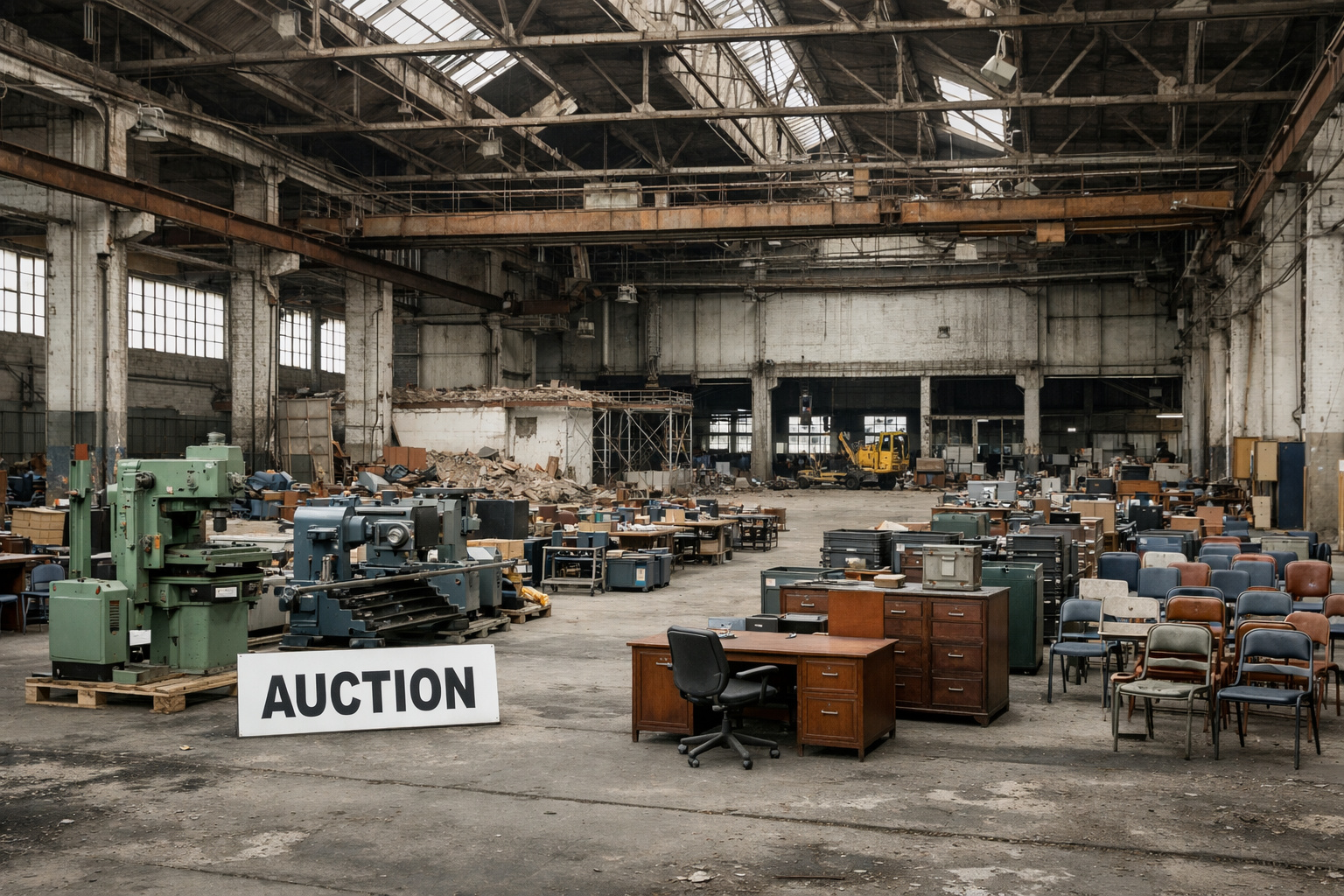
Historic bankruptcy of Centauro shocks the market, and the century-old company puts more than 500,000 products, machines, and complete infrastructure up for online auction.
-
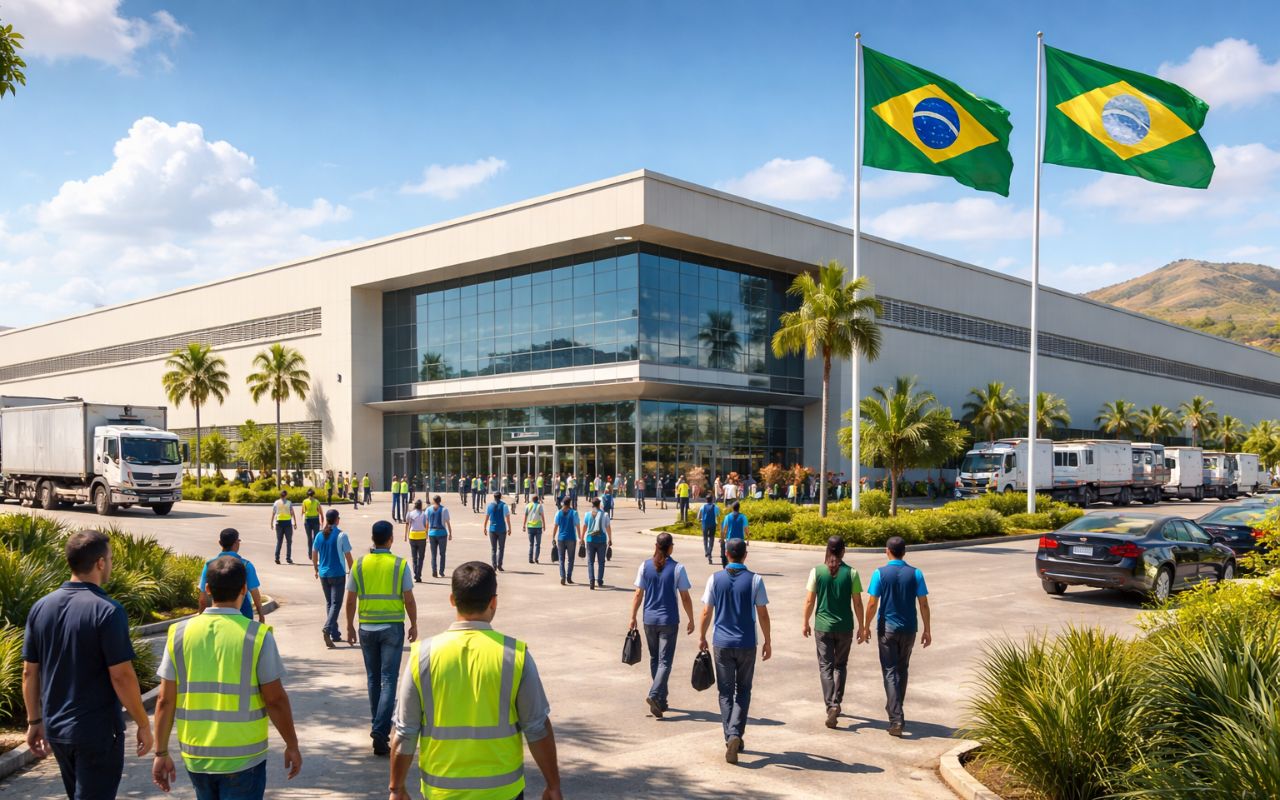
New shoe factory in Ceará is expected to create 400 jobs and strengthen the local economy.
-
No one imagined it, but a mixture of sawdust with a mineral that fights fires surprises scientists with a result that changes the course of fire-resistant construction.

-
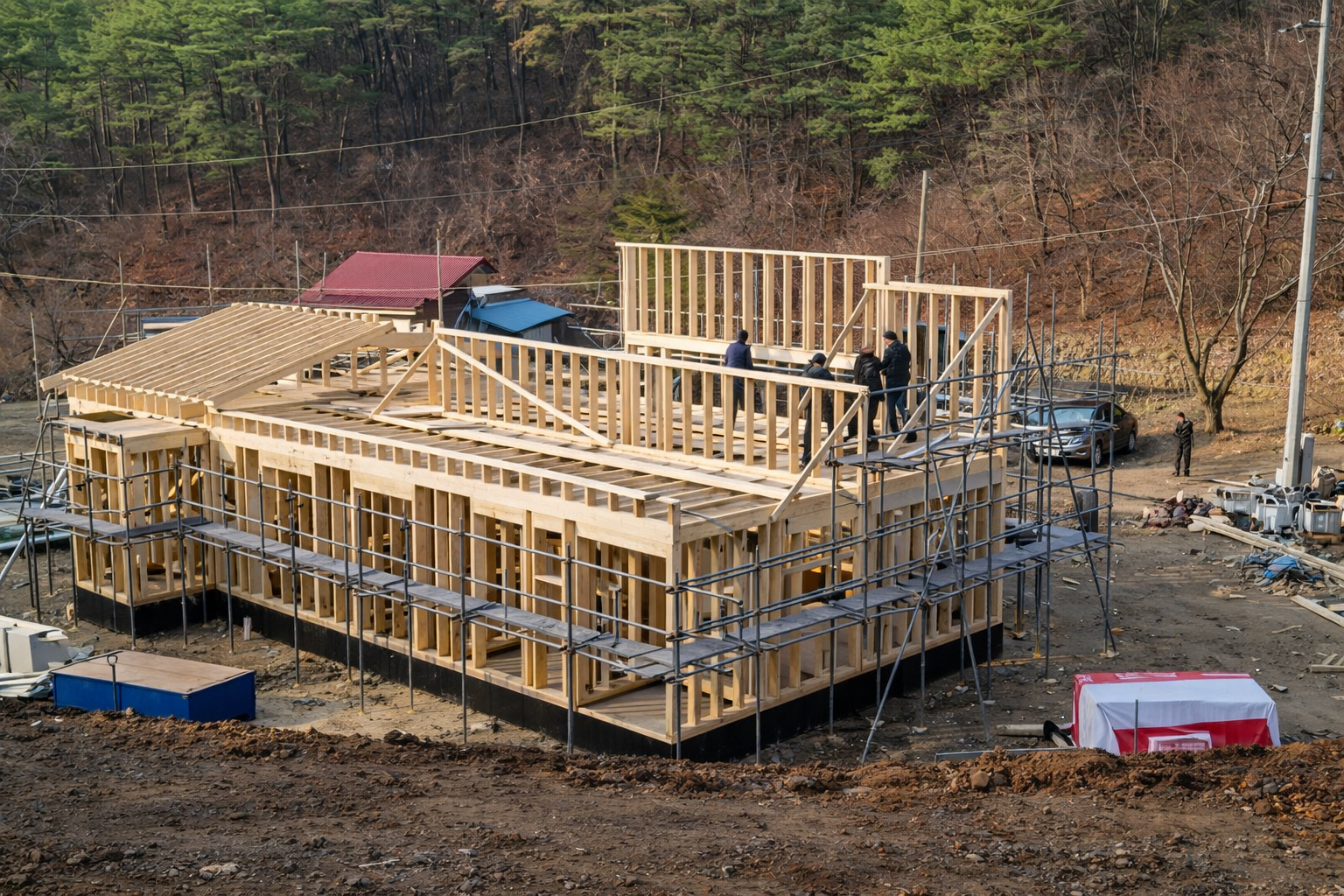
From empty land to a high-end house, wooden construction uses a lightweight system, metal structure for the foundation, ventilated ceramic cladding, and special windows to create an efficient and comfortable living space throughout the year.

Subfluvial Tunnel Raúl Uranga – Carlos Sylvestre Begnis
Opened on December 13, 1969, the Subfluvial Tunnel was a milestone for Argentina. It connects the cities of Santa Fe and Paraná, which previously depended exclusively on ferries to cross the Paraná River. The project resulted from an agreement between governors Raúl Uranga and Carlos Sylvestre Begnis, who lend their names to the tunnel.
With a single lane and one lane for each direction, the tunnel allows for about 12,613 vehicles to pass daily. The crossing takes approximately three minutes, with a permitted speed between 40 km/h and 60 km/h. Additionally, the tunnel is monitored 24 hours a day by an operations center that ensures user safety.
Why Choose a Submerged Tunnel?
The choice of a submerged tunnel to cross the Paraná River was strategic. A bridge could hinder navigation flows in the river, while the tunnel provides an efficient and safe solution for road traffic. Moreover, the structure requires less maintenance in comparison to bridges, making it a cost-effective option in the long run.
Another important point is the safety technology employed. The Subfluvial Tunnel is equipped with cameras, carbon monoxide sensors, and audio systems for alerts. In case of emergencies, there are niches with fire extinguishers and hydrants every 100 meters, along with a pumping system to prevent flooding.
The construction of the Subfluvial Tunnel had a significant impact on the development of the cities of Santa Fe and Paraná. The road connection facilitated the transportation of people and goods, boosting the local economy and increasing integration between the two provinces. Today, the metropolitan region of Santa Fe-Paraná is home to nearly one million inhabitants, who benefit daily from this infrastructure.
Submerged Tunnel Projects in Brazil
The success of the Subfluvial Tunnel in Argentina inspires similar projects in other countries, including Brazil. Currently, two submerged tunnel works are in planning here: the Immersed Tunnel Santos-Guarujá in São Paulo, and the tunnel in the Itajaí-Açu River in Santa Catarina.
Immersed Tunnel Santos-Guarujá
On the São Paulo coast, the project for the submerged tunnel between Santos and Guarujá has been awaited for nearly a century. Recently, Governor Tarcísio de Freitas signed a law authorizing the public-private partnership (PPP) for the construction of the work, expected to be completed by 2028. The tunnel will be 870 meters long and will expedite the crossing, which is currently done by ferries and can take up to 30 minutes.
The new structure will allow for vehicle, cyclist, and pedestrian passage, in addition to featuring an adaptable lane for Light Rail Vehicles (VLT). With an estimated investment of R$ 6 billion, the tunnel promises to reduce the crossing time to just five minutes.
Submerged Tunnel in the Itajaí-Açu River
Another promising project is the submerged tunnel that will connect the cities of Itajaí and Navegantes in Santa Catarina. With a length of 300 meters, it will be an efficient alternative for traffic, offering six traffic lanes, including one exclusively for electric buses (BRT). Although there is not yet a defined start date for the construction, the project is an important bet to improve urban mobility in the region.
Submerged Tunnels, an Innovative Solution
Submerged tunnels, like the Subfluvial Tunnel on the Paraná River, are examples of engineering that transform the way we connect. They offer a safe and efficient alternative for crossing rivers and seas, without compromising the flow of vessels or the environment.
With new projects underway in Brazil, such as the Immersed Tunnel Santos-Guarujá and the tunnel in the Itajaí-Açu River, the country is moving towards adopting this innovative solution in its infrastructure. These works not only facilitate mobility but also drive the economic and social development of the regions where they are built.








Aqui no estado de Santa Catarina, na região de Navegantes e, Itajaí/SC., esta para ser feito um túnel, será que não vai ficar na utopia como na ponte mais de 20 anos.
Tenho apto no Guarujá e tô esperando essa novela há muito tempo
Nos gustaria de saber mas, sobre eeta obra de la ingenieria Argentina.