





 Português
  Inglês
  Espanhol
  3 min de leitura
  0 comentários


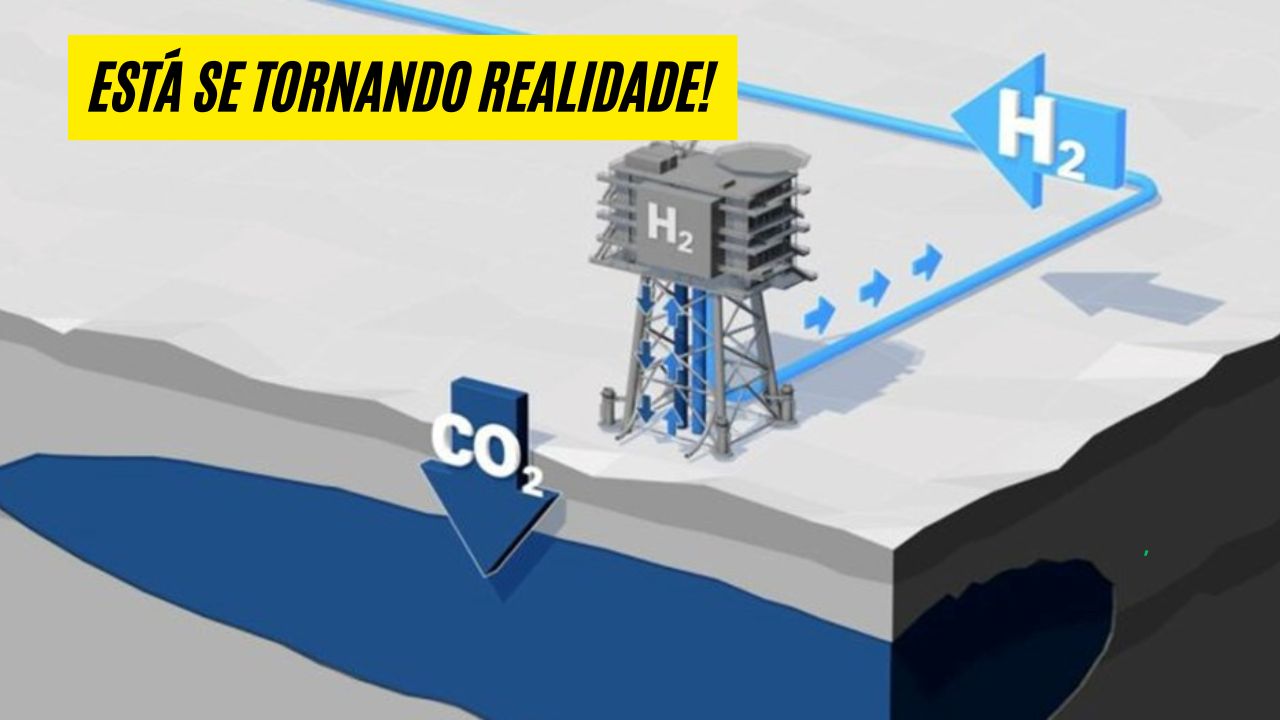
Carbon Storage in the North Sea Advances in an Innovative Megaproject Led by Energy Giants, Boosting the Path to Net Zero
The UK’s first carbon storage is officially moving from paper to reality. The North Sea Transition Authority (NSTA) granted the Northern Endurance Partnership (NEP), a consortium formed by BP, Shell, and TotalEnergies, the license to start an innovative megaproject aimed at large-scale CO₂ storage underground in the seabed. The construction is expected to begin in mid-2025, with the first injection scheduled for 2027 and full operation by 2028.
Located about 75 kilometers east of Flamborough Head on the east coast of England, this innovative carbon storage megaproject will have the capacity to inject up to 4 million tons of CO₂ per year for about 25 years, totaling up to 100 million tons.
Offshore Infrastructure Installation
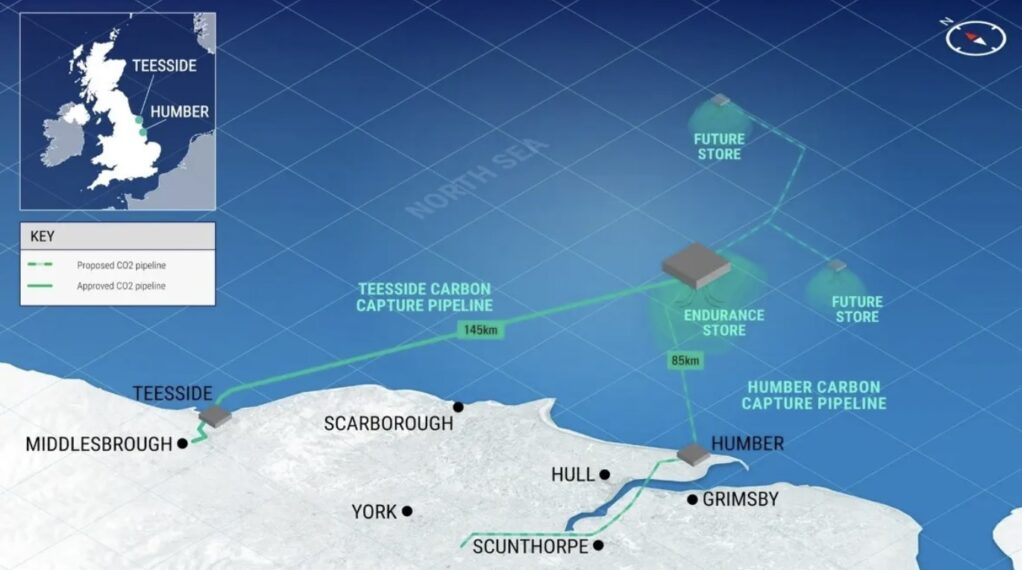
The granted license, along with the Economic License from the Department of Energy Security and Net Zero, allows for the installation of offshore infrastructure, including 145 kilometers of underwater pipelines, as well as compressors and an onshore CO₂ collection network.
-
A gigantic freshwater reservoir appears beneath the Great Salt Lake, between 3 and 4 kilometers deep, surprising scientists with an unexpected flow towards the interior of the lake.

-
At over 8,800 meters above sea level, the summit of Mount Everest is made up of rocks that originated at the bottom of an ocean about 500 million years ago and were pushed to the highest point on Earth by the collision of tectonic plates.

-
Japan targets a remote island in the Pacific measuring only 1.51 square kilometers, located 1,900 kilometers from Tokyo, to store nuclear waste for up to 100,000 years, raising alarms at sea.
-
A 1,900-year-old papyrus found in the Judean Desert reveals a crime of the Roman Empire involving fraud, forgery, and a detailed court hearing.


This initial infrastructure supports three important carbon capture initiatives in the Teesside region: the NZT Power, H2Teesside, and Teesside Hydrogen CO2 Capture. All of this is part of a broader carbon storage effort in the so-called Endurance, a saline aquifer about 1,000 meters below the seabed, which is part of the East Coast Cluster, a highlight in the UK government’s Track 1 program.
Carbon Storage Is No Longer Just a Concept
According to Stuart Payne, CEO of NSTA, the completion of licensing is a historic milestone, as carbon storage ceases to be a distant concept and becomes a reality.
According to Payne, the UK energy industry has strong infrastructure, a globally recognized supply chain, and highly qualified professionals, factors that propel this innovative megaproject toward net zero, ensuring quality jobs and growth opportunities in the sector.
In parallel announcements, companies reported reaching financial closure for both NEP and NZT Power, in which Equinor and BP hold significant stakes. Thus, carbon storage advances as an innovative megaproject, consolidating the UK as one of the leading global hubs for CO₂ capture and storage, and paving the way for a more sustainable and low-carbon economy.







Seja o primeiro a reagir!