





 Portuguese
  English
  Spanish
  3 min of reading
  1 comment


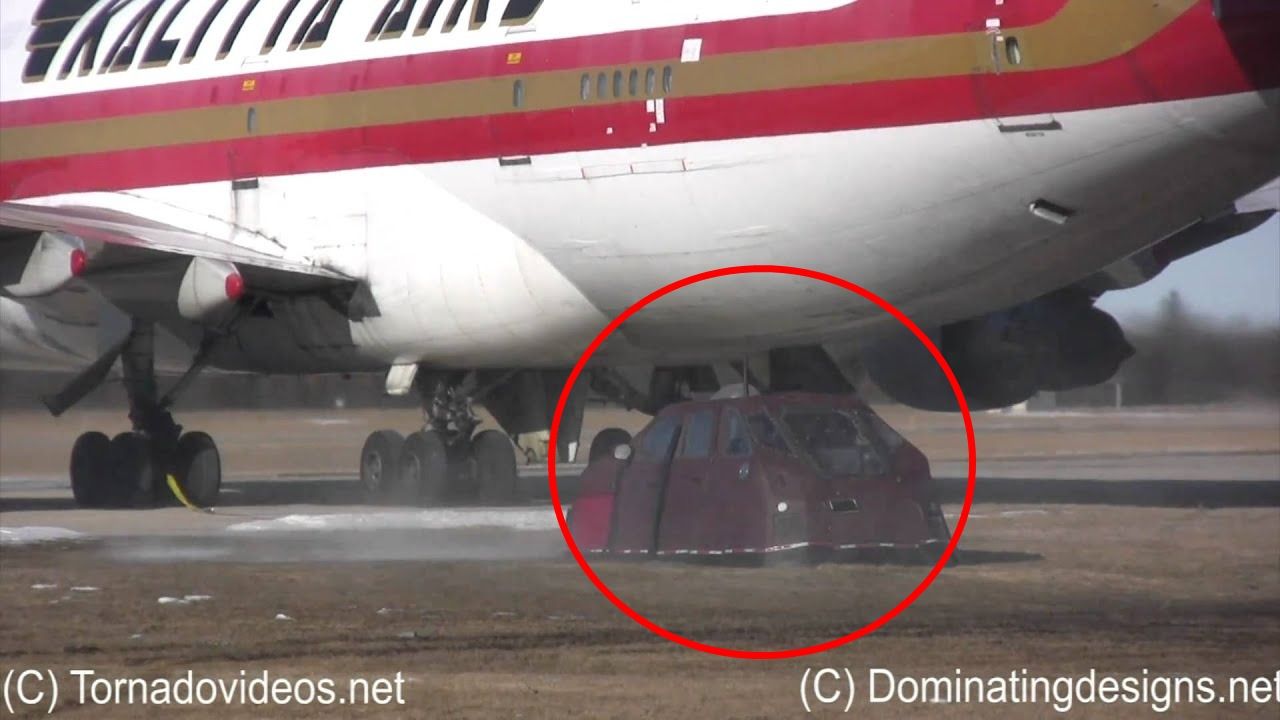


Special Episode Pitted Storm-Chasing Vehicles Against Simulated EF5 Tornado Winds Using Boeing 747 Engines to Test Maximum Resilience.
In an episode of Mythbusters, they had a simple yet bold objective: to find out if the vehicles used by storm chasers would withstand the winds of an EF5 tornado.
The most important thing is that they did not use just any simulation.
To generate the winds, they resorted to something much more radical: the engines of a Boeing 747. This choice ensured realistic intensity and enough danger to keep everyone alert.
-
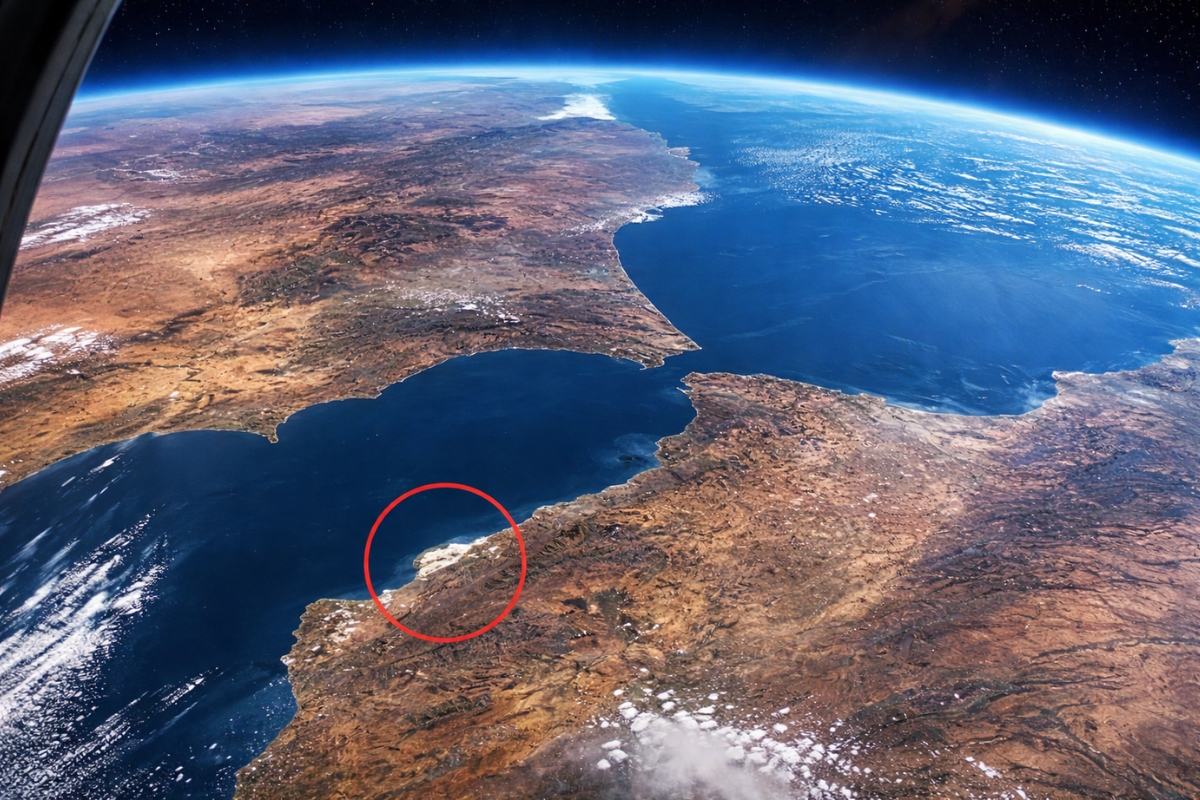
According to an analysis by NASA, only one human-made structure is visible from space, and it is not the Great Wall of China or the Pyramids of Egypt.
-
After 377 years of history, the Brazilian Army will have its first female general: Colonel Claudia Cacho has been promoted to brigadier general by Lula and will receive the sword and command baton this Wednesday in Brasília.

-
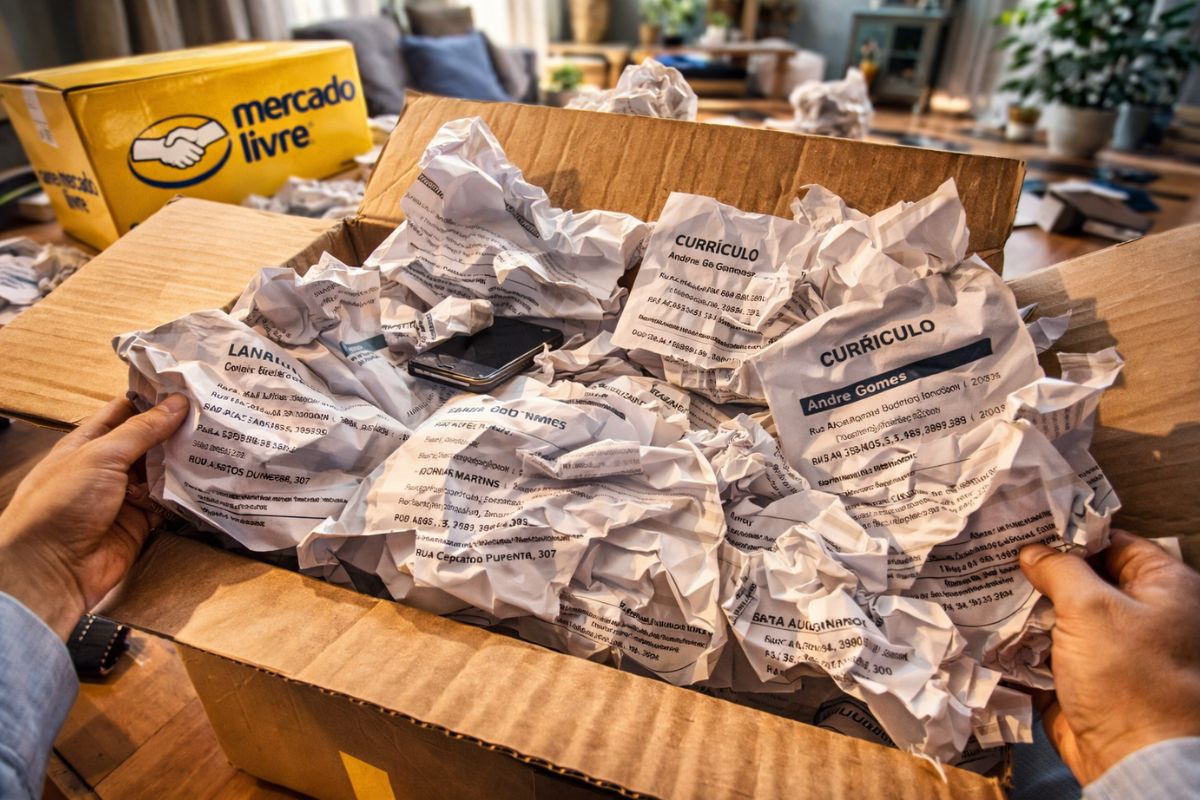
A Mercado Livre customer opened their package and found 32 resumes of people looking for jobs crumpled as protective paper inside the box, exposing names, addresses, documents, and phone numbers of dozens of candidates.
-
Iceberg A23a, one of the largest in the world, is undergoing accelerated collapse and may disappear: what explains the end of the ice giant?


The Myth Put to the Test
The myth stated that specially reinforced vehicles could withstand winds of up to 400 km/h. This would equate to an EF5 tornado, the most devastating possible.
Therefore, the test was divided into two stages. First, winds of 250 km/h, equivalent to an EF3, to see how the vehicles would perform under already quite dangerous conditions.
Then, the ultimate challenge, with full power from the engines simulating the EF5.
First Phase: EF3 Winds
In the initial stage, a regular car served as a comparison. It was tossed about 15 meters and quickly lost its hood. This image made it clear what a real tornado can do to unprepared vehicles.
The TIV2 (Tornado Intercept Vehicle) and the Dominator, both reinforced and with specialized design, held up well.
Only one curious detail occurred: the door of the TIV2 opened, because Sean Casey forgot to lock it. Other than that, no serious structural damage was recorded.
The Definitive Test: EF5 Winds
Then came the moment to unleash the full force of the Boeing 747 engines. The scene was impressive. The regular car flew about 75 meters, disappearing from sight in seconds.
Meanwhile, the TIV2 remained in place, anchored, despite having a few bolts slightly bent by the wind’s force. The Dominator even slid a bit but did not tip over and maintained its structure intact. Moreover, only the license plate suffered twisting.
The most interesting thing is that, even with extreme winds, the occupants of these vehicles would be safe. The outcome clearly showed that reinforced construction truly delivers on its promises.
Why This Test Matters
Many people might think it’s just a television show, but there is practical relevance. Storm chasers use these vehicles to get close to tornadoes and collect data that helps scientists better understand these phenomena.
Therefore, knowing that they can withstand EF5 category winds increases the safety and efficiency of the missions. It is science applied in extreme form, mixing engineering, meteorology, and courage.
The Conclusion of the Mythbusters
In the end, Adam and Jamie applied the famous seal of “Myth Confirmed.” This is because the tests showed that the vehicles would indeed withstand winds equivalent to an EF5 tornado without putting the occupants at direct risk.
The experience also yielded fun moments, such as Sean Casey’s slip when leaving the door unlocked. This human detail lightened the episode, balancing the tense atmosphere of the tests.
Moreover, the collaboration between the two teams demonstrated that entertainment and science can go hand in hand. By using controlled experiments and extreme resources, the show was able to prove a hypothesis clearly and visually impactfully.







Verdiginiz bilgiler için teşekkürler , güzel yazı olmuş