





 Portuguese
  English
  Spanish
  4 min of reading
  11 comments


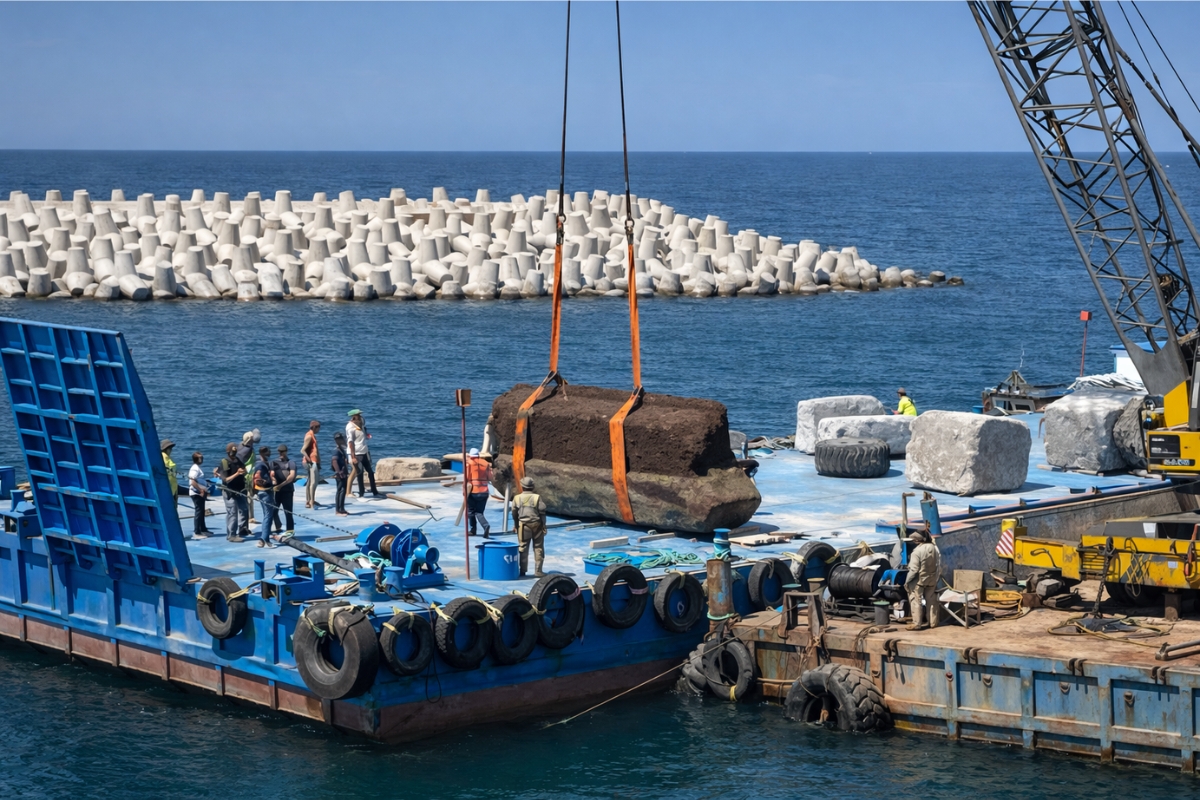


Archaeological Team Removed 22 Blocks from the Eastern Port of Alexandria, Egypt, to Advance the Digital Reconstruction of One of the Seven Wonders of the Ancient World.
The Mediterranean seabed has again revealed a central piece of ancient history. Archaeologists recovered 22 monumental blocks linked to the Pharos of Alexandria, a structure that for centuries guided navigators along the Egyptian coast and became a symbol of power, engineering, and maritime presence.
The discovery reinforces Alexandria’s historical weight as a strategic point between trade routes, the movement of people, and political influence. Even though it was destroyed centuries ago, the lighthouse still influences the understanding of how ancient Egypt projected control over a critical stretch of the Mediterranean.
What Was Found at the Port of Alexandria
The pieces recovered from the seabed include sills, jambs, thresholds, and pavement slabs. Part of this material belonged to the monumental entrance of the lighthouse, an area that showcased grand dimensions and a striking combination of Egyptian and Greek techniques. Some blocks weigh between 70,000 and 80,000 kilograms, highlighting the impressive scale of the construction.
-
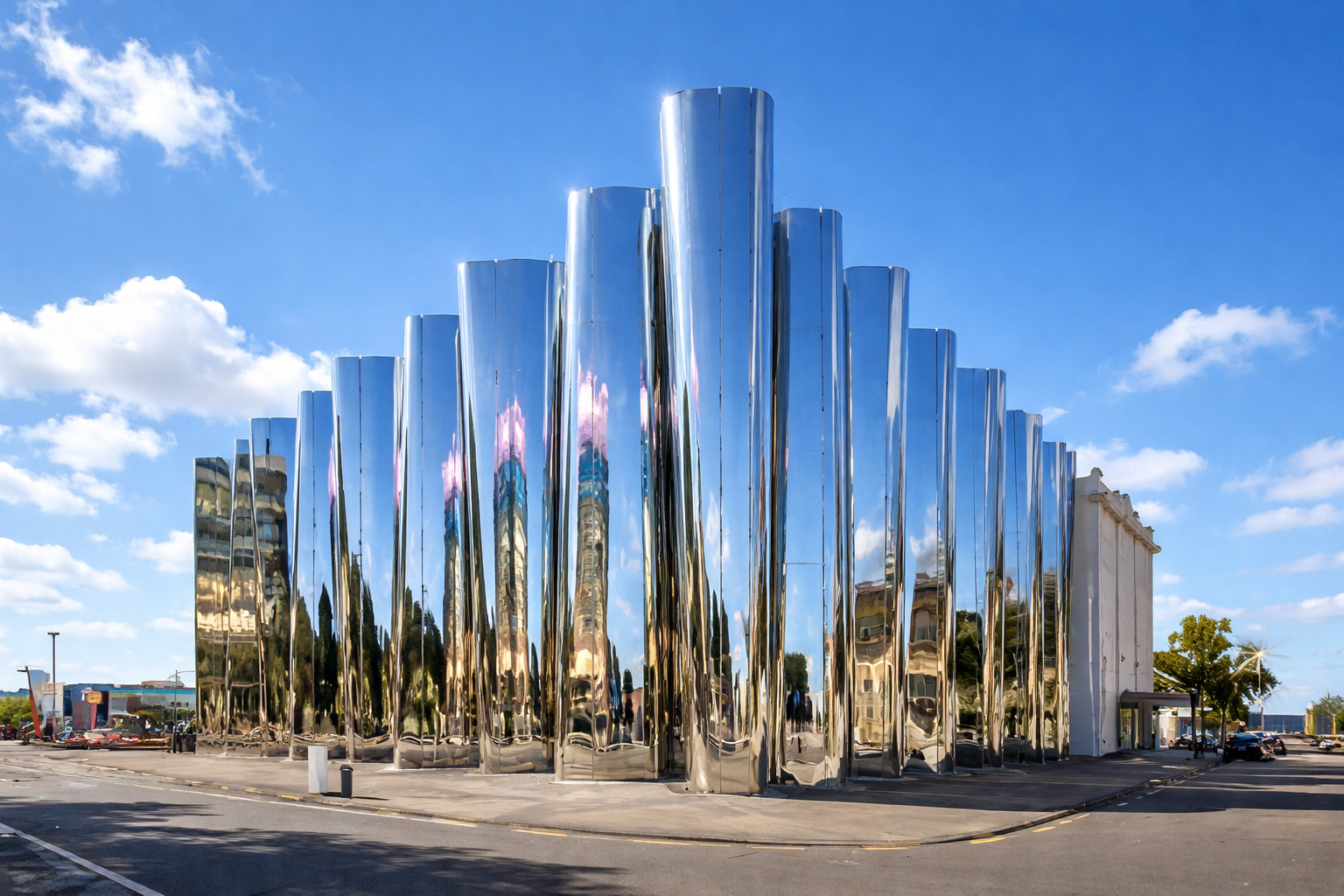
New Zealand builds a shimmering building that vibrates, featuring a 62-seat cinema, moving sculptures, and an environment where sound, light, and energy are felt in the body.
-
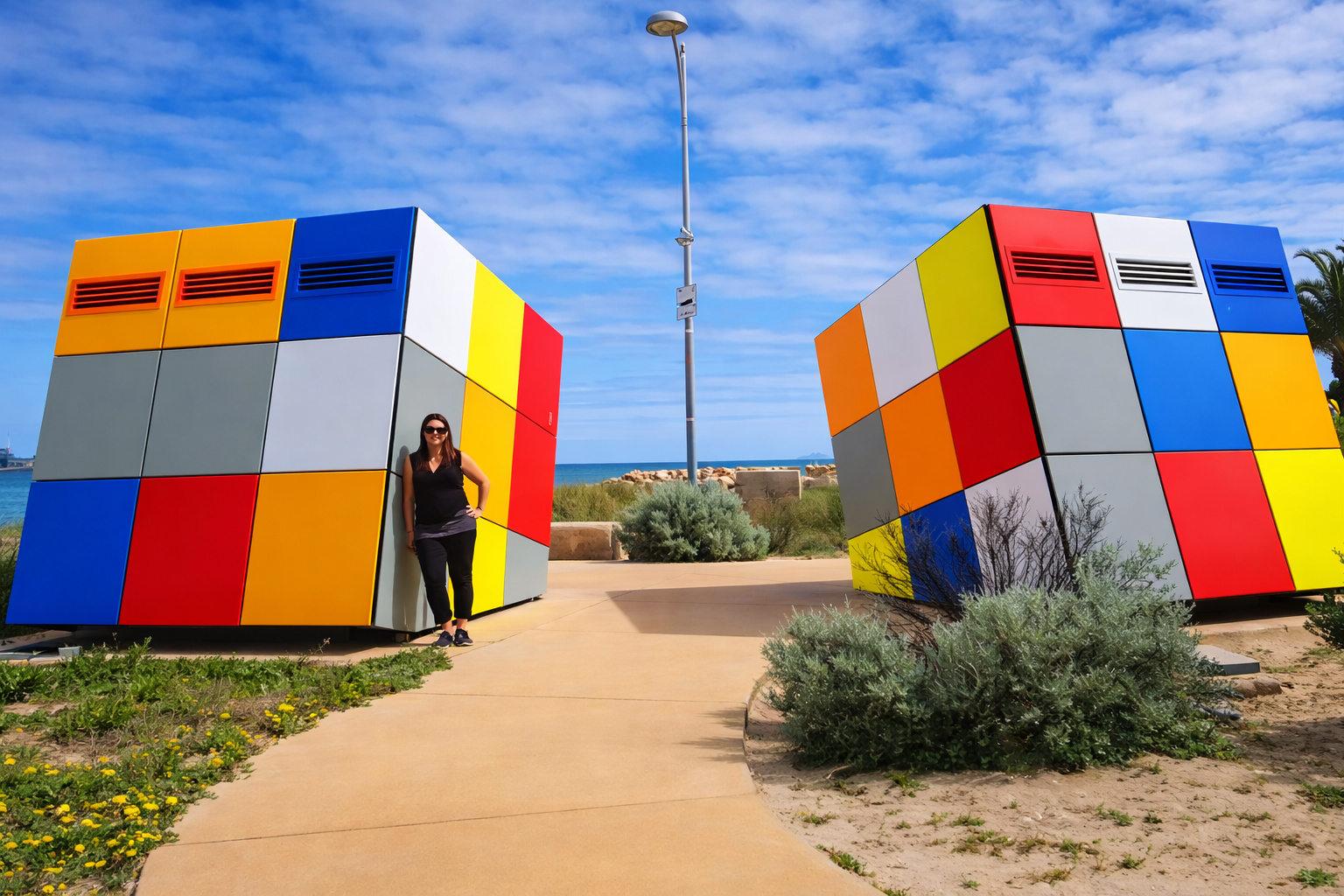
Two colored cubes of 2.5 m transform a public bathroom into a selfie spot in Western Australia, costing up to 75% less than traditional construction and helping to reduce vandalism in public spaces.
-
Santa Catarina produces up to 7 times more than it consumes in some sectors, and its century-old industries founded by grandparents and great-grandparents now compete on equal footing with Germany and the United States in the international market.

-
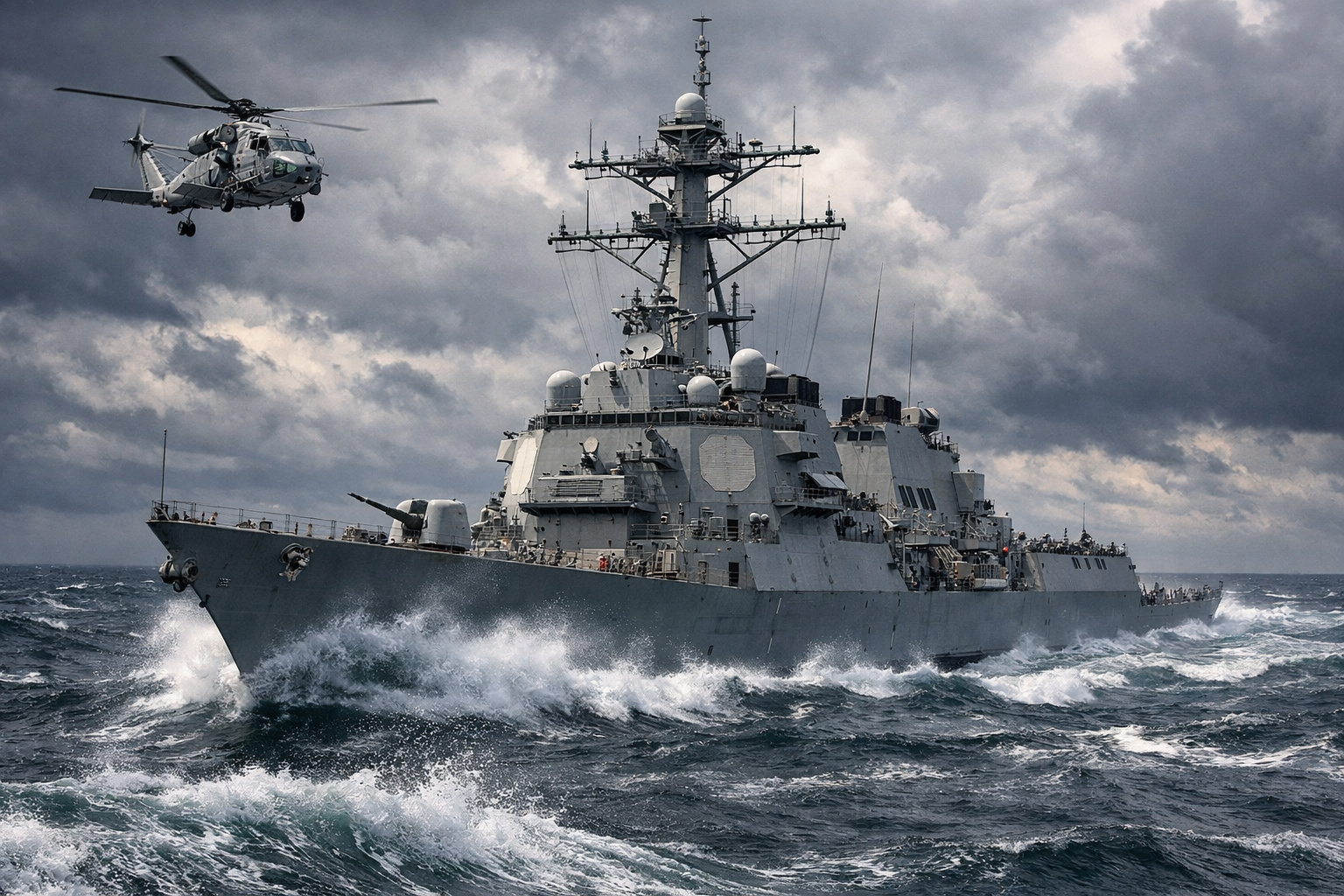
U.S. war giant weighing 9,600 tons and equipped with long-range missiles is sent to the Atlantic to protect global internet and hunt submarines.

The find occurred at the eastern port of Alexandria, where many remnants of the ancient city remained submerged after earthquakes and urban transformations. For a long time, part of these remains was inaccessible due to the size of the pieces and the technical limitations of underwater operations.

Why the Pharos of Alexandria Was So Important
The Pharos of Alexandria was built on the island of Pharos in the 3rd century BC during the reign of Ptolemy II. Standing at over 100 meters tall, the structure served as a reference point for vessels crossing the Mediterranean and seeking safe access to the city’s port. It was not just a functional work; it was also a clear demonstration of technical capability, state organization, and control over a vital shipping route.
Among the seven wonders of the ancient world, it held a unique place by combining practical utility with visual impact. While other constructions were remembered primarily for their symbolic or religious value, the lighthouse was directly linked to navigation and maritime safety in a region that concentrated commerce and influence.
Centuries of Earthquakes and Gradual Disappearance
The structure stood for over one thousand years until it was destroyed by a series of earthquakes between the 13th and 14th centuries. Part of its stones was reused in the construction of the Qaitbay Citadel, a fortress built in the 15th century at the entrance of Alexandria’s port. The rest sank and became scattered along the seabed.
This slow disappearance helps explain why the lighthouse became a kind of historical absence. It was never forgotten, but its actual form was obscured by fragmented ruins, ancient accounts, and archaeological hypotheses. Now, with the recovery of monumental blocks, this void begins to be filled with a more solid material basis.

Project Aims to Reconstruct the Wonder in a Digital Environment
According to AS, a Spanish news and sports portal with a current affairs editorial line, the new blocks become part of the international project PHAROS, an initiative that brings together the CNRS of France, the Egyptian Ministry of Tourism and Antiquities, and the Dassault Systèmes Foundation to create a digital twin of the lighthouse. The proposal is to scan the recovered elements and cross-reference this data with historical, architectural, and archaeological studies.
Digitalization may allow for a much more accurate reconstruction of the original structure. In addition to the scientific value, it paves the way to visualize what the monument looked like, understand its construction logic, and virtually preserve a work that marked the Mediterranean landscape for centuries.
Decades of Research Prepared for the Current Advancement
The submerged ruins have been observed since 1968, but archaeological work gained momentum in the following decades. In 1994, French archaeologist Jean Yves Empereur led an exploration that documented over 3,300 objects, including sphinxes, obelisks, and large granite blocks.
In recent years, the use of new technologies has allowed for progress on the larger pieces. Over a hundred fragments have already been scanned digitally, while teams of historians, archaeologists, architects, and ancient coin specialists cross-check descriptions and representations to approximate the original design of the monument.
The recovery of these structures does not only change the study of a famous ruin. It reorganizes the understanding of how ancient Alexandria was planned to assert itself at sea, control access, and project influence in a decisive region.
In the end, the lighthouse continues to exert its power even in fragments. Now not by shining a light on ships, but by the capacity to reposition the historical reading of Alexandria and give the Mediterranean back one of its most powerful images.







Светилникот во Александрија како и градот го изградил АЛЕКСАНДАР МАКЕДОНСКИ кој бил МАКЕДОНЕЦ а не Грк . Западната ЛАЖНА историја и пишувањето дека се што е античко е грчко ќе престане да важи .
Немојте повеќе да пишувате лаги
срамно е тоа .
Muito interessante!
Também é incrível como a tecnologia está avançando e conhecendo o passado dos nossos ancestrais, ansioso pra saber da próxima informação!🫣
The blocks ONLY weigh between 70 and 80 Kilos!!? That’s less than I weigh!!!