





 Portuguese
  English
  Spanish
  4 min of reading
  0 comments


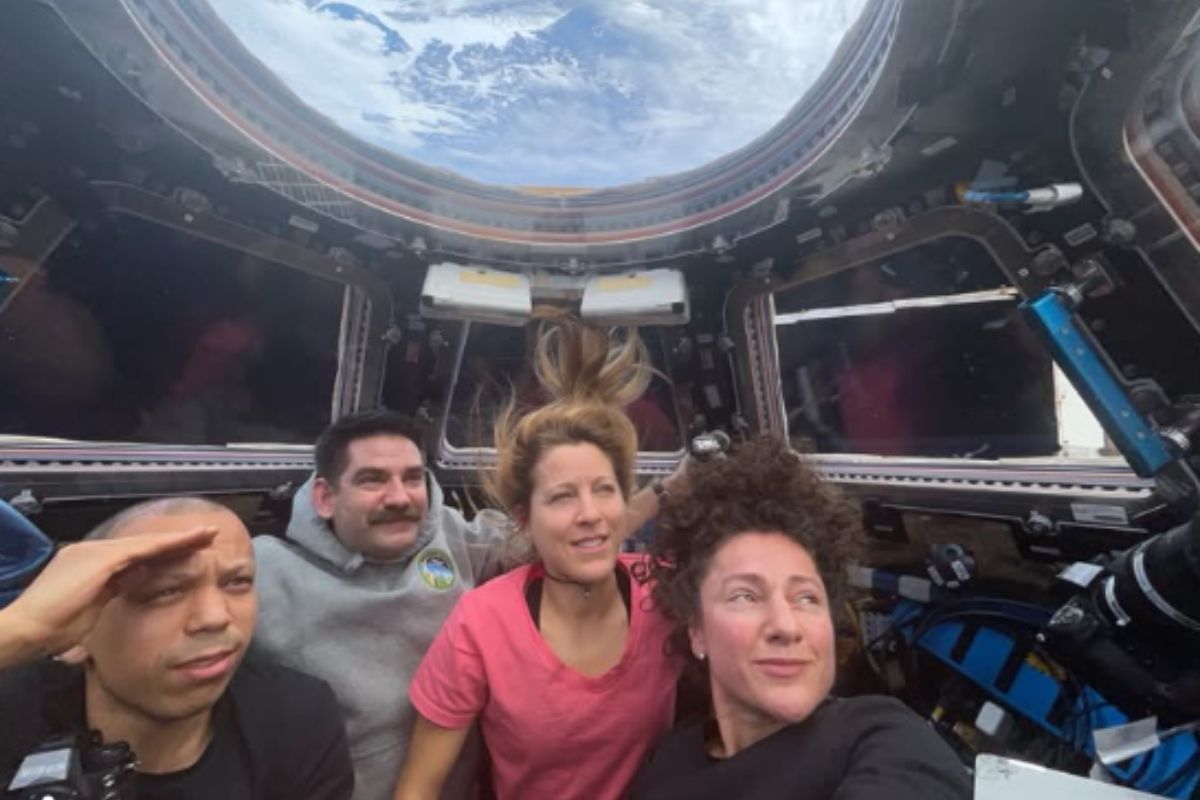
Artemis 2 terminated with the Orion capsule in the Pacific Ocean and, during the rescue, the crew requested crustless sandwiches; the Navy brought “abundant quantity” and the manufacturer spoke of lifetime supply
Artemis 2 ended on Friday night (10), after almost ten days in space, and the crew already had a defined priority for their first meal on Earth. Still during the rescue operations in the Pacific Ocean, the astronauts requested Uncrustables, sealed and crustless sandwiches known for containing peanut butter and jelly.
The request became a topic of discussion because it was not symbolic. The United States Navy, responsible for the recovery, stocked the support ship with “abundant quantity” of the food, and the product’s manufacturer even mentioned the intention to offer a lifetime supply to the astronauts, according to information released by Itatiaia.
What are Uncrustables and why did they become the “prize” of the return

Uncrustables are sandwiches sealed at the edges, just the type of practical food that avoids mess and makes consumption easier. After a long mission, the appeal of a simple and familiar item weighs, and the choice drew attention for being so specific.
-
For the first time in history, electrical discharges have been recorded in the atmosphere of another planet, and the discovery by Perseverance on Mars now forces NASA to completely rethink the safety of all equipment and habitats sent to the Martian surface.

-
Japanese mission uncovers the secret behind a 50-year astronomical mystery and reveals who was really emitting the X-rays from the star γ Cas.

-
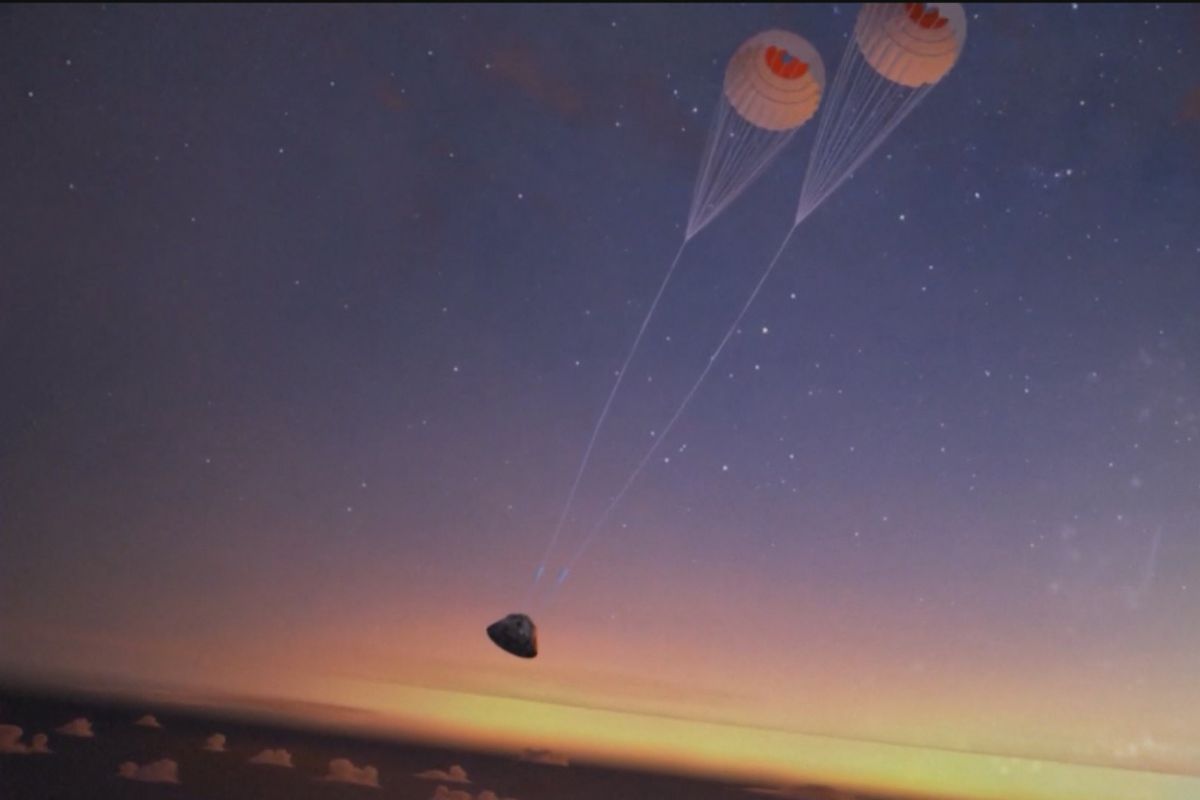
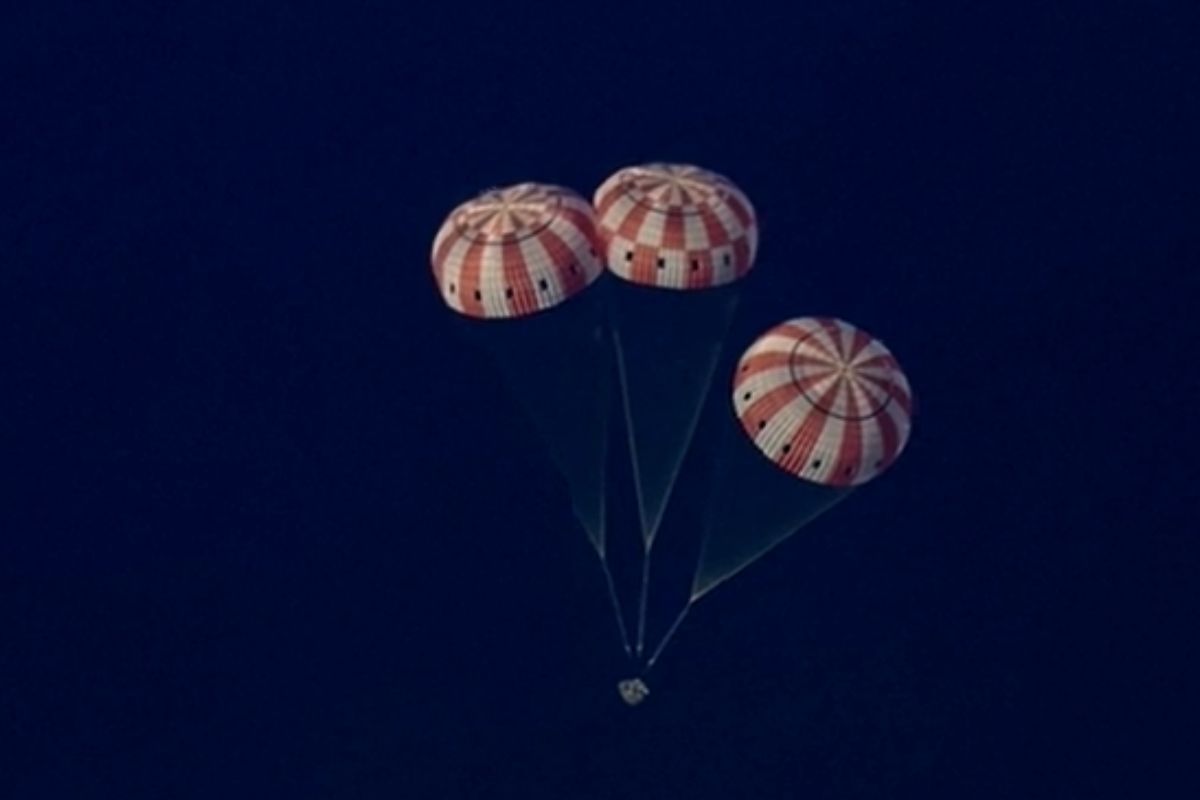
(VIDEO) Three giant parachutes slowed the Orion capsule from 40,000 kilometers per hour to just 32 km/h, and NASA completed the most anticipated landing of the decade in the Pacific Ocean with the four Artemis II astronauts back on Earth after 10 days in space.
-
Artemis II returns to the Pacific after 10 days and brings 4 astronauts back from the Moon, breaking the record for human distance and proving the reentry of Orion in a historic mission.
The buzz increased when the manufacturer stated that it intends to offer a lifetime supply to the crew members. Still, there is no confirmation if the gift could be accepted, as U.S. government employees are subject to rules that limit the acceptance of benefits.
Why regular bread is a problem in space
The preference for sealed sandwiches makes sense within an operational detail mentioned at the base. In the space environment, bread and traditional sandwiches are avoided due to the risk of crumbs, which can float around the cabin, damage sensitive equipment, or pose a safety risk to the mission.
Therefore, items with a more “closed” structure and fewer loose particles end up being safer and more viable for consumption during and shortly after critical operations.
How was the return of Artemis 2 and what happened in the rescue
The Artemis 2 mission was completed with the landing of the Orion capsule in the Pacific Ocean at 9:07 PM Brasília time, as anticipated in a previous CPG article about the splashdown, which detailed the final stage of the mission.
After the splashdown, rescue teams began the extraction of the crew members and the assessment of their health, a procedure estimated to take about an hour. Subsequently, the astronauts would be taken to a United States Navy ship, from where they would proceed to land. It was during this rescue interval that the request for Uncrustables came in, with the supply already confirmed.
Subsequently, the astronauts would be taken to a United States Navy ship, from where they would proceed to land. It was during this rescue interval that the request for Uncrustables came in, with the supply already confirmed.
Who was on board and what milestones did the mission achieve
On board were Reid Wiseman, Victor Glover, Christina Koch, and Jeremy Hansen. The base highlights that Artemis 2 set the record for the greatest distance ever traveled by humans in space and allowed for the observation of the far side of the Moon, noted as one of the program’s milestones.
The reentry was described as one of the most critical stages. The Orion capsule reached speeds over 30 times the speed of sound, about 38,400 km/h, and faced external temperatures of up to 2,760°C. The performance of the thermal shield was a central point of attention, following issues recorded in previous tests.
Mission in two phases and what came day by day
The base recalls that the crew was launched on April 1, with maneuvers and stages such as translunar injection, communication tests with the Deep Space Network, technical adjustments in the capsule, and the lunar flyby with views of the far side of the Moon.
The return was prepared over the last few days, with trajectory adjustments and system checks, leading up to the final landing in the Pacific.
Why Artemis 2 matters for future missions
Artemis 2 is presented as the first crewed mission of the Artemis program and as a fundamental step for future trips to the lunar surface. The base states that Artemis III is scheduled for 2027 and Artemis IV for 2028, as part of the program’s continuity plan.
In other words, beyond the “Uncrustables moment,” the mission closes an important technical cycle for the advancement of the next phases.
And you: if you were to return from 10 days in space on Artemis 2, what would be the first food you would request on the rescue ship?





Seja o primeiro a reagir!