





 Portuguese
  English
  Spanish
  4 min of reading
  0 comments


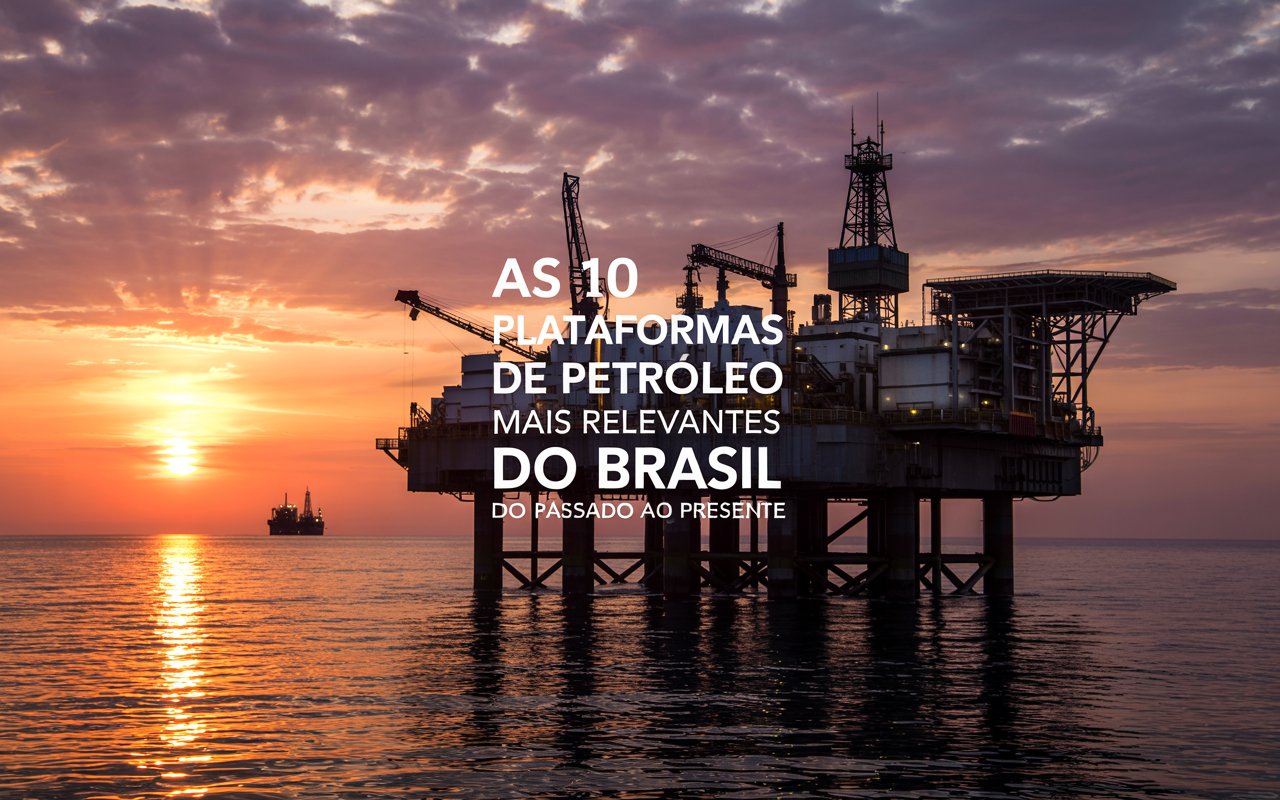
From The Depths Of The Sea Emerged The Strength Of Brazil: Discover The Platforms That Made History In Oil Production And Marked Generations In The Offshore Industry.
Brazil has become a global reference in offshore oil production. Much of this is due to the performance and history of the platforms that operate — or have operated — in the deep waters of our coastline. From pioneering structures to modern giants of the pre-salt, each platform has a story that helped to build the energy powerhouse that the country is today.
Enchova: A Milestone In The Beginning Of The Brazilian Offshore Era

The Enchova platform, located in the Campos Basin, was one of Brazil’s first major bets in deep waters. Installed in the 1980s, it symbolized the beginning of the expansion of the offshore sector. Although marked by a tragic accident in 1984, which resulted in dozens of deaths, Enchova also represented an important turning point in the operational safety of the national industry.
Garoupa: Pioneering With National Technology

Another platform that made history in Brazil’s early offshore steps was the Garoupa. Also operating in the Campos Basin, it stood out for the pioneering use of equipment manufactured in the country, consolidating the beginning of the nationalization of the oil and gas production chain. Its performance helped form the technical knowledge base that today supports the large pre-salt projects.
-
Lula reveals a masterstroke by Petrobras to undo a deal made by Bolsonaro, which involves the return of an important refinery that currently produces less than half of what was expected and makes Brazil dependent on international diesel.
-
A study confirms that the natural gas sector will reduce greenhouse gas emissions in Brazil by 0.5% and accelerate the energy transition by 2026.

-
Petrobras implements a severe adjustment and confirms a 55% increase in the price of aviation kerosene with a proposal for installment payments for the companies.

-
The rise in oil prices could ensure an extra revenue of R$ 100 billion for the Federal Government, indicates a recent economic study.


P-36: The Largest In The World And The Biggest Accident

For many years, the P-36 was the largest semisubmersible platform on the planet. With extremely high production capacity, it became a symbol of ambition and technical ability. However, in 2001, it suffered a severe explosion and sank, in one of the largest disasters in the global oil industry. The episode was a turning point, leading to profound revisions in safety and maintenance protocols.
P-74: Rebirth In Búzios

The P-74 marked the resurgence of Brazilian prominence in the sector after years of instability. It began operating in 2018 in the Búzios field, in the pre-salt of the Santos Basin, with a production capacity of up to 150,000 barrels per day. In addition, it brought modern technologies for gas reinjection and water separation, becoming a model of efficiency and safety.
P-70: Power In Atapu

Operating in the Atapu field, also in the pre-salt, the P-70 represents the new generation of Petrobras platforms. With a capacity similar to the P-74, it reinforces the role of the pre-salt as the largest source of national production. Its construction involved shipyards in Brazil and China, consolidating strategic partnerships and gaining prominence for meeting deadlines and operational goals.
P-77: A Symbol Of Integration And National Engineering

The P-77 is one of the most emblematic platforms of Petrobras in recent years. Producing in the Búzios field, it combines robustness with technological efficiency. Its construction in Brazil reinforced the national capacity to deliver complex and large units. Furthermore, it operates with advanced gas and oil separation systems, being one of the most complete examples of the evolution of the Brazilian offshore industry.
FPSO Guanabara: Environmental Innovation In The Pre-Salt

The FPSO Guanabara is one of the first units in the Mero field, in the Santos Basin. It stands out for incorporating the technology of separation and reinjection of CO₂ directly into the seabed, contributing to the reduction of pollutant gas emissions. This differential has made it a model of sustainability and innovation in the oil sector, paving the way for cleaner operations.
FPSO Carioca: Leadership In Production
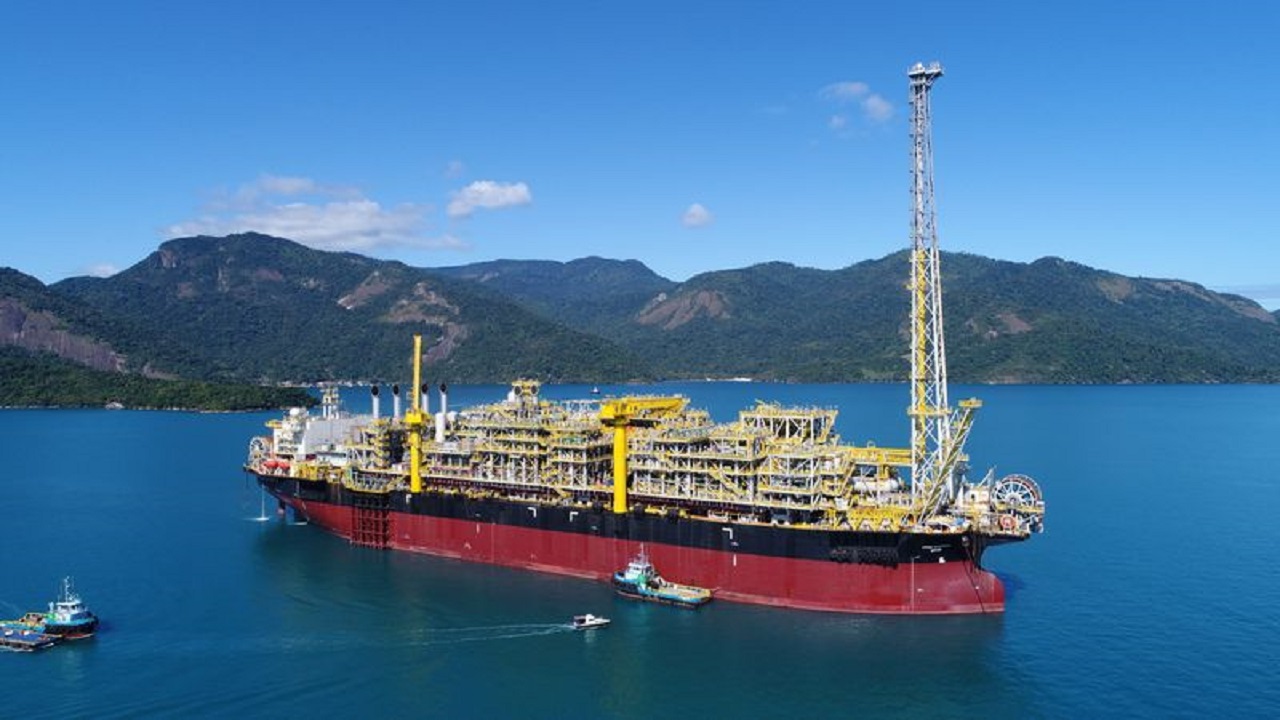
The FPSO Carioca has become one of the leaders in production in Brazil. In 2024, operating in the Sépia field, it reached a production rate exceeding 170,000 barrels per day. In addition to its substantial volume, its operational stability and low failure rates place this unit among the most efficient in Petrobras’ recent history.
FPSO Almirante Barroso: Cutting-Edge Technology In Búzios
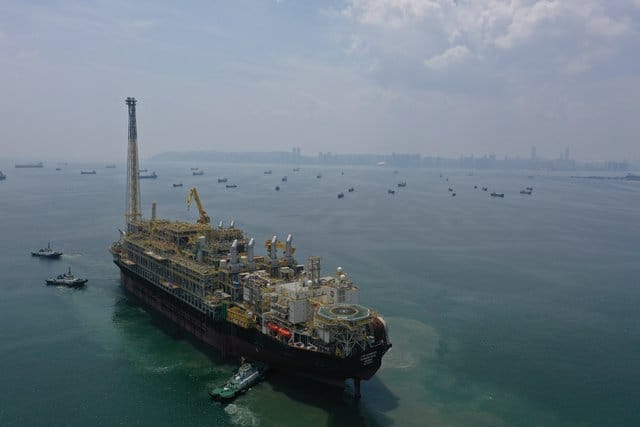
Starting operations in 2023, the FPSO Almirante Barroso reinforces the position of the Búzios field as the country’s main production hub. With a capacity to process 150,000 barrels per day and a complete gas reinjection system, the platform combines performance with environmental commitment. Its design aimed to maximize oil recovery with minimal impact.
FPSO Sepetiba: Power In The Mero Field
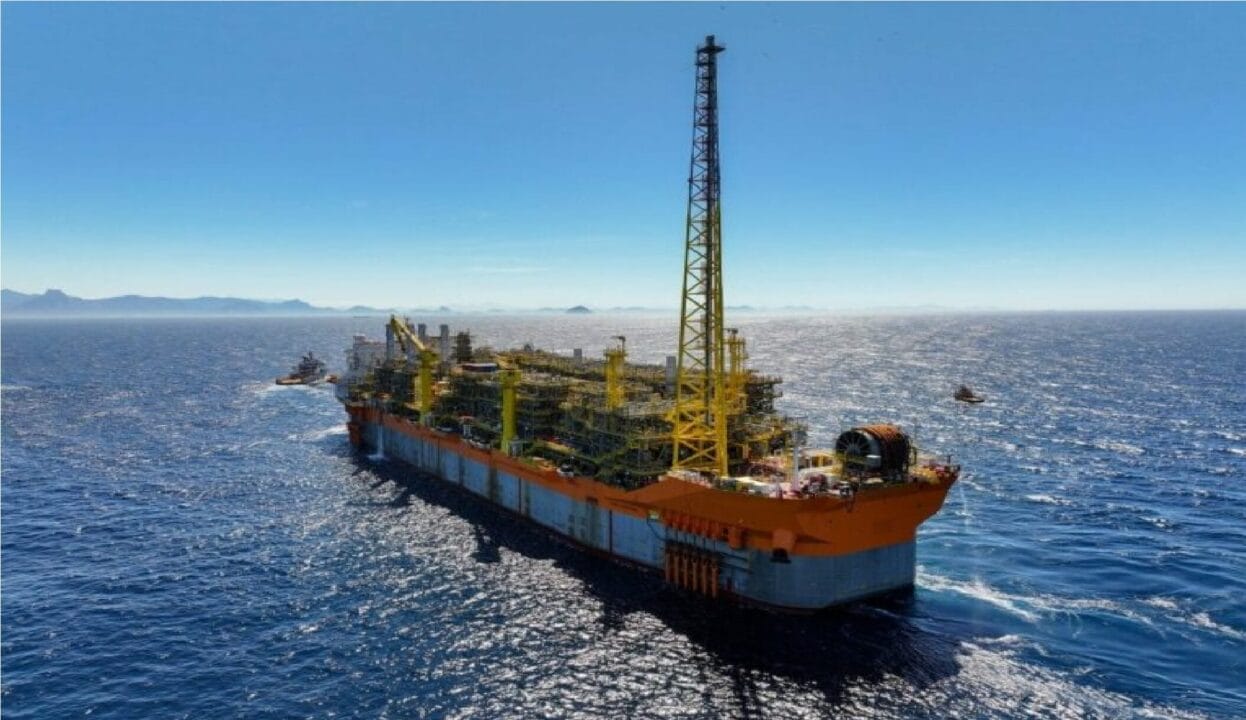
The newest star of Brazilian production is the FPSO Sepetiba, which began operations in December 2023. With the capacity for 180,000 barrels of oil per day and 12 million cubic meters of natural gas, it consolidates the Mero field as one of the most promising in the pre-salt. This unit brings the latest technological advancements and promises to be a production leader in the next decade.
These platforms represent more than just gigantic structures at sea. They tell the story of Brazil that dared to explore the ocean depths to secure energy, development, and knowledge. With each one, we learned, evolved, and demonstrated to the world the strength of national engineering.
In your opinion, which of these platforms best represents Brazil’s advancement in the oil sector?








-

-

-

3 pessoas reagiram a isso.