





 Portuguese
  English
  Spanish
  4 min of reading
  5 comments


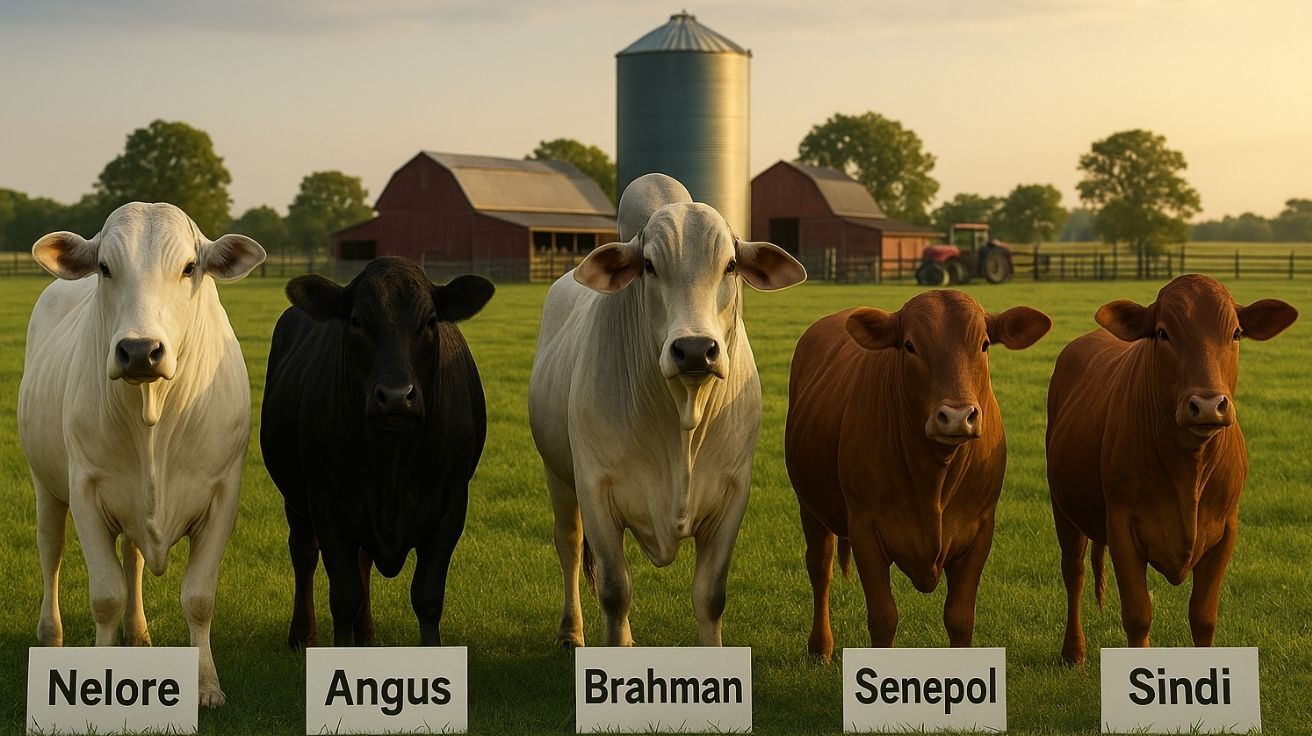


With More Than 38 Million Heads Slaughtered in 2024, Brazil Remains Among the Largest Meat Producers in the World Thanks to the Genetic and Adaptive Strength of Its Main Beef Cattle Breeds
In Brazil, a country with one of the largest cattle herds in the world, the diversity of beef cattle breeds is one of the pillars of productivity in the field. Spread across all regions, these breeds have been selected for their adaptability to the tropical climate and efficiency in converting pasture into quality meat, consolidating cattle ranching as a strategic part of the national agribusiness.
Tropical Predominance: Nelore Leads Beef Production in Brazil
The Nelore breed, originating from India and adapted to Brazil since the 18th century, is today the most prevalent in the country, representing more than 80% of the herd, according to data from the magazine EXAME. Its resistance to heat, hardiness, and reproductive capacity explain its widespread acceptance in beef cattle farms throughout the national territory.
ARTICLE CONTINUES BELOWSee also
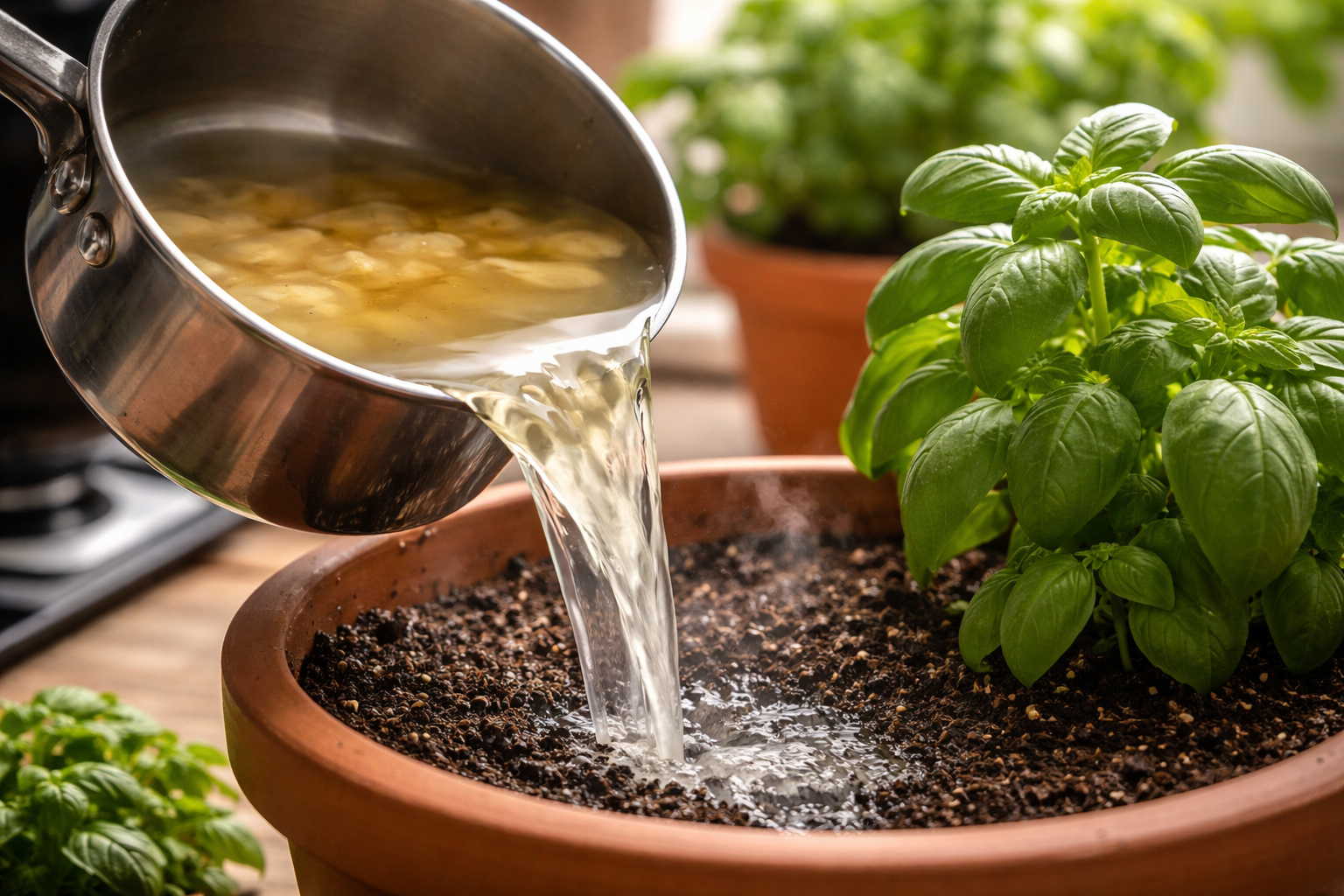
The water that almost everyone throws away after cooking potatoes carries nutrients released during the preparation and can be reused to help in the development of plants when used correctly at the base of gardens and pots, at no additional cost and without changing the routine.
The sea water temperature rose from 28 to 34 degrees in Santa Catarina and killed up to 90% of the oysters: producers who planted over 1 million seeds lost practically everything and say that if it happens again, production is doomed to end.

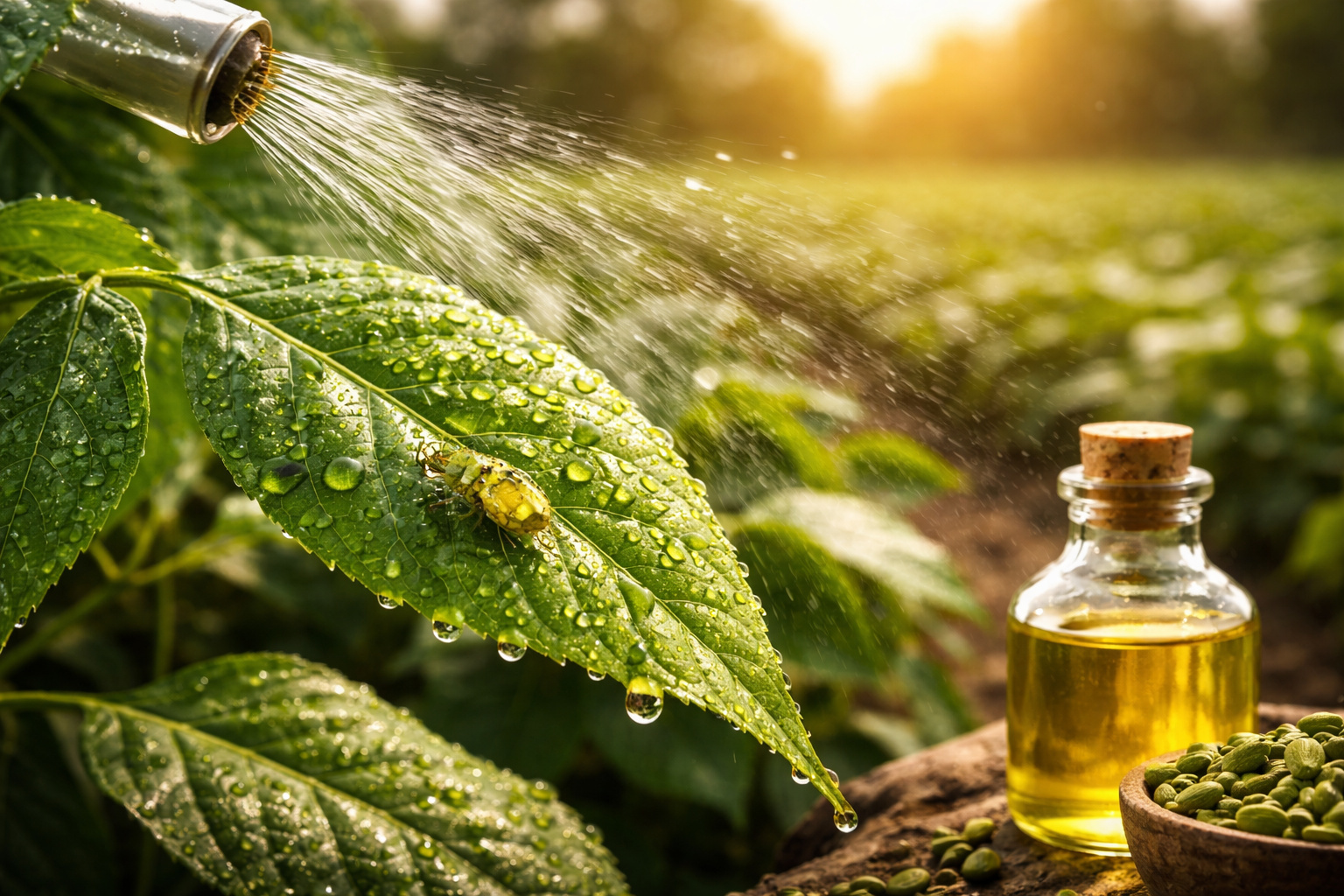
An Indian tree that grows in the Brazilian Northeast produces an oil capable of acting against more than 200 species of pests and interrupting the insect cycle, gaining ground as a natural alternative in soybean, cotton, and vegetable crops.
The rise in oil prices in the Middle East is already affecting Brazilian sugar: mills in the Central-South are seeing their margins shrink just as ethanol gains strength.

These characteristics make the Nelore essential for extensive livestock farming, especially in the Central-West and North regions, where management relies on large pastures and minimal human intervention. Furthermore, its meat, lean and with a distinctive flavor, is well accepted in the domestic market and in importing countries.

Thanks to its genetic versatility, the Nelore is also widely used in breeding programs, contributing to the improvement of other breeds and raising the standard of Brazilian livestock production.
Angus and Brahman: British Genetics and Zebu Power in Tune with the Field
Another prominent breed is the Angus, of Scottish origin. Introduced in Brazil in the 20th century, Angus became popular especially in the South and Southeast. Its main advantage is the meat quality, with a high level of marbling, tenderness, and juiciness, characteristics highly valued in premium cuts and in exports.
The Angus has adapted well to the temperate climates of Rio Grande do Sul, Santa Catarina, and Paraná, but it is also being incorporated into industrial crossing systems in states like São Paulo, Mato Grosso do Sul, and Minas Gerais, expanding its presence in the Brazilian agribusiness.
Meanwhile, the Brahman, originating from the United States and descended from Indian zebu, stands out for its resistance to extreme tropical environments. Present in Brazil since the 1930s, it is very common in the Central-West and Northeast regions, where it tolerates heat and parasites well, attributes valued by breeders seeking productivity with low sanitary costs.
Adaptive Breeds Gain Ground with the Advancing Tropical Climate
Among the rising breeds on Brazilian farms is the Senepol, developed in the Caribbean from crosses between African and European cattle. Brought to Brazil in the final decades of the 20th century, the Senepol has gained space in states like Goiás, Bahia, Minas Gerais, and the Federal District.
Its resistance to heat, ease of calving, and good feed conversion have made it a promising option for meat production in semi-intensive and extensive systems. Additionally, Senepol meat is recognized for its tenderness and flavor, which increases its acceptance in the gourmet market.
Another breed adapted to arid environments is the Sindi, which originated in Pakistan and has been present in Brazil since the 1950s. Mainly used in the northeastern semi-arid region, the Sindi has proven effective in reproduction, longevity, and survival in areas with scarce water and food.
Beef Cattle Breeds Propel Brazil to Global Leadership in Livestock Farming
The genetic diversity of cattle breeds in Brazil is a key factor for the sustainability of livestock production across different biomes, such as Cerrado, Caatinga, and Amazon. This plurality allows for the use of specific strategies for each environment, maximizing performance and the quality of herds.
Data from the National Supply Company (Conab) shows that, in 2024, the country slaughtered around 38 million heads of cattle. This volume confirms Brazil’s prominent position as one of the world’s leading exporters of beef.
The strategic use of the Nelore, Angus, Brahman, Senepol, and Sindi breeds exemplifies the commitment of rural producers to efficiency, genetics, and resilience in the face of environmental and market challenges.









Acho que faltou TABAPUÃ, GUZERÁ E SIMBRASIL!
Acho faltou incluir o Tabapuã.
Não concordo com as cinco raças . A raça nelore é disparadamente sozinha na produção de carne , se tanto que entre todas as raças do Brasil , ela representa 80 % do rebanho. Sobra 20% para as outras raças de corte e para as de leite também . O Anguns , praticamente tem que ir junto com o nelore através do cruzamento . Angus sem nelore muito poucos. Senepol foi o uma onda de fumaça que já está sumindo , Sindi muito pequeno . E Brahman não tem a rusticidade e nem a precocidade do nelore , motivo pelo qual a maioria dos criadores descartam essa raça , apesar de seu elevado peso e ganho de peso diário e excelente rendimento de carcaça . Enfim , se somarmos as boas qualidades das quatro raças contra o nelore , o nelore supera muito as quatro juntas . A maioria dos angus que eu conheço , não tem cerca que segura.
Então se 80% do rebanho brasileiro ébnelore , isso considerando entre **** de corte e leite , então estimo que 90 % da carne que o Brasil exporta seja de nelore
Concordo com você. Esses dados que foram passados teriam que ser baseado em dados da ASBIA (associação de inseminação artificial) lá sim ter a informações consistentes cl. Relação à compra de sêmen bovino e com isso relacionar as raças que mais foram usadas para produção de carne. Pra mim essa reportagem foi feita escolhendo aleatoriamente as raças. Nelore com certeza lidera de longe os abates no Brasil.