





 Portuguese
  English
  Spanish
  5 min of reading
  0 comments



Cheap Vans From Asia Motors Dominated Brazil In The 90s, Disappeared In Less Than Ten Years And Left A Billion Dollar Debt In Taxes Without A Defined Owner Until Today In The Country
In the 90s, the cheap vans from Asia Motors filled Brazilian streets with Towner and Topique, promised a factory in Camaçari, took advantage of tax discounts, stopped importing in 1999 and left a tax debt that today exceeds two billion reais, without a clear responsible party in Brazilian justice until now.
Founded on July 2, 1965, in South Korea, Asia Motors officially arrived in Brazil in 1993, quickly grew throughout the decade, engaged in the automotive regime with goals until 1999, and was dissolved in 2000, after Hyundai took over Kia in 1998 and the Brazilian operation stopped imports in 1999, failing to fulfill the promises of local production related to the cheap vans from Asia Motors.
How Cheap Vans From Asia Motors Became A Fad On Brazilian Streets

In the 90s, Brazil basically had the Kombi as a work van, an old project that changed little since the 70s.
-
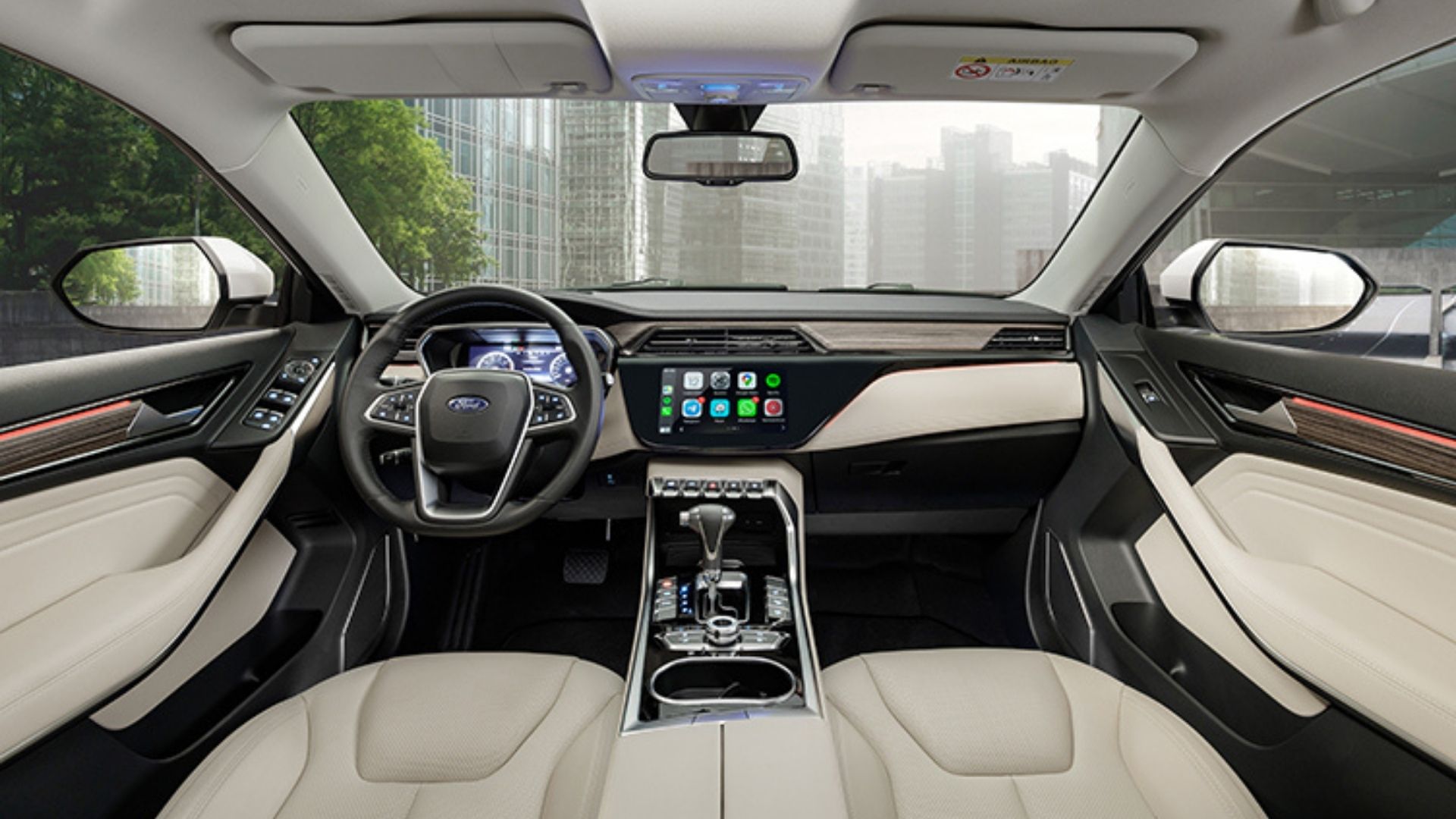
Around R$ 24,000: 4 used Ford SUVs with up to 253 hp, V6 engine, all-wheel drive, 7 airbags, panoramic sunroof, and a complete package that surprises with its price and performance in Brazil.
-
A brand new car starts at around R$ 75,000 in Brazil, but what stands out the most is seeing streets filled with SUVs and expensive sedans in a country where millions remain in debt.

-
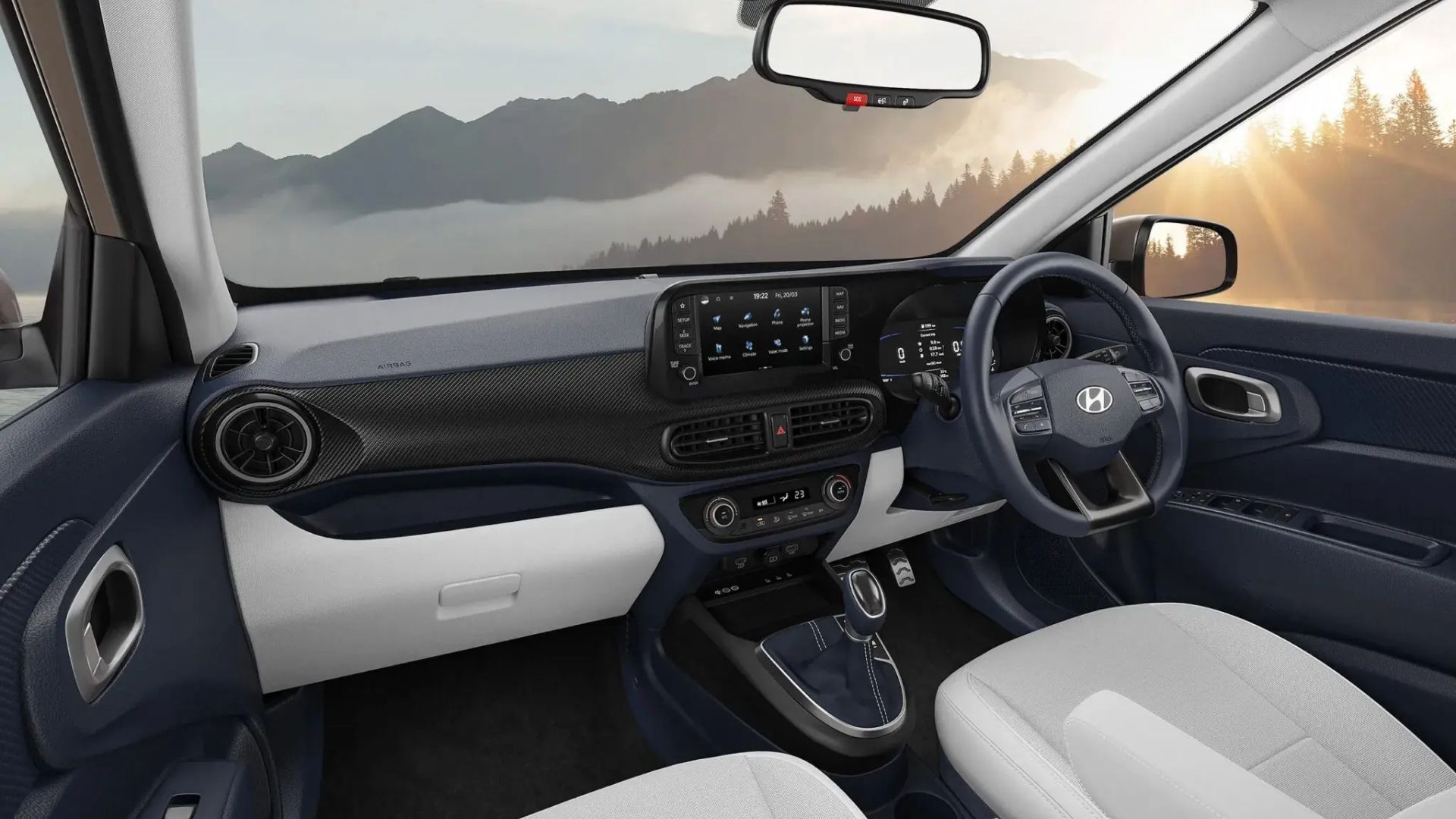
For R$ 32,000, a brand new Hyundai car is a rival to the Kwid with a 1.2 engine producing 82 hp, 6 airbags as standard, multimedia with wireless Android Auto, up to 391 liters in the trunk, and a refreshed look for 2026 in India.
-
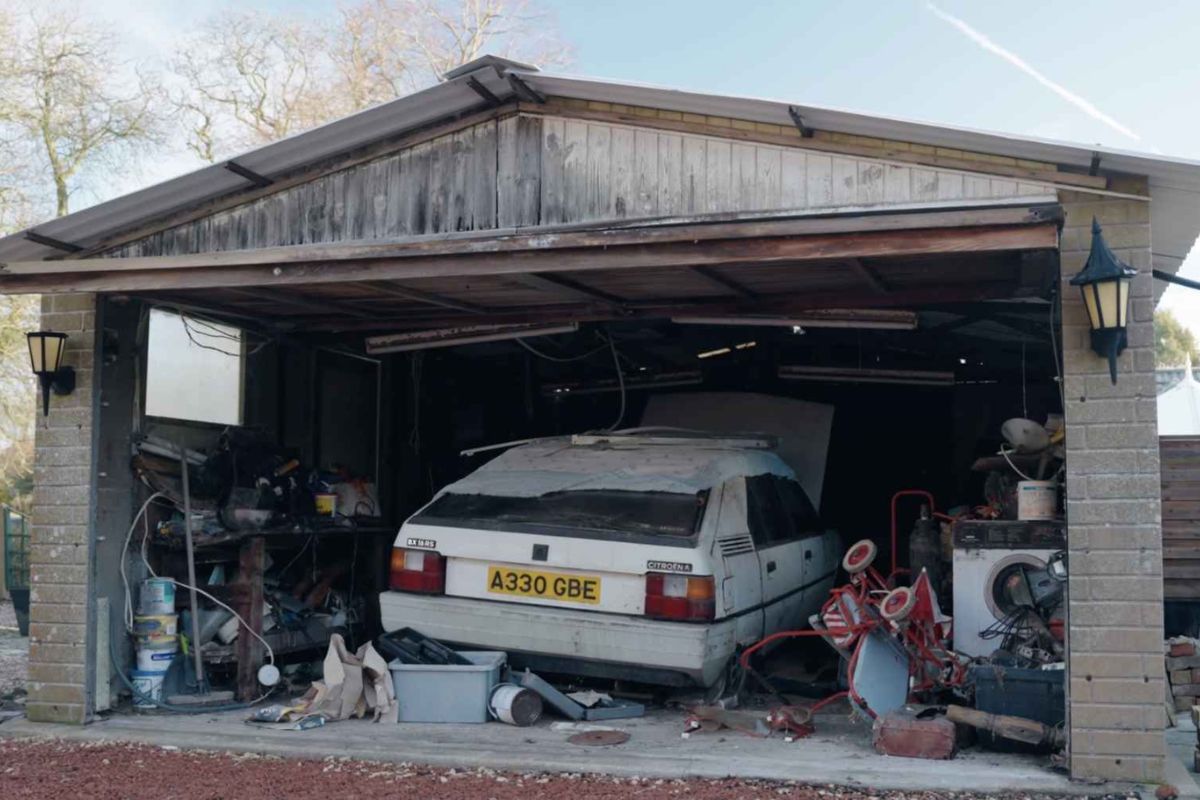
He bought a new car in 1983, locked it in the barn in 1988, and no one opened the door for 38 years until the family discovered what was stored inside and realized it looked like something out of a movie.
This scenario opened the door for the cheap vans from Asia Motors, which arrived with a more modern proposal, economical engines, and aggressive prices.
The microvan Towner, based on a Japanese keicar project, became known as the hot dog car and turned into a work tool for street vendors in various cities. Small on the outside and versatile on the inside, it offered closed cargo versions, pickup, glass-paneled van, and passenger options, always focusing on low cost and contained consumption.
The larger Topique began to compete with the Kombi in 1994, with a 2.7-liter diesel engine, a five-speed manual transmission, and capacity for up to 16 passengers.
In just a few years, the cheap vans from Asia Motors became a constant presence in school transport, charter services, and urban services, helping to pressure traditional competitors to update their models.
Promises Of Factory, Automotive Regime, And Deadlines That Were Never Fulfilled

With the success of Towner and Topique, the Asia Motors operation in Brazil began to advocate for local production. In 1995, a factory was announced in Serra, Espírito Santo, in an area linked to Kia, with plans to start in 1997 and capacity for up to 50 thousand units annually of both models, under a regime of assembly with imported kits.
Shortly after, the plan changed.
In 1997, the definitive promise became a plant in Camaçari, Bahia, with an initial capacity of 36 thousand units of Towner and 24 thousand of Topique per year, expanded in discourse to up to 130 thousand vehicles annually.
In practice, not even site preparation was contracted in time and the structure to produce the cheap vans from Asia Motors never left the drawing board.
Meanwhile, the company took advantage of the automotive regime, which granted a reduction of up to 50 percent on import taxes for those who committed to investing in a factory and exporting by the end of 1999.
The Asia Motors operation in Brazil requested successive extensions of deadlines and nationalization goals, trying to maintain benefits while failing to advance in construction.
Asian Crisis, Hyundai In Command, And Disappearance In Less Than Ten Years
The fragility of the Brazilian project coincided with a heavy external shock.
In 1997, Kia Motors was hit hard by the Asian financial crisis, accumulating over 10 billion dollars in debts and entering bankruptcy.
In November 1998, Hyundai won the international auction and took control of Kia and Asia Motors.
Shortly after, the parent company decided to focus efforts on the Kia brand and dissolve Asia Motors in 2000.
In Brazil, the importation of utility vehicles had been interrupted in 1999, ending in less than ten years the presence of the cheap vans from Asia Motors that had dominated the small commercial vans segment.
The promises of production in Camaçari remained nothing more than an announcement, with no factory operating, no exports, and no industrial goals met.
The Billion Dollar Debt In Taxes That Stayed Without A Responsible Party
With the factory never started and the automotive regime violated, the federal government suspended benefits and began to collect unpaid import taxes from 1996 to 1997.
The fine was initially estimated at 210 million dollars and, over the years, the debt reached around 2 billion reais in updated values, directly linked to the operation of Asia Motors do Brasil.
Attempts to hold Kia Motors accountable in court were rejected on the grounds that the Korean automaker had no direct legal link to the Brazilian importer.
With the dissolution of Asia Motors and the bankruptcy of the local operation, the debt of the cheap vans from Asia Motors came to be in the name of a company without payment capacity, remaining without practical execution.
Collection attempts were also made against Hyundai, after the acquisition of Kia and Asia Motors.
In 2012, court rulings removed Hyundai’s obligation to assume the debt, reaffirming that there was no legal connection with the Brazilian importer that benefited from the automotive regime.
Decades after the van craze in the 90s, the tax issue remains unresolved.
When The Name Returns To The Streets, But Without Connection To The Old Debt
In 2009, a new Brazilian company revived the names Towner and Topique, now to import commercial vehicles from Chinese brands Rafi and Effa, without any link to the old Asia Motors.
The idea was to use the strong memory of the cheap vans from Asia Motors, which were still remembered by merchants and drivers, even after years out of the market.
The new Towner was no longer imported in 2013, and the Topique remained until 2015.
The names ended up in lawsuits and were even put up for sale in 2023 as an attempt to cover part of the debt of Asia Motors do Brasil, with no public confirmation of concrete sales.
The later use of the brands shows that the commercial impact of the old vans lasted longer than the manufacturer itself.
Meanwhile, the discussion about who should pay the bill for the incentives used by the cheap vans from Asia Motors remains open.
The combination of unfulfilled industrial promises, international crises, restructuring of automotive groups, and contractual gaps helped transform a case of rapid commercial success into a tax dispute that crosses governments, without a definitive resolution.
Given this story where the cheap vans from Asia Motors became a fad, disappeared in less than a decade, and left a billion dollar debt without a clear owner, in your opinion, who should be held accountable today for this bill left for Brazil?






-

2 pessoas reagiram a isso.