





 English
  Francês
  Alemão
  Italiano
  Japonês
  Norueguês
  Portuguese
  Spanish
  5 min of reading
  0 comments


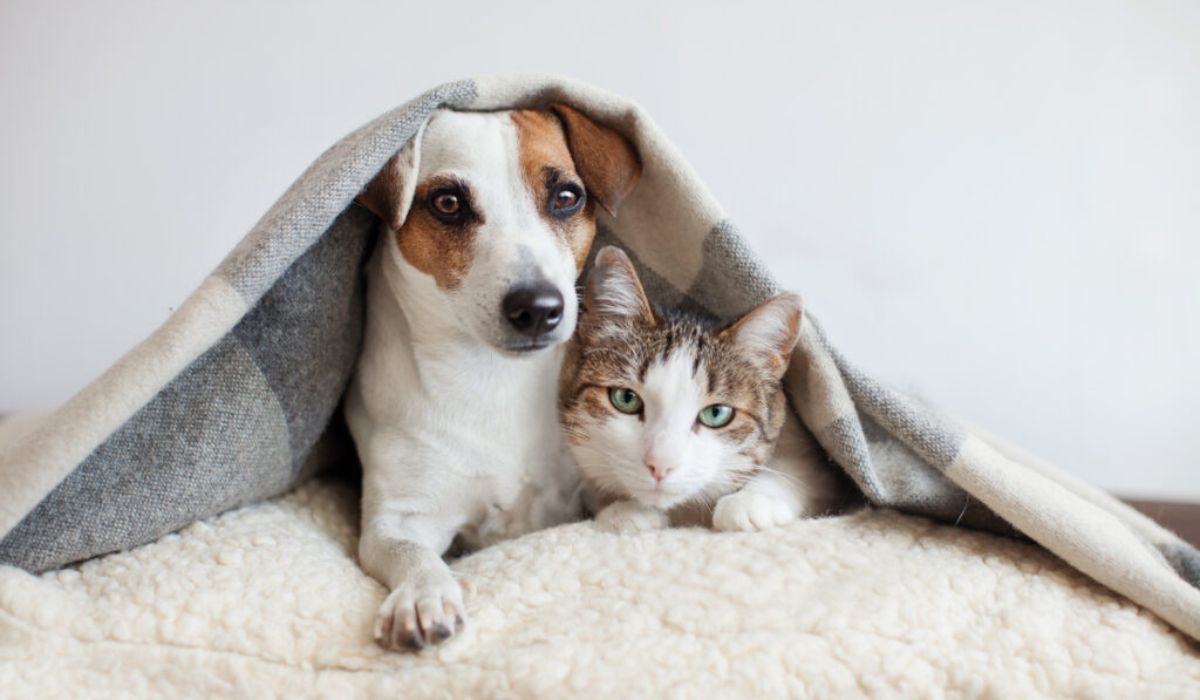
Popular Ornamental Plants May Pose Little-Known Risks to the Health of Dogs and Cats Indoors, Especially When There Is Contact or Accidental Ingestion, Requiring Care from Guardians and Information to Avoid Situations That Require Veterinary Attention.
Keeping ornamental plants indoors is a common practice in Brazilian homes, but it can pose a risk when dogs and cats are present.
Various species widely used in home decoration contain substances that can cause poisoning in animals, whether through ingestion, chewing, or contact with sap, leaves, and flowers.
In many cases, small amounts are already sufficient to provoke adverse reactions that require veterinary evaluation.
-
A trick with a fan and a PET bottle goes viral in the extreme heat of 2026 and promises to cool the environment while using almost no electricity.

-
A 176,000-hectare farm in the Northeast is up for sale for R$ 1.2 billion, featuring a runway, fuel station, river, schools, and warehouses, and has become a phenomenon on social media due to its size, which surpasses that of Brazilian capitals.

-
Finding a 3.9 mm larva of the lionfish in the Amazon raises maximum alert and indicates that the invader may already be reproducing in the region.
-
On a tiny island of 6.3 hectares, Mitsubishi created a city for over 5,000 residents, sustained by underwater coal mining, until the project’s collapse left ruins that still impress Japan.


Among the plants most commonly found in houses and apartments are Dieffenbachia, anthurium, monstera, lilies, and snake plant.
According to veterinary guidance materials and animal toxicology centers, these species exhibit different levels of toxicity and can affect dogs and cats in distinct ways.
Knowing the risks associated with each of them is an important step in preventing accidents at home.
The severity of poisoning varies according to factors such as the plant species, the amount ingested, the mode of contact, and the size of the animal.
Nonetheless, professionals in the veterinary field warn that early identification of clinical signs and seeking specialized care significantly increase the chances of recovery.
In cats, for example, exposure to certain types of lilies is considered a medical emergency.
Common Ornamental Plants Associated with Pet Poisoning
Not all plants classified as toxic produce the same effects.
Some primarily act as irritants to the oral mucosa, while others can cause gastrointestinal disturbances or compromise internal organs.
A significant portion of the species involved in domestic accidents produces microscopic crystals or chemical compounds that are released when leaves and stems are chewed.
In these situations, the onset of intense salivation, vomiting, and evident discomfort is common immediately after contact.
The following are the main characteristics of the plants most cited in poisoning reports.
Dieffenbachia and the Risk of Intense Irritation

Dieffenbachia, often used indoors due to its resilience and adaptation to low light,
According to veterinary literature, the plant contains calcium oxalate crystals that, when released during chewing, can cause burning in the mouth, swelling of the tongue and lips, excessive salivation, and difficulty swallowing.
In more severe cases, there are reports of difficulty in the upper respiratory tract.
Anthurium and Its Effects in the Oral Cavity

Anthurium is also on the list of potentially toxic plants for dogs and cats.
According to experts, oral contact with the plant can cause pain, inflammation, and swelling in the mouth, as well as increased salivation and episodes of vomiting.
Symptoms usually appear shortly after ingestion or chewing of the leaves and flowers.
Monstera and Toxicity Associated with Ingestion

Monstera, scientifically known as Monstera deliciosa, is pointed out by animal toxicology guides as toxic to pets.
Ingestion or chewing can cause oral irritation, intense salivation, nausea, and vomiting.
In some cases, animals show discomfort when trying to swallow, which may lead to refusal of food in the hours following contact.
Lilies and Extra Caution with Cats

Lilies from the genera Lilium and Hemerocallis are considered especially dangerous for cats.
According to veterinary entities and poison control centers, ingestion of small parts of the plant, as well as contact with pollen, can trigger acute renal failure in felines.
For this reason, the technical guidance is usually to completely avoid the presence of these plants in environments where cats are present.
Snake Plant and Gastrointestinal Changes
Snake plant, also known as Sansevieria, is another species associated with poisoning in dogs and cats.
According to clinical records, ingestion may cause vomiting, diarrhea, and decreased appetite.
Although many cases are mild, the persistence of symptoms can lead to dehydration, especially in small animals.
Clinical Signs and Behavioral Changes That Require Attention
The effects of poisoning from plants are not limited to immediate physical symptoms.
In addition to salivation, vomiting, and diarrhea, dogs and cats may display apathy, restlessness, unusual vocalization, and refusal of food.
In some cases, the animal may start to rub its nose with its paws or lick the area around its mouth persistently.
Veterinarians emphasize that signs such as difficulty breathing, pronounced swelling in the mouth, and repeated vomiting require immediate care.
In the specific case of cats exposed to lilies, technical recommendation is not to wait for the symptoms to progress.
Strategies to Reduce Risk Indoors
The main preventive measure indicated by experts is to keep pets away from potentially toxic plants.
This can be done by placing pots in elevated locations, using hanging supports, or restricting access to certain rooms.
More attention should be paid to puppies, which tend to explore their environment more intensely.
Another point highlighted by professionals is the maintenance of the environment.
Fallen leaves and flowers can be accidentally ingested, as well as sap residues left after pruning.
Even species considered non-toxic can cause gastrointestinal discomfort if consumed in excess.
How to Act in Case of Suspected Poisoning
In situations of suspected ingestion or contact with toxic plants, the general guidance is to seek a veterinarian as soon as possible.
Bringing information about the involved plant, such as its common name or a photo, can assist in the care.
Professionals warn that one should not induce vomiting or administer homemade substances without guidance.
While waiting for care, it is recommended to keep the animal away from the plant and remove any possible remnants from the environment.
In cases considered higher risk, immediate referral for specialized care is deemed decisive for the prognosis.
Alternative Plants and Care with Common Names
For guardians wishing to keep plants at home, there are species described in veterinary guides as non-toxic to dogs and cats.
Among them are rye palm, African violet, and prayer plant.
Nevertheless, experts warn about the confusion created by common names.
The so-called lucky bamboo, for example, belongs to the genus Dracaena and is classified as toxic to pets.
The same caution applies to herbs often cited as harmless.
Mint and chamomile appear on animal toxicology lists as potentially toxic plants, especially when ingested in larger quantities.
For this reason, the recommendation is always to confirm the scientific name of the plant and its classification before introducing it into the home environment.








-

-

2 pessoas reagiram a isso.