





 Portuguese
  English
  Spanish
 3 min of reading
  0 comments


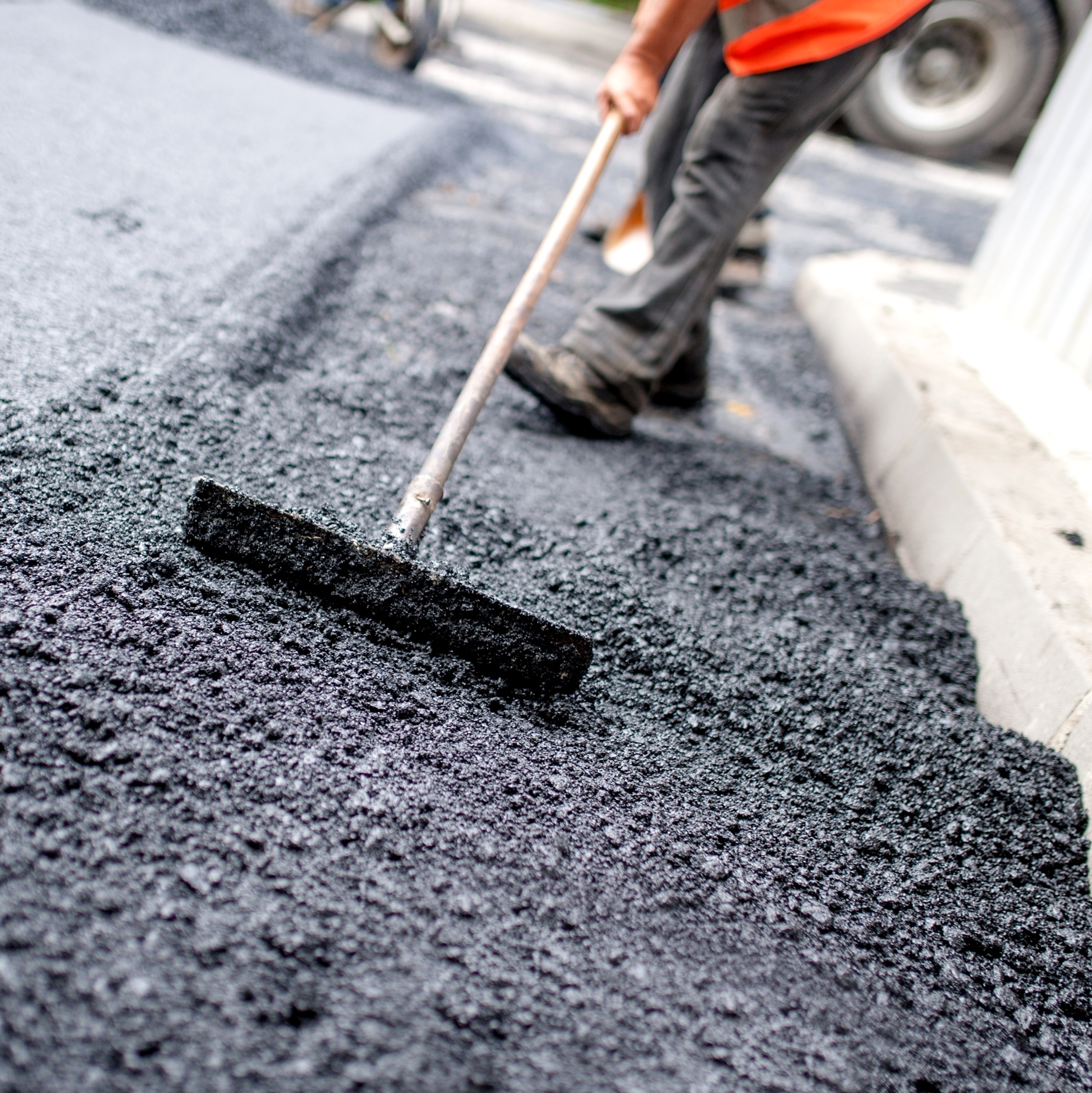
Sustainability on Highways. Discover the Technology and Pioneering Sections in the Interior of São Paulo, Recycled Plastic Reduces Costs.
At a time when concern for the environment and the search for innovative solutions become urgent, a new proposal emerges to reconcile economy and sustainability in the country’s road infrastructure.
The use of repurposed material aims to reduce highway costs and encourage sustainable infrastructure in Brazil.
The pioneering initiative, which transforms plastic waste into asphalt, promises to revolutionize road construction and give a new purpose to one of today’s largest environmental problems.
-
Embrapa’s discovery reveals an unexpected advancement by allowing the production of seedlings from the caatinga using brackish water, opening a new frontier for farmers to face drought more efficiently.
-
6 sources of free fertilizer that you are throwing away every day and can transform your garden without spending anything.
-
With a water crisis on the radar, Sabesp invests in reclaimed water for data centers and transforms sewage treatment into a solution that saves millions of liters and protects public supply.

-
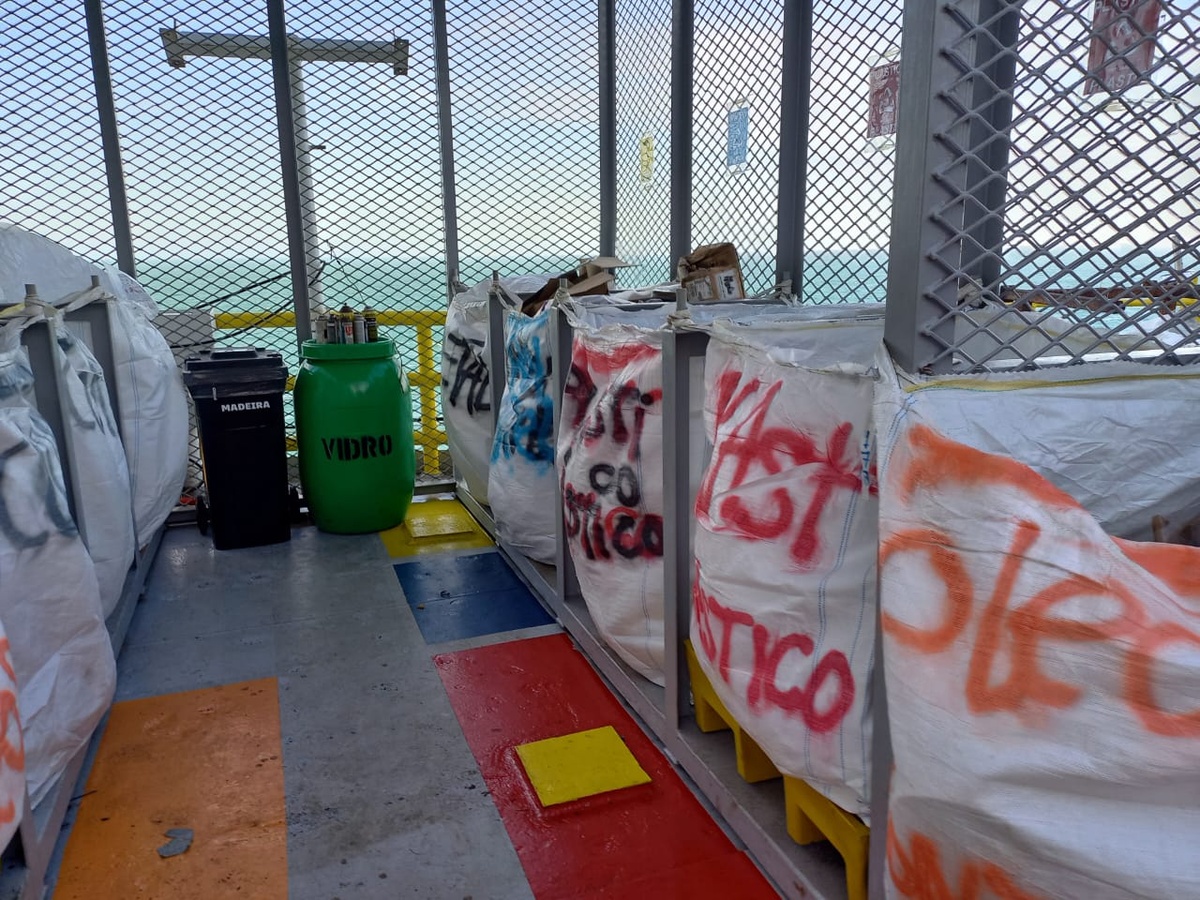
Foresea achieves 100% offshore waste reuse in 2025, eliminates landfill disposal, and consolidates sustainable strategy with 1,500 tons recycled.
The Challenge of Plastic Waste in the Country
To understand the importance of this innovation, we must look at the alarming numbers of plastic disposal in Brazil.
Data from Abrelpe (Brazilian Association of Public Cleaning and Special Waste Companies) shows that plastic waste generation in urban centers reached 13.7 million tons in 2022.
These figures translate into a significant individual disposal, as, on average, each person in the country was responsible for disposing of 64 kilograms of the material per year.
The scenario becomes even more concerning when it is revealed that over 3 million tons of solid waste were ultimately discarded in rivers and seas, impacting ecosystems and public health.
In this context, asphalt made from recycled plastic presents itself as a concrete solution.
The Pioneering of Washington Luiz Highway
The innovation that could change this scenario is already a reality on the roads of São Paulo.
For the first time in the country, the use of recycled plastic on a highway was tested in July 2022.
The chosen section was km 171 of Washington Luiz Highway, or SP-310, located in the municipality of Rio Claro, 173 km from the state capital.
In this pilot project, 1.5% of recycled plastic was used in the asphalt mixture, which represented 450 kg of material, or the equivalent of 200,000 post-consumer packages that would have ended up as waste.
The initial success of the project encouraged its expansion.
In July 2024, the companies involved inaugurated a second experimental section, on the same scale, at km 563 of Comandante João Ribeiro de Barros Highway (SP-294), in Parapuã, in western São Paulo.
The Technology Behind the Sustainable Solution
The transformation of plastic into asphalt is a detailed technological process.
Engineer Robinson Ávila, one of the project’s authors, explains that the material used in this type of application is polypropylene, which is present in common items such as supermarket bags and margarine, ice cream, and rice and bean packaging.
After being crushed and burned, the recycled plastic undergoes a mixing process with pure asphalt and is subjected to extreme temperatures to form the junction of the two materials.
According to chemical engineer Emerson Maciel, this technique of combining post-consumer plastic with asphalt received from refineries is called “wet process”.
Next, the asphalt mixed with plastic is taken to a plant, where it is mixed with stone before being transported by trucks for final application on the road.
The initiative shows that innovation can solve environmental problems while building a more resilient future for national infrastructure.







Seja o primeiro a reagir!