






 Portuguese
  Spanish


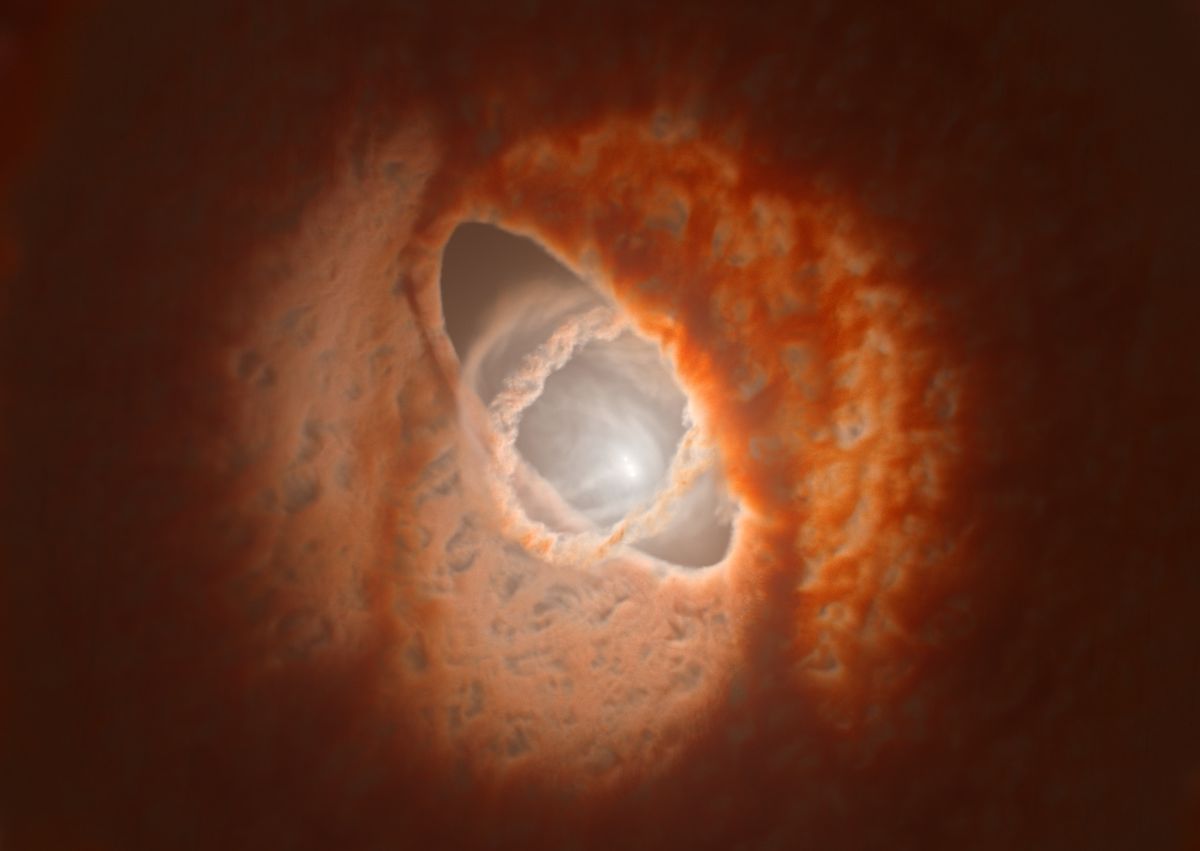


Astronomers Identified A Planet That Could Be The First Ever Discovered To Orbit Three Stars At Once
Have you ever imagined a planet orbiting not just one, but three stars simultaneously? It sounds like a scene from science fiction, but this is a real possibility that astronomers have been investigating in recent years.
The discovery was made in the GW Orionis system, located in the constellation Orion, about 1,300 light-years from Earth.
GW Orionis is a triple star system surrounded by rings of dust. These rings have a peculiar gap that piqued scientists’ curiosity.
-
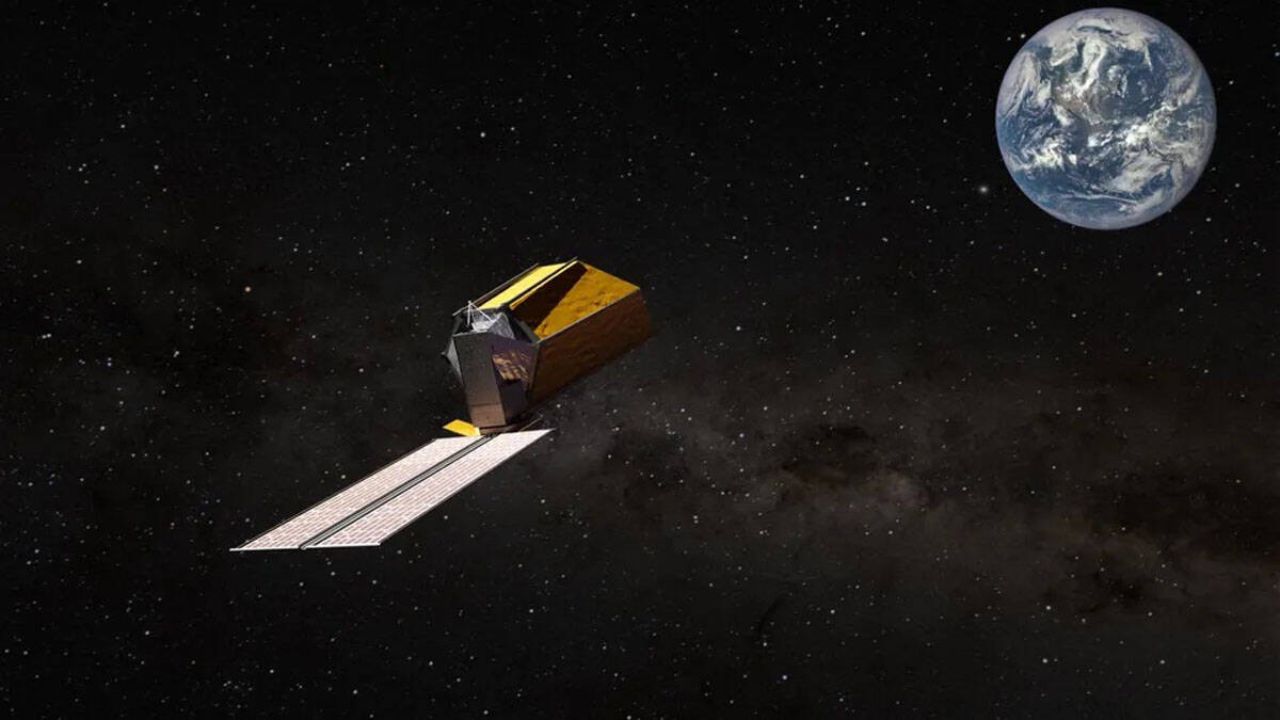
NASA Plans Telescope That Can Be Repaired by Robots 1.5 Million Kilometers from Earth

-
China Launches First Oceanic Medical Rescue Ship with Advanced Facilities to Serve Remote Regions

-
Midea Unveils Portable PortaSplit Air Conditioner: 12,000 BTUs, Quiet Mode, Heating, Dehumidification, App Control, and AI Efficiency Without Professional Installation
-
Singapore Turns Incinerated Waste Ash into Construction “Sand” in Ambitious Project to Revolutionize Megacity Waste Management


A study published in the Monthly Notices of the Royal Astronomical Society in 2021 suggests that this gap may be caused by a giant gas planet, similar to Jupiter. If confirmed, this will be the first planet ever found orbiting three stars.

A New Approach To Planet Formation
Planet formation in complex star systems like GW Orionis is a fascinating puzzle. According to Jeremy Smallwood, the lead author of the study and a recent Ph.D. graduate in astronomy from the University of Las Vegas, Nevada, the discovery reinforces theories about how planets form.
“It’s truly exciting because it makes the theory of planet formation much more robust. This could mean that planet formation is much more active than we thought, which is pretty cool,” Smallwood stated.
Using the ALMA radio telescope located in Chile, researchers observed three rings of dust around GW Orionis.
The prominent gap in the rings is the main evidence that one or more massive planets may be present. However, the planet itself has not yet been directly detected.
Additional observations from ALMA, scheduled for the coming months, should help confirm the existence of this mysterious object.
A Universe Full Of Surprises
Although star systems with multiple stars seem exotic, they are actually quite common. About 85% of stars are in binary systems, while approximately 10% are part of triple or multiple systems. It is our Solar System, with its single star, that is the exception.
The discovery in GW Orionis not only challenges traditional notions of planetary formation but also broadens our understanding of the universe.
If a planet can exist in such a complex system, what else might be waiting to be discovered?





É estranho mas parece com um olho
Mas meu Deus, esse povo não tem o que fazer kkkkkkkk, eu abri o Google pra fazer uma coisa, agora até já esqueci o que ia fazer por causa dessa história de sol, estrela, planeta
O problema dos três corpos?