





 Portuguese
  English
  Spanish
  5 min of reading
  0 comments


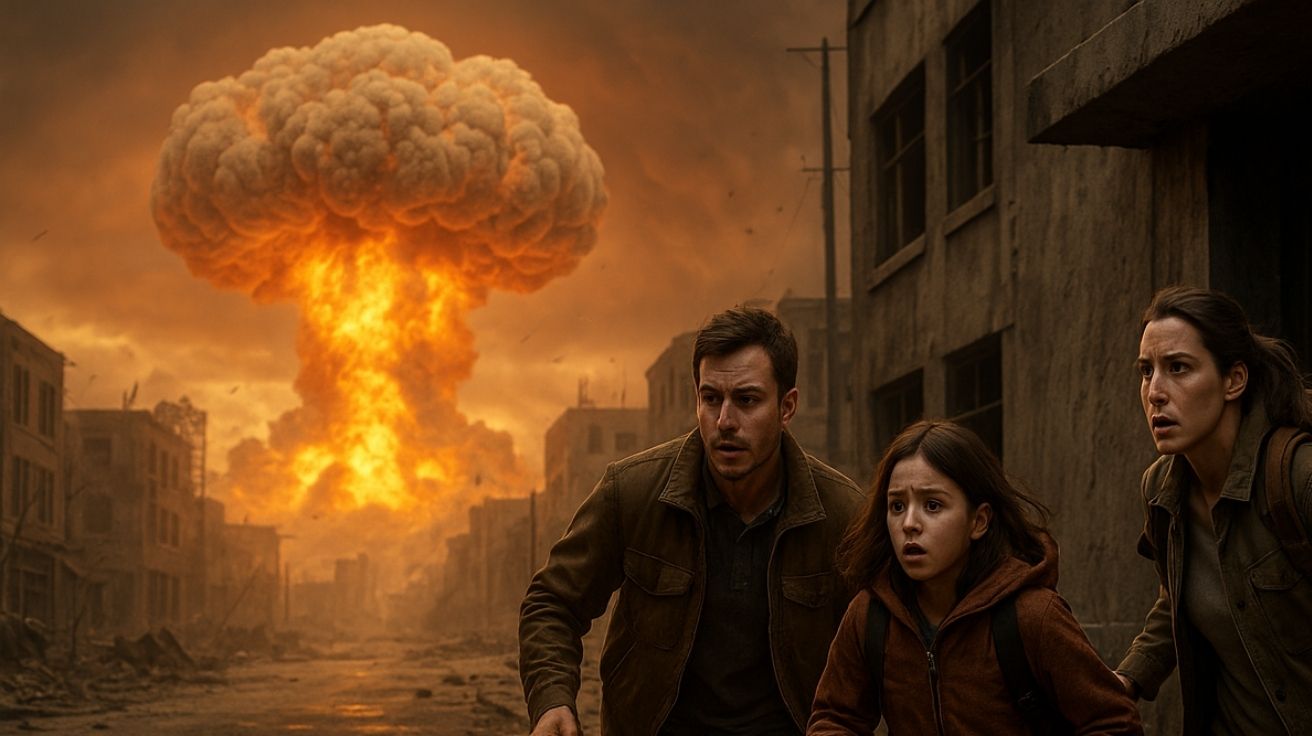
Based on Official Guidelines from Global Organizations Like ICRP, Red Cross, and FEMA, Understand What to Do in the First 10 Minutes After a Nuclear Attack and How to Protect Your Family from Lethal Radiation That Follows
In an extreme scenario of war or terrorism, a nuclear attack can occur with no warning. When the explosion happens, radiation and side effects leave no room for errors. The first 10 minutes are crucial for increasing survival chances. In this critical moment, the speed and precision of actions can protect you, your family, and even your pets.
This article compiles information from the leading global emergency response organizations regarding nuclear emergencies, ICRP (International Commission on Radiological Protection), American Red Cross, and FEMA (Federal Emergency Management Agency), and translates technical guidelines into clear, actionable steps for the average citizen.
ARTICLE CONTINUES BELOWSee also
Spain challenges the USA and closes its airspace for operations against Iran, raising global tension and provoking the threat of a trade rupture.

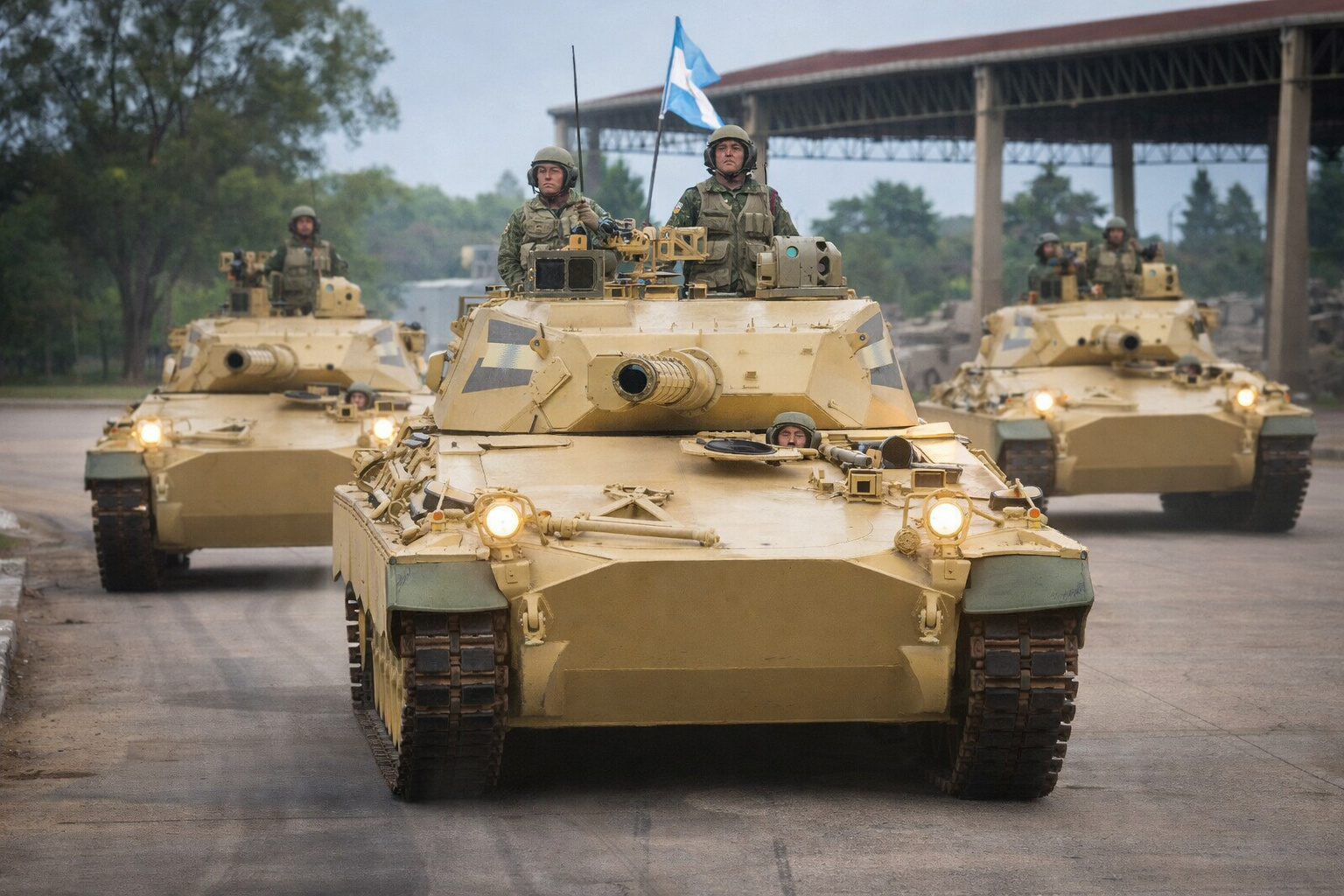
While no other country manufactures tanks in Latin America, Argentina activates the TAM 2C-A2 and raises a curiosity about the technological lag in the region.
A Russian ship with 730,000 barrels of oil has just arrived in Cuba while Mexico negotiates fuel sales through private companies: the communist island is desperately seeking alternatives after losing its supply from Venezuela due to American military action.

Iranian drones and missiles destroyed a 270 million dollar American spy plane in Saudi Arabia, splitting the E-3 Sentry aircraft in half and injuring 12 military personnel in an attack that exposes the vulnerability of U.S. bases in the Persian Gulf.

The Initial Impact of an Explosion During a Nuclear Attack
In the first seconds after a nuclear detonation, a devastating sequence occurs: a flash capable of causing temporary blindness from over 10 kilometers away, followed by a destructive shock wave and a thermal radiation storm. The temperature can exceed thousands of degrees, igniting everything around the ground zero. Even those kilometers away can be hit by debris and shards from broken windows.
If the attack is on the ground, one of the greatest dangers is radioactive fallout, radioactive particles that rise with the explosion and fall minutes later, contaminating the air, water, soil, and any exposed surface. The risk of radiation exposure progressively increases after detonation, and time is the most valuable resource at this moment.
The ICRP warns that even people tens of kilometers away may be at risk in the first 10 to 20 minutes. It is essential to seek shelter immediately, preferably in basements, underground garages, or the centers of large concrete buildings. These locations provide thicker physical barriers against radiation.
Avoid moving in vehicles. According to FEMA and Ready.gov, cars do not provide adequate protection against radiation. Additionally, traffic jams are expected in such events, and exposure outdoors increases vulnerability.
Protection in the first minutes is defined by three main factors: time, distance, and shielding. The more time you are protected, the further you are from the explosion zone, and the more material between you and the outside, the greater your chance of survival.
Immediate Steps to Take in the First 10 Minutes After a Nuclear Attack
As soon as you see a bright flash, do not look directly at it. The light from the explosion can cause instant blindness. Next, lie flat on the ground, preferably face down and covering your head. This minimizes the impact of the shock wave that will come in seconds.
Once the wave passes, get up and run to the closest safe shelter. If you are in an urban area, enter masonry or concrete buildings. Avoid fragile structures or those with many windows. Go as deep as possible, like basements or the centers of buildings. The American Red Cross emphasizes that even an improvised shelter, such as underground parking lots or subway tunnels, offers significant protection compared to exposure outdoors.
Close all doors, windows, and cracks. Turn off air conditioning systems, fans, or forced heaters, as they can draw contaminated air into the shelter. Seal air vents, chimneys, and any openings with clothing, towels, or duct tape, if available.
If you have time, take potable water, non-perishable food, flashlights, AM radio with batteries, important documents, and your medications. An extra change of clothes, hygiene items, and supplies for pets are also recommended.
Do not attempt to search for family members or go out to help neighbors in the first moments. According to the ICRP, external movements raise the risk of contamination and death. Ideally, everyone should remain apart but alive until it is safe to leave.
How to Identify a Nuclear Explosion
Many people will not immediately know if the explosion is nuclear. Therefore, pay attention to specific signs described by FEMA:
- Bright flash followed by a shock wave seconds later
- Simultaneous fires in various areas
- Mushroom-shaped smoke column
- Burning materials at long distances
- Immediate failures in electronics and networks (effect of the electromagnetic pulse)
If these signs are present, immediately consider that it is a nuclear explosion and enter survival mode as described above. From that moment on, the goal is to avoid exposure to the external environment for the next 24 to 72 hours.
The ICRP reports that after the explosion, there is a window of up to 10 minutes before the radioactive fallout arrives. This means it is possible to act quickly, but it requires being rational and objective.
Remember: those who act calmly survive, even amid chaos. Children, the elderly, and pets should be taken directly to the most protected location possible, without hesitation.
Development 4: What NOT to Do in the First 10 Minutes
The most common mistake is trying to flee by car. Inevitable traffic jams expose people to fallout. Another fatal mistake is seeking shelter in wooden, glass, or thin metal structures, which do not offer sufficient shielding against radiation.
Avoid using elevators. In a nuclear explosion, power outages are immediate, and you could become trapped. Use only stairs.
Do not use cell phones or the internet as primary sources of information. After the electromagnetic pulse, most networks may go down. The most reliable source will be an AM radio with batteries, as this frequency remains active even during network collapses.
Do not touch or collect food, clothing, or objects that are outside. The risk of contamination is extremely high. According to the Red Cross, removing outer clothing can eliminate up to 90% of radioactive contamination if you have been outside.
Avoid hair conditioners, moisturizers, or body lotions, as they can bind radioactive particles to the skin and hair, making decontamination more difficult.
Development 5: Preparation is the Only Real Defense
While it may seem impossible to be prepared for such an extreme situation in case of a nuclear attack, experts from Ready.gov recommend creating family plans for this scenario. This includes identifying safe shelters in the places where you spend most of your time, such as home, work, school, and during transit.
Assemble a nuclear emergency kit with water, food, radio, flashlights, medications, and hygiene products. Teach everyone in the household, including children, the basic steps for protection.
Create an emergency communication plan. In case of separation, define a safe meeting point and a contact outside the affected area that can centralize information.
The ICRP highlights the story of Eizo Nomura, a Hiroshima bomb survivor who was in a basement, as real proof that the right shelter at the right time can save lives, even when less than 200 meters from the epicenter.
It’s never too early to be prepared. And if the first 10 minutes are well utilized, you will be much closer to survival, even in the face of the worst possible scenario.










-

-

-

-

21 pessoas reagiram a isso.