





 Portuguese
  English
  Spanish
  3 min of reading
  0 comments


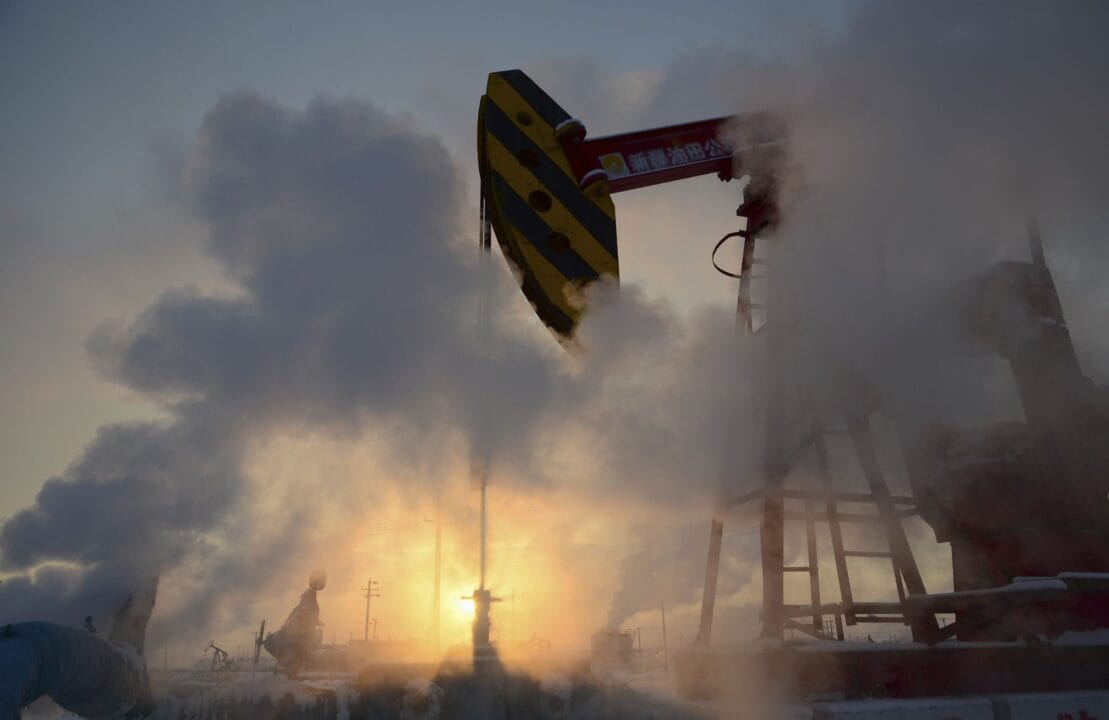
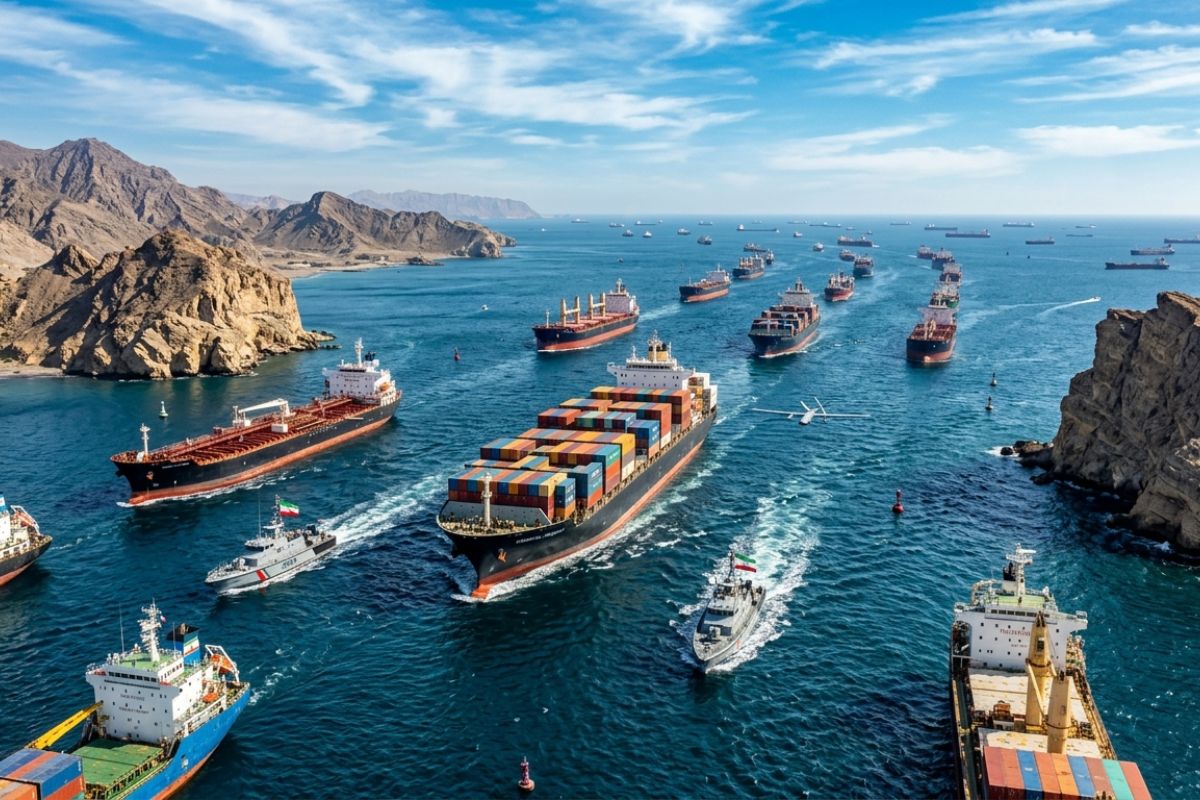
Airstrikes Hit Houthi Rebels; Fear of Large-Scale Conflict Revived After Airstrikes on Houthi Targets in Yemen and Incidents in the Red Sea.
Oil prices rose due to the impacts of U.S.-led airstrikes in Yemen, which shook energy markets on Friday (12). U.S. crude saw a 4.2% increase, reaching US$ 75 (R$ 365.61) per barrel, while Brent crude, the global benchmark, surged 4% and surpassed US$ 80 (R$ 389.98) per barrel. This rise in prices was caused by the bombings carried out by the U.S. and U.K. in Yemen in response to Houthi attacks on commercial ships in the Red Sea, highlighting the volatility of oil as fossil fuel and hydrocarbon. (https://en.clickpetroleoegas.com.br/escalada-de-tensoes-no-mar-vermelho-faz-precos-do-petroleo-subirem/)
Concerns About Oil in the Middle East
The operation against the Iran-backed group raises fears of a regional conflict that could disrupt oil supply from the Middle East.
‘The likelihood of dragging several oil-producing countries into the conflict is definitely greater today than it was yesterday. And it was higher yesterday than the day before that’, said Robert Yawger, vice president of energy futures at Mizuho Securities.
-
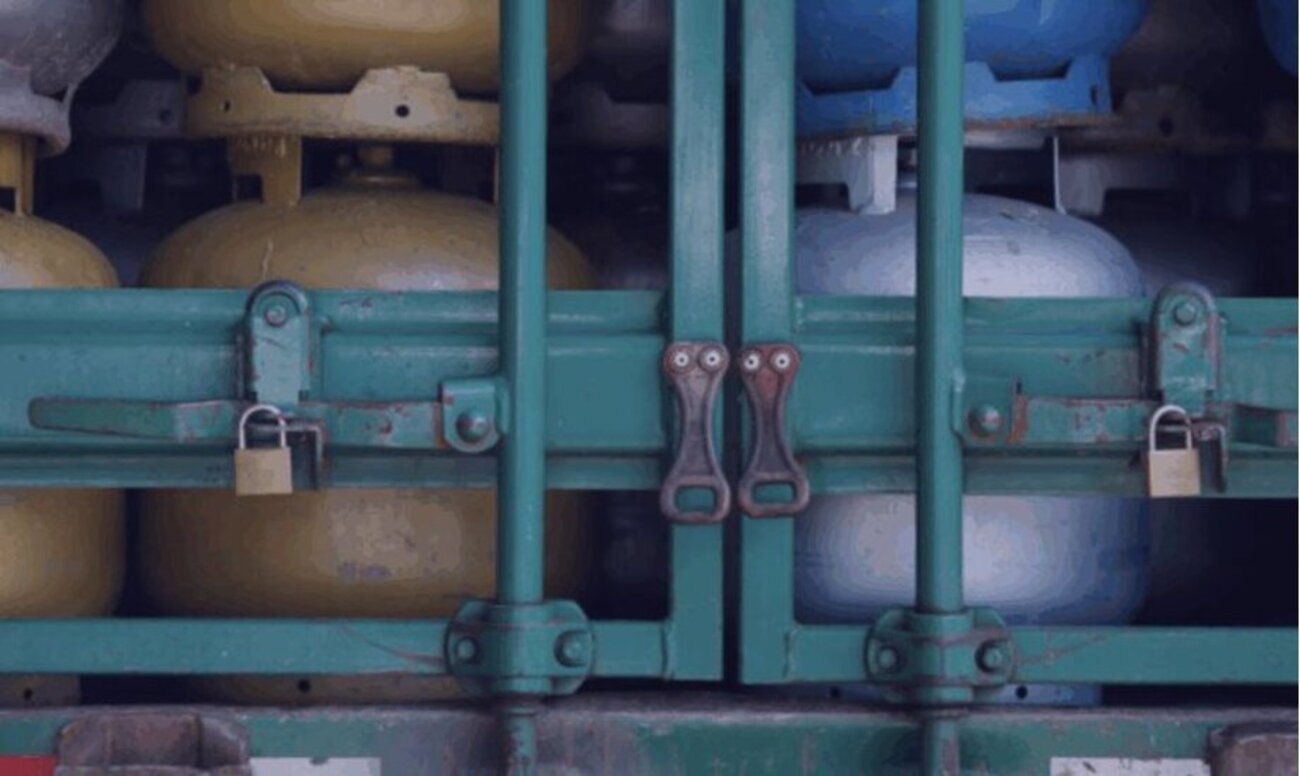
Petrobras evaluates suspension of sales to distributors and considers canceling the cooking gas auction following guidelines from the Federal Government.
-
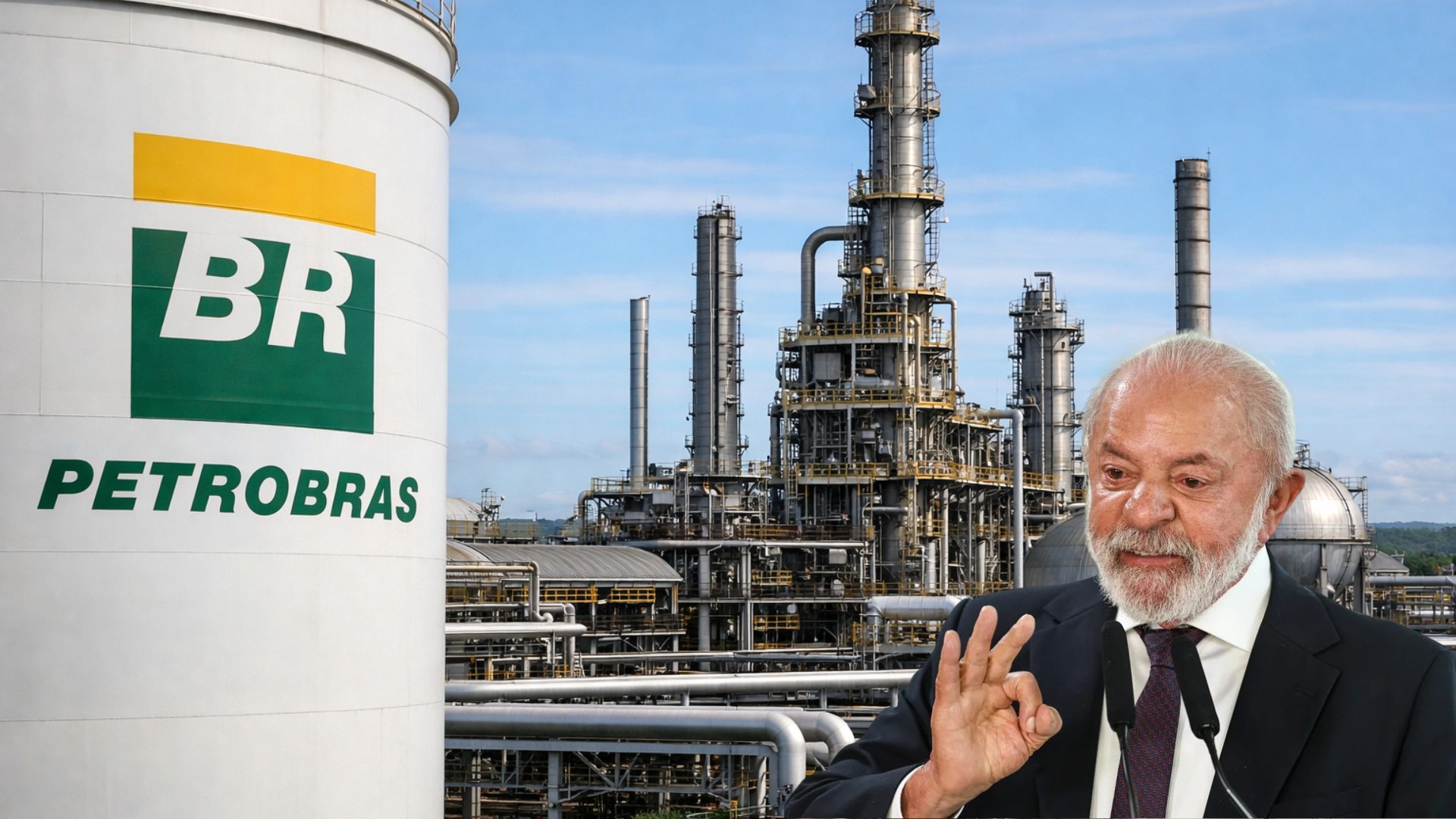
Lula reveals a masterstroke by Petrobras to undo a deal made by Bolsonaro, which involves the return of an important refinery that currently produces less than half of what was expected and makes Brazil dependent on international diesel.
-
A study confirms that the natural gas sector will reduce greenhouse gas emissions in Brazil by 0.5% and accelerate the energy transition by 2026.

-
Petrobras implements a severe adjustment and confirms a 55% increase in the price of aviation kerosene with a proposal for installment payments for the companies.


Another concern is that oil facilities in Saudi Arabia could be targeted by a retaliatory attack from the Houthis.
In 2019, about 5% of global oil supply was temporarily disrupted after a large-scale drone attack on Saudi facilities.
‘When you start attacking land facilities in Yemen, it takes things to the next level’, Yawger said.
Despite Friday’s gains, oil prices remain lower than before the October 7 attacks by Hamas against Israel due to concerns over oversupply.
Prices initially surged on Thursday after Iran seized a tanker in the Gulf of Oman. However, those gains later dissipated.
‘There is a daily battle between fundamentals and geopolitics’, said Matt Smith, chief oil analyst at Kpler.
‘The fundamental scenario is seasonally weak, but on the other hand, we have ongoing concerns and incidents in the Red Sea, and now near the Strait of Hormuz, two of the world’s most crucial points [for maritime trade].’
This article was originally published in English by CNN International
‘
The Impact of Oil on Global Supply
The operation against the Iran-backed group raises fears of a regional conflict that could disrupt oil supply from the Middle East.
‘The likelihood of dragging several oil-producing countries into the conflict is definitely greater today than it was yesterday. And it was higher yesterday than the day before that’, said Robert Yawger, vice president of energy futures at Mizuho Securities.
Another concern is that oil facilities in Saudi Arabia could be targeted by a retaliatory attack from the Houthis.
In 2019, about 5% of global oil supply was temporarily disrupted after a large-scale drone attack on Saudi facilities.
‘When you start attacking land facilities in Yemen, it takes things to the next level’, said Yawger.
Despite Friday’s gains, oil prices remain lower than before the October 7 attacks by Hamas against Israel due to concerns over oversupply.
Prices initially surged on Thursday after Iran seized a tanker in the Gulf of Oman. However, those gains later dissipated.
‘There is a daily battle between fundamentals and geopolitics’, said Matt Smith, chief oil analyst at Kpler.
‘The fundamental scenario is seasonally weak, but on the other hand, we have ongoing concerns and incidents in the Red Sea, and now near the Strait of Hormuz, two of the world’s most crucial points [for maritime trade].’
This article was originally published in English by CNN International
‘
Source: CNN Brazil








Seja o primeiro a reagir!