






 Portuguese
  Spanish


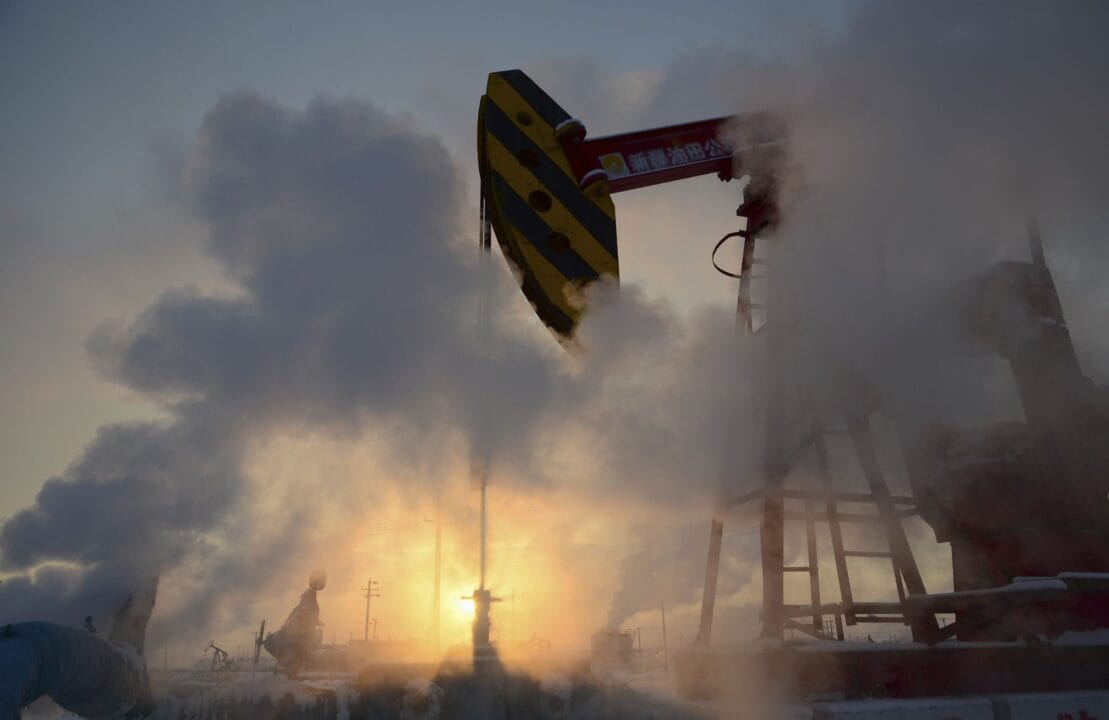

Airstrikes Hit Houthi Rebels; Fear of Large-Scale Conflict Revived After Airstrikes on Houthi Targets in Yemen and Incidents in the Red Sea.
Oil prices rose due to the impacts of U.S.-led airstrikes in Yemen, which shook energy markets on Friday (12). U.S. crude saw a 4.2% increase, reaching US$ 75 (R$ 365.61) per barrel, while Brent crude, the global benchmark, surged 4% and surpassed US$ 80 (R$ 389.98) per barrel. This rise in prices was caused by the bombings carried out by the U.S. and U.K. in Yemen in response to Houthi attacks on commercial ships in the Red Sea, highlighting the volatility of oil as fossil fuel and hydrocarbon. (https://en.clickpetroleoegas.com.br/escalada-de-tensoes-no-mar-vermelho-faz-precos-do-petroleo-subirem/)
Concerns About Oil in the Middle East
The operation against the Iran-backed group raises fears of a regional conflict that could disrupt oil supply from the Middle East.
‘The likelihood of dragging several oil-producing countries into the conflict is definitely greater today than it was yesterday. And it was higher yesterday than the day before that’, said Robert Yawger, vice president of energy futures at Mizuho Securities.
-
OPEC+ Boosts Oil Supply by 188,000 Barrels per Day in July 2026, Leading to Price Drop from $112 to $89 per Barrel in Under Two Months

-
TotalEnergies Signs 20-Year Deal to Purchase 2 Million Tons of LNG from Alaska, Boosting Project Viability
-
Turkey Deploys Çağrı Bey Drilling Ship to Explore New Oil Frontier Off Somalia’s Coast
-
Golden Pass LNG Ships First Liquefied Gas Cargo from the U.S., Completing $10 Billion QatarEnergy and ExxonMobil Investment



Another concern is that oil facilities in Saudi Arabia could be targeted by a retaliatory attack from the Houthis.
In 2019, about 5% of global oil supply was temporarily disrupted after a large-scale drone attack on Saudi facilities.
‘When you start attacking land facilities in Yemen, it takes things to the next level’, Yawger said.
Despite Friday’s gains, oil prices remain lower than before the October 7 attacks by Hamas against Israel due to concerns over oversupply.
Prices initially surged on Thursday after Iran seized a tanker in the Gulf of Oman. However, those gains later dissipated.
‘There is a daily battle between fundamentals and geopolitics’, said Matt Smith, chief oil analyst at Kpler.
‘The fundamental scenario is seasonally weak, but on the other hand, we have ongoing concerns and incidents in the Red Sea, and now near the Strait of Hormuz, two of the world’s most crucial points [for maritime trade].’
This article was originally published in English by CNN International
‘
The Impact of Oil on Global Supply
The operation against the Iran-backed group raises fears of a regional conflict that could disrupt oil supply from the Middle East.
‘The likelihood of dragging several oil-producing countries into the conflict is definitely greater today than it was yesterday. And it was higher yesterday than the day before that’, said Robert Yawger, vice president of energy futures at Mizuho Securities.
Another concern is that oil facilities in Saudi Arabia could be targeted by a retaliatory attack from the Houthis.
In 2019, about 5% of global oil supply was temporarily disrupted after a large-scale drone attack on Saudi facilities.
‘When you start attacking land facilities in Yemen, it takes things to the next level’, said Yawger.
Despite Friday’s gains, oil prices remain lower than before the October 7 attacks by Hamas against Israel due to concerns over oversupply.
Prices initially surged on Thursday after Iran seized a tanker in the Gulf of Oman. However, those gains later dissipated.
‘There is a daily battle between fundamentals and geopolitics’, said Matt Smith, chief oil analyst at Kpler.
‘The fundamental scenario is seasonally weak, but on the other hand, we have ongoing concerns and incidents in the Red Sea, and now near the Strait of Hormuz, two of the world’s most crucial points [for maritime trade].’
This article was originally published in English by CNN International
‘
Source: CNN Brazil








