





 Portuguese
  English
  Spanish
  6 min of reading
  0 comments


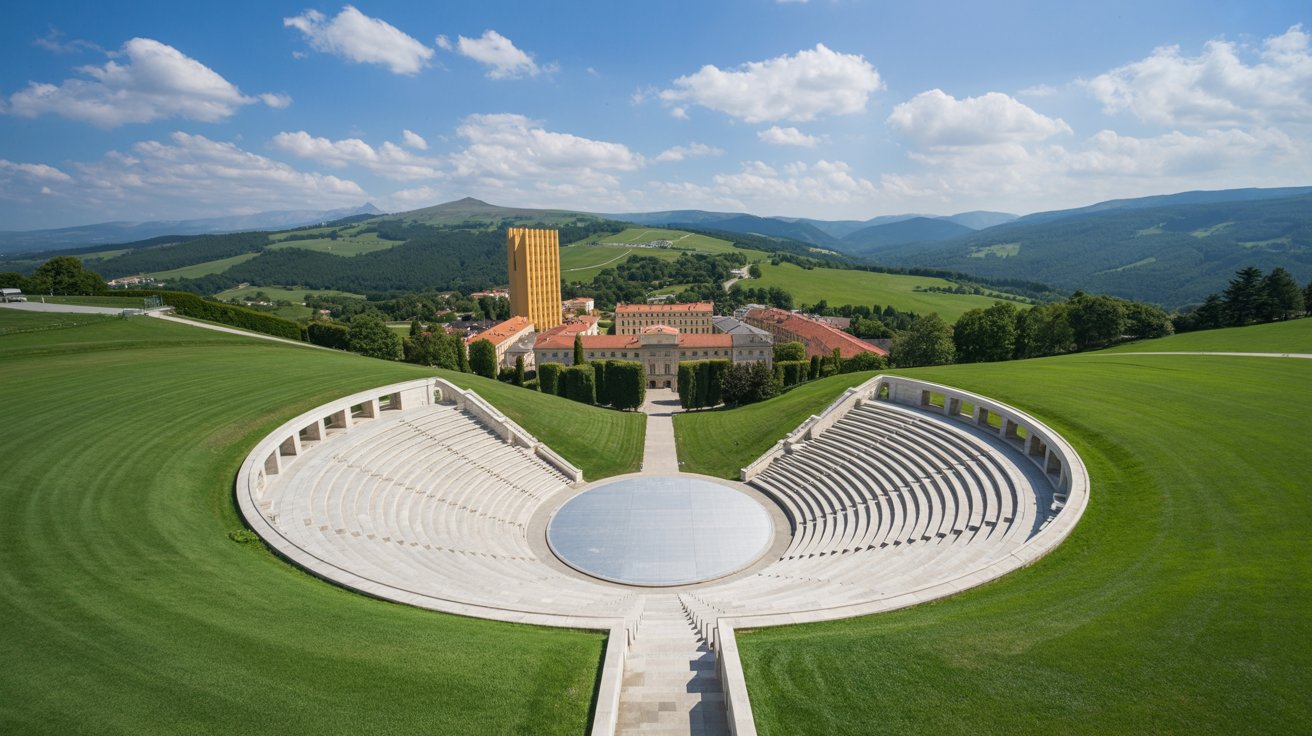
University Town, Coffee Tradition, and Quality of Life Combine in Lavras, Creating a Vibrant Environment for Those Seeking Study, Work, and a Peaceful Routine in Southern Minas.
Located about 230 kilometers from Belo Horizonte, between Varginha and Três Corações, Lavras has established itself as a medium-sized university town that has managed to combine academic tradition, agricultural vocation, and the quality of life typical of the interior of Minas.
The nickname “Mineira Athens” has accompanied the municipality for decades and is directly linked to the significance of the Federal University of Lavras (UFLA) and the study, research, and innovation environment that spreads throughout the city.
In recent years, Lavras has attracted not only students but also professionals and families looking for a quieter place, yet with good urban infrastructure, established services, and road connections that facilitate travel to Belo Horizonte, São Paulo, and Rio de Janeiro.
-
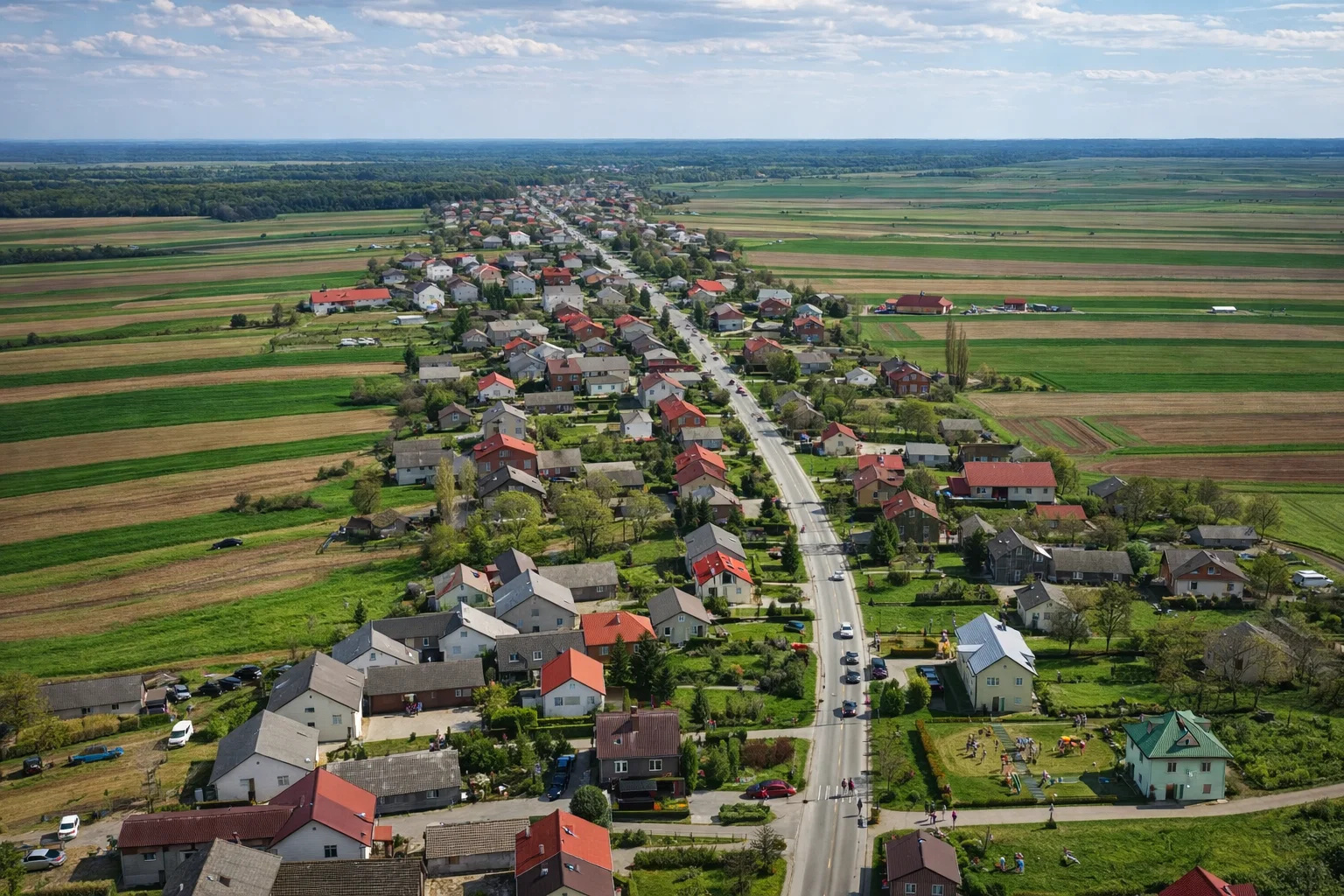
With around 6,000 residents on a single 9 km street, a village in Poland maintains a strong sense of community, cultivates strawberries and potatoes, and becomes the target of a false image created by artificial intelligence.
-
Sleeping at different times each day can be a bomb for your heart and even double your risk of having a heart attack.

-
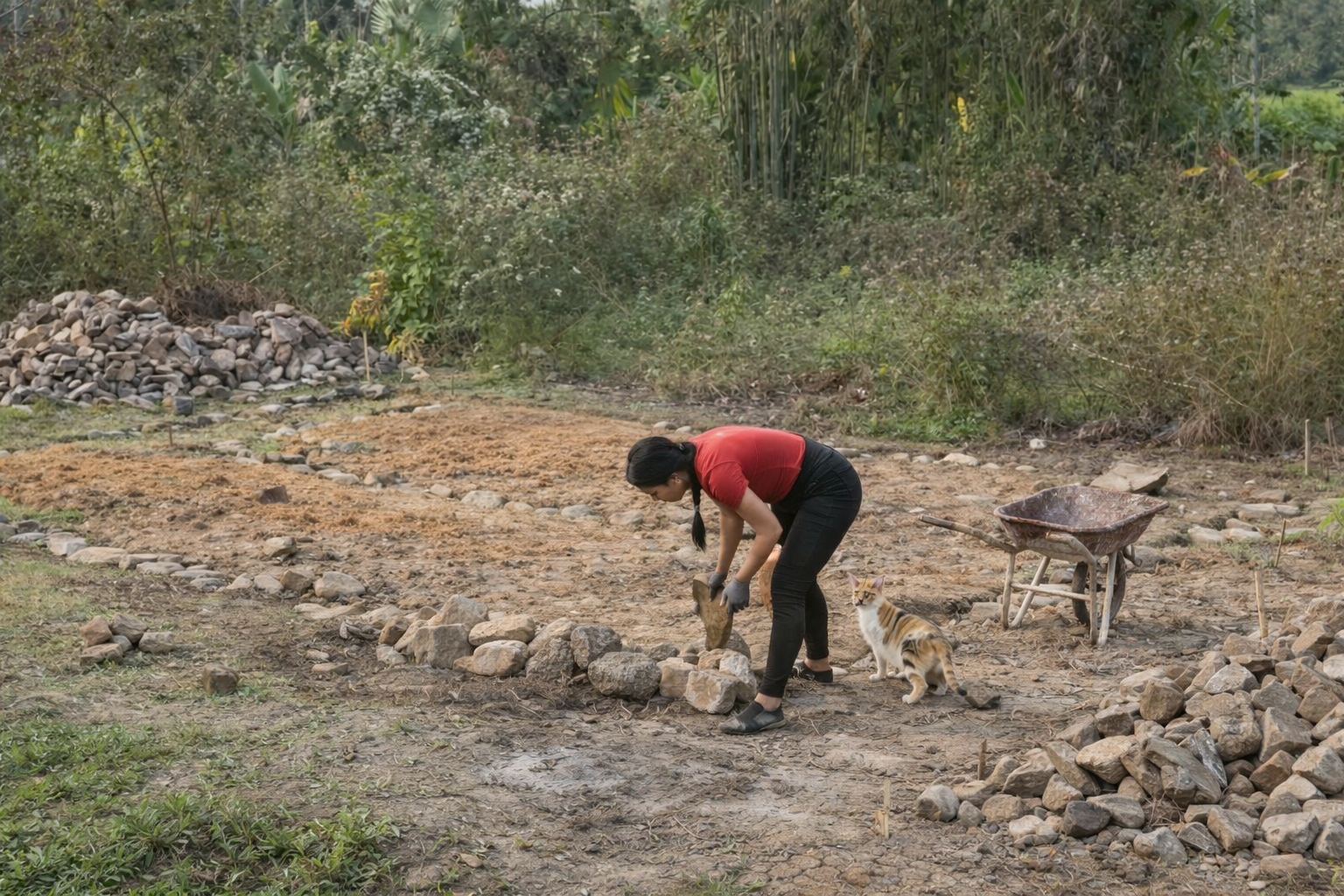
Without help and without heavy machinery, a woman builds a house from scratch with stone, wood, and cement, erects a chimney, creates a complete leisure area, and transforms an empty lot into her dream home.
-
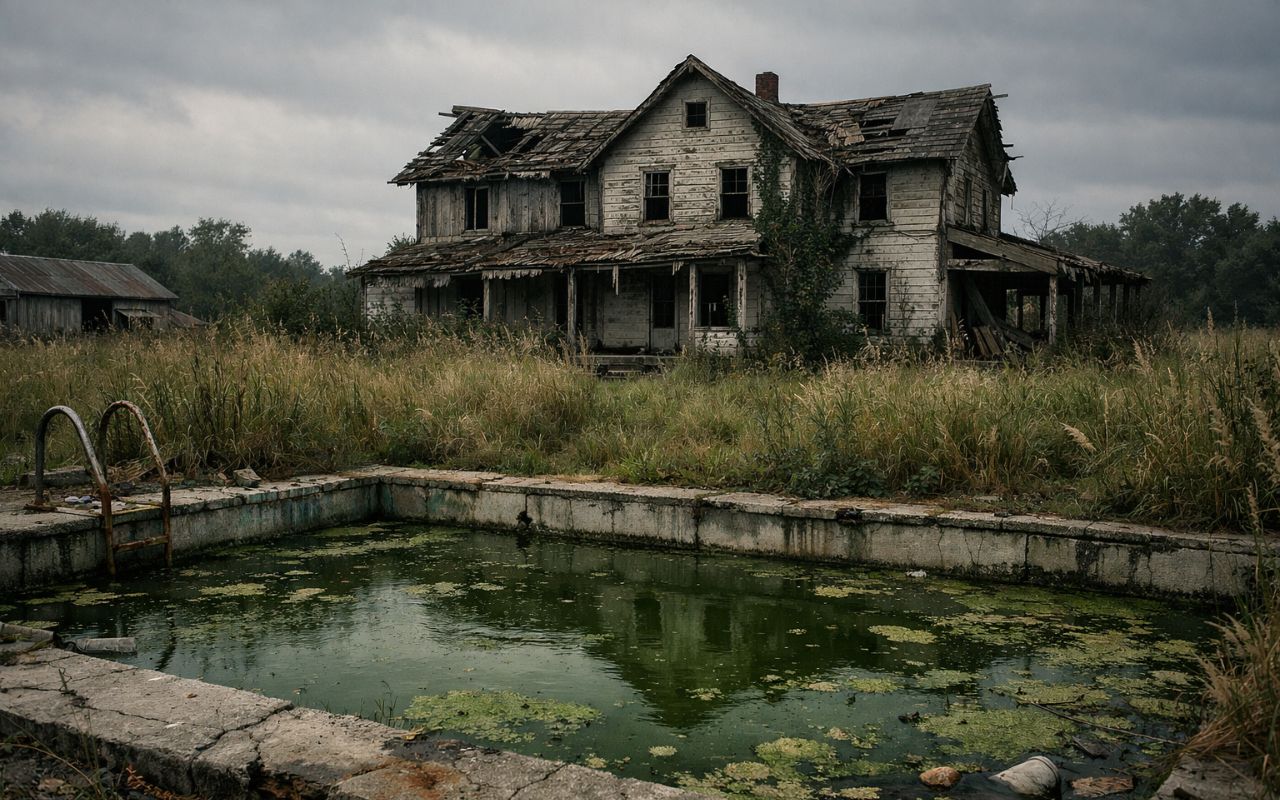
Couple transforms abandoned house after years of being closed; residence was overgrown with weeds, had a green pool, and a deteriorated structure in the interior of Rio de Janeiro.

Development and Quality of Life in Lavras
With a Human Development Index of 0.782, calculated by the United Nations Development Program based on 2010 data, Lavras ranks among the Brazilian cities of high human development and has some of the best indicators in Minas Gerais.

The effect of this performance appears in daily life.
The presence of UFLA boosts commerce, services, student housing, and a growing range of cafés, restaurants, and small businesses linked to the creative economy.
At the same time, the agricultural tradition remains a significant source of income, especially with coffee and dairy farming, as well as crops like soy, corn, and beans.
Today, the local economy is distributed among higher education, agribusiness, food and dairy industries, transportation, and technology-based companies.
This combination opens space for both qualified professionals and entrepreneurs seeking a growing municipality without the pressure of a large capital.
According to recent data from IBGE, Lavras has over 110,000 inhabitants, reinforcing its profile as a medium city with regionalized services.
Reference hospitals, well-rated public and private education networks, and a still competitive cost of living help explain why the municipality frequently appears in reports about quality of life and low crime rates in Southern Minas.
Neighborhoods of Lavras: Diverse Profiles for Different Lifestyles
The urban layout of Lavras offers different neighborhood profiles, ranging from the commercial hub to areas closer to the rural zone.

In the city center, traditional commerce, banks, public services, restaurants, and part of the cultural life are concentrated.
The location favors walking and quick access to UFLA, something valued by students and professionals who rely on public transportation or prefer to live close to everything.
Toward the campus, the Campestre neighborhood stands out as a higher-standard residential area, with tree-lined streets, large buildings and houses, and a quiet neighborhood atmosphere.
This area is highly sought after by university professors, families, and students who wish to stay close to the university but in an environment with more green spaces and less intense vehicle flow.
Jardim Glória, in turn, emerges as an urban expansion zone.
There, recent condominiums, vertical developments, supermarkets, and services cater to both long-time residents and new arrivals from other cities.
The ease of access to main roads and the feeling of a growing neighborhood make the area a common choice for young couples and professionals starting their careers.
Meanwhile, Vila Elizabete maintains characteristics of a traditional neighborhood, with calmer streets, squares, and a strong presence of families who have lived in the same area for years.
The proximity to the center reduces travel time and contributes to a sense of an organized and safe routine.
In the direction of the rural area, regions like the São Judas Tadeu neighborhood offer a transition between the city and the countryside.
Living there tends to attract those seeking more silence, spacious backyards, views of green areas, while still wanting access to schools, local commerce, and essential services.
UFLA and the Role of the University in the Transformation of the City

The history of Lavras in higher education began over a century ago.
The institution that is now the Federal University of Lavras was founded in 1908 as the Superior School of Agriculture of Lavras (ESAL), linked to agricultural education.
In 1963, it was federalized, and in 1994, it was definitively transformed into a university, consolidating the current model of teaching, research, and extension.
Today, UFLA ranks among the universities with the best quality indices in the country, according to evaluations by the Ministry of Education.
The institution has specialized in areas such as agronomy, environmental sciences, forest engineering, animal husbandry, and courses in exact and technological sciences.
The presence of the campus visibly alters the city’s routine.
There are thousands of students from different states and other countries, along with a constant agenda of congresses, symposiums, and academic weeks.
Laboratories dedicated to innovation in agriculture, biotechnology, sustainability, and animal production amplify the scientific impact of the institution.
Research conducted in Lavras often has direct applications in the national agribusiness, impacting productivity, soil management, efficient water use, and improving coffee bean quality.
Special Coffee and Rural Tourism Strengthen Lavras’ Identity
Coffee has helped define the economic and cultural landscape of Lavras since the 19th century.
The region is part of Southern Minas, internationally recognized for the quality and diversity of special coffees.
Traditional farms, many of them centuries old, preserve part of this history and still maintain crops, adapted old structures, and visitation programs.
These rural properties often welcome tourists and technical groups for experiences that include explanations about planting, harvest monitoring, drying and processing stages, and guided tastings.

In parallel, cafés in the urban area work with micro-lots and award-winning beans, bringing the end consumer closer to local brands and reinforcing Lavras’ image as an important address for specialty coffee in Minas.
Sector-related events, such as quality contests and producer meetings, strengthen the production chain and contribute to rural tourism.
Climate and Best Time to Visit Lavras
Lavras has a tropical highland climate, with rainy summers and drier, cooler winters.
For those looking to get to know the city, the period from April to August is generally the most pleasant for outdoor activities.
During this time, temperatures typically range from around 15 °C to 25 °C, with lower humidity and sunny days.
Spring, from September to November, is also considered an interesting time to travel, especially due to the blooming of ipe trees and other species that color the streets, squares, and sections of the UFLA campus.
Summer, between December and March, marks the hottest and rainiest period, when afternoon rain showers are common.
Even so, the city remains lively due to the academic calendar, university events, and cultural life linked to cafés, bars, and communal spaces.


Lavras as a Destination to Live, Study, or Visit
By bringing together a century-old university in expansion, a strong coffee tradition, good social indicators, and a routine less accelerated than that of large metropolises, Lavras establishes itself as an option for living and studying in Southern Minas.
The combination of cutting-edge research, complete urban infrastructure, and ties to the countryside creates a unique environment where one can leave a high-tech laboratory and, in just a few minutes, be at a coffee farm or in a square shaded by ipe trees.
In a scenario where students seek well-rated campuses, families search for cities with a sense of safety, and entrepreneurs try to get closer to university hubs, to what extent does “Mineira Athens” fit into your plans for the next place to live, work, or study?






-

-

3 pessoas reagiram a isso.