





 Portuguese
  English
  Spanish
  4 min of reading



Want to Live in Portugal? New Visa for Digital Nomads Opens Access for Those Working from Home. Brazilians Can Apply for the New Visa Starting October 30.
Portugal announced great news for those dreaming of living in the country. Following the example of other European countries, the Government announced that it will offer an exclusive visa for digital nomads – professionals who work from home (remote), starting October 30.
One of the biggest attractions of the program is that recipients can travel visa-free throughout the Schengen Area, a zone created by agreement among 26 European countries where there are no border or customs controls.
One of the most accessible programs of its kind, the D7 visa requires candidates to earn € 7,200 per year – about US$ 7,011 and R$ 36,775.44 – to qualify. However, unlike this digital nomad visa offered by Portugal, the income must come from investment flows, such as real estate or shares in a company, rather than a monthly salary.
-
Historic bankruptcy of Centauro shocks the market, and the century-old company puts more than 500,000 products, machines, and complete infrastructure up for online auction.

-
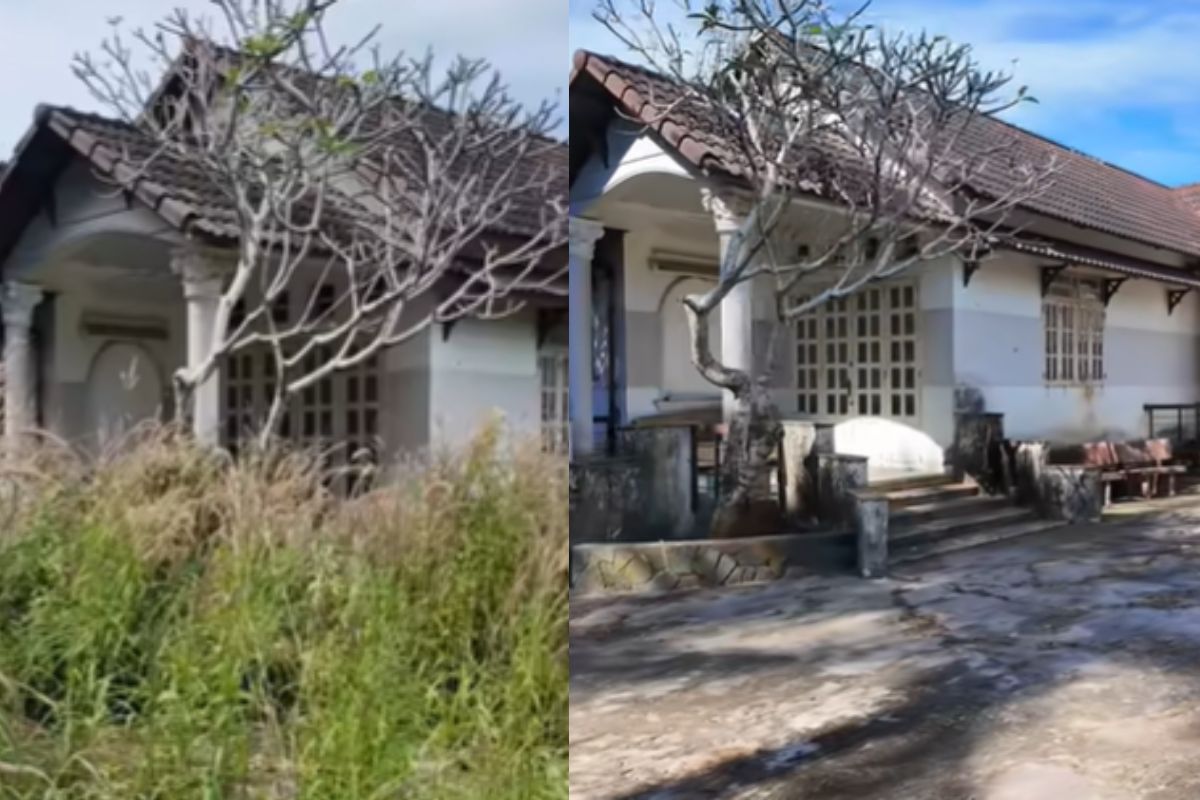
Abandoned house for 15 years disappears in the woods, shocks owner with unrecognizable scenery and is reborn in an intense transformation after almost 90 hours of work in just 10 days.
-
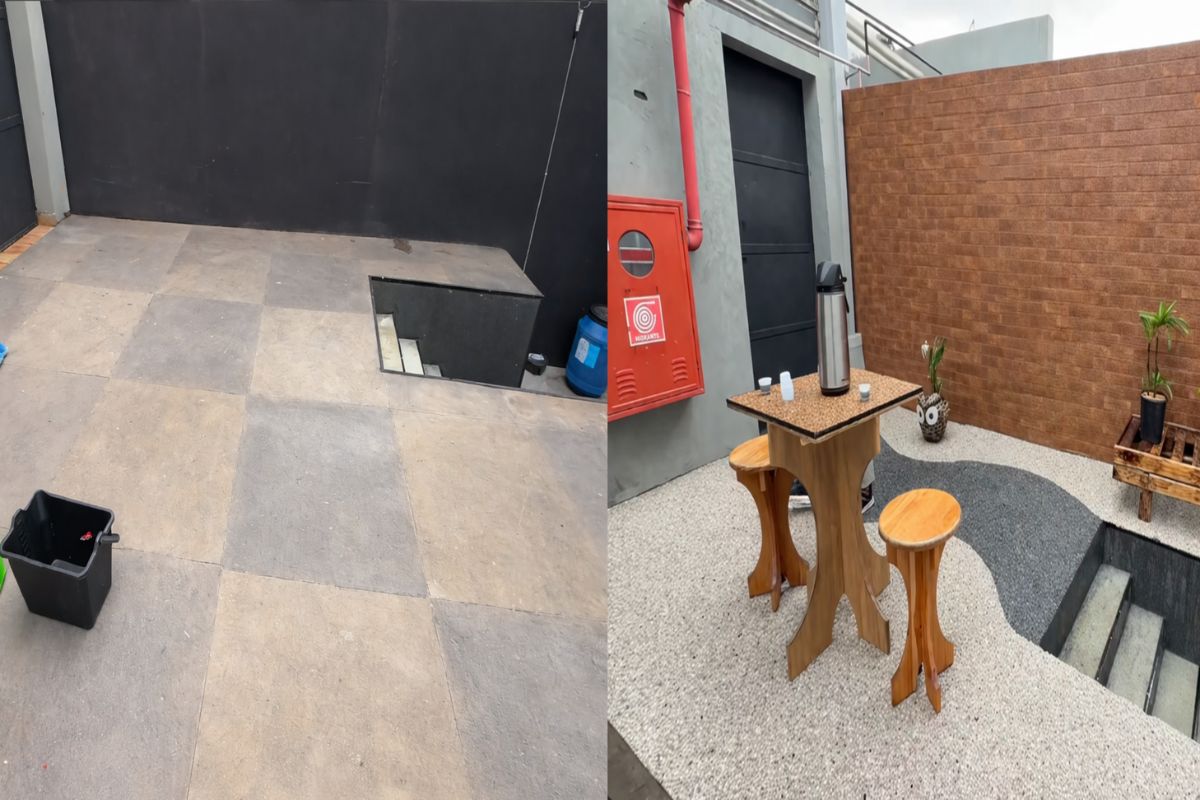
In just three hours, a natural stone floor transforms the entrance of the house with an organic effect, immediate drainage, and a sophisticated non-slip finish that doesn’t puddle water, dries quickly, and impresses with the final result.
-
Future profession with immediate earnings: Specialist reveals how a solar energy technician earns R$ 8,000 per month by taking advantage of the explosion in demand across the entire country.


See Below the Required Documents to Obtain the Digital Nomad Visa and Work from Home in Portugal:
- Proof of tax residency (the foreigner must prove income and tax residency registered abroad);
- Employment contract or promise of employment contract or employer declaration confirming the employment relationship;
- Document proving average monthly income over the last three months amounting to at least four minimum salaries in Portugal (the foreigner must prove an average monthly income of € 2,820 (the Portuguese minimum wage is € 705).
The legislation in Portugal also provides that freelance professionals can apply for the visa. In such cases, the following documents will be required:
- Partnership contract;
- Service provision contract;
- Written proposal for a service provision contract;
- Document demonstrating services rendered to one or more entities;
- Proof of average monthly income earned from subordinate or independent professional activity over the last three months amounting to at least four minimum guaranteed monthly salaries;
- Document certifying their tax residency.
Check the decree published in the Diário da República (the Official Gazette of Portugal), published on September 30, and see in detail the prerequisites to obtain the new authorization.
The processing time for the visa will be 60 days. Interested parties can apply at a Portuguese Consulate in their country of origin or at the immigration agency in Portugal, Immigration and Borders Service (SEF). The temporary stay visa will be valid for up to one year. The residence permit may be renewed for up to five years.
Portugal Creates New Work Visas for Foreigners from the CPLP (Community of Portuguese Language Countries)
In addition to the digital nomad visa, the Portuguese government has been implementing a series of other measures to attract immigrants. One of them, which came into effect nearly two months ago, is the work visa for foreigners from the CPLP (Community of Portuguese Language Countries), which includes, of course, Brazil.
With the new authorization, Brazilians and other Portuguese speakers can legally reside in Portugal to seek work for a period of up to 120 days, with the possibility of an extension for another 60 days.
Compare the Digital Nomad Visa Offered by Portugal with Other Programs for Remote Workers in Europe
The main advantage associated with the visa for work in Europe is related to the duration. While visas for tourists last up to three months, visas for remote workers can vary in duration up to two years, depending on the country.
Estonia, the first country in the world to implement a visa for digital nomads in 2020, is a good example, allowing a stay of 12 months.
Several European countries, such as Spain and Italy, are in the process of creating similar visa schemes for digital nomads with income requirements ranging from € 2,500 (R$ 12,769.25) to € 3,000 (R$ 15,323.10).
The digital nomad visa in Hungary, formally called the “white card”, has a lower monthly income limit of € 2,000 (R$ 10,215.40) and also allows visa-free travel through the Schengen Area.
Meanwhile, Malta’s remote work visa requires candidates to have a minimum monthly income of € 2,700 (R$ 13,790.79). However, participants are completely exempt from any local income tax, making it one of the most affordable digital nomad visas.
The “residence permit for self-employed workers” in the Netherlands is one of the most difficult European visas to obtain, as it is only open to freelancers whose work is deemed “of essential interest to the Dutch economy” and requires a gross income of at least € 2,634.30 (R$13,455.21) per month.










Seja o primeiro a reagir!