





 Portuguese
  English
  Spanish
  4 min of reading
  0 comments


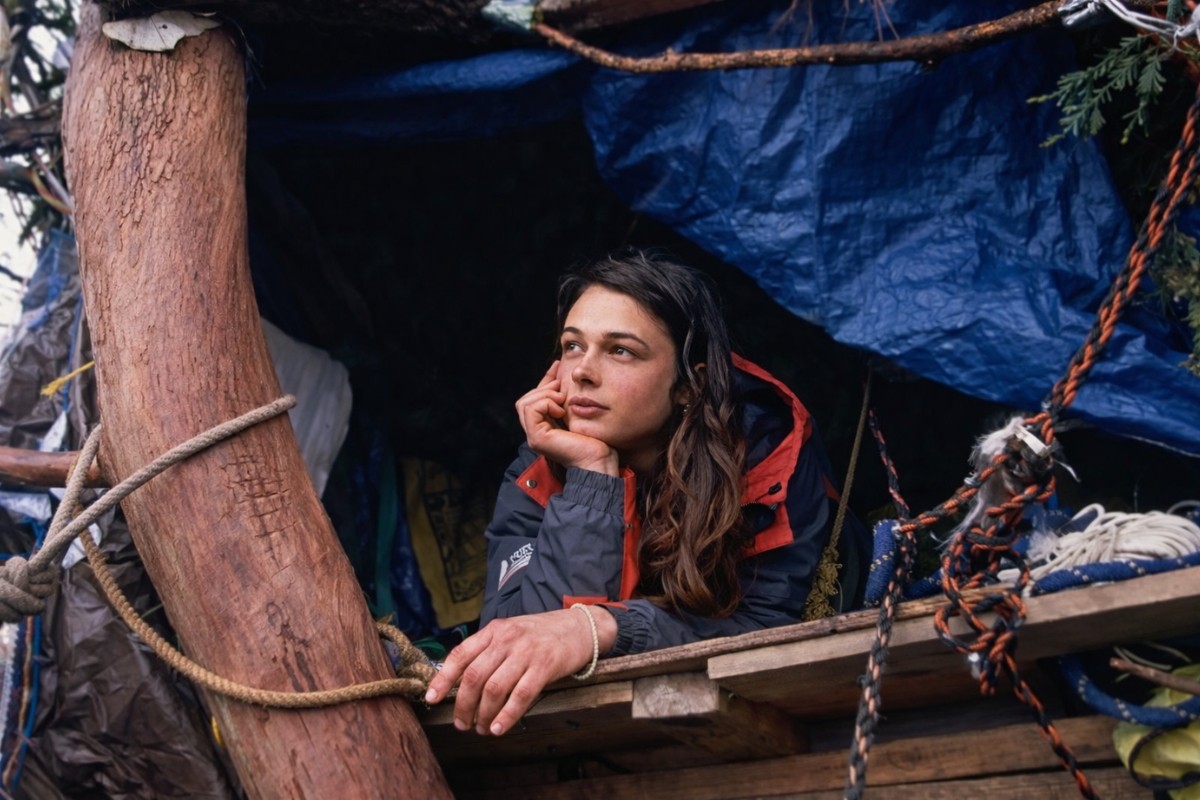
Julia Butterfly Hill Occupied Luna In Northern California For 738 Days To Prevent The Tree From Being Cut Down And Increase Pressure For Forest Protection.
In northern California, a young activist decided to face alone a dispute that was already mobilizing residents, businesses, and environmentalists. The target of the action was Luna, a coastal redwood about 1,000 years old, rising almost 60 meters tall in an area marked by logging.
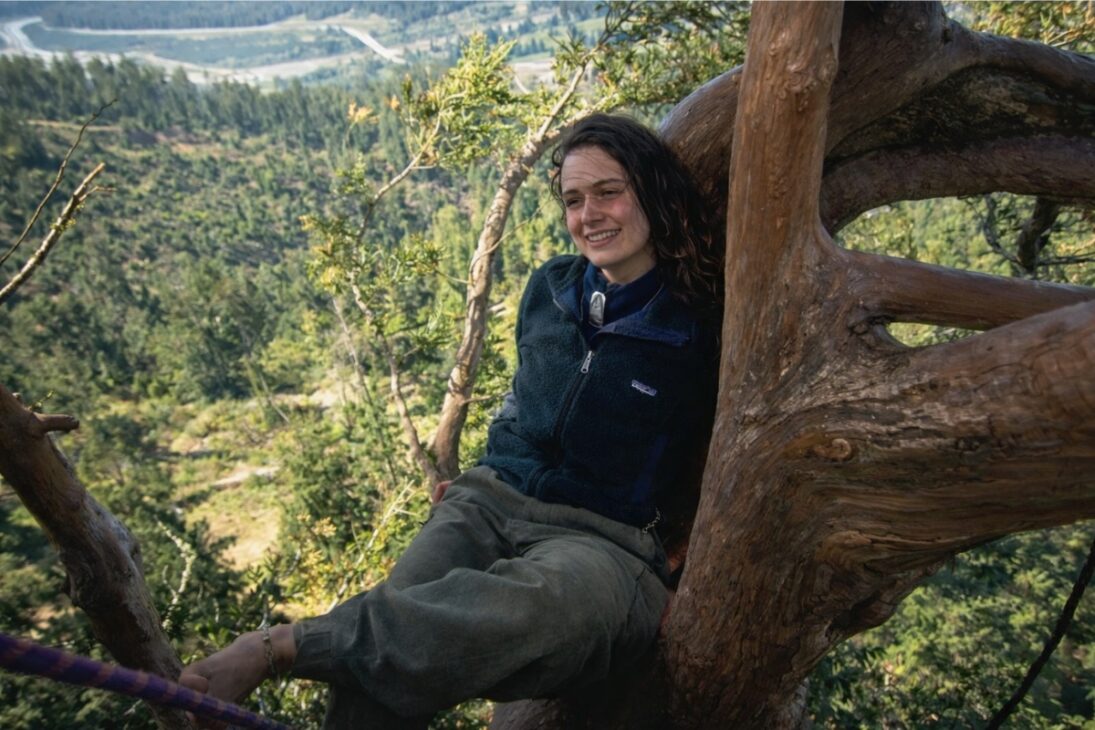
On December 10, 1997, Julia Butterfly Hill climbed to the top of the tree and only came down on December 18, 1999. It was 738 days of staying on a narrow platform amid rain, strong winds, cold, and isolation, in one of the most well-known environmental actions in the United States.
What Led Julia Butterfly Hill To Climb Luna In 1997
The occupation began as a direct attempt to prevent the cutting down of a specific tree but soon gained greater significance. Julia began to use her stay at the top as a way to draw attention to the loss of ancient forests and the advance of logging in ecologically sensitive areas of Humboldt County.
-
Excavations for a highway uncovered an intact Celtic city with gold, jewelry, and ancient production structures.
-
Every pineapple you eat is actually up to 200 different fruits fused into one: discover the fascinating process in which each flower opens for just one day and produces the pieces that form the whole fruit over the course of 3 weeks.
-
Giant from Germany will land in China with a record investment in a 4 km² complex, with up to 32 production lines and 70 products, targeting a market that could reach 70% of the world by 2030.

-
Brazilian regions will suffer from the heat: the first heatwave of 2026 raises temperatures to up to 38°C for 5 consecutive days, driven by a heat bubble between Paraguay and Argentina that blocks cold fronts and intensifies dry air.


The context helps explain the repercussions. The National Park Service reports that 96 percent of the original ancient coastal redwoods have already been cut down, while the national and state parks in the region protect 45 percent of what remains. This turned Luna into a symbol much larger than a local dispute.
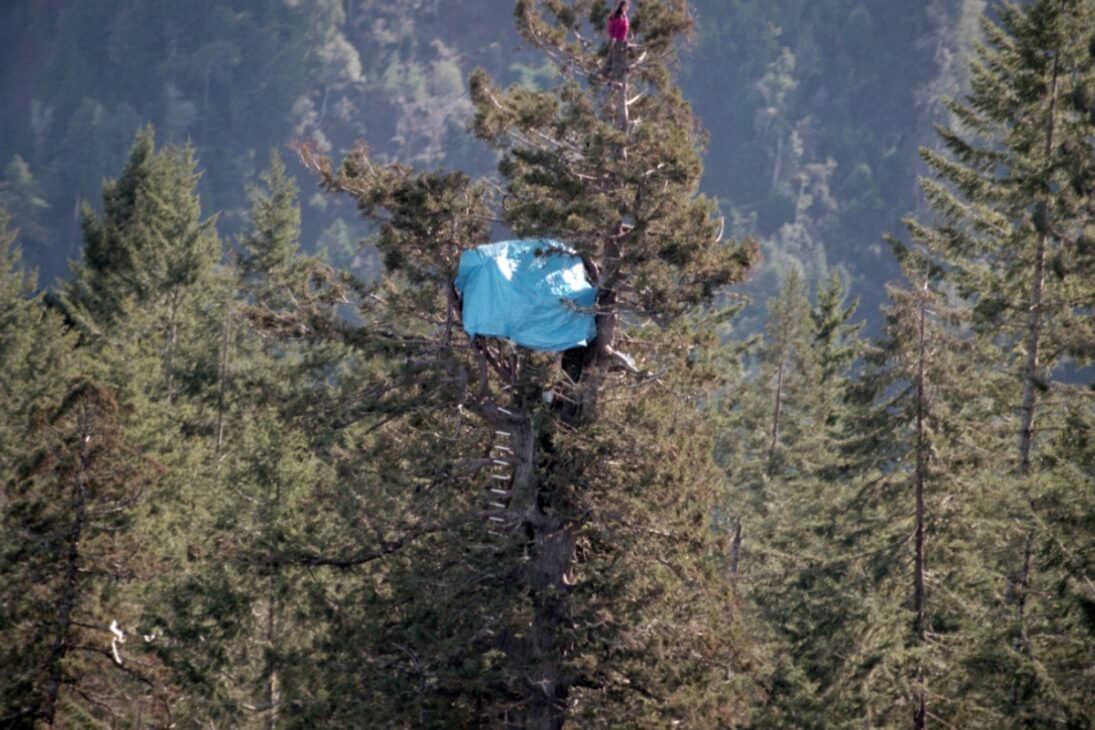
How The Routine Was At Almost 60 Meters High
The structure used by Julia was simple and extreme at the same time. She lived on a platform of 6 by 8 feet, made from reclaimed wood and covered with tarps, a space where she slept, sheltered from the rain, and spent long periods without being able to walk normally.
To drink, cook, and clean herself, she collected rainwater. She prepared food on a small stove, received supplies on ropes pulled from the ground, and used solar panels to power communication batteries. The routine also included interviews, letters, and constant contact with supporters.
The physical pressure was constant. In addition to the small space, Julia faced storms, damp nights, and the need to remain secured to the structure atop the tree. The exposure to this environment for more than two years was one of the reasons that transformed the case into an international reference.
The 1999 Agreement Saved Luna And Secured Surrounding Protection
After more than two years of resistance, the campaign reached an agreement at the end of 1999. According to Britannica, an Encyclopedia of Reference on History and Biographies, the negotiation ensured protection for the immediate surroundings of Luna and included a donation of US$ 50,000 for forestry research at Humboldt State University.
In Julia’s own account, the agreement preserved the tree and an area of about three acres around it. In practice, this meant transforming an individual protest action into a concrete conservation victory, although limited given the scale of logging in the region.
The Story Continued Even After The Descent
The repercussions did not end when Julia left the tree. In 2000, her experience became the subject of the documentary Butterfly, aired by PBS, which further expanded the public reach of the story and brought the case beyond the regional debate in California.
During the same period, Julia published The Legacy of Luna and continued to work on environmental causes. Her subsequent trajectory solidified her image as one of the most recognized voices in ecological activism in the United States during the late 1990s and early 2000s.
The 2000 Attack Showed That The Conflict Was Far From Over
The tension surrounding Luna remained high even after the agreement. In November 2000, someone attacked the tree with a chainsaw and made a deep cut in the trunk, an event that reignited the dispute over the preservation of ancient forests in northern California.
Experts and supporters needed to intervene to try to keep the tree standing. The work included cables, reinforcements, and containment measures to reduce the risk of collapse during the winter when very strong gusts hit the region.
The attack ultimately reinforced the symbolic value of Luna. The tree came to represent not only a historical occupation but also summarized a broader clash between short-term economic exploitation and the preservation of ecosystems that take centuries to form.
The story of Julia Butterfly Hill continues to draw attention because it combined time, risk, and real result. It was 738 days at the top of a tree to prevent a logging that seemed inevitable, in a region where much of the ancient forest had already disappeared.
More than an isolated gesture, the case showed how persistent action can change the fate of a specific place and alter the public perception of conservation. In the end, Luna remained standing, and the story gained significance that transcended California and helped reposition the environmental debate.







-

-

-

-

-

-

44 pessoas reagiram a isso.