





 Portuguese
  English
  Spanish
  4 min of reading
  0 comments


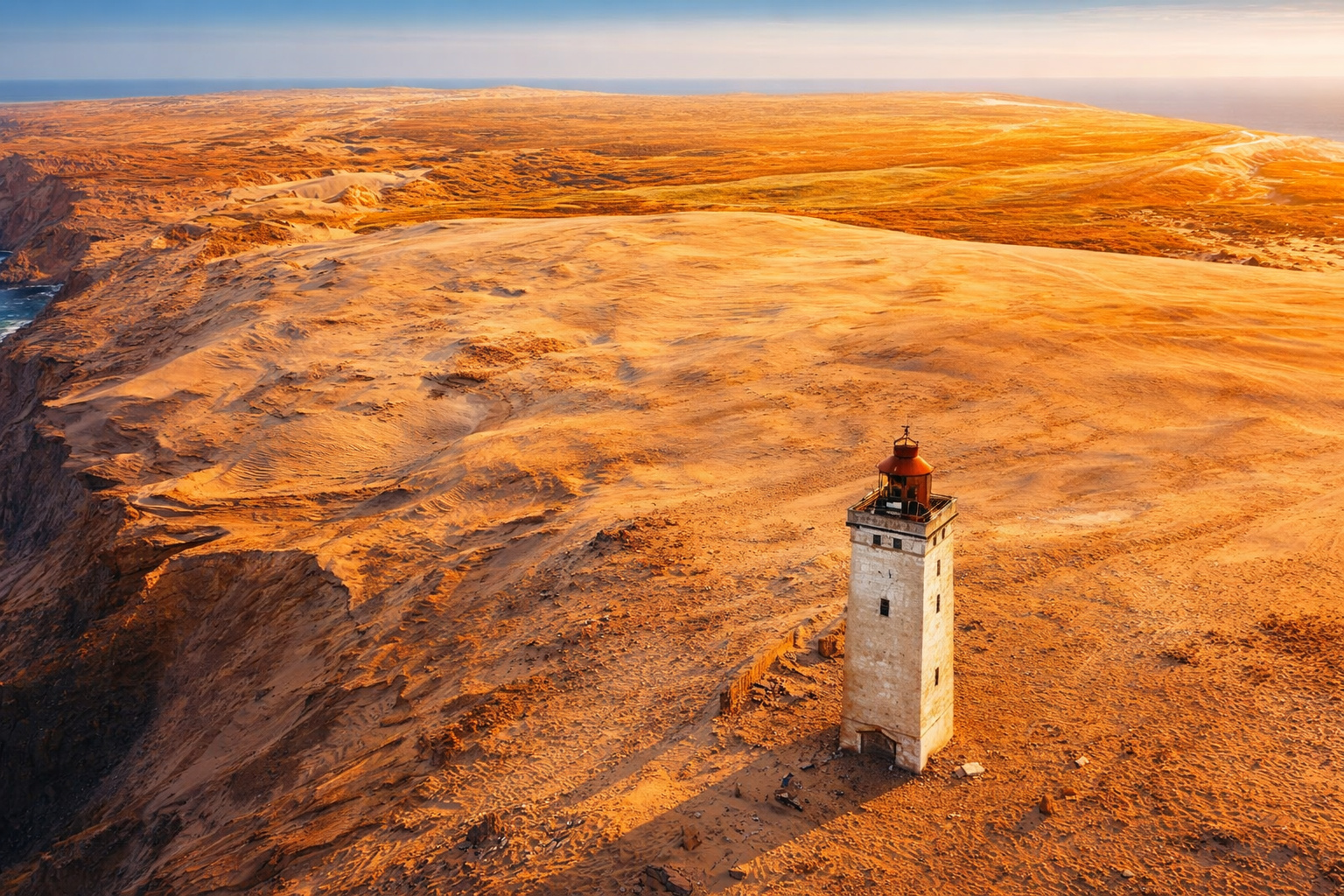
A century-old structure faced sand encroachment and coastal erosion, operation saved the Rubjerg Knude Lighthouse and guaranteed visitation for decades
The Rubjerg Knude Lighthouse, on the North Sea coast in Denmark, has become one of the most impressive examples of how nature can threaten historic buildings. Erected at the end of the 19th century, it almost disappeared under the sand and was at real risk of falling into the sea.

Today, the site remains open to visitors and continues to attract around 250,000 people per year, even after facing decades of dune encroachment and intense erosion. The case gained prominence for showcasing a rare solution to preserve threatened heritage.
The information is reinforced by Danish tourism websites, official platforms that promote destinations and attractions in the country, which maintain the lighthouse as a safe point for visitors after its relocation.
-
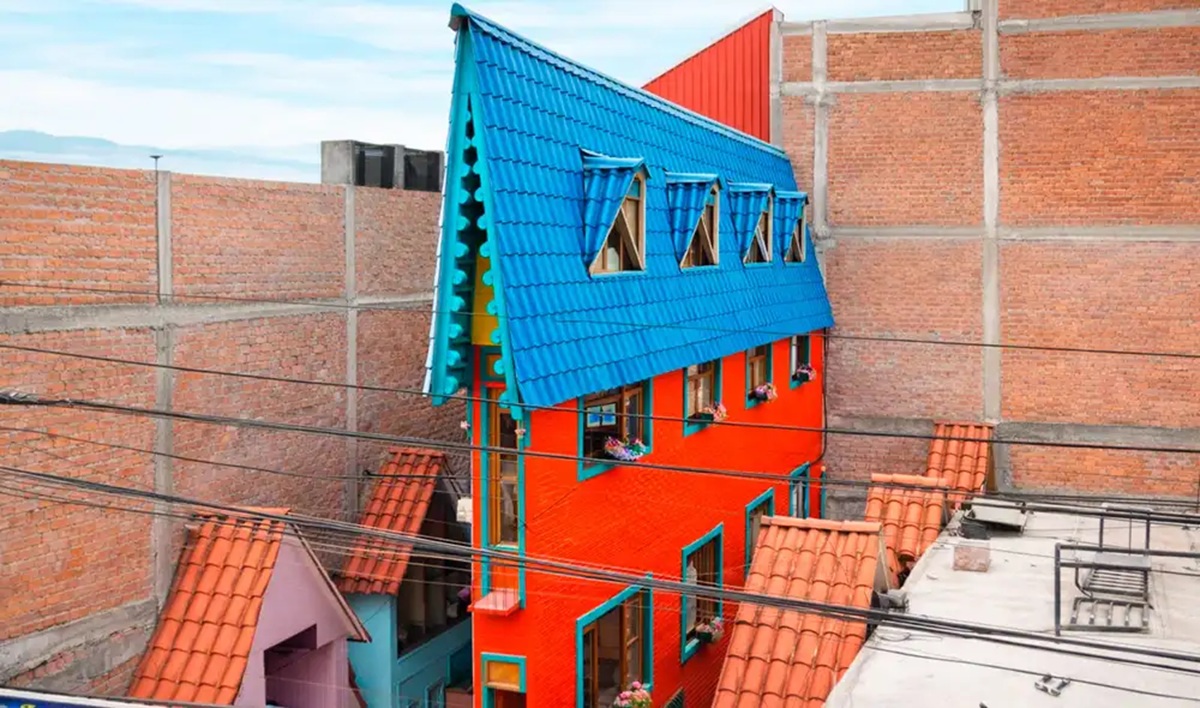
The narrowest house in the world is only 63 centimeters wide, but inside it can accommodate a bathroom, kitchen, bedroom, office, and even two staircases.
-
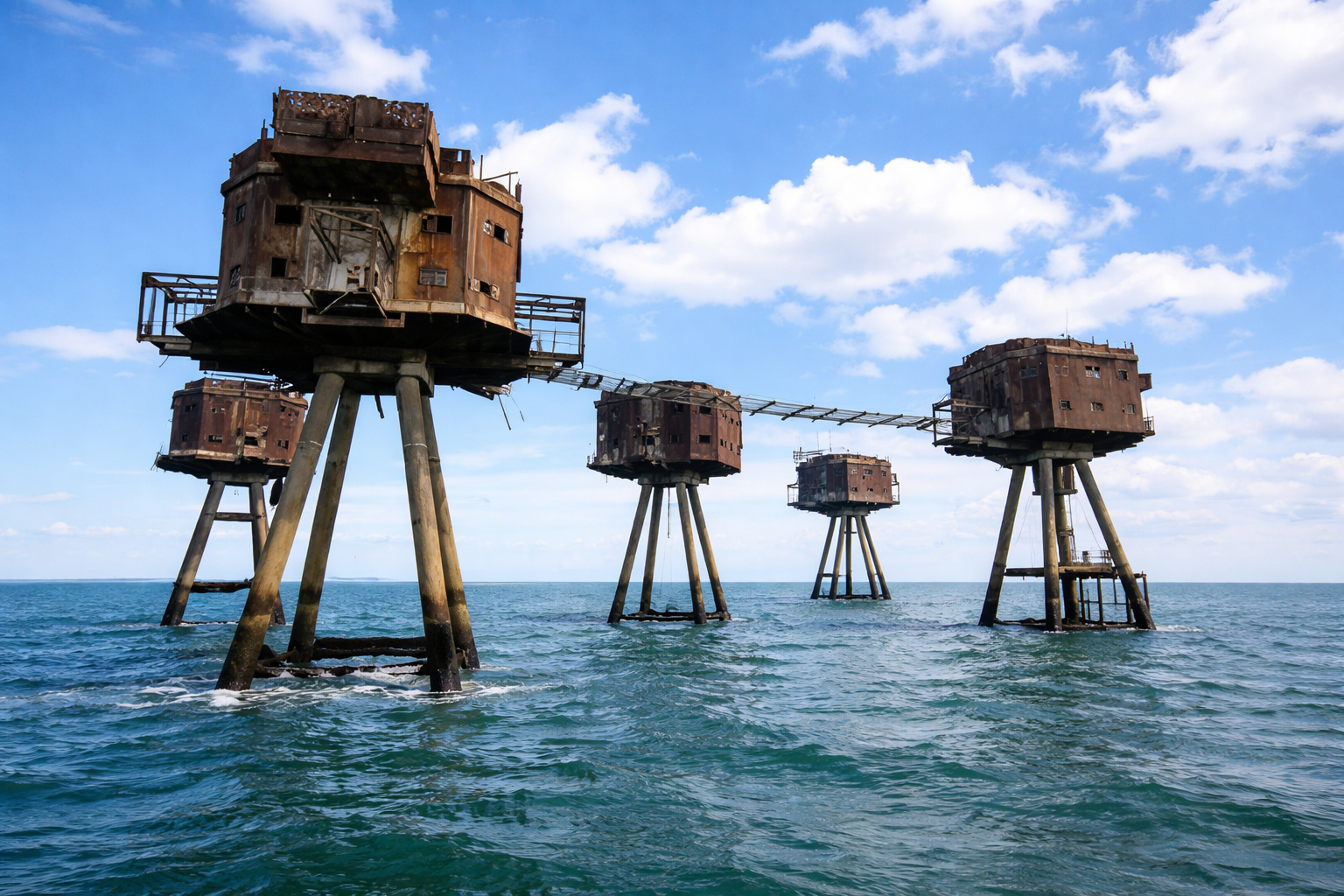
In the middle of the sea, these enormous concrete and steel structures, built by the British Navy to protect strategic maritime routes, look like they came straight out of a Star Wars movie.
-
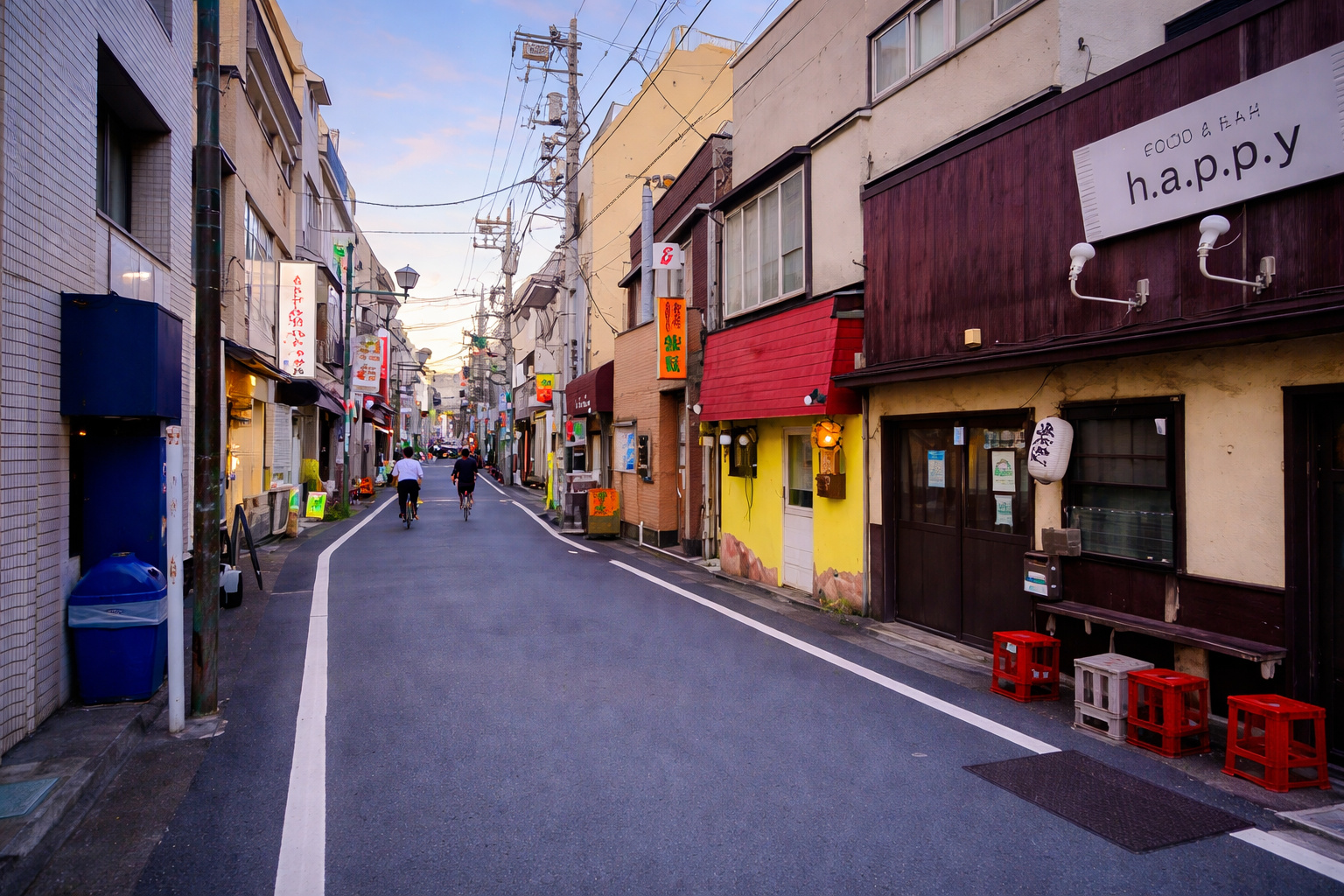
For years, no one could cross a neighborhood in Tokyo because of the tracks, but an impressive solution changed mobility and completely transformed the local routine.
-
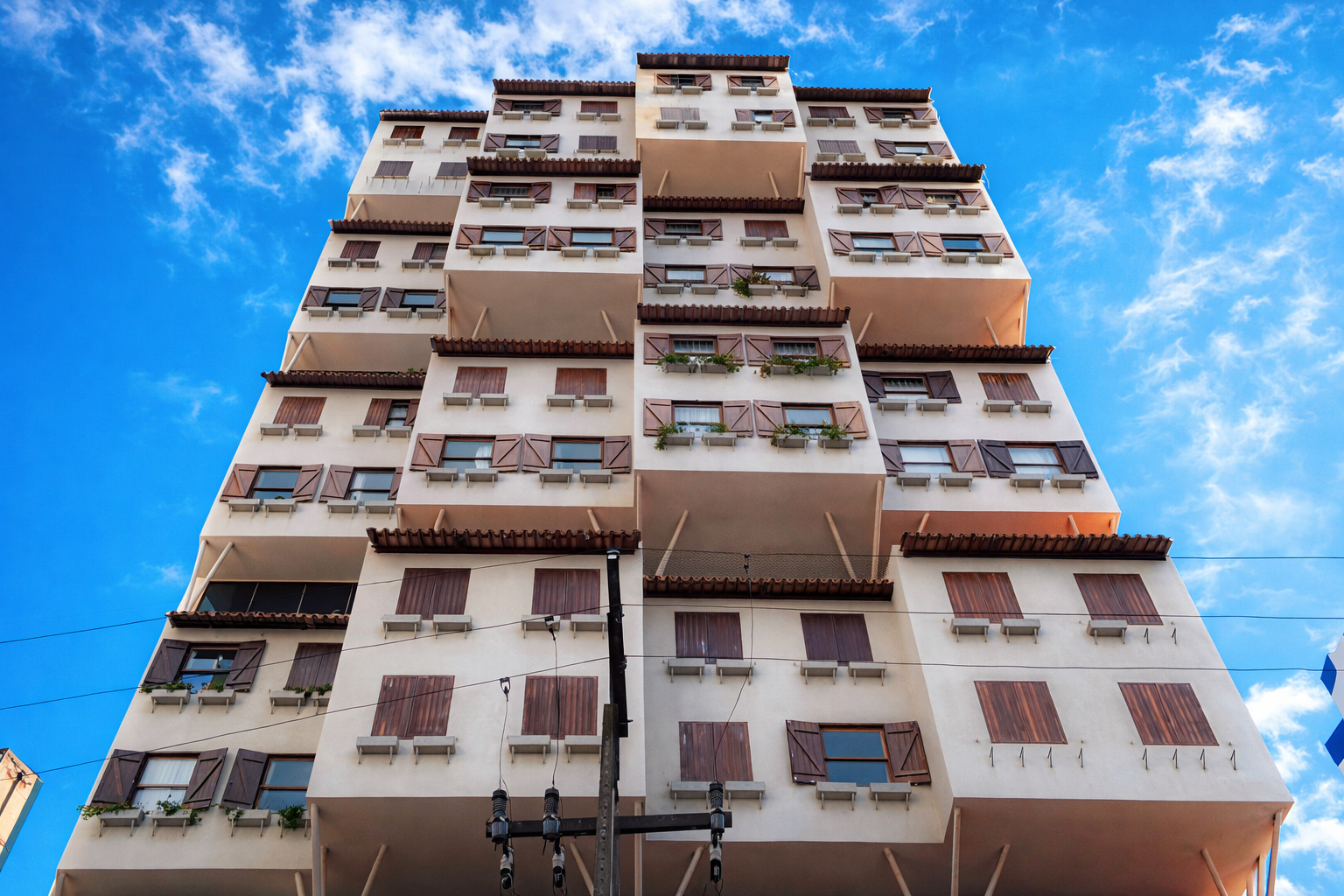
With 15 floors, an unusual building in Curitiba uses concrete, pilasters, and exposed roofs to create the effect of stacked houses.

Construction began far from the sea, but the scenario changed over time
When it was built in 1899 and lit for the first time on December 27, 1900, the lighthouse was about 200 meters from the sea, on a cliff that was 60 meters high.
At the time, its operation relied on gas produced on-site. This technology was used until 1908, before operational changes.
Over the years, the surrounding environment began to change drastically. Strong winds started to shift large volumes of sand from the cliffs, creating mobile dunes that slowly advanced.
Dunes swallowed the lighthouse and erased its original function
From the 1910s, the encroachment of sand began to compromise the visibility of the lighthouse. The dunes moved northeast and eventually covered part of the structure.
As a result, the light ceased to fulfill its primary function of guiding vessels at sea. The situation made operation unfeasible.
The definitive shutdown occurred on August 1, 1968, marking the end of the original activity of the Rubjerg Knude Lighthouse.
Coastal erosion put the structure on the brink of collapse
In addition to the sand, another problem exacerbated the situation. Coastal erosion began to consume the cliff where the lighthouse was installed, advancing on average 1.5 meters per year.
A nearby example reinforces the severity of the phenomenon. The Church of Mårup, built in 1250, had to be dismantled in 2008 to prevent it from falling into the sea.
By 2018, the lighthouse was only 8 meters from the edge, indicating an imminent risk of collapse in the following years.
Unique solution saved the Rubjerg Knude Lighthouse
Faced with the threat, an unusual decision was made. In August 2019, the operation to move the entire structure began.
The tower, standing 23 meters tall and weighing about 720 tons, was placed on special tracks and moved 70 meters inland.
The cost of the operation was 5 million Danish crowns, funded by the municipality of Hjørring and the government.
The relocation was completed on October 22, 2019, ensuring a new expectation of preservation for another 40 to 60 years.
The site remains open and has become a symbol against erosion
After the relocation, the lighthouse continued to be one of the most visited tourist spots in the region. The interior received upgrades, including new stairs and internal lighting with a kaleidoscopic effect.
Danish tourism websites, official platforms promoting destinations and attractions in the country, continue to promote the site as safe and accessible, even after decades of natural changes.
Until March 2026, there are no records of new interventions or immediate risks to the structure.
What makes this lighthouse so special
The case of the Rubjerg Knude Lighthouse stands out for showing how natural factors can completely transform a landscape over time.
At the same time, the solution found reveals how engineering and planning can extend the life of historic buildings, even in extreme environments.
Today, the lighthouse remains one of the main symbols of the fight against erosion on the Jutland coast.
The relocation of the structure not only prevented its loss but also ensured that it continues to be visited by thousands of people every year.
Did you enjoy this impressive story? Share it with others and leave your comment on what you think about this solution to save the lighthouse.





Seja o primeiro a reagir!