





 Portuguese
  English
  Spanish
  2 min of reading
  0 comments


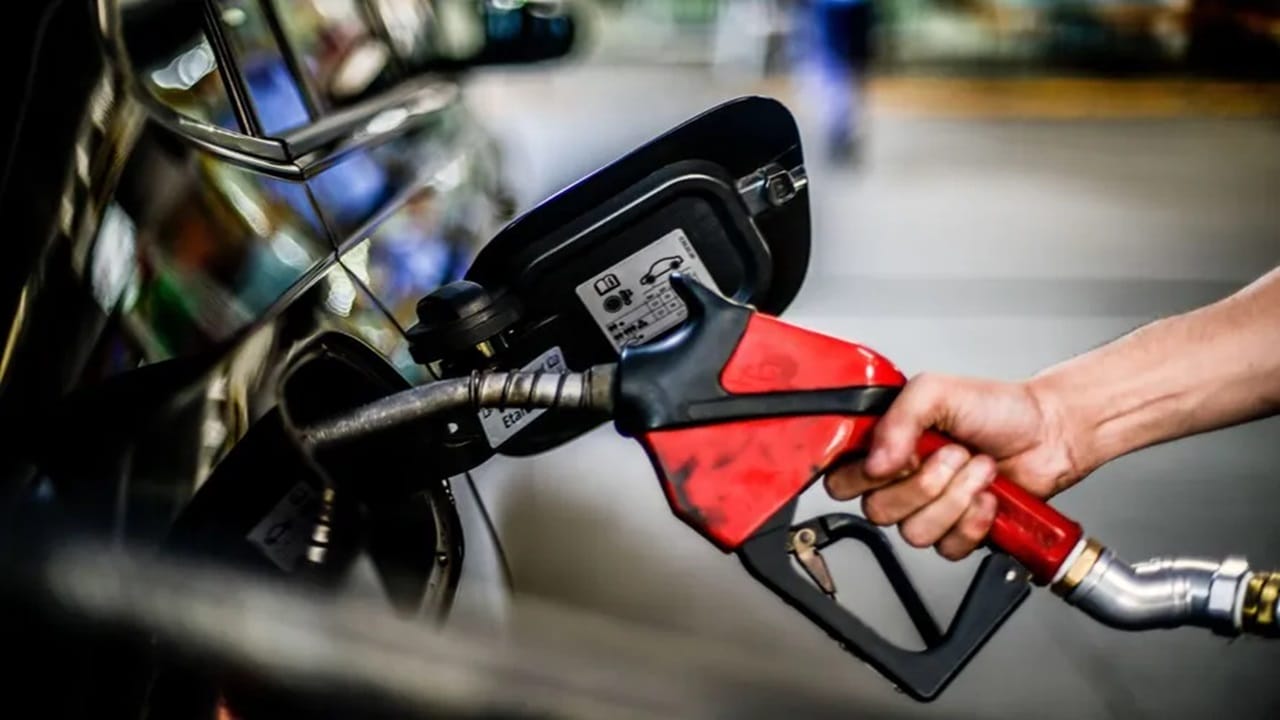
ICMS Rising: National Council of Fiscal Policy Announces Significant Increase in Fuel Tax
According to the website AutoEsporte, starting on February 1st, Brazilian drivers will feel a considerable impact on their daily spending on fuel, as the Tax on Circulation of Goods and Services (ICMS) on gasoline will see a significant increase from R$ 1.22 to R$ 1.37. The National Council of Fiscal Policy (Confaz) was responsible for this decision, resulting in a 12.5% increase in the tax amount. How will this affect consumers’ pockets?
ICMS Increase: Current Scenario and Changes in Rates Since 2022
The implementation of a fixed value for the ICMS, initiated in June 2022, aimed to contain the economic impacts of the pandemic and the crisis stemming from the conflict between Russia and Ukraine. However, the measure was reviewed after a year due to complaints from states and the Federal District about billion-dollar losses. The Federal Supreme Court (STF) negotiated an agreement to raise the fuel tax, establishing the cap at R$ 1.22 starting in June 2023, which impacts the gasoline price. Now, the increase in February 2024 raises questions about the stability of the ICMS.
Composition of Gasoline Prices: Understanding the Costs That Impact the Consumer
The increase in the ICMS represents only a part of the burdens that consumers face when fueling their vehicles. In addition to state taxes, the Social Integration Program (PIS) and the Contribution for the Financing of Social Security (Cofins) are federal taxes totaling R$ 0.69 per liter of gasoline. The share allocated to Petrobras and the distribution and resale costs also play significant roles in the formation of the final price. How does this composition directly affect the amount we pay at fuel stations?
-
Brazilian city bets on the business environment to generate jobs and attract investments in the energy sector — secretary reveals strategy at Macaé Energy 2026.

-
50 viaducts, 4 tunnels, 28 bridges, and 40 kilometers of bike paths: BR-262 in Espírito Santo will receive 8.6 billion reais for the largest engineering project in the state’s history, inspired by the Immigrant Highway in São Paulo.

-
Brazil produces too much clean energy and doesn’t know what to do with it: over 20% of solar and wind capacity was wasted in 2025 while investors flee and 509 renewable generation projects were abandoned in the last year.

-
Piauí will produce a new fuel that replaces diesel without needing to change anything in the truck’s engine and reduces pollutant gas emissions by half: truck drivers from all over the Northeast are already celebrating the news that will arrive later this decade.


In recent months, the average price of gasoline in Brazil has been R$ 5.56, according to the National Agency of Petroleum, Natural Gas and Biofuels (ANP). Considering the increase of R$ 0.15 in the ICMS, this national average could rise to R$ 5.71. How can consumers prepare for these new fuel costs and what are the repercussions on the country’s economic scenario?
Learn More
The Confaz decision raises questions about the taxation policy of fuels in Brazil, highlighting the complexity of the relationship between state and federal governments and the population. In this context, understanding the composition of the price of gasoline becomes crucial for consumers to be aware of the factors contributing to the constant increases at gas stations.







Seja o primeiro a reagir!