





 Portuguese
  English
  Spanish
  3 min of reading


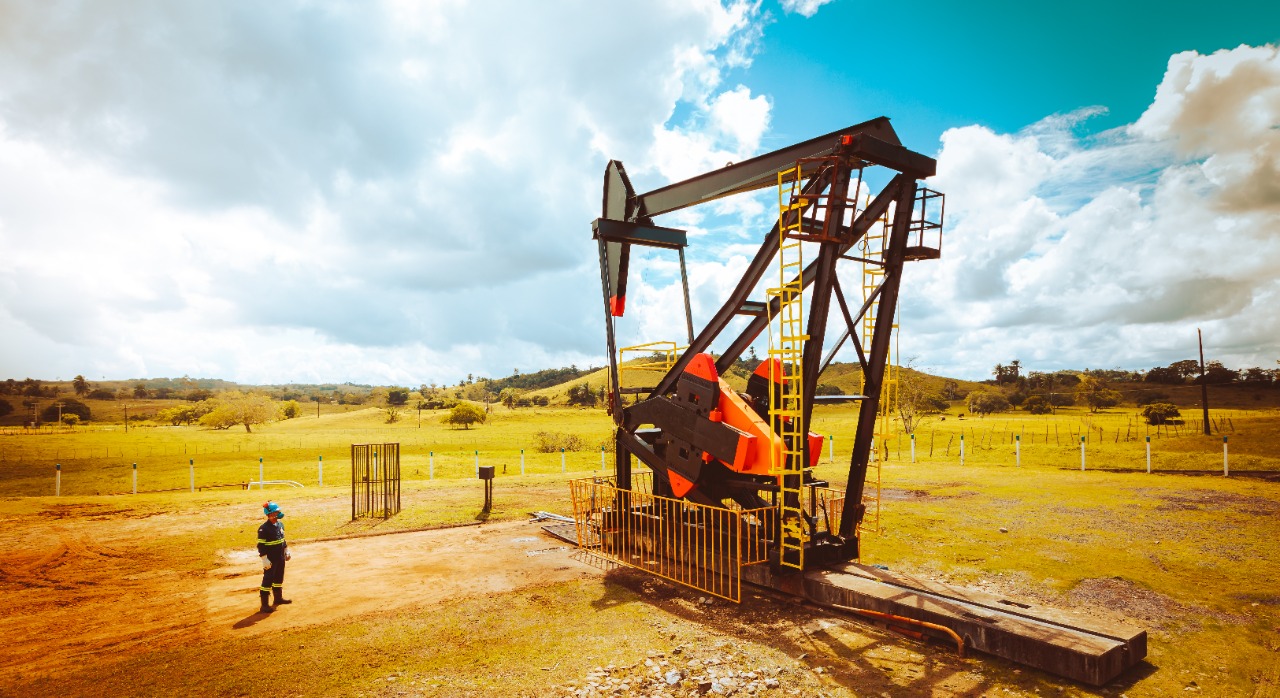
The Onshore Oil And Gas Producer Petrorecôncavo Reported An Average Production Of Slightly More Than 20 Thousand Barrels Of Oil Per Day Just In The First Half Of 2022
Petrorecôncavo, an independent onshore oil and gas producer, announced on Thursday, the 11th, the financial and operational results pertaining to the second quarter of 2022. The company reported a net revenue of R$ 691 million, which represents a 177% increase compared to the same period in 2021.
In the first half of this year, the increase in profit for the oil and gas producer was 182% compared to the same period last year, equating to an accumulated value of R$ 1.4 billion. The average oil and gas production of Petrorecôncavo for the quarter was 20,528 barrels of oil equivalent per day, an increase of approximately 6% compared to the first quarter of the year.
In an annual accumulated comparison, the profit increase for Petrorecôncavo in oil and gas was 69% compared to the first half of last year. The highlight in oil and gas production was the Miranga Pole, which had an average production of 5,415 barrels of oil equivalent in the second quarter, an increase of about 25.2% compared to the first quarter of the year and an increment of 80% since the company took over the operation.
-
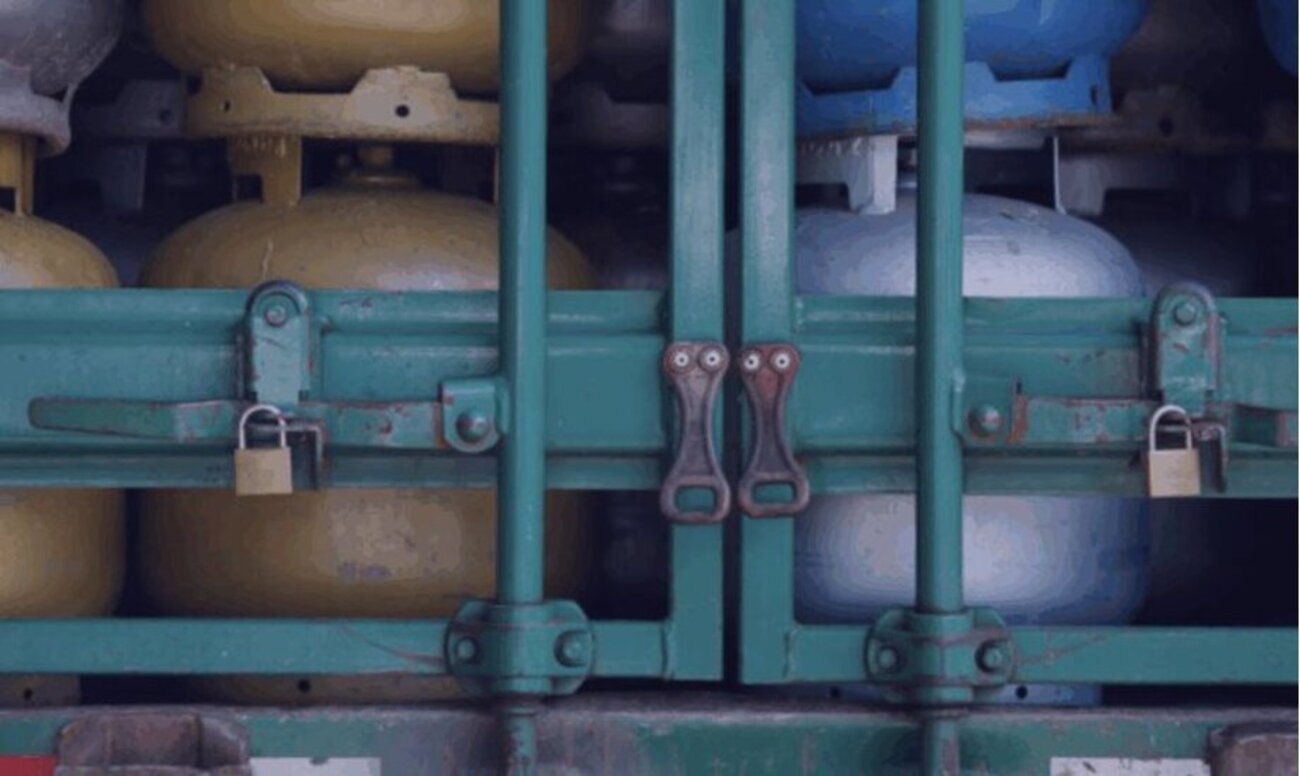
Petrobras evaluates suspension of sales to distributors and considers canceling the cooking gas auction following guidelines from the Federal Government.
-
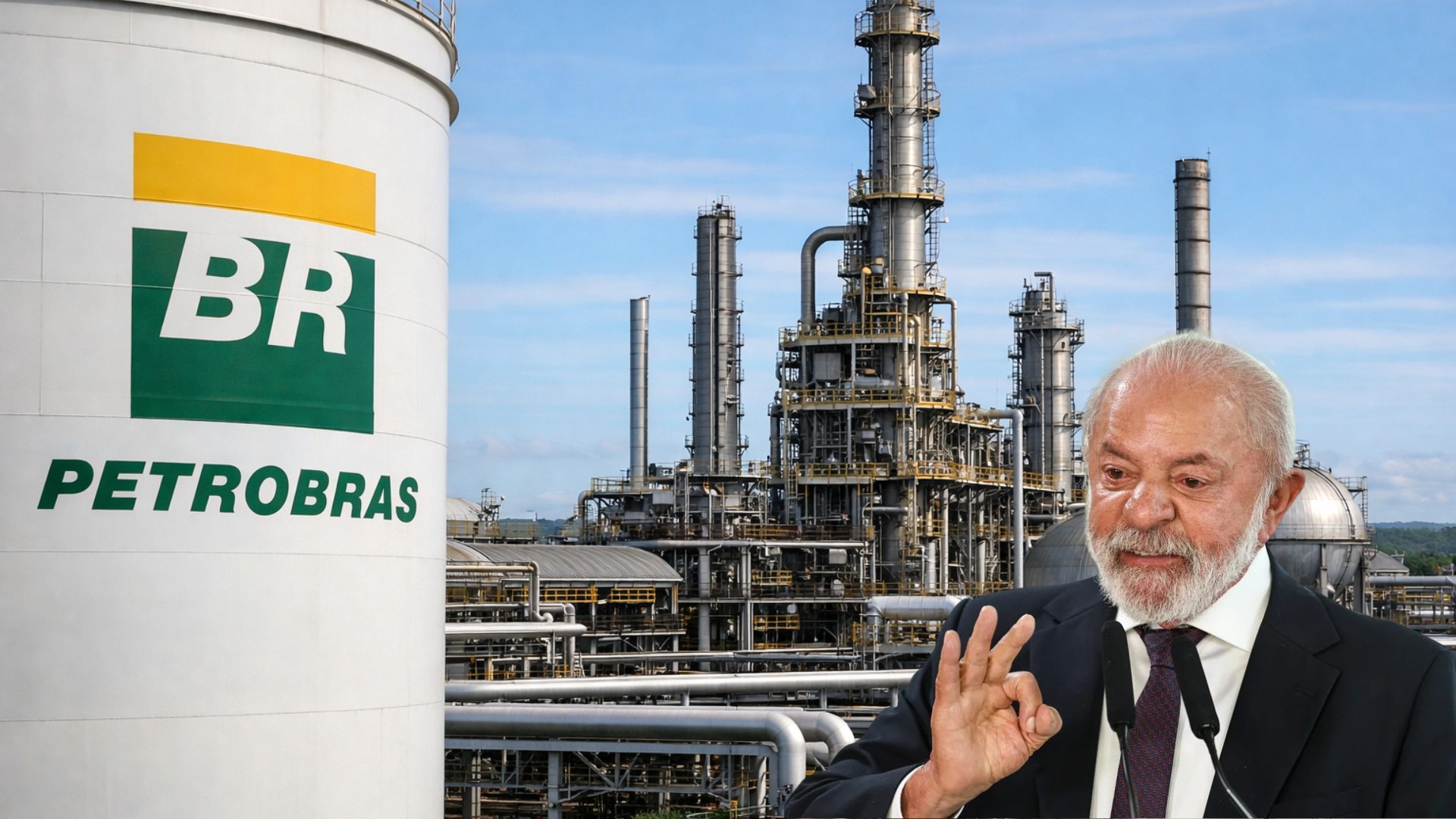
Lula reveals a masterstroke by Petrobras to undo a deal made by Bolsonaro, which involves the return of an important refinery that currently produces less than half of what was expected and makes Brazil dependent on international diesel.
-
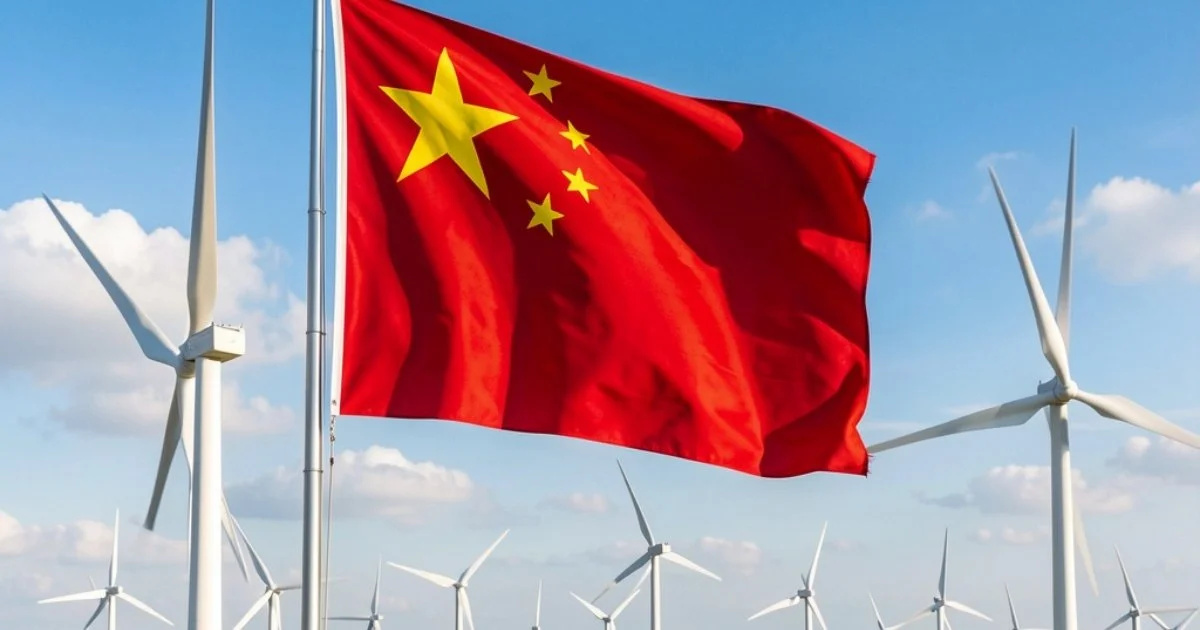
A study confirms that the natural gas sector will reduce greenhouse gas emissions in Brazil by 0.5% and accelerate the energy transition by 2026.

-
Petrobras implements a severe adjustment and confirms a 55% increase in the price of aviation kerosene with a proposal for installment payments for the companies.

The EBITDA for the quarter was R$ 380 million, an increase of 189% compared to the second quarter of 2021, with an EBITDA margin of 55%. The accumulated revenue for the semester reached R$ 795 million, a rise of 202% in the annual comparison.
Natural Gas Will Represent About 40% Of Petrorecôncavo’s Production
According to the finance director, Rafael Procaci da Cunha, natural gas will account for about 40% of Petrorecôncavo’s production in barrels of oil equivalent. The director states, “Organic growth is in line with our expansion strategy and the new oil and gas market. In total, we have contracts for the supply of natural gas with four major distributors in the Northeast, and in the quarter, we signed our first interruptible contract with Bahiagás, which, within Petrorecôncavo’s strategy, adds flexibility and conditions to maximize realization prices.”
The second quarter also marked a milestone for Petrorecôncavo with its first follow-on, completed in June of this year, raising over R$ 1 billion. The funds will be allocated to financing potential asset acquisitions that may aid in the growth of Petrorecôncavo.
Additionally, the company obtained validation for five concession extension requests from ANP, four of which involve a reduction in royalties on incremental oil and gas production, with deadlines ranging from 2034 to 2052, which will allow for the development of reserves in these fields, increasing their ultimate recovery factor.
About Petrorecôncavo
Petrorecôncavo is one of the leading independent producers focusing on mature land fields in Brazil. With an excellent reputation among its clients, regulatory agencies, suppliers, and collaborators, the company has an experienced team made up of specialized professionals and founding shareholders with extensive experience in the oil and gas sector.
Petrorecôncavo’s portfolio includes oil and natural gas concessions, in which it acts as a concessionaire and/or operator. In fields that are in phases of decline, the company implements a systematic revitalization process for production.
The company’s expertise is associated with high cost performance and operational efficiency, implementation of secondary recovery mechanisms through water injection, vertical integration of services, and various activities.







Seja o primeiro a reagir!