Portuguese
  Spanish


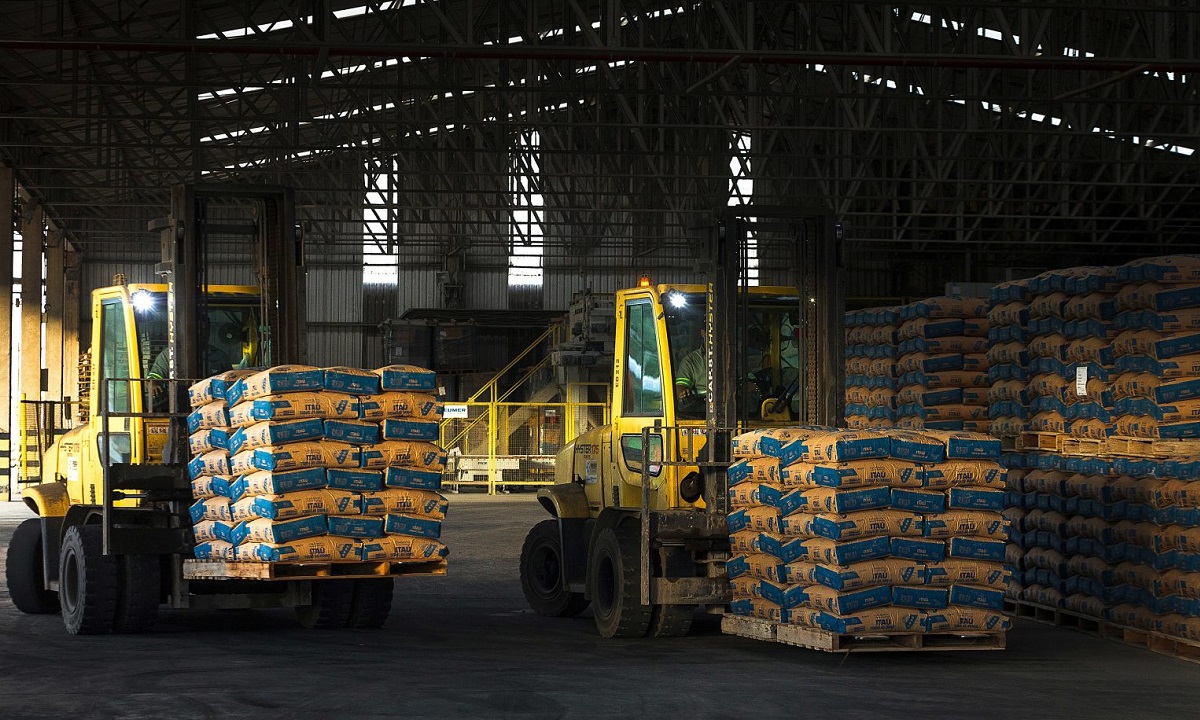

Votorantim Cimentos Factory in Rio Grande do Sul Reduces the Use of Petroleum-Derived Fuel, the So-Called Fossil Fuel
More than a thousand tons of petroleum-derived fuel have not been used by Votorantim Cimentos after the company implemented improvements at the Pinheiro Machado factory in Rio Grande do Sul over the past year.
This is a result of the innovation created by Votorantim and implemented at the southern factory, which consists of developing a new additive for cement that was previously made from petroleum, along with investing in new dosing systems, resulting in a 5% reduction in the use of clinker in the cement formulation.
After an investment of R$ 1.4 million made by Votorantim, the factory has stopped emitting more than 10,000 tons of CO2 into the environment while maintaining all technical and quality specifications of the cement, which is now free of petroleum derivatives. Currently, the petroleum-derived fuel-free cement is produced at a Votorantim factory in Pinheiro Machado, RS, and is distributed within a radius of 300 kilometers around the factory.
-
28-meter, 156-ton titans traveled 20,000 km from China to the port of Santa Catarina: Portonave received 7 fully electric megacranes, part of a R$ 210 million package, to double container handling.

-
They exchanged the idea of a large house for a 35 m² warehouse, spent US$ 12,000 on the structure, and created a tiny house in Colorado with space to live and work.

-
A newly opened terminal in the middle of the Amazon has begun transporting soy and corn through Amapá, eyeing the queue of ships that is congesting the ports in the South.

-
Goodbye to old tiles: renovation technique without construction transforms bathrooms in a few hours, eliminates debris, and reduces costs with coverings using special paints, high-resistance adhesives, and modern finishes that completely renew the space.



Project to Phase Out Petroleum Derivatives in Cement Manufactured by Votorantim Started in 2020
The first phase of the project to phase out petroleum derivatives started in 2020, with the beginning of the development of an additive that allowed for a reduction in the use of clinker in the cement produced at the southern factory. The second phase began in May 2021, after the installation of a new dry ash dosing system. The third phase took place in December of the same year, with the introduction of a definitive dosing system for petroleum-derived additives in the plant’s mills. The new components provided greater accuracy in the dosing of dry ash and additives in Votorantim’s cement formulation.
“We began studies on the new additive for Votorantim’s cements in August 2020, and the tests were successfully completed in five months, at the beginning of 2021. We sent numerous samples of our cement to the international laboratory and had intense exchanges of information to find the most sustainable solution. It was a very important investment that, combined with the new equipment we installed at the factory, allowed our industry to reduce the consumption of petroleum-derived fuel while maintaining the quality of the cement manufactured by Votorantim”, says Paulo Farinha, manager of the Pinheiro Machado factory.
With Initiatives Implemented by Votorantim, the Use of Clinker in Cement Reduced by About 50%
Through the three initiatives implemented by Votorantim, the percentage of clinker used in cement production dropped from 57.5% to 52.5%. This new rate is already within the standards for CO2 emission reduction by the cement industry for 2050 in Brazil, when it is expected that the carbon emission index will be neutral.
Moving the project forward, Votorantim Cimentos also started using the new additive at its factory in Esteio, also in RS.
“Due to being a nearby region, the components used in the cement formula in Esteio are similar to those in Pinheiro Machado. Therefore, the additive reacts the same way there and delivers the same results”, informs Farinha.
The Votorantim factory, which has been in operation since 1972, develops Votoran cement for All Works and has an installed production capacity of 450,000 tons of cement annually.
About Fossil Fuel
The clinker used in the composition of Votorantim’s cement is responsible for the binding properties of the product. When reacting with water, it has the ability to harden and gain strength. However, its production requires a high demand for thermal energy in the cement kiln, which releases CO2 into the environment. Therefore, it is essential for the cement industry to seek solutions to optimize the use of this component over the decades.