





 English
  Francês
  Alemão
  Italiano
  Japonês
  Norueguês
  Portuguese
  Spanish
  4 min of reading


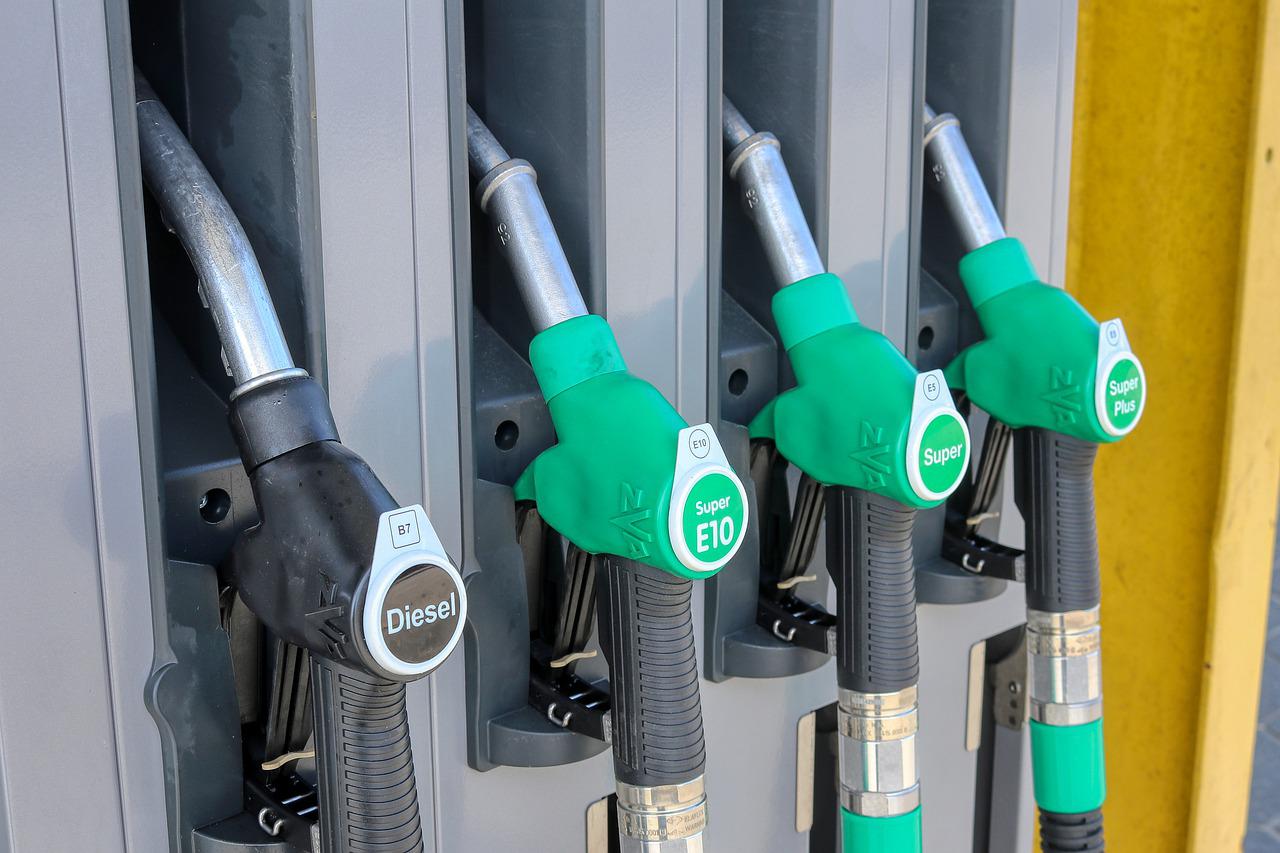
Potato, Onion, and Tomato Are Examples of Foods Whose Prices Are Affected by the Rise in Diesel, Which Harms the Population
In the last week, the price of diesel increased, which has already impacted food prices. According to the president of the Brazilian Association of Supply Centers (Abracen), Eder Eduardo Bublitz, the rise in freight costs has resulted in about a 10% pass-through in the prices of fruits, vegetables, and legumes sold wholesale.
Bublitz illustrated the situation using the route from Curitiba (PR) to Juazeiro (CE), where a truck that goes up with empty crates and comes down loaded used to pay a freight of R$ 7,500. Currently, however, this freight exceeds R$ 9,000, with difficulties in finding trucks. According to the president of Abracen, it is a freight that ends up being expensive for drivers.
Bublitz also highlighted that the food sector has already been facing other difficulties, such as crop failures due to climatic factors and also the rise in the price of fertilizers, which were affected by the war between Russia and Ukraine.
Moreover, the increase in diesel prices also causes effects at the beginning of the production chain, as it is the fuel responsible for powering tractors and agricultural machinery.
The federal government announced this Tuesday (17), a week after the adjustment of diesel prices, a provisional measure that may lead to another hike in freight costs. President Jair Bolsonaro signed an extraordinary review of the minimum price table for the sector.
Previously, the price was adjusted for every 10% variation in fuel. Now, the trigger has been reduced to 5%. However, the National Land Transport Agency (ANTT) announced that, for now, the price remains the same, considering that the current accumulated change in diesel is 3.26%.
Eder Eduardo Bublitz Advocates for Tax Relief to Mitigate the Effects of Rising Fuel Prices
Although the MP may have impacts on the price of food transportation, Bublitz believes it is necessary in light of the rise in diesel prices and the low profit margins of truck drivers. However, the president of Abracen also argues that the government should work on measures to contain the increases in food prices.
For him, the effects of diesel oil on food shelves are enormous, making it necessary and prudent for federal, state, and municipal governments to meet to analyze viable actions, especially tax relief.
Released this Tuesday (17), the 5th Bulletin of the Brazilian Program for the Modernization of the Horticultural Market (Prohort), from the National Supply Company (Conab), highlights a continuation of the price increase for potatoes, onions, and tomatoes in April.
The carrot, for its part, considered one of the ‘villains’ of inflation, observed the beginning of a reduction, thanks to lower demand, although it still shows prices exceeding those of previous years. Compared to March, the price per kilo recorded declines ranging from almost 5% to over 35%, ranging between R$ 4.08 (Goiânia) and R$ 7.50 (Fortaleza).
As for the potato, there was an increase of more than 40% in the price per kilo in April, in the supply centers of Rio de Janeiro, Belo Horizonte, and Curitiba. This fluctuation is related to lower supply, according to the document, with prices per kilo ranging from R$ 2.51 (Rio de Janeiro) to R$ 6.24 (Rio Branco).
Since the second half of last year, the price of tomatoes has been rising, but at a lower rate, varying in April between R$ 4.07 (Recife) and R$ 8.09 (Rio Branco). According to Conab, its supply decreased again last month, reaching one of the lowest levels in the past two years.
In the case of onions, only at Ceasa in Fortaleza was a small reduction in price observed. For other supply centers, the increase in price per kilo ranged from 3.64% to 30.16%, compared to March. The minimum price was R$ 2.85, in Curitiba, and the maximum was R$ 5.36, in Brasília.
High Onion Prices Are Related to the Concentration of Production in Just One Region
The National Supply Company reports that the price of onions is pressured due to the concentration of production in the southern part of the country, with offers from other regions and imports not being sufficient to solve this scenario.
As for fruits, demand fell last month, especially due to the holidays. There was, therefore, a reduction in the prices of papaya and watermelon. The price per kilo of bananas, on the other hand, varied between a drop of almost 5% and an increase of over 13%. Oranges maintained their high price, but also saw variations, ranging from a decrease of almost 27% in Rio Branco (AC) to an increase of 4.97% in Recife (PE).
The Conab survey examines vegetables and fruits with the highest representativeness in Ceasas and the greatest weight in inflation, analyzing prices from the supply centers in São Paulo, Belo Horizonte, Rio de Janeiro, Vitória, Curitiba, Goiânia, Brasília, Recife, Fortaleza, and Rio Branco.
-
Gasoline prices soar and the question arises: is ethanol more advantageous? The 70% rule reveals the limit with gasoline.
-
Ocyan opens registrations for startups focused on innovation in the oil and gas sector and will select projects for Innovation Day with the support of Nexio.

-
The government has made a decision and is starting a test with more ethanol in gasoline, anticipating a mixture of up to 35%, diesel with 25% biodiesel, and a study to assess the impacts on engines.
-
Brazil is the largest coffee producer in the world, but four foreign companies control more than half of the domestic market, including brands that you probably have in your kitchen like Pilão, 3 Corações, Melitta, and Nescafé.









Seja o primeiro a reagir!