





 Portuguese
  English
  Spanish
  3 min of reading
  0 comments


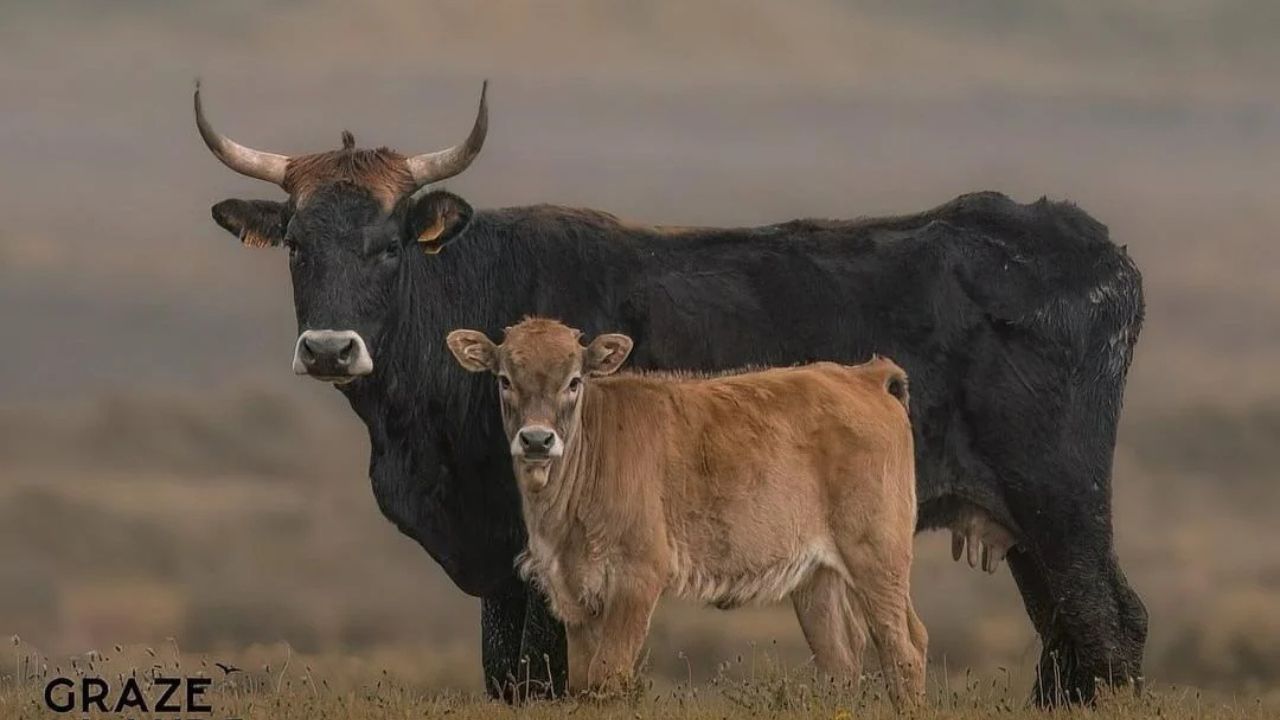
Extinct Breed Recreated in 1627 as the Largest Cattle in the World. Tauros Project Rescues Ecological and Genetic Legacy with Impact on Biodiversity.
Extinct for nearly 400 years, the largest cattle in the world has returned to roam the fields of Europe. The aurochs, recreated in the form of Tauros, is being used to restore lost ecosystems and natural functions.
Led by the Taurus Foundation from the Netherlands, with support from Rewilding Europe and the NGO ARK Nature, the program started in 2008 with selective breeding of primitive breeds, offering the European environment long-lost ecological functions.
The mission is to restore the natural balance and revisit a lost past.
-
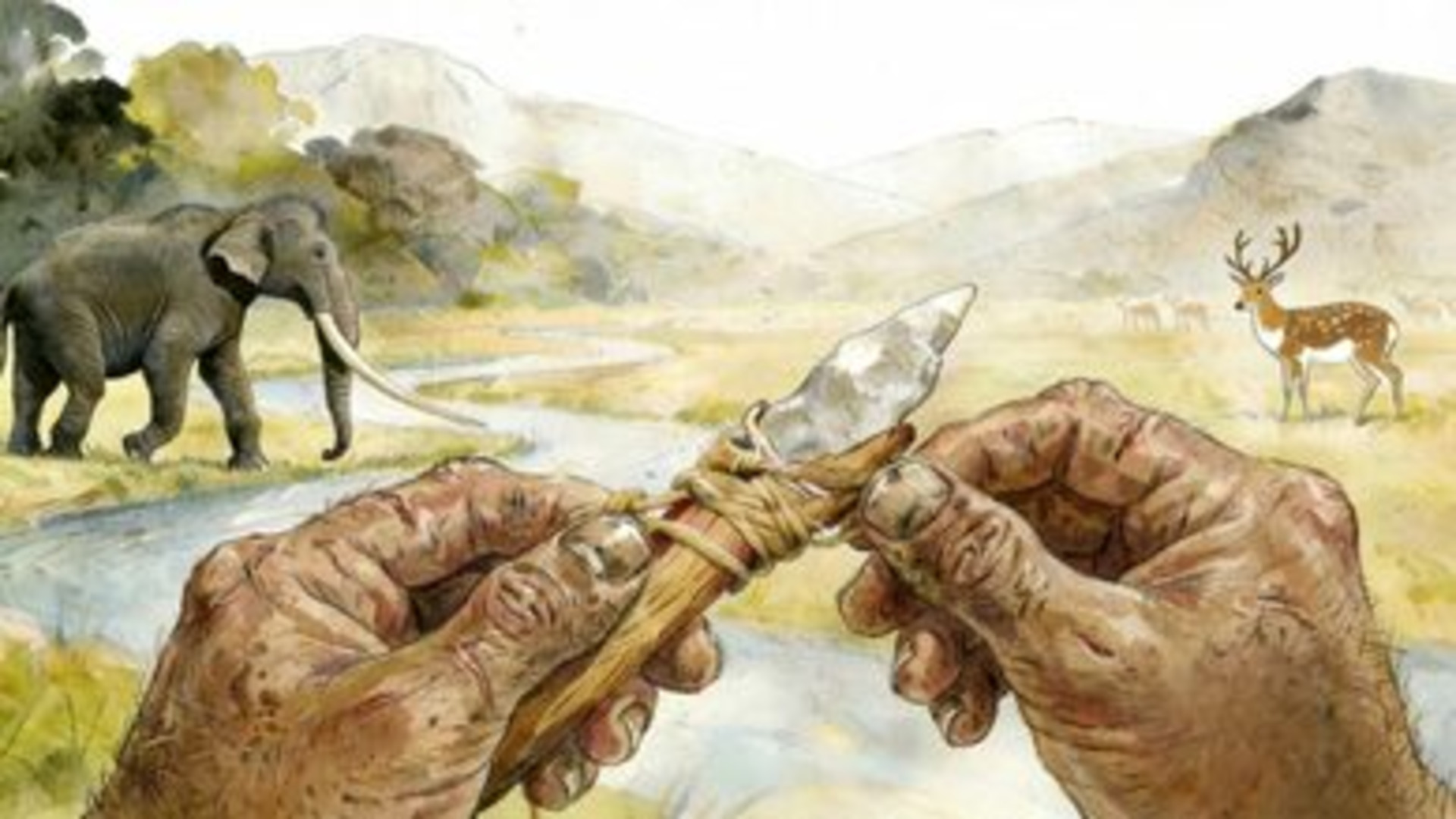
They were brilliant! Scientists discover that our ancestors in China were already making super advanced tools 160,000 years ago, changing everything we knew.
-
Scientists unveil 3 million years of climate secrets hidden in the ice of Antarctica.

-
Ancient farmers created “aggressive plants” that changed nature forever.
-
Astronomers find a “backward” solar system that ignores all the rules of space and leaves scientists scratching their heads!


Largest Cattle in the World: Historical Context and Ecological Importance
The aurochs (or Bos primigenius) was extinct in 1627, when the last specimen died in Poland — becoming one of the first cases of extinction caused by humans.
Direct ancestor of all domestic cattle breeds (zebu and taurine), it dominated Europe, North Africa, and parts of Asia.
With over 1.80 m in height and weighing more than a ton, this largest cattle in the world played essential roles in maintaining clearings and natural habitats.
Therefore, regenerating this breed means recovering its positive influence over entire ecosystems.
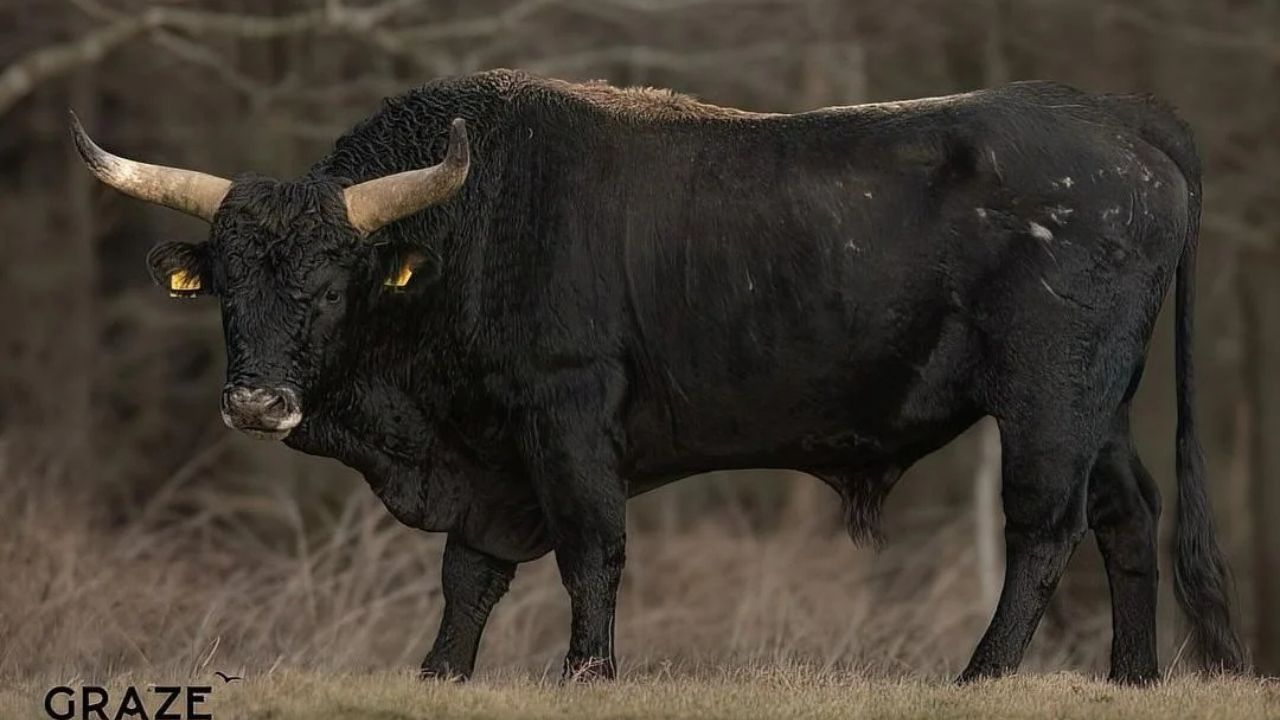
The Tauros Project and the Recreation of the Breed
Since 2008, the Tauros Project has focused on back-breeding — a technique that restores genetic traits of extinct species through the crossbreeding of living breeds that share similarities — instead of resorting to cloning or genetic engineering.
Breeds such as Sayaguesa and Maronesa (Portugal), Maremmana (Italy), Boskarin (Croatia), and Podolica (Eastern Europe) were selected, valuing attributes such as large size, long legs, robust horns, and hardiness.
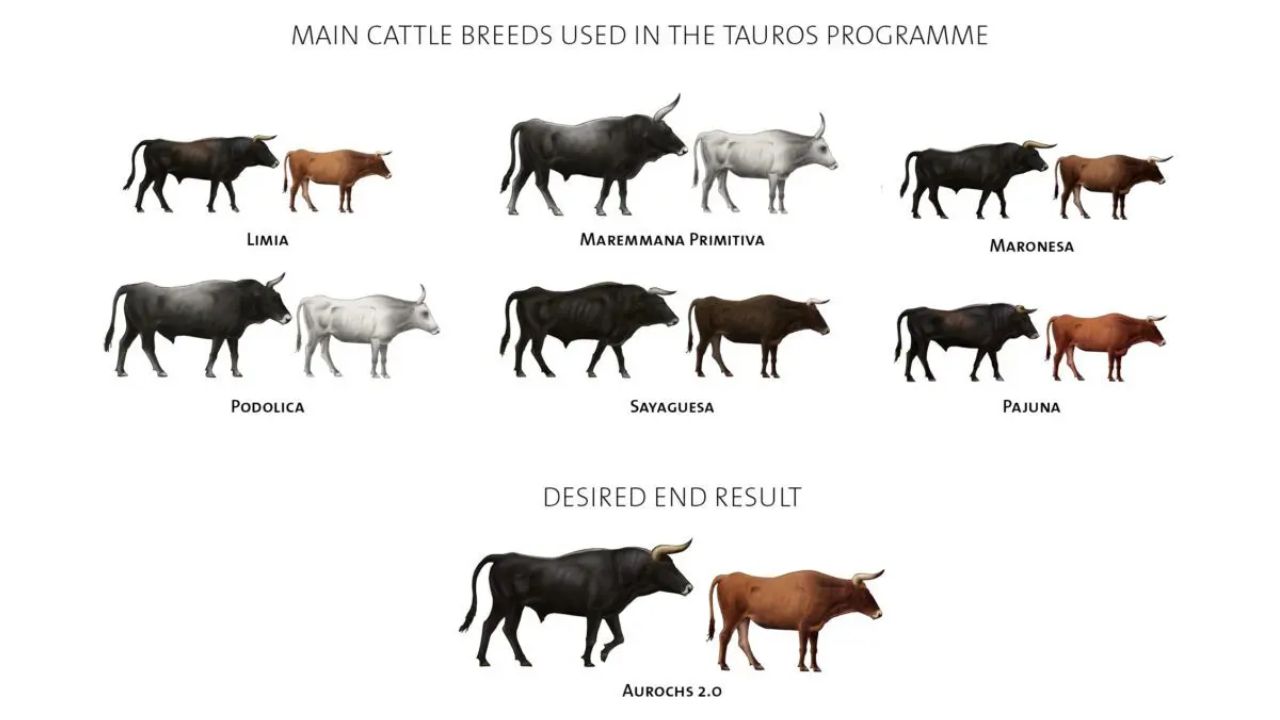
Today, there are around 500 Tauros, genetically and visually similar to the aurochs, living freely in reserves in the Netherlands, Spain, Portugal, Croatia, Romania, and Denmark.
Benefits of the Return of the Breed to Biodiversity
The return of this breed as a large herbivore brings positive impacts to the ecosystem.
While grazing, the Tauros disperse seeds, recycle nutrients, control shrubs, and help reduce the risk of fires.
Their rich grazing areas favor flora and fauna — from pollinators to small mammals — while benefiting predators like the Iberian wolf and the lynx, by strengthening complete food chains.
For example, in the Côa Valley in Portugal, they coexist with Sorraia horses, recreating the dynamics that existed millennia ago and were depicted in Paleolithic rock engravings — UNESCO heritage.
Implications for Livestock and Sustainability
Although the Tauros have not been developed for commercial production, they raise interest in the sector for their natural resistance, hardiness, and ability to take advantage of low-quality forage.
This generates valuable insights for genetic selection in modern livestock and reinforces the concept of conservation grazing — using animals in marginal areas to promote biodiversity, tourism, and restore ecological corridors, without competing with intensive production.

Symbol of Hope and Lesson for the Future
The rescue of the aurochs in the form of Tauros goes beyond biology. It raises a profound reflection on human losses and restoration.
As biologist Thor Hjarsen, project leader in Denmark, summarized: the goal is to “restore the aurochs’ primordial function in nature.”
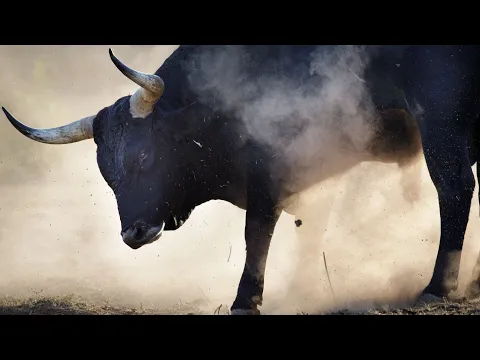
Furthermore, the image of these imposing cattle symbolizes hope, showing that even extinct species can be reborn with science, perseverance, and global cooperation.








-

Uma pessoa reagiu a isso.