





 Portuguese
  English
  Spanish
  5 min of reading
  2 comments


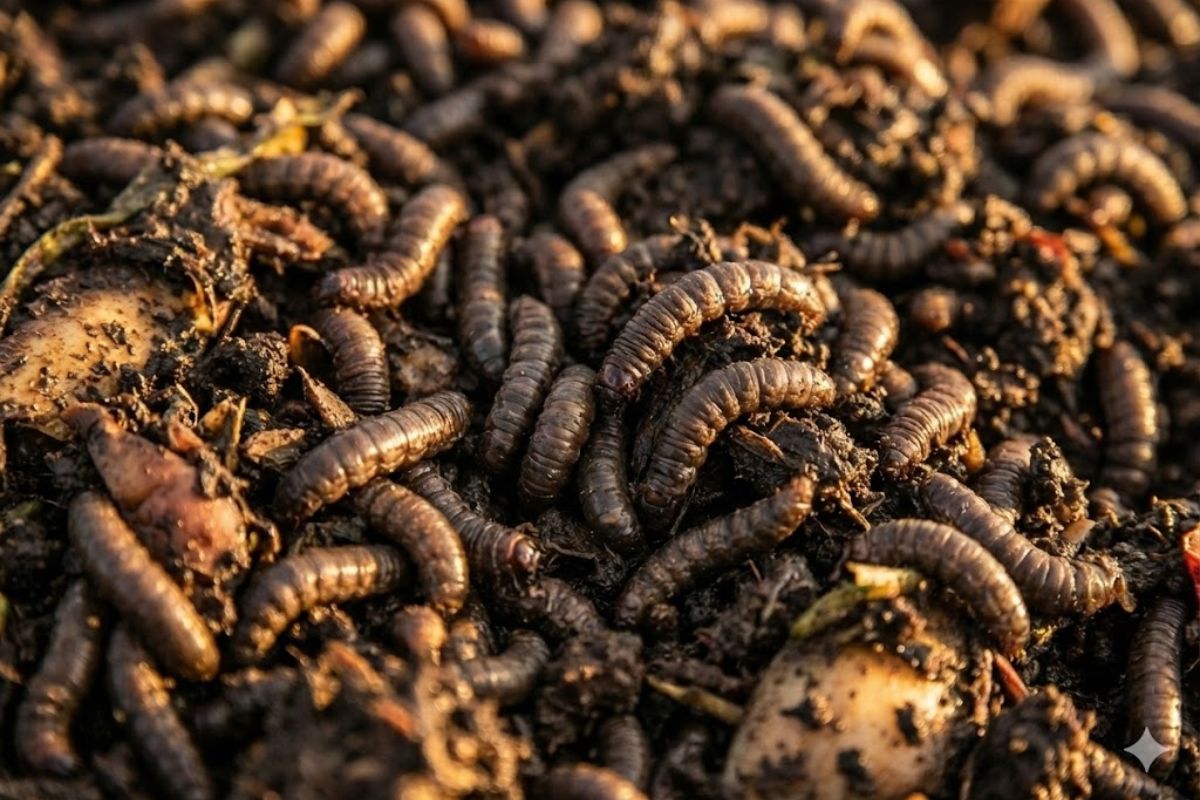


Larvae In New South Wales Begin Testing With Robotic Containers Ranging From 10 To 15 Million Per Unit, Capable Of Converting 600 Tons Of Food Waste In 12 Months, Reducing Methane In Landfills And Delivering Animal Feed And Fertilizer, While Sydney Fears Space Shortages Until 2028.
The larvae in New South Wales are the focus of a test that brings the black soldier fly cultivation closer to waste, in standard shipping container-sized units. Each module can concentrate between 10 and 15 million larvae, with temperature, humidity, and food supply controls, alongside remote monitoring of the process.
The proposal targets an urban bottleneck: organic waste in landfills releases methane intensely, and the operation aims to transform what would be waste into animal feed and fertilizer. The plan connects to an operational alert in Sydney, where experts project space and logistics limits for waste disposal in the coming years.
Containers With 15 Million And Robots In Sorting

The base of the system is described as a unit the size of a standard shipping container holding 15 million larvae.
-
The first nuclear submarine in Latin America is being built in Brazil, but the Navy warns that without an additional one billion reais, the project may halt, and the delivery forecast, which was 2029, has already been pushed to 2037 due to a lack of funds.

-
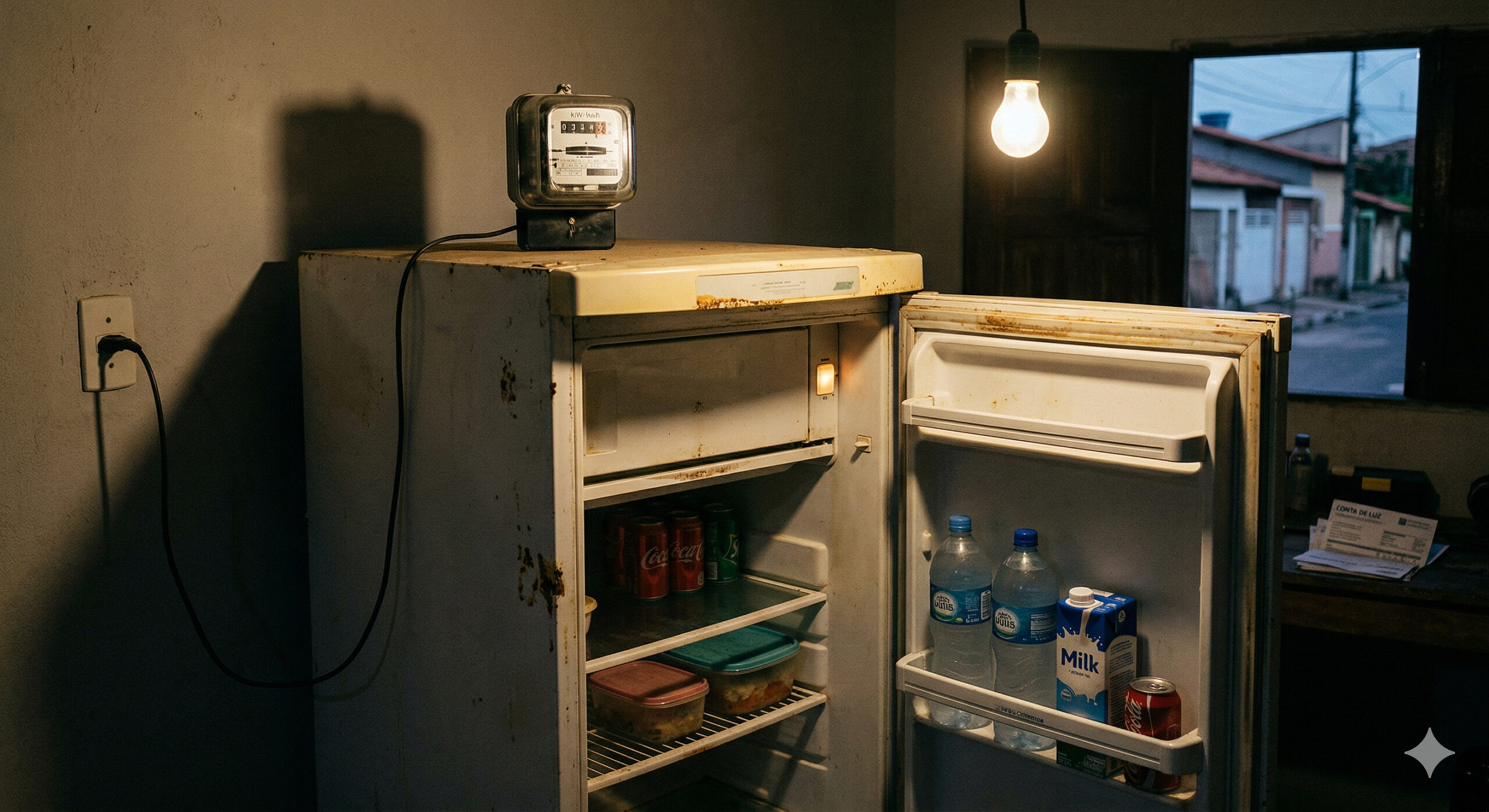
The most expensive appliance in your home is not in the kitchen or the bathroom, it runs 24 hours a day to cool a few items and can cost more per month than the value of everything it stores, while a single replacement eliminates the consumption equivalent to a shower running for 30 minutes daily.
-
Beneath 25 km of ice, a moon of Jupiter hides an ocean with more water than all the seas on Earth and may have the necessary conditions to support life, according to studies supported by NASA.

-
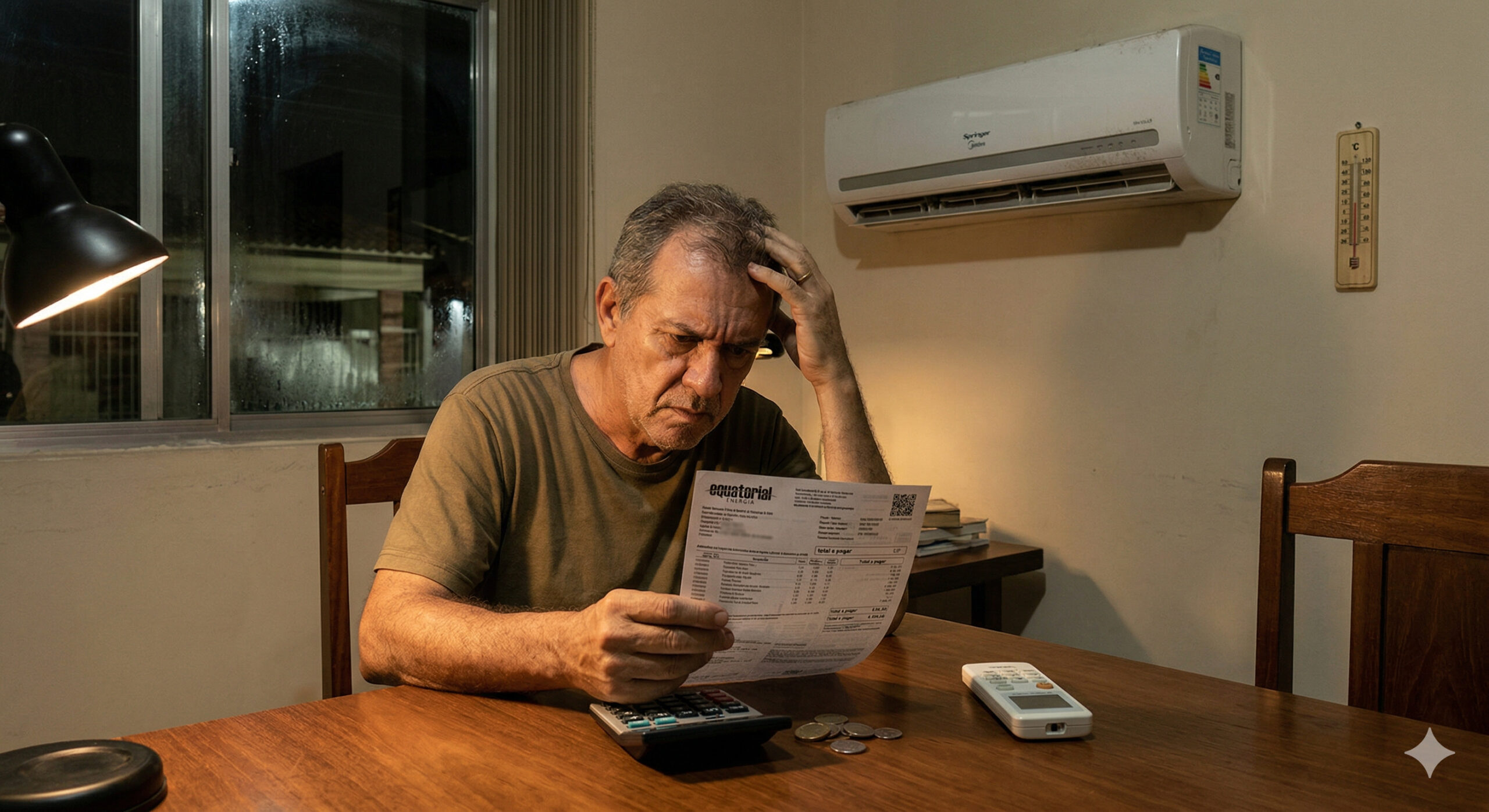
The appliance that should cool your home may be driving up your electricity bill when installed with the wrong power, forcing the device to work harder and consume much more than necessary.

The idea is to multiply these modules at scale, bringing the “factory” to the point where the waste appears, rather than transporting tons of leftover food to one location.
In the operational design, a machine separates food waste from packaging, grinds the material into a paste, and delivers this organic fraction to a robotic feeding system.
The modules are remotely controlled and gather data to ensure that food reaches them every day, without relying on manual intervention in each batch of larvae in New South Wales.
From Egg To Peak In 6 Days: Accelerated Consumption And Short Window

The described protocol starts in the breeding room, where flies mate and generate offspring. A female can lay up to 600 eggs, collected in trays and taken to the incubator.
The trays sit on a wire platform above a container with compost made from organic food waste.
When the larvae hatch, they move to a growing room where temperature, humidity, and feeding are controlled.
They reach maximum body mass in just 6 days, during which they can consume up to twice their body weight in food each day.
Scale is the central point: a container holds between 10 and 15 million and concentrates consumption over a few days, accelerating the processing of material that, in traditional composting, can take up to 16 weeks.
Sydney, Landfills And The Target Of 600 Tons In 12 Months

The test in Sydney is described as the first in New South Wales aimed at addressing already accumulated food waste in landfills.
The stated goal is to transform about 600 tons of food waste into animal feed and fertilizer in 12 months, leveraging the larvae’s rapid consumption.
The climate goal appears in the same package: decomposing organic waste in landfills releases methane, and this flow is presented as a relevant part of global greenhouse gas emissions, around 8%.
By reducing the organic volume destined for landfilling, the program aims to cut methane while simultaneously generating reusable inputs.
The 2028 Limit And The Cost Of Moving Waste By Train
In addition to the environmental component, the initiative is presented as a response to a physical limit.
Landfill experts warn that, in Sydney, the space to bury waste is rapidly running out.
The projected scenario is that by around 2028, the city may not be able to bury waste within its own limits.
Currently, solid waste generated by activities of more than 5 million people in Sydney is transported by freight trains to regional landfills.
The system relies on tracks and services that can be disrupted by natural events and infrastructure wear and tear, while waste continues to arrive.
In this equation, the larvae in New South Wales enter as an alternative to reduce pressure on logistics and the volume destined for landfilling.
Animal Feed, Fertilizer And Byproducts Beyond Disposal
The destination of the larvae is described in industrial terms.
After they “stop eating,” the process points to the 17th day of life when it would be time to turn into flies, something that does not happen in the production cycle.
The larvae are separated from the waste generated, washed in a large sieve with water, sedated with carbon dioxide, and then dehydrated.
The result is used as animal feed for cattle, poultry, and fish, with mentions of components like melanin, chitin, and lauric acid.
The oil is described as comparable to palm oil and is linked to uses in cosmetics, while melanin is cited as having potential in the electronics industry.
The micronized waste from the larvae is presented as fertilizer rich in nitrogen, phosphorus, and potassium, aimed at farmers, nurseries, pet stores, and aquaculture.
Why Not “Release” In The Landfill: Strict Environmental Control And Risk Of Loss
The material also sets limits on the method.
The larva is not described as an organism that can simply be spread over a landfill and solve everything.
For healthy development, controlled conditions are cited, with strict parameters, in addition to breeding chambers where a specific temperature stimulates productivity.
Outdoors, the scenario changes: there is a risk of birds and other animals eating the larvae, along with high mortality rates.
In the cold, they may refuse food; in excessive heat, they may “fry.”
Therefore, the advocated alternative is to serve organic waste to the larvae already separated, rather than spreading larvae over mixed waste, where plastic and other fractions undermine the economic gain.
Other Cited Applications: Sterile Flies And Clinical Larvae
The same insect control universe appears in another Australian problem, the Queensland fruit fly, described as a pest that costs about 300 million dollars a year to the country’s horticulture.
With banned pesticides, the cited method is to breed flies, sterilize them with X-rays, and release 2 million sterile flies from an airplane, aiming to reach 50 million per week.
In parallel, the report mentions larvae used in a clinical setting for wound cleaning, using a specific species and being applied in hospitals and clinics.
The logic is the same that sustains the larvae in New South Wales: no improvisation, with controlled breeding, sanitary parameters, and a defined operational objective.
The test with larvae in New South Wales seeks to tackle three fronts with the same mechanism: reduce organics in landfills, cut methane, and transform waste into animal feed and fertilizer in cycles of days, not months.
Success depends less on visual shock and more on control and logistics engineering to keep the larvae where they perform best.
Would you accept larvae in New South Wales operating in containers near your neighborhood if it reduced methane in landfills and turned into animal feed and fertilizer?






Opino que es lo ideal!!! En la actualidad tengo larvas de mosca soldado negro en mi emprendimiento el.cual ofresco recomiendo los residuos orgánicos a domicilio y locales de comida. Es IMPRESIONANTE cómo en cuestión de un mes la pila de unos 1000kg se reduce!! Después de eso, introduzco las lombrices rojas californianas (no recuerdo el nombre científico) y ahí genero un compost de calidad que le vuelve a los clientes.
La mosca tiene un plazo corto de vida, se alimenta de agua nada más y luego de depositar sus huevos muere.
En mi escaso entendimiento sería LO IDEAL para aplacar la contaminación en los vertederos.
Soy de Uruguay, mi emprendimiento @compos_tac en Instagram.
Si te aseguran que una vez que las larvas eclosionan y antes de que sean moscas adultas las disecan para que no invadan el medio ambiente, no sería un problema. Todo depende de lo efectivo que resulte el control