





 Portuguese
  English
  Spanish
  2 min of reading


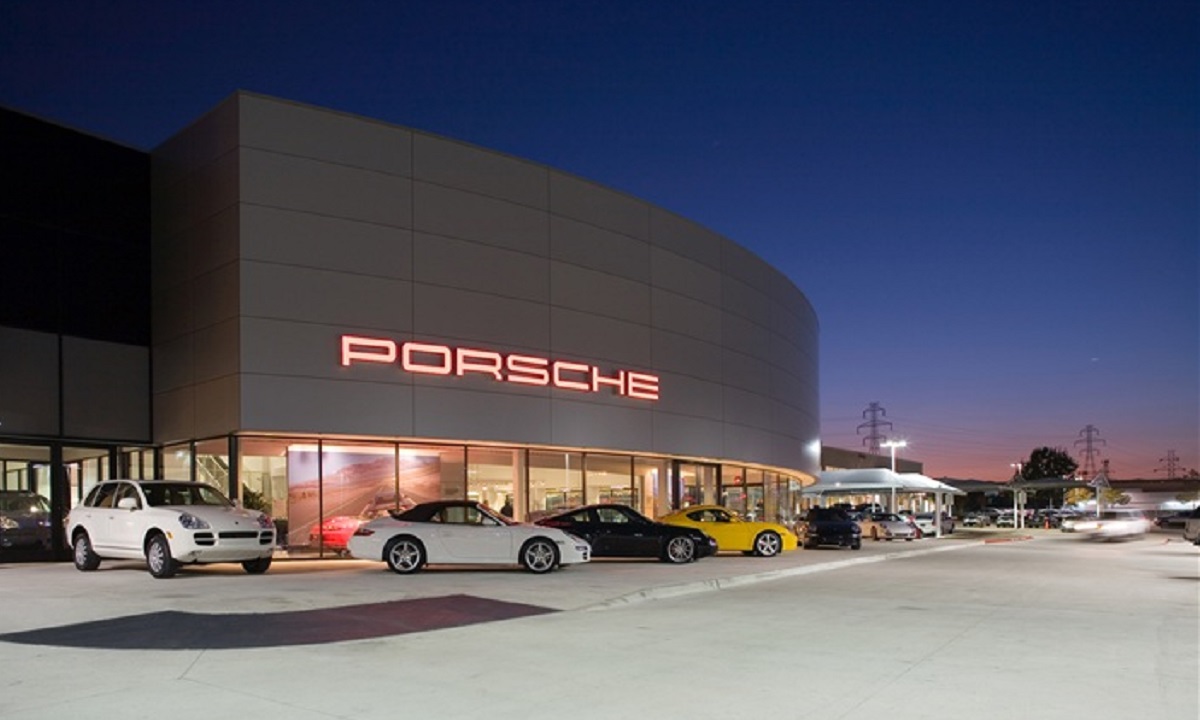
The New Petrol-Free Gasoline Produced In Chile Was Created With Water And Carbon Dioxide And Emits Almost 0% Of The Pollutants Released Into The Atmosphere By Traditional Fuels
The multinational Porsche, together with the Chilean Highly Innovative Fuels (HIF Global), have signed an agreement where the car company will produce, by 2027, more than 550 million liters of petrol-free gasoline (e-fuels) made from water and carbon dioxide, which guarantees almost zero emissions of pollutants when refueled in vehicles.
In addition to Porsche, other companies such as Enel Green Power, ENAP, Siemens Energy, Gasco, and ExxonMobil have also signed agreements with the Chilean company for the production of sustainable gasoline.
To finalize the agreement, the petrol-free gasoline developed in Chile was tested in one of Porsche’s vehicles, the Porsche 911, which was fueled with the fuel to demonstrate its capability in combustion engines of common cars.
-
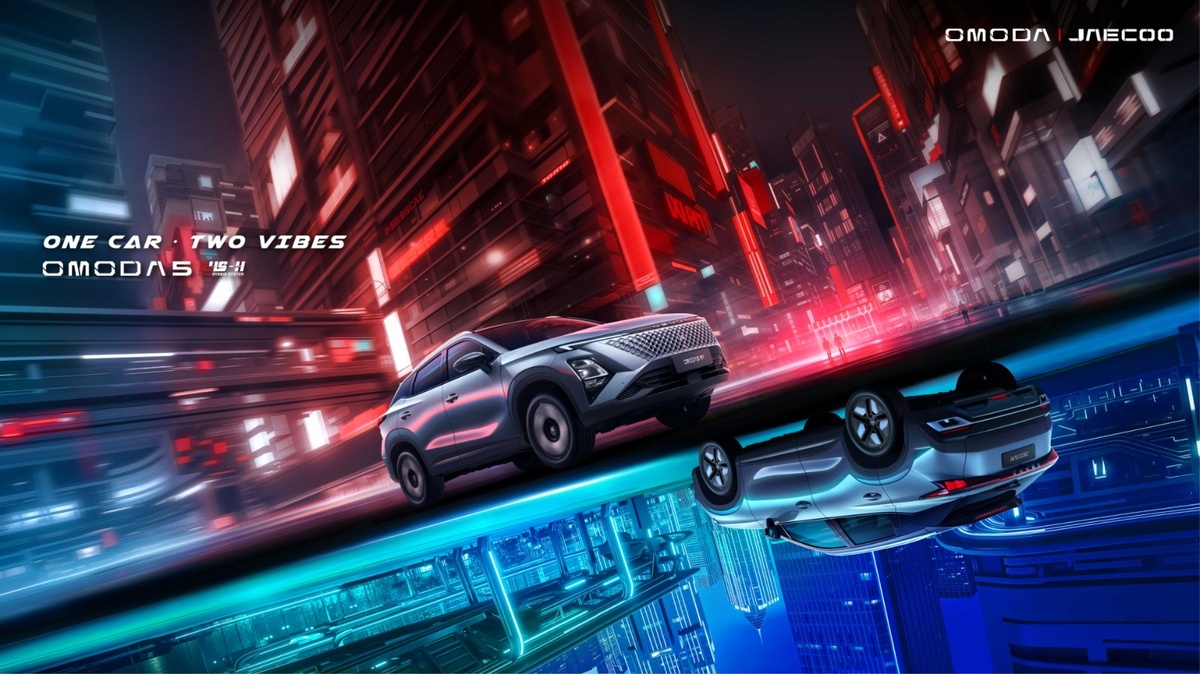
OMODA & JAECOO grows in Europe in 2026 with an integrated strategy of sales, innovation, local production, and technological advancement in the United Kingdom, Italy, and Spain.
-
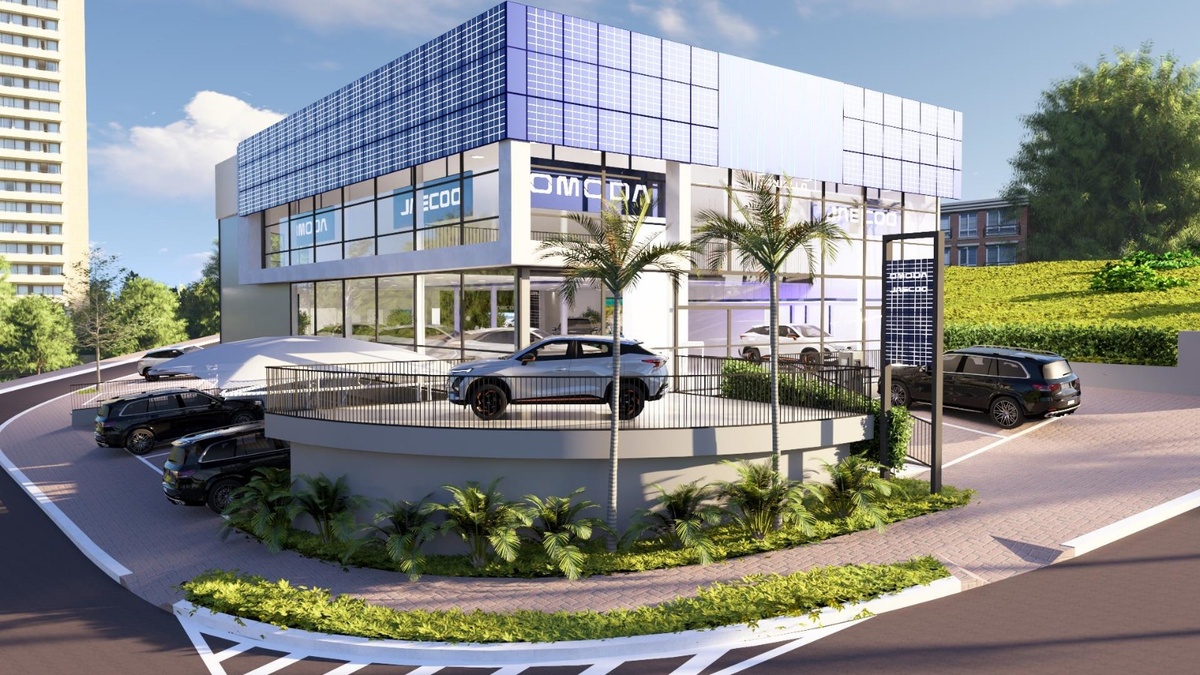
OMODA & JAECOO expand post-sales in Brazil with competitive maintenance, a 7-year warranty, and high availability of parts for technological SUVs.
-
OMODA & JAECOO appoints Alessandra Souza as executive marketing director in Brazil and accelerates brand expansion with a focus on innovation, network, and hybrid portfolio.

-
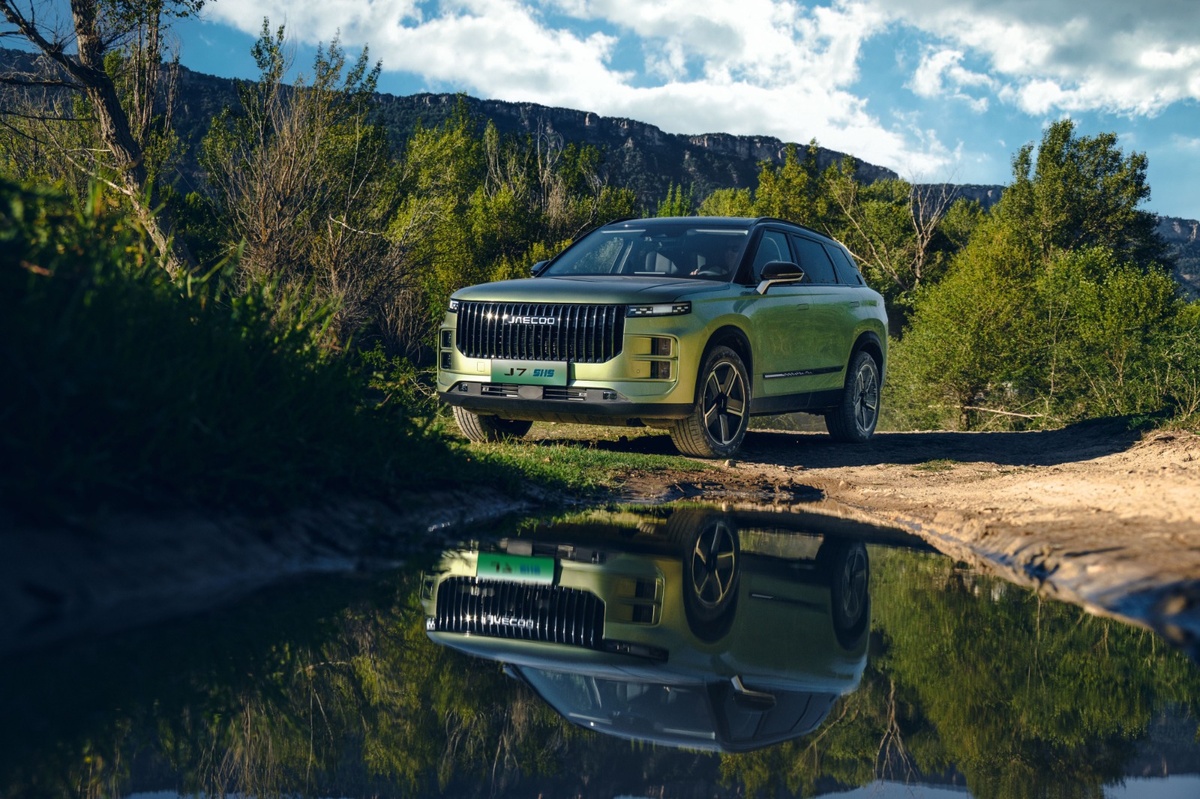
Jaecoo 7 with super hybrid SHS system exceeds 1,200 km of combined range with a 1.5 turbo engine, high-density battery, and intelligent energy management.

Meet The Porsche 911


Gasoline Production By Porsche
At the beginning of the petrol-free gasoline production, Porsche anticipates developing about 130,000 liters of fuel per year. Initially, the eco-friendly gasoline will be used in projects such as the Porsche Mobil 1 Supercup and at Porsche Experience Centers.
After the start of production, Porsche plans to produce up to 55 million liters of petrol-free gasoline annually by 2025, reaching, after 2 years, the mark of 550 million liters.
According to Bárbara Frenkel, a member of Porsche’s Executive Board: “Porsche is committed to a dual path: e-mobility and e-fuels as a complementary technology, using these fuels to reduce CO2 emissions. Looking at the automotive sector, the industrial production of synthetic petrol-free fuels should be encouraged. Through the new factory in Chile, Porsche is playing a leading role in this development.”
Innovation In The Automotive Sector
The new petrol-free gasoline developed in Chile can be considered a milestone in automotive history, as it can also contribute to the commercialization of traditional vehicles without harming the environment, given that an increasingly present trend is electric cars (which promise to ban common cars by 2035).
If the success of the new gasoline production by Porsche is realized, the fuel could be marketed at an affordable price and the customer could fill their car with the assurance that the emissions from the gasoline are, in fact, practically nil.
Moreover, if the gasoline is successful it may create a different perception among customers of electric cars.




Seja o primeiro a reagir!