Portuguese
  Spanish


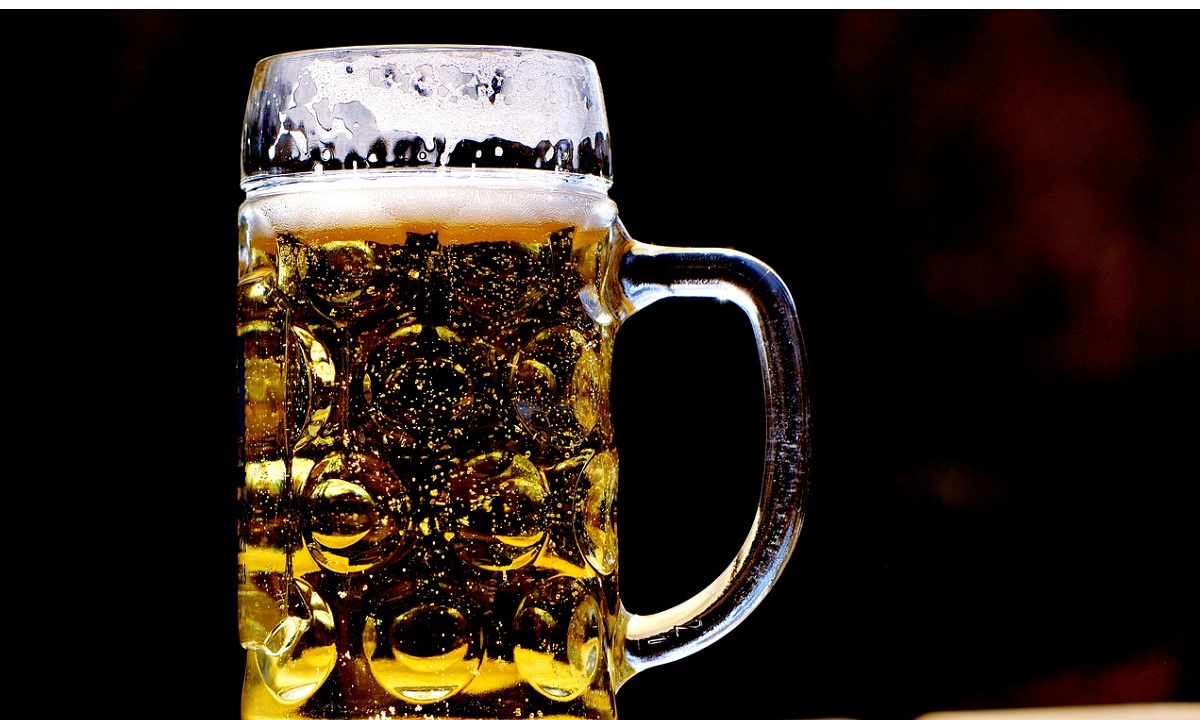

The New Beer That Fights Diabetes Was Developed by the Unicentro University, Located in Southern Brazil, in the City of Guarapuava
Located in Guarapuava, Brazil, the State University of the Midwest has secured a licensing contract that guarantees the production of a beer capable of combating diabetes. Heimdall Brewery will be the company producing the new product, along with the Federal Institute of Education, Science and Technology of Paraná and the Unicentro Development Support Foundation.
The result of the beer came after 5 long years of study and research by the university’s students and professors in Brazil, where they finally reached the point where the beer brings health benefits. The product is composed of bioactives from wild rosemary, native to countries like Argentina, Bolivia, Paraguay, and Uruguay.
Combat to Diabetes from the Beer Developed in Brazil
The beer, as stated, is made from the bioactives of field rosemary, which help in reducing blood glucose and fat levels, as well as reducing damage to patients’ brains and livers.
-
She spent 73 years breathing inside an iron lung, survived the aftereffects of polio, and became the last woman in the United States dependent on the equipment before dying at 78 years old.

-
Brazilian students created a $1 filter using pine bark, cotton, and 3D-printed parts to clean cassava wastewater, reduce the toxicity of a hazardous waste, and transform contaminated water into biofertilizer.

-
Astronaut from Artemis II steps down after mission to the Moon and decision surprises after a record of 406,771 km, a historic 10-day journey, and an unprecedented achievement for Canada.

-
A fossil kept for years in a small museum in Montreal concealed 450-million-year-old soft tissue, a discovery that has only happened once before in history.


According to the biomedical responsible for the study, Carlos Ricardo Maneck Malfatti, the license granted by the university for the production of the beer greatly encourages science.
“When the market commercializes the results of academic studies, higher education institutions gain more resources to produce new technologies and innovations,” he states.
The beer developed at the university in Brazil can be consumed daily by pre-diabetics or diabetics, being called Rosemary, the English term for ‘alecrim’.