






 Portuguese
  Spanish


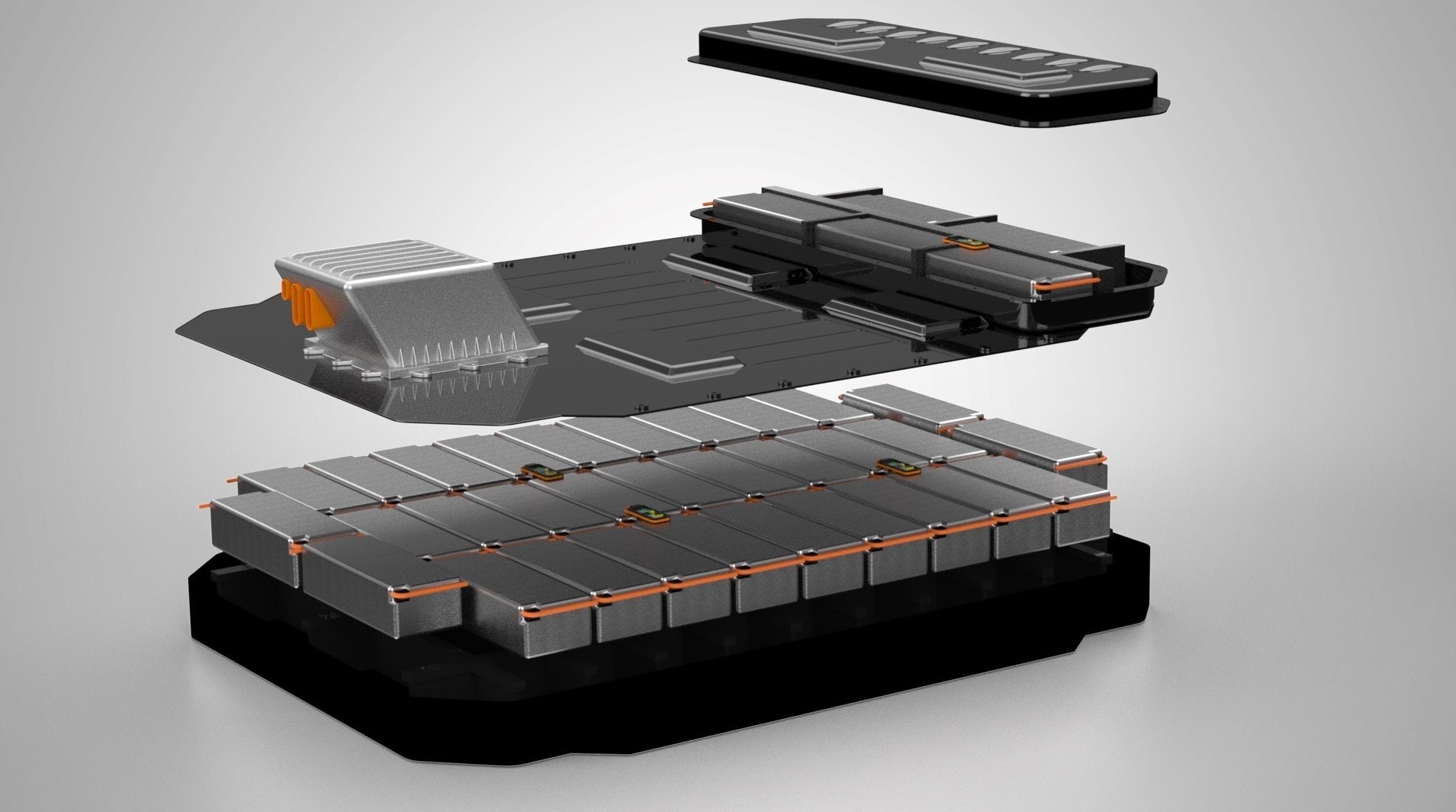
Companies Aim To Reduce The Rare Fires Resulting From Overheating Caused By Thermal Runaway In Batteries. The Partnership Between Honeywell And Nexceris Will Provide Even More Safety In The Use Of Electric Cars In The Global Automotive Sector.
Honeywell announced last Monday, (12/26), the expansion of its alliance with Nexceris to increase safety in the use of lithium-ion batteries in electric cars. The companies will then offer advanced automotive sensor technologies to minimize the rare accidents involving fires caused by overheating due to thermal runaway in batteries. This is a way to strengthen the mutual commitment in the pursuit of more safety in the energy transition of the global automotive sector.
Partnership Between Honeywell And Nexceris Will Provide Advanced Automotive Sensor Technologies To Ensure More Safety In The Use Of Electric Cars
Earlier this week, Honeywell announced another major step for technological improvements in the global electric automotive sector.
The company stated that it is expanding its alliance with Nexceris, the developer of Li-ion Tamer, a lithium-ion gas detection solution that helps make electric vehicles safer.
-
Volkswagen to Cut Production by 1 Million Cars by 2030, Reducing Jobs and Platforms, Focusing on More Profitable Models

-
Toyota Launches First 100% Electric Car in Brazil: bZ4X with 343 HP, All-Wheel Drive, 361 km Range, Priced at $419,990 BRL, Limited to 99 Units

-
Chinese SUV Achieves 24.4 km/l, Outperforms Toyota Yaris Cross in Real-World Tests with 224 hp Hybrid System, Offers 51-Liter Tank for Greater Range, and Costs Up to R$ 5,000 Less.
-
Uber Black Revamps Fleet, Drops Ten Car Models and Sets Deadline for Electric BYD Dolphin


This way, the companies will provide the electric car market with advanced automotive sensor technologies that prevent the occurrence of the phenomenon known as thermal runaway.
This phenomenon causes overheating inside battery cells, which can result in fires.
Thus, this can pose rare but significant safety risks, as fires can impact drivers on the roads, people who have these vehicles parked in their garages, and logistics companies transporting to their end recipients.
The movement of both companies in the pursuit of more safety in electric cars comes at a time when many industries in the global market are transitioning to energy in the automotive sector.
Thus, the expansion of electric cars using lithium-ion batteries is an increasingly observed phenomenon. Global sales doubled in 2021 compared to the previous year, reaching almost 7 million units sold.
Honeywell And Nexceris Highlight The Need To Reinforce Safety And Invest In New Technologies
After announcing the strengthening of the alliance with the company, Thomas Liam, general manager of safety and productivity solutions at Honeywell Latin America, commented that as the electrified automotive sector grows worldwide, new security solutions are needed.
“At Honeywell, we are supporting this transition with immediate use solutions to assist our customers in reducing safety risks while expanding their electric vehicle portfolios. By adding the Li-ion Tamer technology to our battery monitoring sensor platform, we help automotive manufacturers strengthen their battery health monitoring systems with the ability to detect thermal runaway conditions even faster,” said the executive.
Kyle Shen, president and CEO of Nexceris, stated that the partnership between both will contribute to strengthening the global transition to electric vehicles through higher quality battery monitoring.
The company also highlighted that it intends to leverage Honeywell’s experience and expertise to develop even more advantageous solutions for the use of batteries in electric cars.
In 2020, the companies joined forces to provide safety for lithium-ion battery systems and energy storage applications. Now, they expand the partnership to ensure even more quality in the segment.





Be the first to react!