





 Portuguese
  English
  Spanish
  2 min of reading


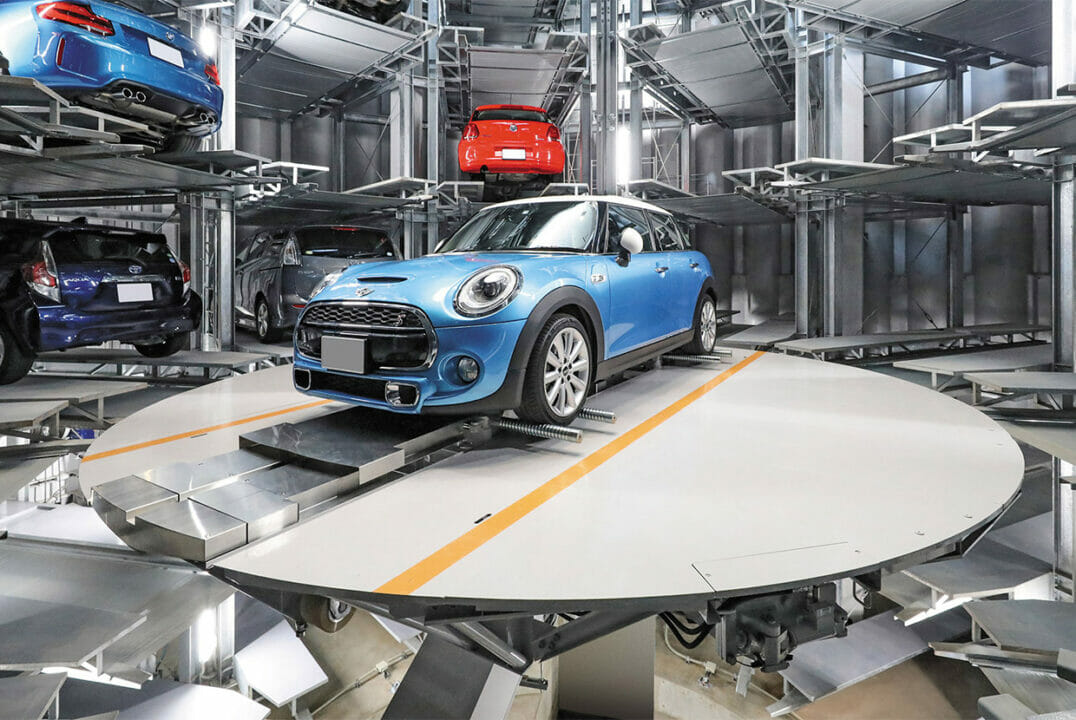
Japanese Solution Redefines The Concept Of Parking And Presents An Intelligent And Sustainable Alternative For Overcrowded Cities
Japan is famous for its densely populated cities and lack of space. In this scenario, finding a parking spot can be compared to finding a needle in a haystack. This is where ECO Park from GIKEN comes in, a project that transforms the way we think about parking.
Unlike conventional parking lots that spread horizontally, taking up vast areas, ECO Park uses a robotic system that exploits verticality.
Cars are placed on a platform and transported by mechanical systems to an available spot, all in an automated manner. The best part? The driver doesn’t even need to be present during this process. A revolution that fits in the palm of your hand, or rather, in your pocket.
-
They were brilliant! Scientists discover that our ancestors in China were already making super advanced tools 160,000 years ago, changing everything we knew.

-
Scientists unveil 3 million years of climate secrets hidden in the ice of Antarctica.

-
Ancient farmers created “aggressive plants” that changed nature forever.

-
Astronomers find a “backward” solar system that ignores all the rules of space and leaves scientists scratching their heads!


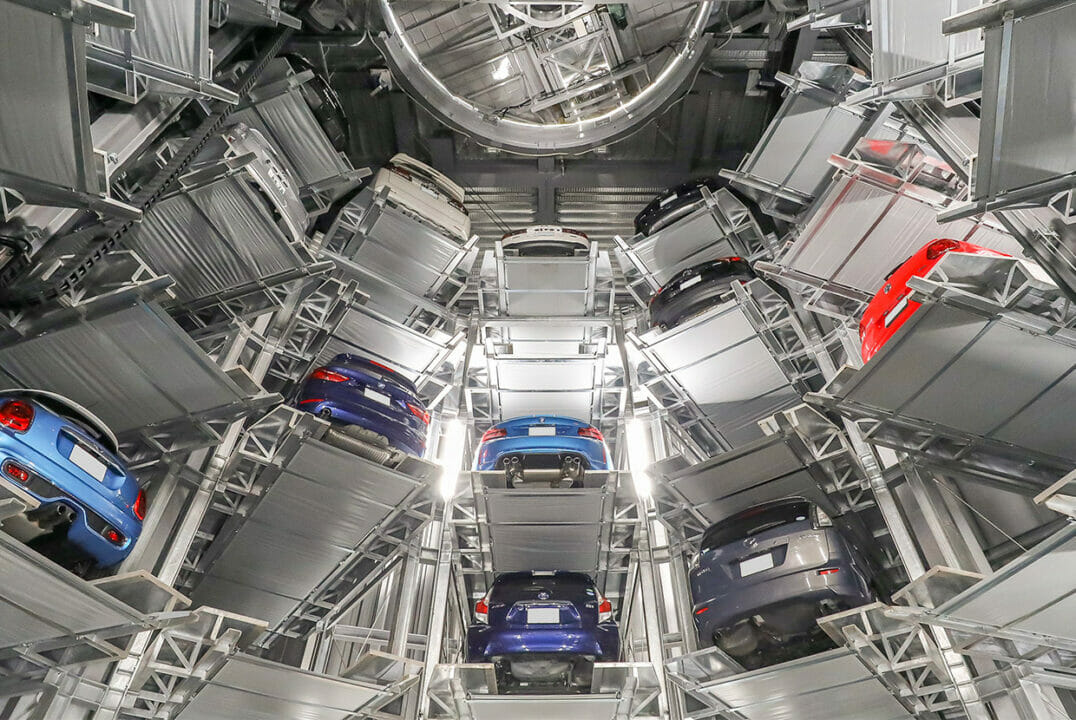
Efficiency In 32 Seconds
One of the most impressive features of ECO Park is the speed at which it operates. The average vehicle delivery time is just 32 seconds, which is unprecedented in a mechanical parking system. This not only makes life easier for users but also optimizes space, as it reduces the need for waiting and sorting areas.
The automated parking system from GIKEN has a sustainable and practical appeal: it occupies only 1/30 of the space of a conventional parking lot. Even in places where it is difficult to secure a large plot of land, ECO Park can install a high-capacity parking facility.
The Sustainability Of Tomorrow, Today
If you’re curious to see this technological marvel in action, don’t miss the demonstration video released by GIKEN itself. It’s a preview of what could become the standard in cities around the world, starting with Japan.






Seja o primeiro a reagir!