





 Portuguese
  English
  Spanish
  4 min of reading
  0 comments



Regulatory Change by Aneel May Increase Costs in the Field, and Energy Autonomy Combined with Smart Irrigation Emerges as an Alternative to Contain High Electricity Bills.
Energy autonomy has returned to the center of the debate in the Brazilian agricultural sector. A proposal under consideration by the National Electric Energy Agency (ANEEL) may significantly alter the cost structure for rural producers, especially those who rely on intensive irrigation systems.
The ongoing Public Consultation provides for the compulsory migration to the White Tariff for low-voltage consumers with monthly consumption equal to or greater than 1,000 kWh. If implemented, the measure is expected to modify the energy cost based on usage time, increasing consumption costs during peak demand periods of the electrical system.
According to the Brazilian Institute for Consumer Defense (IDEC), this change could result in an increase of up to 83% in electricity bills for producers who do not adopt adaptation strategies.
-
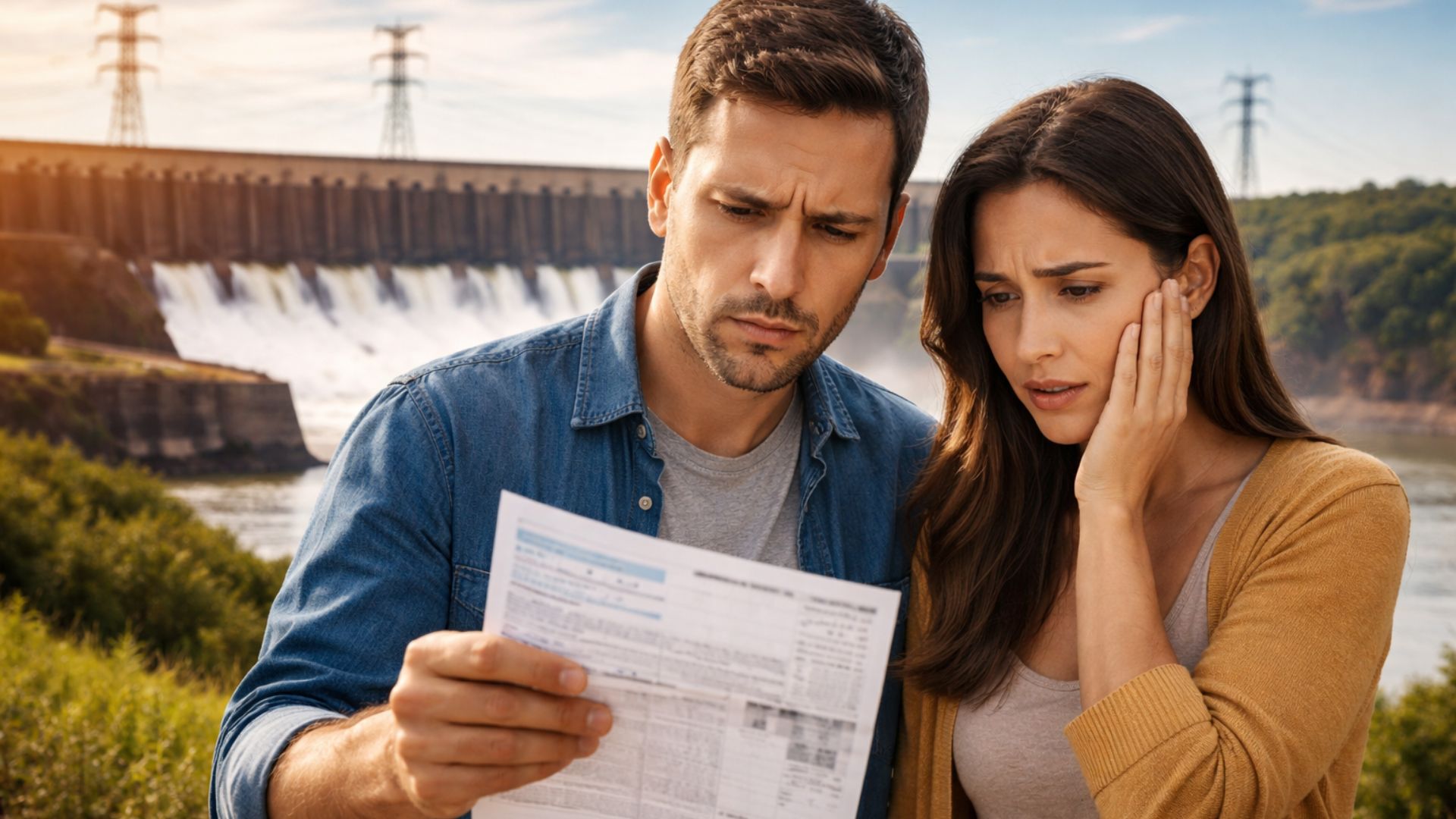
Brazilians paid R$ 18 billion more for energy from the Itaipu plant, reflecting a direct impact on tariffs and generating discussions about costs, transparency, and balance in the national electricity sector.
-
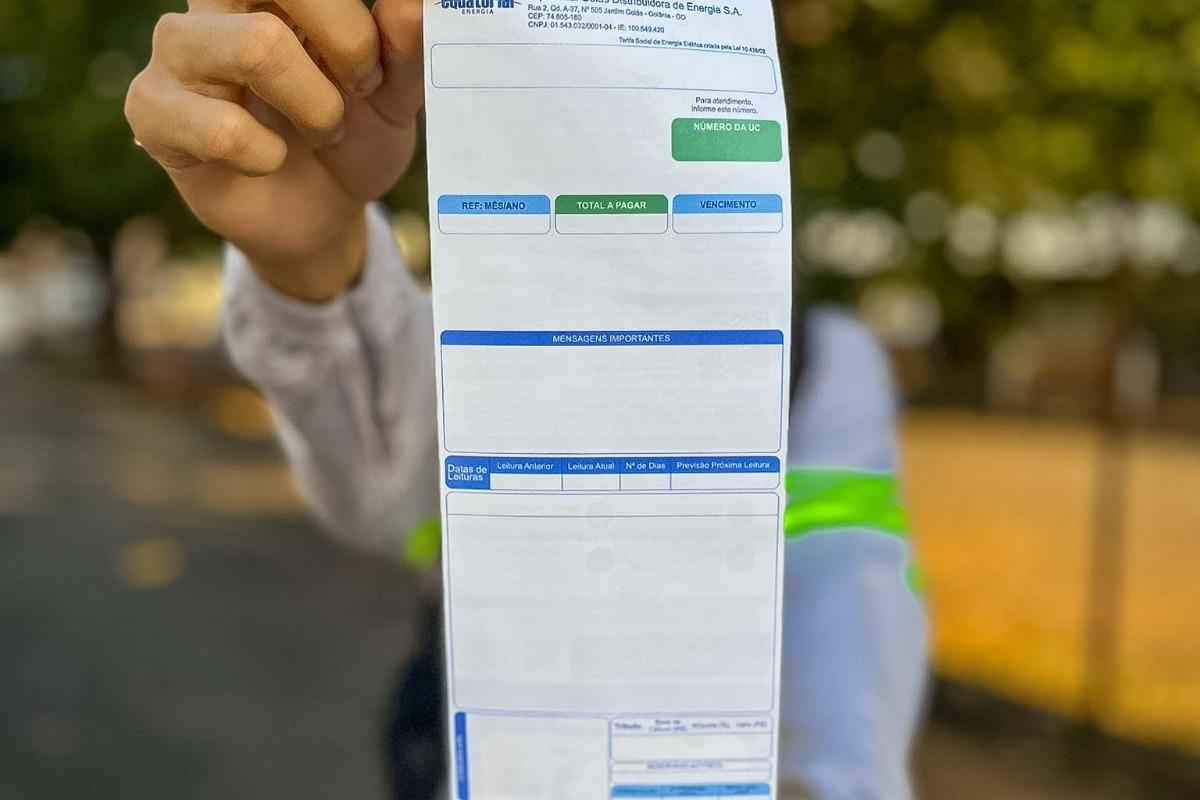
Equatorial adopts new national number for consumer units on electricity bills starting in April, following ANEEL standards and modernizing energy bills in several states.
-
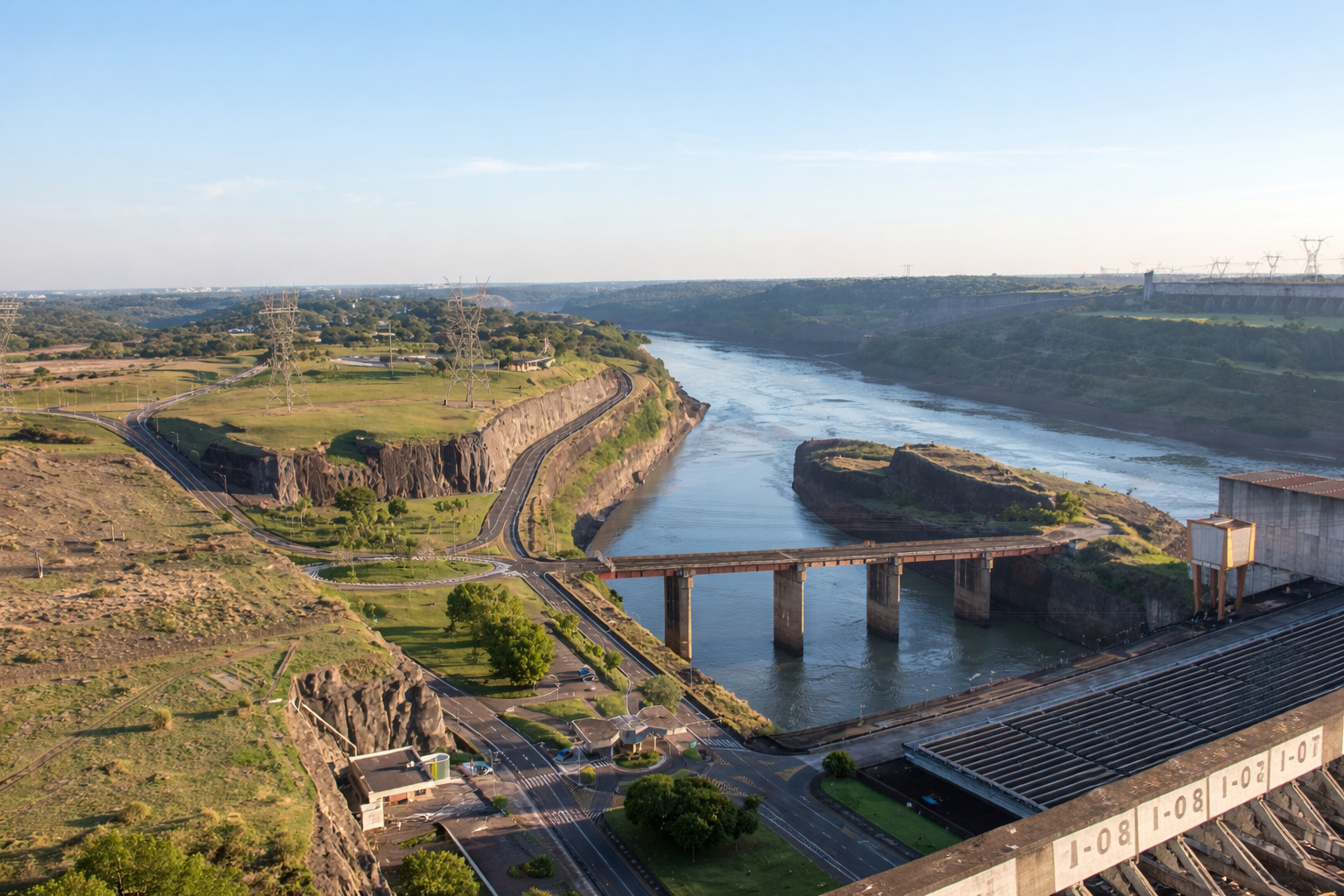
Itaipu Impresses the World: Hydroelectric Plant with 20 Turbines and 14,000 MW Generates Over 2.9 Billion MWh and Leads Global Clean Energy Production
-
Aneel Revokes CMAA Thermal Power Plants After Network Restrictions and Excess Energy in the System


White Tariff Poses New Operational Challenge
The White Tariff establishes differentiated prices throughout the day. During peak and intermediate hours, the tariffs are higher. During periods of lower demand, the prices tend to be lower.
According to technical analysis from the sector, producers who concentrate their consumption during the most expensive hours may face direct impacts on profitability. Renato Zebral, CEO of Wieza Energia, warns of this risk. “In practice, this means that rural producers who use intensive irrigation will face differentiated charges based on the time of day, incurring higher tariffs during peak and intermediate periods. Without an automation strategy, there is a financial risk, with simulations indicating that the electricity bill could rise if consumption is not shifted to lower demand times”, he states.
Smart Irrigation Advances as a Technological Response
In this scenario, smart irrigation systems emerge as a concrete alternative to reduce financial impacts. These solutions combine soil sensing, Internet of Things (IoT), and artificial intelligence (AI) to automate water application.
The operation is based on real-time data. Sensors monitor humidity, climate, and the water needs of the crops. Based on this, the system decides when and how much to irrigate, without constant manual intervention.
Additionally, automation allows for pumping to be scheduled during lower energy cost times, which favors adaptation to the White Tariff.
Reduction in Water Use and Greater Energy Predictability
According to the Brazilian Agricultural Research Corporation (Embrapa), the use of this technology can reduce the volume of water applied in crops by up to 50%. This water gain comes with greater predictability in electricity consumption.
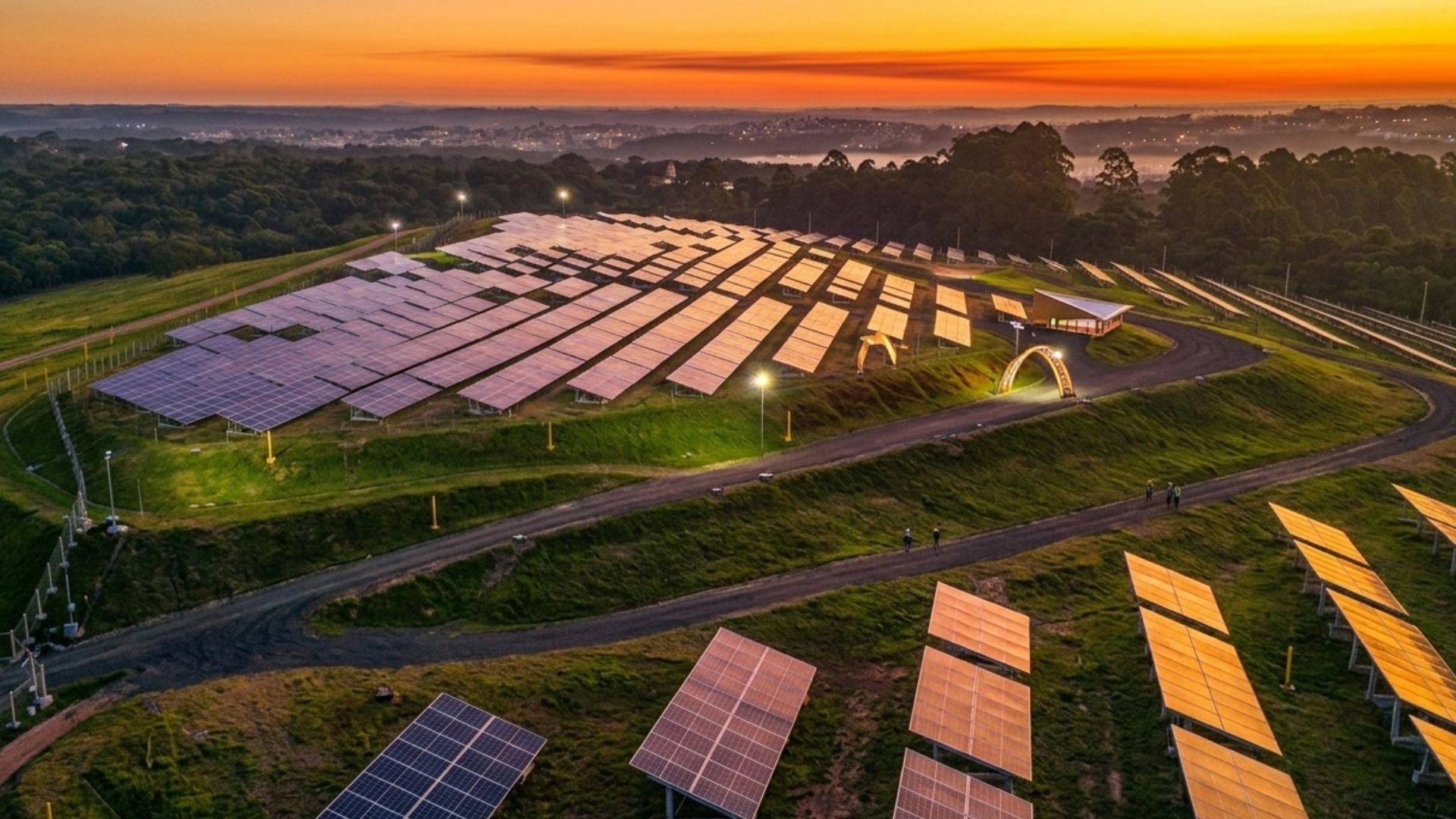
Another relevant benefit is the possibility of integration with renewable sources, such as solar energy, as well as the use of batteries for storage. In this way, the producer becomes less dependent on the conventional electrical grid, strengthening their energy autonomy.
The precision in management also contributes to controlling nutrient leaching, which can generate additional savings on nitrogenous fertilizers.
Energy Autonomy Redefines the Role of the Rural Producer
For sector specialists, the regulatory change can be seen as a vector for modernization. Renato Zebral defends this view by stating that the adoption of smart technologies alters the producer’s relationship with the electrical system. “The producer that adopts operational intelligence ceases to be dependent on tariff flags and peak hours to become a resource manager; our solution integrates solar energy and batteries so that the system is funded by the savings generated”, he explains.
In addition to cost reduction, energy autonomy increases the resilience of agricultural operations in the face of tariff fluctuations and supply failures.
Rural Credit Enables the Adoption of Technologies
To support this transition, specific credit lines are available. Programs such as Pronaf Eco and FNE Irrigation offer financing with interest rates between 3% and 6% per year.
These resources allow producers to invest in automation, self-generation, and energy storage. According to Zebral, “the technology ensures that operations are not interrupted by failures in the electrical grid, aiming to protect profit margins against sector fluctuations and climate changes”.
With the possible change in tariff rules, the combination of smart irrigation and energy autonomy tends to consolidate as a competitive advantage in the Brazilian agricultural sector.








Seja o primeiro a reagir!