





 Portuguese
  English
  Spanish
  5 min of reading
  0 comments


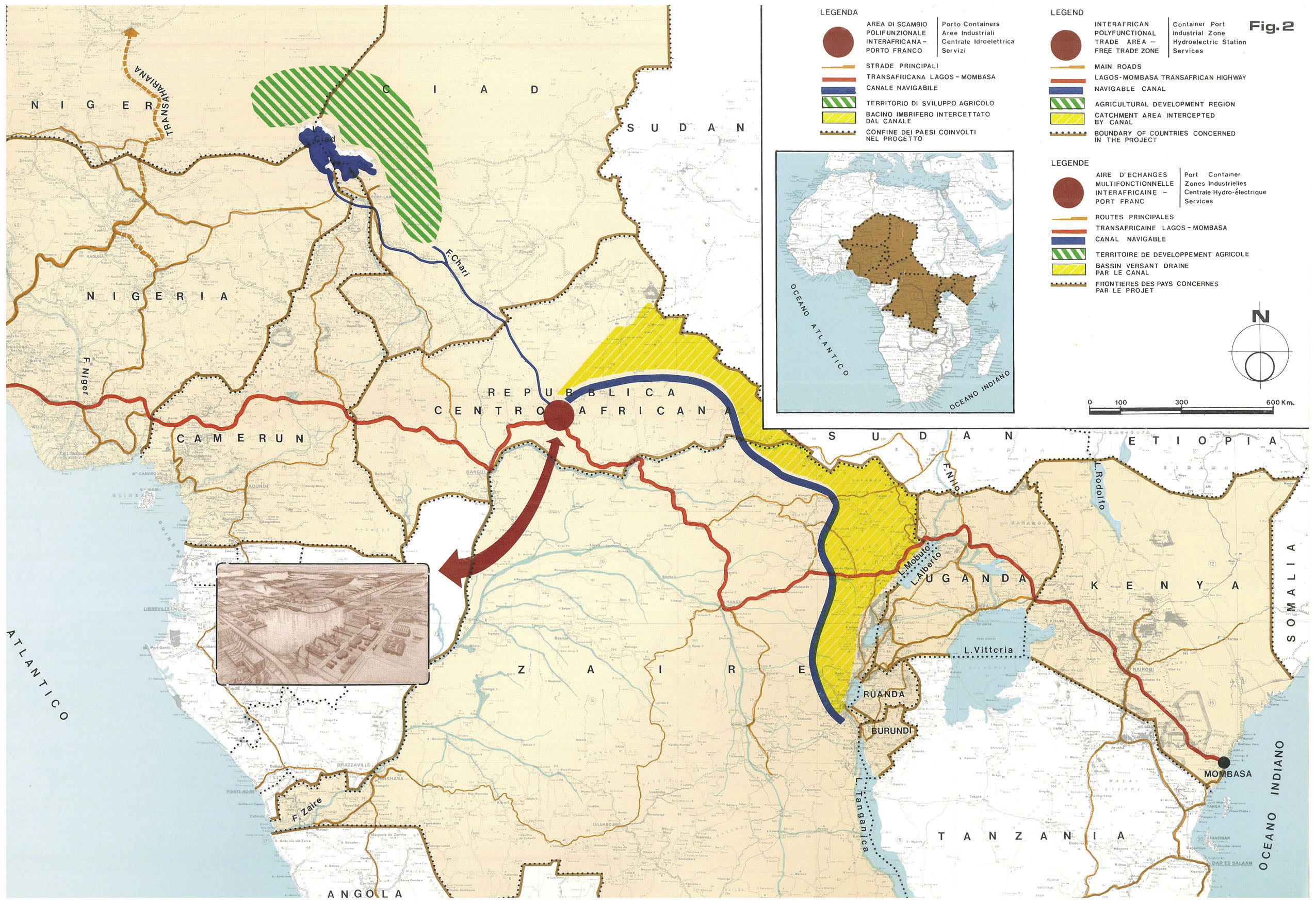
Transaqua Project, Valued at Over US$ 20 Billion, Promised to Bring Water from the Congo River to Lake Chad, but Remains Stuck in Studies, Slow Progress, and No Construction Initiated.
Few water engineering projects in the world carry such great ambition and, at the same time, so much controversy — as the Transaqua. Conceived in the 1970s, the plan proposes to divert part of the waters from the Congo River basin to replenish Lake Chad, one of Africa’s most important ecosystems, which has lost a significant portion of its area over the past few decades. The promise was monumental: saving millions of people from water scarcity, reviving local economies, curbing conflicts, and transforming one of the continent’s most fragile regions. Half a century later, however, the project remains stuck in studies, diplomatic agreements, and sporadic progress, with no construction initiated.
Lake Chad used to be one of the largest lakes in Africa. Today, its surface is a fraction of what it once was, directly impacting the lives of more than 40 million people in countries such as Chad, Nigeria, Niger, Cameroon, and the Central African Republic. Farmers, fishermen, and entire communities have seen their sources of income disappear, while social instability and armed conflicts have intensified in the region.
The Idea Behind Transaqua: Water from the Congo to the Sahel
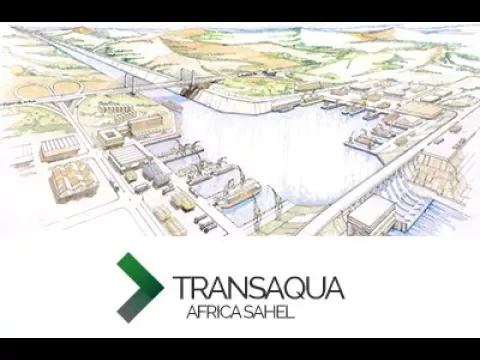
The heart of the Transaqua project is the construction of a system of channels spanning thousands of kilometers, capable of capturing water from the Congo River’s tributaries in Central Africa and transferring it to the Lake Chad basin. The logic is simple in concept and extremely complex in execution: the Congo is one of the largest river basins on the planet, while Lake Chad suffers from intense evaporation, excessive water usage, and climate change.
-
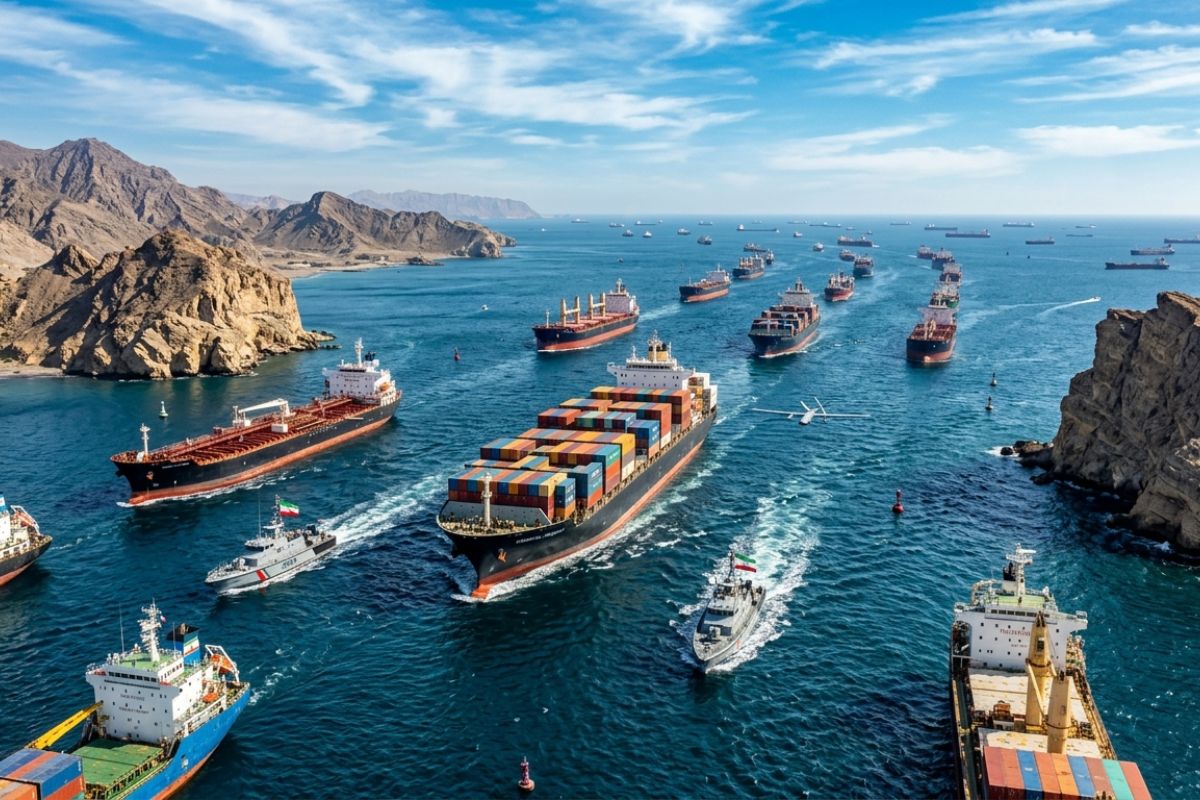
Iran authorizes the passage of ships with essential goods in the Strait of Hormuz, requires coordination and protocols; UN postpones resolution to reopen the oil route, while China, France, and Russia reject the use of force.
-
The Ukraine war exposes the strength of the M113 armored vehicle amid modern warfare with military drones.

-
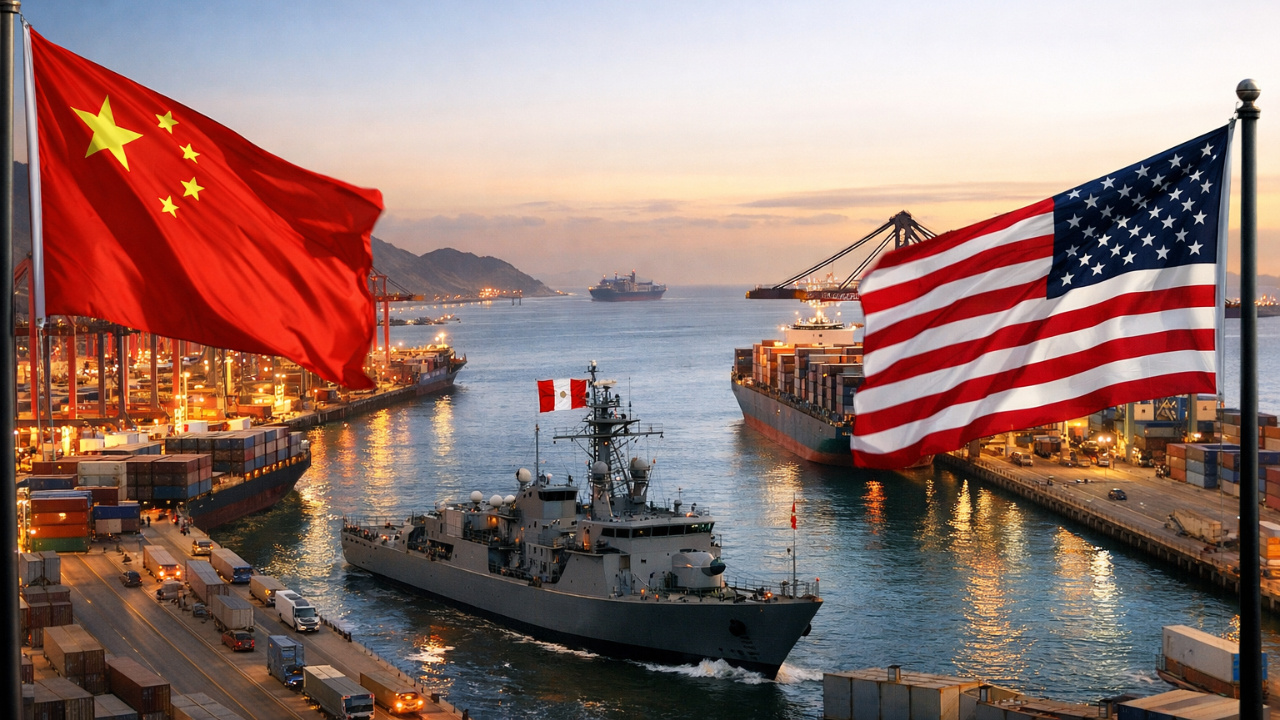
Maritime geopolitics: China and the USA compete for strategic ports in Peru.
-
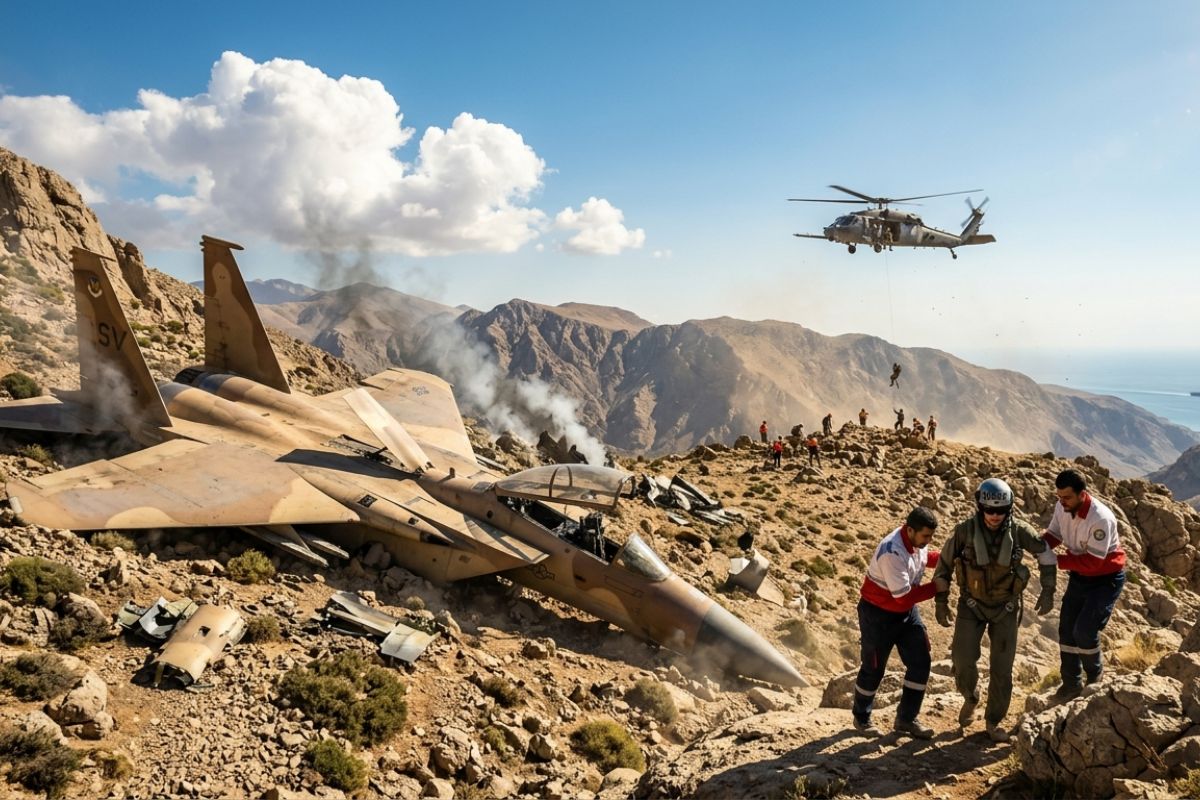
Iran shoots down two US aircraft: F-15 fighter crashes in mountainous area, one crew member is rescued and another is still missing; second crash in the Persian Gulf exposes still active air defense, says US intelligence.

Initial studies indicated that a relatively small fraction of the Congo’s volume could restore the lake’s level, without significantly compromising the source water system. In practice, however, this would require colossal works, crossing countries, tropical forests, politically sensitive areas, and regions with virtually non-existent infrastructure.
A Billion-Dollar Megaproject on a Continental Scale
Cost estimates for Transaqua vary depending on the scope considered, but figures above US$ 20 billion are often cited when discussing a complete implementation. The project would involve:
- large-scale channel excavation
- construction of dams and pumping stations
- water control infrastructure
- complex international agreements
- significant environmental impacts
This is not just about engineering. Transaqua is a geopolitical project that relies on cooperation among several African countries, institutional stability, and ongoing international financing for decades.
Why Has Transaqua Never Moved Forward?
Despite the urgency of the Lake Chad crisis, Transaqua faces deep structural obstacles. The first is political.
The water from the Congo traverses countries that do not experience water scarcity to the same extent and, naturally, express caution regarding any diversion of their natural resources.


The second obstacle is environmental. Experts warn that interfering with one of the largest river basins in the world could generate unpredictable side effects, affecting sensitive ecosystems in Central Africa.
The third barrier is financial. In a continent where basic needs compete for limited resources, securing tens of billions of dollars for a single long-term project is a gigantic challenge.
Recent Advances: Small Steps Amid Colossal Ambition
Although Transaqua has not initiated construction, recent advances show that the topic has returned to the international radar. In 2025, the African Development Bank and the government of Chad signed a grant of nearly US$ 11 million to reinforce the stabilization of the Lake Chad basin.
This funding, however, is not the execution of Transaqua. It is primarily aimed at technical studies, institutional strengthening, and integrated water resource planning in the region. In practice, it is a preparatory step, important but far from the construction of the monumental canal promised by the original project.
These resources help to better map the problem, improve the management of existing water, and prepare the ground for future decisions, but do not mean that the diversion from the Congo is about to begin.
The Contrast Between Social Urgency and Structural Slowness
The situation creates a hard-to-ignore contrast. On one side, entire communities face drought, food insecurity, and loss of livelihoods. On the other, the main project capable of structurally altering this scenario moves at a slow pace, limited to reports, multilateral meetings, and sporadic funding.
For many analysts, Transaqua has become a symbol of how global megaprojects stumble against political and economic reality, even when humanitarian need is evident.
Does Transaqua Still Have a Future?
Technically, Transaqua is not dead. It continues to be cited in international forums, academic studies, and strategic plans for the Sahel region. The climate crisis, in fact, tends to keep the topic relevant in the coming years.
In practice, however, the project remains without a timeline, without construction sites, and without structured financing for its full implementation. What exists today is a set of smaller initiatives aimed at mitigating the effects of drought, rather than executing the grand solution envisioned decades ago.
A Promise That Still Divides Opinions
Supporters of Transaqua see the project as a historic opportunity to reverse desertification, reduce conflicts, and create a new axis of regional development. Critics warn of environmental risks, excessive costs, and the possibility of the project becoming a continental white elephant.
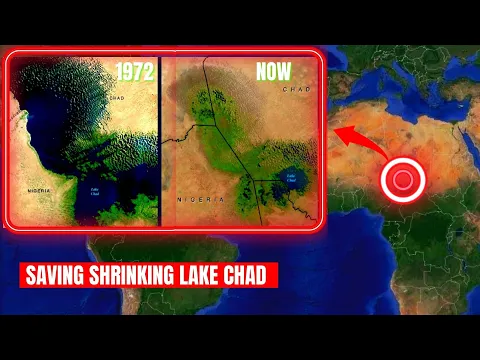
While this debate continues, Lake Chad continues to shrink, and millions of people are still waiting for a solution that goes beyond stopgap measures.
Transaqua represents the classic dilemma of megaprojects: when technical ambition surpasses the political and financial capacity for execution. Amid human urgency and geopolitical complexity, the project remains in limbo — too large to be ignored, too expensive to be executed quickly.
And you, reader: Is Transaqua the only solution capable of saving Lake Chad, or an example of how grand promises can be lost amid studies, agreements, and decades of waiting?










-

-

-

8 pessoas reagiram a isso.