





 Portuguese
  English
  Spanish
  3 min of reading
  0 comments


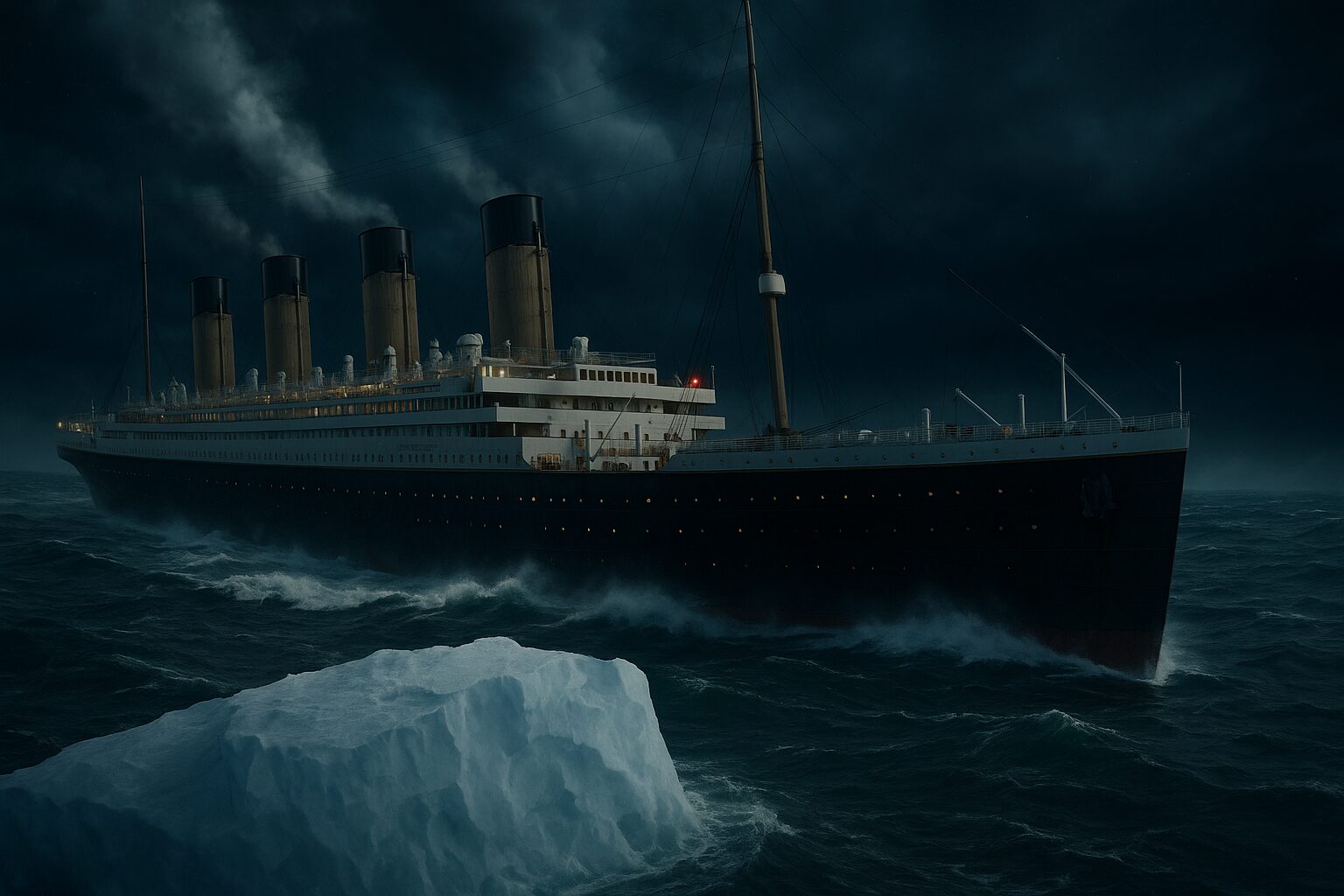
The Most Valuable Painting Lost on the Titanic, Valued at R$ 15 Million, Belonged to a Survivor and Marked the History of the Shipwreck. Understand Why This Work Still Intrigues the World
The tragedy of the Titanic, which occurred in 1912, left deep marks on the history. Among the many objects lost in the sinking, one stands out for its high value: a neoclassical painting by the French artist Merry-Joseph Blondel. Valued today at around R$ 15 million, the work titled La Circassienne au Bain was the most expensive item to sink with the ship.
Blondel’s Painting and Its Historical Value
The work, also known as Une Baigneuse, depicts a woman entering the bath, in neoclassical style. It dates back to the 19th century and is inspired by the art of classical antiquity.
The painting was even exhibited at the prestigious Salon of Paris, at the Louvre Museum. Its refined style and the prominence it received at the time make the piece one of the most important among the goods that were aboard the Titanic.
-
Iceberg A23a, one of the largest in the world, is undergoing accelerated collapse and may disappear: what explains the end of the ice giant?

-
The simplest swap at home can reduce energy consumption by up to 90% without changing habits, using a technology that lasts up to 25 times longer and consumes only a fraction of the electricity.

-
With over 14 million baskets of earth moved, an ancient North American metropolis built a monumental pyramid of 30 meters and established a city with 20,000 inhabitants nearly a thousand years ago.

-
A 1,900-year-old treasure emerges from a Roman house destroyed by fire and sealed since antiquity in Romania, with coins and metals fused among the ashes.


Owner of the Work Survived the Disaster
The painting belonged to Swedish businessman Mauritz Håkan Björnström-Steffansson, who was on the ship and survived the sinking. After the accident, he filed a claim for compensation with the White Star Line, the company responsible for the Titanic.
The amount requested was US$ 100,000, equivalent today to around R$ 500,000 based on the exchange rate of the time, reflecting the appreciation and value attributed to the work.
The Shipwreck and Its Consequences
The Titanic left England bound for the United States on April 10, 1912. During the crossing of the Atlantic, the ship collided with an iceberg and sank.
The accident resulted in the deaths of hundreds of people and the loss of various valuable goods. Blondel’s painting, taken by Björnström-Steffansson, was one of the many objects that vanished with the vessel.
Compensations and Financial Impact
The tragedy generated several actions by the survivors, who sought financial compensation. Björnström-Steffansson’s claim was one of the most relevant, given the significant value of the painting.
The White Star Line faced a number of similar requests, which exposed the legal and economic difficulties following the disaster.
The Ongoing Fascination with the Titanic
Even more than a century later, the Titanic continues to spark public interest. The luxury of the ship, the unexpected tragedy, and the accounts of passengers feed the collective imagination.
Objects such as the work La Circassienne au Bain help keep alive the memory of that event, reinforcing the cultural and historical impact of the shipwreck.
With information from Correio Braziliense.







-

Uma pessoa reagiu a isso.